When Your Breaker Won’t Reset: What Every Homeowner Needs to Know
You flip the breaker back to the on position, and it immediately clicks back off. Maybe you try again, slower this time, like that is going to change anything. It does not. That stubborn breaker that refuses to reset is one of those home problems that feels minor until you realize the lights in half your house are not coming back on anytime soon. The good news is that this is a fairly common issue with a clear set of causes. The not-so-great news is that some of those causes are serious enough that you should not be attempting a DIY fix. Understanding what is actually happening inside your electrical panel, and knowing when this kind of repair falls under a home warranty, can save you a real headache.
What a Circuit Breaker Actually Does
Before diving into what goes wrong, it helps to understand what a circuit breaker is designed to do in the first place. A circuit breaker is a safety switch that automatically shuts off electrical flow when it detects a problem, specifically too much current running through a circuit. Think of it as a guard that stands between your home’s wiring and potential disaster. When the current exceeds what the circuit can safely handle, the breaker trips and cuts power. This protects your wiring from overheating and your home from electrical fires. Every home has a main electrical panel, sometimes called a breaker box, that houses a series of these individual breakers, each responsible for a specific area or circuit in the home.
Why a Breaker Trips in the First Place
Not all tripped breakers are created equal. There are a few different scenarios that cause a breaker to trip, and understanding the difference matters when you are trying to figure out what to do next.
- Overloaded circuit: Too many appliances or devices drawing power from one circuit at the same time
- Short circuit: A hot wire makes contact with a neutral wire, usually inside an outlet, appliance, or the wiring itself, causing a sudden spike of current
- Ground fault: Similar to a short circuit, but the hot wire contacts a grounded surface instead
- Faulty breaker: The breaker itself has worn out or failed internally
- Wiring issues: Damaged, degraded, or improperly installed wiring somewhere along the circuit
The reason your breaker will not reset is almost always tied to one of these root causes still being active. Resetting a breaker before identifying and addressing the underlying problem is like putting a bandage on something that needs stitches. The breaker is going to keep tripping because it is doing exactly what it was designed to do.
How to Safely Attempt a Breaker Reset
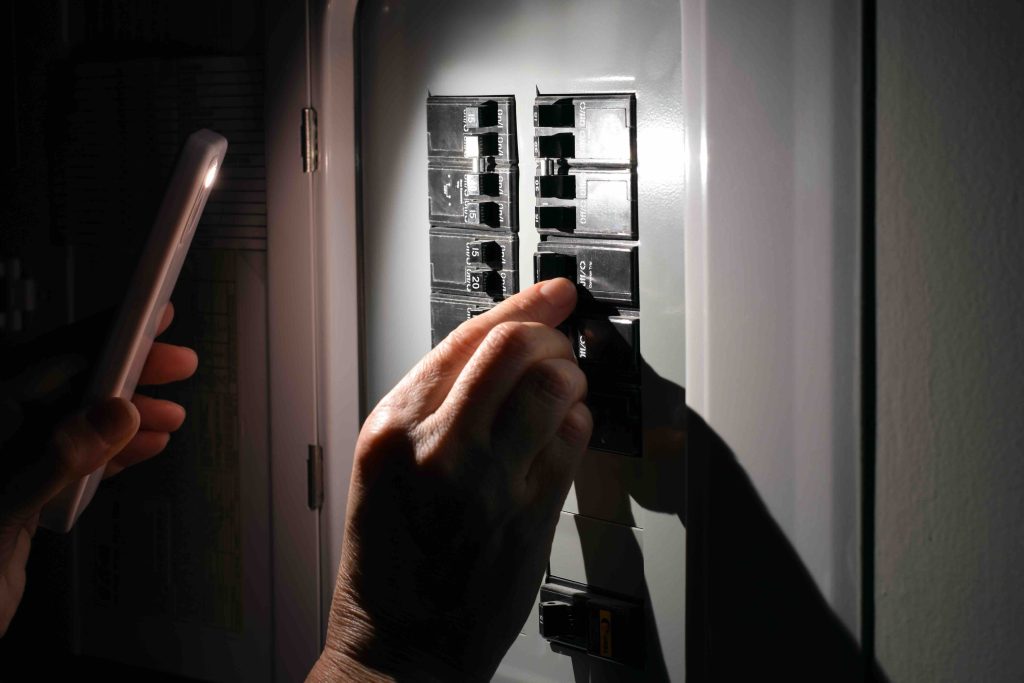
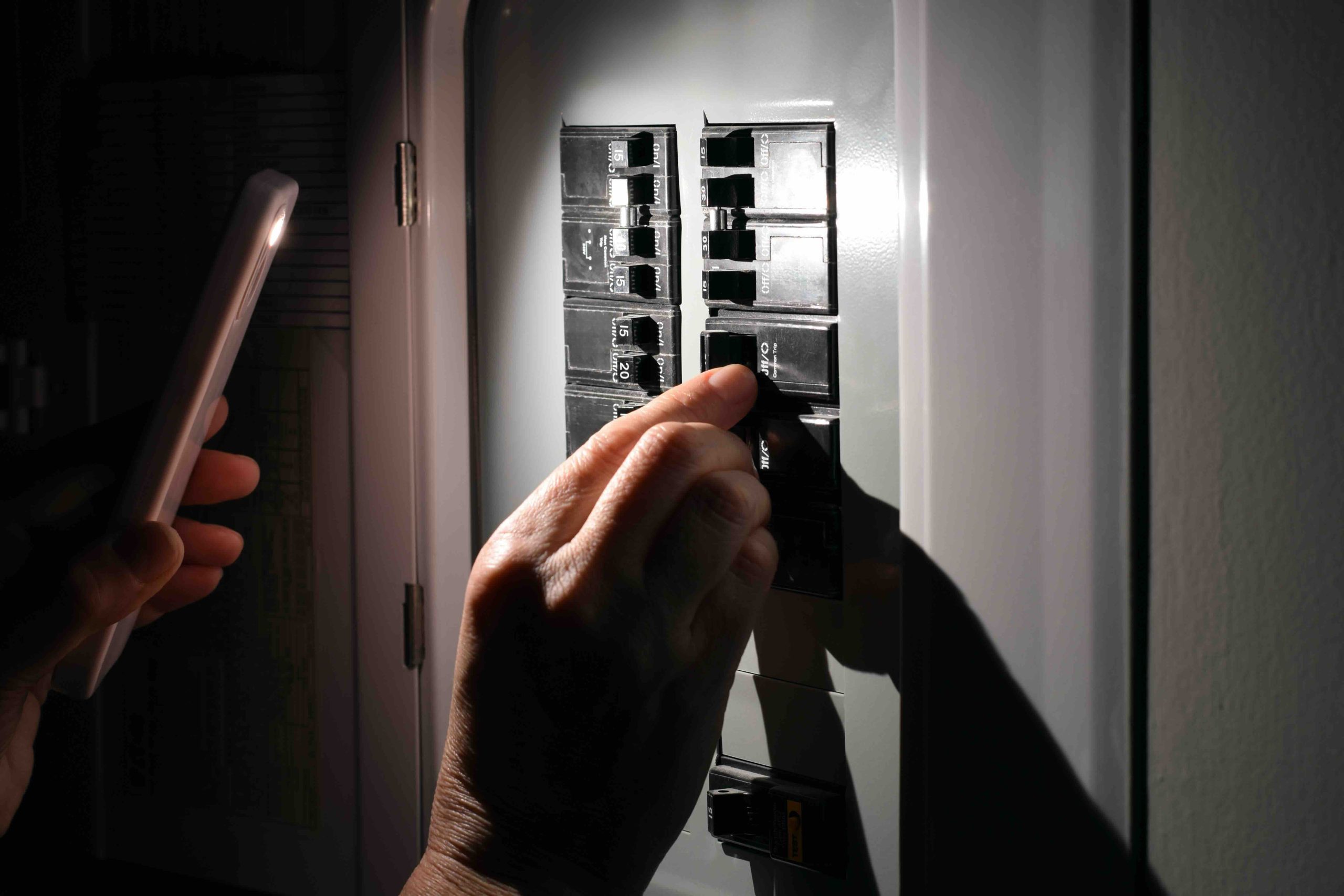
If the breaker has tripped due to a temporary overload, such as running too many appliances at once, the reset process is fairly straightforward. First, turn off or unplug any high-draw appliances on the affected circuit. Next, locate the breaker in your electrical panel. A tripped breaker will usually be in a middle position, not fully on or fully off. Push it firmly to the off position first, then switch it back to on. If it holds, you are likely dealing with a simple overload. If it immediately trips again or will not move to the on position, that is your signal that something more significant is going on. Do not keep forcing it.
What It Means When a Breaker Is Grounded
When a professional says a breaker or circuit is grounded, they are referring to a ground fault condition. This happens when electricity finds an unintended path to the ground, often through a person, water, or a conductive surface. Ground faults are particularly dangerous in areas like kitchens, bathrooms, garages, and outdoor spaces where moisture is present. A breaker that keeps tripping due to a ground fault is not malfunctioning. It is working correctly by preventing current from flowing through a potentially dangerous path. Identifying the source of a ground fault requires a professional electrician who can test the circuit and track down where the fault originates. This is not a homeowner-level repair in most cases.

Signs You Have a Larger Electrical Problem
A breaker that trips once after an obvious overload is usually not cause for alarm. However, certain patterns and symptoms point to a more serious underlying issue that warrants professional evaluation as soon as possible.
- The same breaker trips repeatedly without an obvious cause
- You notice a burning smell near the panel or an outlet
- The breaker feels warm or hot to the touch
- You hear buzzing, crackling, or humming from the panel
- Lights flicker or dim when appliances cycle on
- There is visible scorching or discoloration around the breaker or panel
Any of these signs should prompt a call to a licensed electrician. Electrical issues that go unaddressed are one of the leading causes of residential fires in the United States. When in doubt, treat it as urgent.
The Role of Home Warranties in Electrical Repairs
Here is where home warranties become genuinely useful. Electrical systems are expensive to repair, particularly when the issue involves the breaker panel, internal wiring, or components that require a licensed professional to access and diagnose. A home warranty plan that covers electrical systems typically includes things like interior wiring, circuit breakers, and the main electrical panel. This means when a breaker fails due to normal wear and cannot be reset, your home warranty may cover the cost of diagnosis and repair rather than leaving you to absorb that expense out of pocket. Coverage details vary by plan, which is why reading the specifics of what is and is not included matters before you ever need to file a claim.
What Is Typically Covered and What Is Not
Home warranties cover failures that occur due to normal wear and tear, which is the industry standard threshold. A breaker that has simply worn out over years of use generally qualifies. However, damage caused by improper installation, pre-existing conditions, or code violations at the time of coverage start may not be eligible for a claim. It is also worth noting that some policies distinguish between components within the electrical system. Coverage for the panel itself may differ from coverage for individual breakers or wiring. Understanding these distinctions before a problem occurs is far more useful than trying to sort it out in the middle of an outage. Take time to review your policy or ask your warranty provider directly about what your electrical system coverage includes.
Tips for Maintaining Your Electrical Panel
Preventive attention goes a long way with electrical systems. While breakers are designed to operate without regular homeowner interaction, there are a few practical habits that can reduce the likelihood of problems over time. Avoid overloading circuits by being mindful of how many high-wattage appliances share a single outlet or circuit. Have your panel professionally inspected every few years, especially in older homes where the wiring and breakers may be approaching the end of their useful life. If your home has a Federal Pacific or Zinsco panel, consult an electrician about replacement since those brands have documented safety issues. Keep the area around your electrical panel clear and accessible at all times. These small steps make a meaningful difference in long-term safety and performance.
Why Armadillo Is the Right Partner When Electrical Problems Arise
Electrical repairs are not something most homeowners budget for in advance, and a failing breaker or ground fault issue can escalate quickly from a minor inconvenience to a significant expense. That is exactly the kind of situation a home warranty is built for. Armadillo offers straightforward, homeowner-focused coverage that takes the guesswork out of what is protected. When a covered system like your electrical panel breaks down due to normal wear, Armadillo connects you with qualified professionals and manages the process so you are not scrambling on your own. If you want to understand what a reliable home warranty plan looks like for your specific home, explore Armadillo’s home warranty coverage for electrical systems and more. And when you are ready to see what protection could cost for your address, you can get a personalized home warranty quote for electrical and whole-home coverage in just a few minutes. No pressure, no confusion, just clarity about what your home is covered for before the next unexpected repair shows up.

Frequently Asked Questions About Breaker Switches and Home Warranty Coverage
These are the questions homeowners ask most often when dealing with a breaker that will not reset or an electrical issue tied to a ground fault condition.
Why does my circuit breaker keep tripping even after I reset it?
If a breaker keeps tripping after being reset, the underlying cause of the trip has not been resolved. This could be an overloaded circuit, a short circuit, a ground fault, or a failing breaker. The breaker is functioning correctly by refusing to stay on while a problem persists. A licensed electrician should inspect the circuit to identify and fix the root cause.
Is it dangerous to keep resetting a tripping breaker?
Yes, repeatedly resetting a breaker without identifying the cause can be dangerous. If the breaker is tripping due to a short circuit or ground fault, forcing it back on could expose wiring to excess current and increase the risk of fire or injury. Reset it once to see if it holds, and if it does not, contact an electrician.
What does it mean when an electrician says the circuit is grounded?
When a circuit is described as grounded in this context, it typically means a ground fault is present. This occurs when a hot wire makes unintended contact with a grounded surface or conductive material, creating an abnormal current path. It is a safety hazard, particularly in areas with moisture exposure.
Does a home warranty cover a breaker that will not reset?
Many home warranty plans that include electrical system coverage will cover a failed circuit breaker that can no longer hold a reset due to normal wear and tear. Coverage specifics vary by provider and plan, so it is important to review your policy details or contact your warranty company to confirm what is included before filing a claim.
How do I know if my electrical panel needs to be replaced?
Signs that a panel may need replacement include frequent breaker trips, visible scorching or burning smells near the panel, a panel that is older than 25 to 30 years, or a panel brand with documented safety concerns such as Federal Pacific or Zinsco. A licensed electrician can evaluate the panel and provide a professional recommendation.
Can I replace a circuit breaker myself?
Replacing a circuit breaker is not recommended as a DIY project for most homeowners. The work involves exposure to live electrical components inside the panel, which carries a serious risk of shock or electrocution. In most jurisdictions, this type of work also requires a licensed electrician and may need to be permitted and inspected.
What is the difference between a tripped breaker and a blown fuse?
A circuit breaker is a resettable switch that trips when it detects excess current. A fuse performs a similar protective function but contains a metal filament that physically burns out when the circuit is overloaded, requiring the fuse to be replaced rather than simply reset. Older homes may still have fuse boxes rather than modern breaker panels.
How long do circuit breakers typically last?
Circuit breakers are generally expected to last between 25 and 40 years under normal operating conditions. However, breakers that frequently trip, are exposed to moisture, or are part of an aging panel may fail sooner. Regular professional inspections can help identify breakers that are approaching the end of their useful life.
Will my home warranty cover electrical wiring issues, not just the breaker?
Many home warranty plans that include electrical coverage extend beyond just the breaker panel to include interior wiring. However, coverage for wiring typically applies to failures caused by normal wear rather than damage from events like flooding, pest activity, or improper installation. Always review your specific policy terms to understand the full scope of electrical coverage.
What should I do immediately if I smell burning near my electrical panel?
A burning smell near your electrical panel is a serious warning sign that requires immediate action. Turn off the main breaker if it is safe to do so, evacuate the home if the smell is strong or accompanied by visible smoke, and contact emergency services or a licensed electrician right away. Do not ignore this symptom or attempt to diagnose it yourself.