When Your Oven Refuses to Stop: What It Means and What to Do
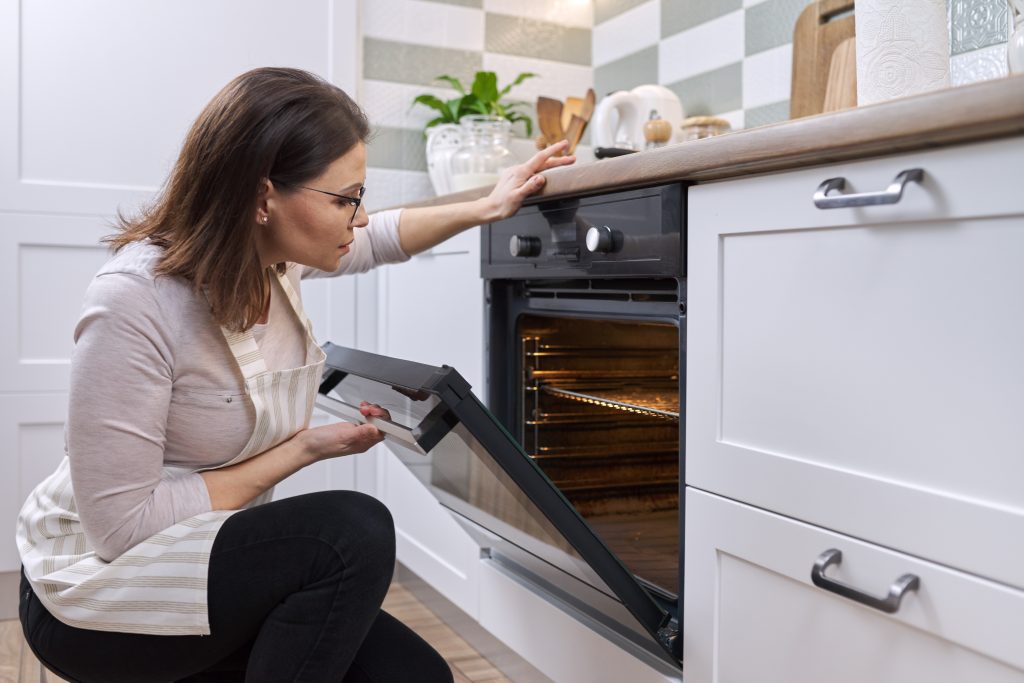
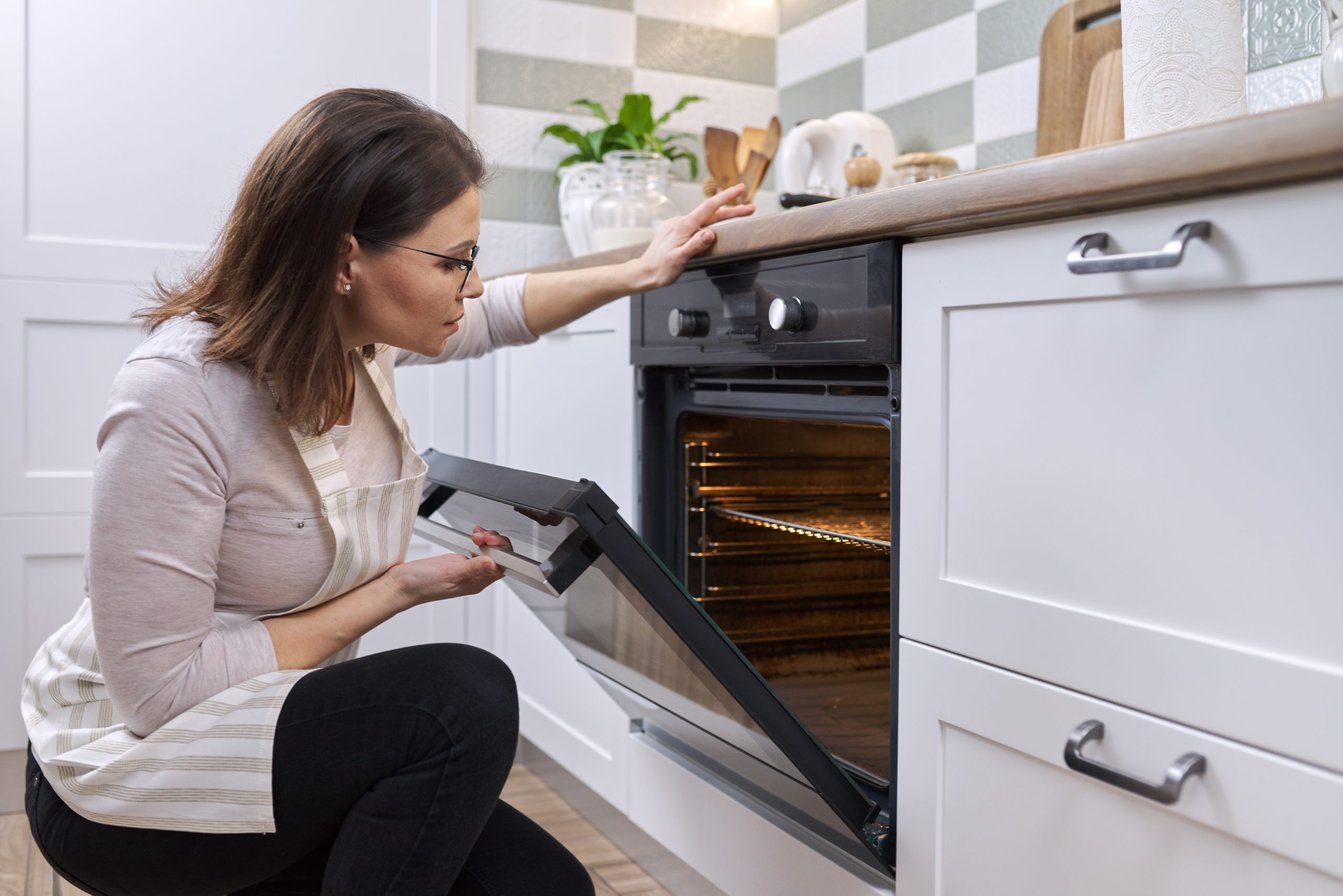
You finished dinner, turned the knob, pressed the button, and yet the oven is still running. The heat is still on. That is not a minor inconvenience. An oven that will not turn off is a legitimate safety concern and one of those appliance situations that tends to catch homeowners completely off guard. It feels random. It is usually not. There are specific reasons this happens, and knowing them can help you respond quickly and make smarter decisions about repair, replacement, and protection going forward.
How Your Oven Actually Controls Heat
Before diving into what goes wrong, it helps to understand what is supposed to go right. Most residential ovens, whether gas or electric, rely on a combination of a thermostat, a control board, and some form of heating element or gas valve to regulate temperature. When you set a temperature, the thermostat monitors the internal heat and signals the control board to cycle the heating element or burner on and off to maintain that level. When you turn the oven off, the control board cuts the signal entirely. That chain of communication is precisely where things break down when the oven keeps running.
Common Reasons an Oven Will Not Turn Off
There are several culprits worth knowing about, and they vary depending on whether you have a gas or electric model. Understanding the most likely cause can help you have a more productive conversation with a technician and avoid being caught off guard by the diagnosis.
- A faulty thermostat that no longer reads internal temperature accurately, causing it to call for continuous heat
- A failed control board that is stuck sending power to the heating element even after shutdown
- A defective relay switch on the control board that physically cannot break the electrical circuit
- A stuck or malfunctioning gas valve that remains open and keeps the flame going
- A broken temperature sensor that sends incorrect readings and overrides normal shutoff behavior
- A shorted heating element that bypasses the control board entirely
Each of these failures can look the same from the outside. The oven stays hot. That is why proper diagnosis matters. Guessing at the cause and replacing parts randomly is expensive and often ineffective.
Is It Safe to Keep Using the Oven While It Is Malfunctioning
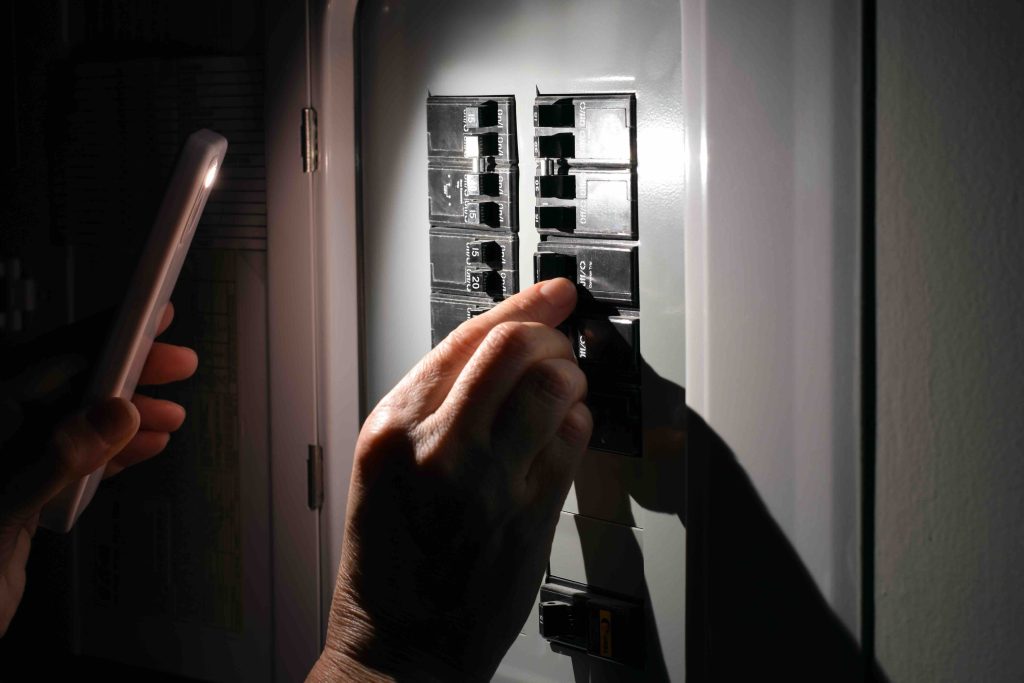
Short answer: no. An oven that will not turn off presents real risks. For electric ovens, a stuck relay or shorted element can overheat components, damage surrounding cabinetry, or in serious cases create a fire hazard. For gas ovens, an open valve that continues to release gas even after the igniter has done its job creates a combustion risk that should never be taken casually. The moment you notice the oven is not shutting off properly, the safest move is to cut power to it at the circuit breaker or shut off the gas supply and stop using it until it is inspected.
What You Can Do Before the Technician Arrives
There are a few steps you can take right away that are both safe and practical. First, turn off the oven at the circuit breaker if it is electric. For gas, locate the shutoff valve behind or beneath the appliance and close it. Do not attempt to open panels or tamper with internal components unless you have direct experience with appliance repair. Second, document what you noticed. When did this start? Was the oven behaving strangely before this, such as overheating, showing error codes, or taking longer than usual to preheat? That information gives a technician a much clearer starting point.
Repair Versus Replacement: How to Think Through the Decision
Once you have a diagnosis in hand, you will likely face the familiar repair-or-replace question. The right answer depends on a few factors. The age of the oven matters quite a bit. Most ovens have a functional lifespan of roughly 10 to 15 years. If yours is approaching that range and the repair involves the control board, the math often tips toward replacement. Control board repairs are among the more expensive oven fixes, sometimes running several hundred dollars in parts alone before labor. On the other hand, if the oven is relatively new and the issue is an isolated component like a temperature sensor or relay, repair is almost always the more cost-effective path.

How Home Warranties Factor Into Oven Repairs
Here is where a lot of homeowners wish they had planned ahead. Oven repairs, especially those involving control boards or internal electrical components, are not cheap. A home warranty is a service contract that covers the cost of repairing or replacing major home systems and appliances when they fail due to normal wear and tear. If your oven is covered under a home warranty plan, you would typically pay a small service call fee, and the warranty provider coordinates a qualified technician to diagnose and repair the issue. The bulk of the repair cost is covered by the plan, which can represent significant savings depending on the scope of the failure.
What Home Warranty Plans Typically Cover for Ovens
Coverage varies by provider and plan, so reading the fine print is always worthwhile. That said, most comprehensive home warranty plans that include appliance coverage will cover the following oven-related failures:
- Control board failures
- Thermostat and temperature sensor malfunctions
- Heating element failures in electric ovens
- Internal wiring and relay issues
- Gas valve failures in gas ovens
What is typically not covered includes cosmetic damage, improper installation, or failures resulting from misuse. An oven that will not turn off due to a mechanical or electrical component failure falls squarely within the kind of breakdown that home warranties exist to address.
Preventive Habits That Can Extend the Life of Your Oven
No appliance lasts forever, but proper care can push that lifespan in the right direction. Keep the oven interior clean, as grease buildup around heating elements and sensors can affect performance over time. Avoid using the self-cleaning cycle excessively, since the extreme temperatures involved can actually stress control boards and internal wiring. If your oven has a digital display, pay attention to error codes and address them promptly rather than ignoring them until a larger failure develops. Small warning signs are often the oven telling you something needs attention before it becomes a full breakdown.
Why Armadillo Is Worth Considering After an Oven Scare Like This
An oven that will not turn off has a way of reminding homeowners just how dependent daily life is on functioning appliances, and how quickly an unexpected repair can strain a household budget. That is exactly the kind of situation Armadillo home warranty coverage for kitchen appliances and home systems is designed to handle. Armadillo offers straightforward, honest plans that cover major appliances like ovens, ranges, and cooktops when they fail due to normal wear, without the runaround that too many homeowners have come to expect from warranty providers. If you are ready to stop absorbing the full cost of appliance failures on your own, now is a good time to get a free home warranty quote for oven and appliance protection and see what coverage makes sense for your home. The peace of mind is real, and the process is genuinely simple.

Frequently Asked Questions About an Oven That Will Not Turn Off
Here are answers to the questions homeowners most commonly ask when dealing with an oven that refuses to shut down.
Is it dangerous if my oven will not turn off?
Yes, it can be. An oven that continues to run after being switched off poses fire and overheating risks for electric models and combustion risks for gas models. The safest response is to cut power at the breaker or shut off the gas supply and stop using the appliance until it has been inspected by a qualified technician.
What is the most common reason an oven stays on?
A failed control board or a stuck relay switch is among the most frequent causes. These components are responsible for signaling the oven to stop heating, and when they malfunction, the oven can continue to run indefinitely regardless of user input.
Can I reset my oven to fix the problem?
In some cases, resetting the oven by cutting power at the breaker for a few minutes and restoring it can temporarily resolve a software or control board glitch. However, if the issue is a physical component failure, a reset will not provide a lasting fix and professional repair will still be necessary.
How much does it cost to repair an oven that will not turn off?
Repair costs depend on the specific component that has failed. Temperature sensor replacements can run between $100 and $200 including labor, while control board repairs or replacements can range from $200 to $600 or more depending on the appliance brand and model.
Does a home warranty cover an oven that will not shut off?
Most home warranty plans that include appliance coverage will cover mechanical and electrical failures like this one, assuming the failure is due to normal wear and tear rather than misuse or improper installation. Reviewing your specific plan details will confirm the scope of your coverage.
Should I repair or replace an oven that keeps running?
If the oven is less than eight years old and the failed component is isolated, repair is usually the better financial decision. For ovens over ten years old with control board failures, replacement often makes more sense given the cost of parts and the remaining useful life of the appliance.
Can a dirty oven cause it to stay on?
Excessive grease or residue buildup around temperature sensors can interfere with accurate temperature readings, which in turn can cause the oven to overheat or behave erratically. While this is not the most common cause of an oven failing to shut off, maintaining a clean oven interior does reduce the likelihood of sensor-related issues.
How long should an oven last before issues like this arise?
Most residential ovens are designed to last between 10 and 15 years with regular use and basic maintenance. Control board and thermostat issues can arise earlier, particularly in ovens that are used heavily or subjected to extreme temperature cycles like frequent self-cleaning.
What should I tell the technician when they arrive?
Share as much context as possible, including when the problem started, whether there were any warning signs beforehand such as error codes or unusual heating behavior, the age of the oven, and whether the issue happens every time or intermittently. The more detail you provide, the more efficiently a technician can diagnose the problem.
Will my homeowners insurance cover an oven that will not turn off?
Standard homeowners insurance generally does not cover appliance breakdowns resulting from mechanical or electrical failure. Homeowners insurance is designed to cover sudden and accidental damage from events like fire, theft, or certain water damage scenarios. Appliance protection is the specific domain of a home warranty plan.