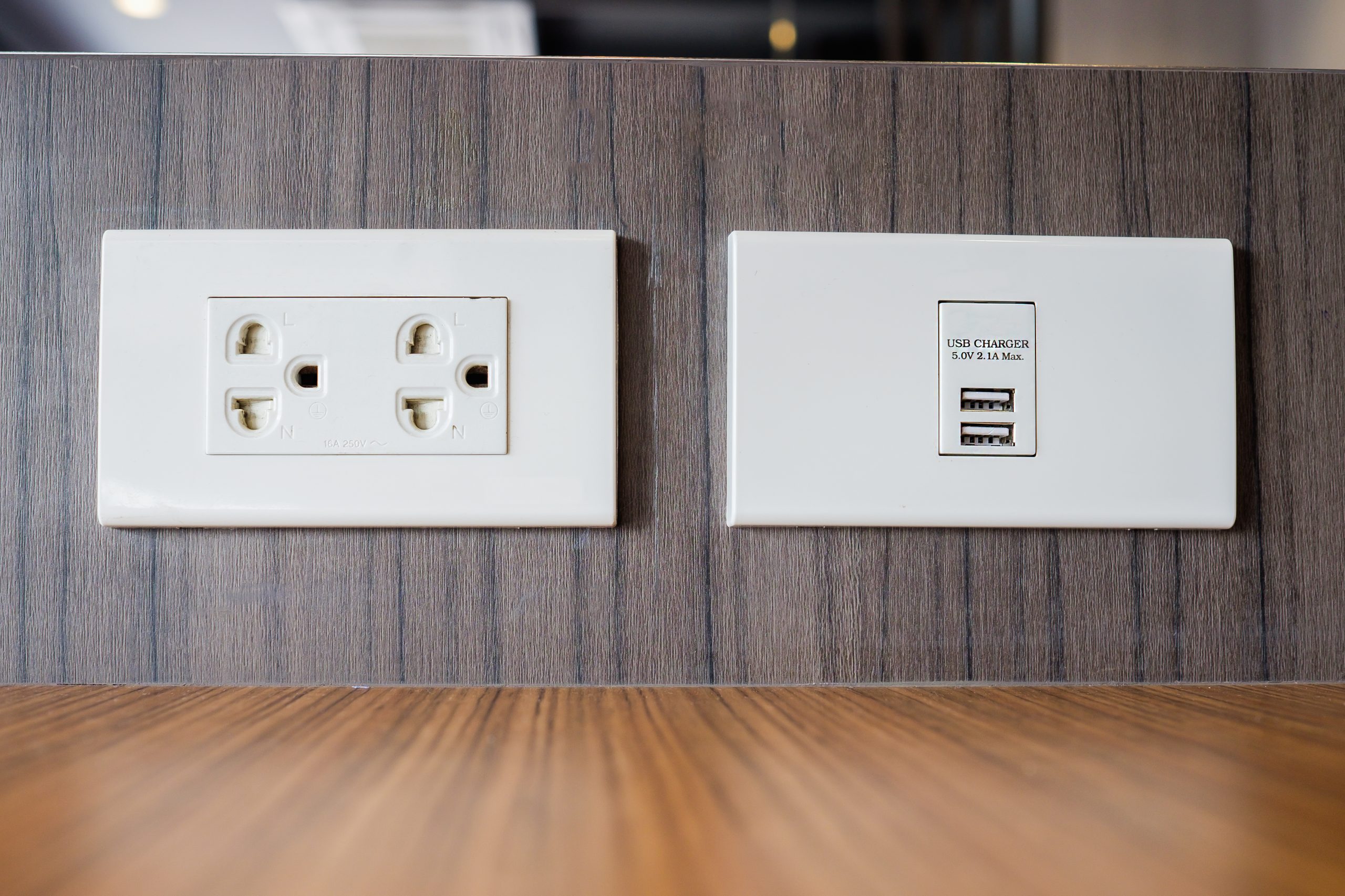
Wall Plug to USB Outlets: A Smarter Way to Power Your Modern Home
You have probably stood in your kitchen, bathroom, or bedroom and thought the same thing most homeowners think at some point: why are there never enough USB ports near where I actually need them? The wall outlet has been a household staple for decades, but the traditional two or three-prong design was built for a world that did not run entirely on rechargeable devices. That world no longer exists. USB-integrated wall outlets are increasingly showing up in home renovation checklists, new construction builds, and buyer wish lists, and there is a practical reason for all of it. This guide breaks down exactly what these outlets are, how they function, what you gain by installing them, and what you should watch out for before you commit.
What Is a USB Wall Outlet and How Does It Differ from a Standard Outlet?
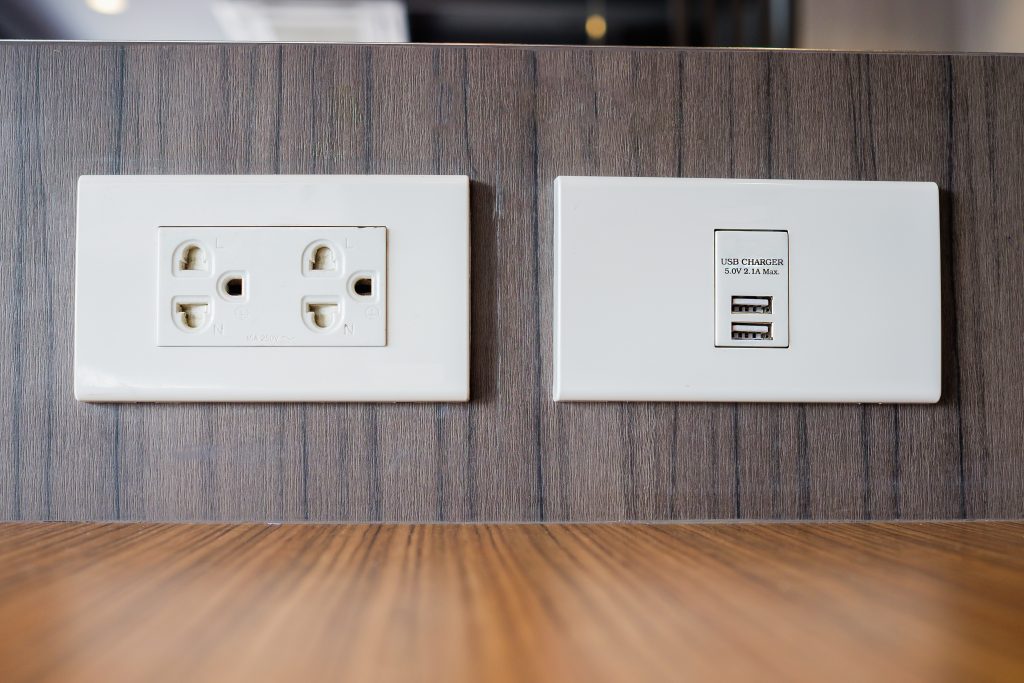
A USB wall outlet is a standard electrical receptacle that has been designed with one or more built-in USB charging ports alongside the traditional AC plug slots. Instead of occupying an AC plug slot with a bulky USB adapter block, the outlet itself handles the conversion internally. These outlets come in several configurations, the most common being USB-A ports, USB-C ports, or a combination of both. Some models offer pass-through charging, which means the USB ports and the standard AC slots can be used simultaneously without any reduction in performance. The physical footprint is nearly identical to a standard outlet, and most models are designed to fit directly into an existing electrical box without major modification.
How USB Wall Outlets Actually Work
Inside a USB wall outlet, there is a small internal converter that transforms the alternating current from your home’s electrical system into the direct current that USB-powered devices require. This conversion happens passively at all times, which means the outlet draws a very small amount of power even when nothing is plugged into it. That draw is minimal, often less than half a watt, but it is worth understanding. Higher-end models include smart charging technology, sometimes labeled as USB-C Power Delivery or Quick Charge compatible, which allows the outlet to detect what type of device is connected and deliver the appropriate wattage automatically. This is particularly useful for tablets, laptops, and newer smartphones that have variable charging requirements.
Key Advantages of Installing USB Outlets Throughout Your Home
There are several genuinely useful reasons homeowners are making this upgrade, and most of them come down to convenience, aesthetics, and practicality. Here is a quick breakdown of what you stand to gain:
- Eliminates the need for bulky USB adapter blocks that take up outlet space
- Reduces countertop and nightstand clutter near charging stations
- Keeps AC slots free for appliances and other plug-in devices
- USB-C models support faster charging for compatible devices
- Clean, modern look that integrates seamlessly into any room aesthetic
- Increases perceived home value, particularly among younger buyers
- Available in tamper-resistant versions, which is important in homes with children
Beyond the list, there is a real quality-of-life element here that is hard to overstate. Bedrooms, home offices, kitchens, and bathrooms are all high-usage areas where phone and tablet charging happens constantly. Having the right infrastructure built directly into the wall just makes daily life feel more organized.

Common Drawbacks and Limitations to Know Before You Buy
Nothing in home improvement is without its trade-offs, and USB wall outlets are no exception. The internal converter mentioned earlier does generate a small amount of heat during use, and over time, cheaper models may degrade faster than a quality standard outlet would. USB port technology also evolves quickly, so an outlet installed today with USB-A ports may feel outdated within five to eight years as USB-C becomes the dominant standard. Additionally, the maximum wattage available through built-in USB ports varies significantly by model. Budget options may only deliver five watts per port, which is slow by modern charging standards. If you plan to charge a laptop or a device with high power demands, you will want to confirm the outlet supports USB-C Power Delivery at 18 watts or higher before purchasing.
USB-A vs. USB-C Outlets: Which One Should You Choose?
This question comes up constantly, and the honest answer is that USB-C is the better long-term investment. The USB-C standard supports higher wattage, faster data transfer, and is now the dominant connection type across smartphones, tablets, laptops, and accessories. USB-A is still widely compatible with older devices, so a combination outlet featuring both port types offers the most flexibility during the transition period. If you are doing a full renovation or wiring a new build, prioritizing USB-C with Power Delivery support throughout is a sound approach. For individual room upgrades, a dual-port combination outlet will cover most household needs without requiring you to immediately replace every charging cable you own.
Installation Basics: What Homeowners Should Know
Installing a USB wall outlet is generally a straightforward job for a licensed electrician, and in many cases a confident DIYer with some electrical experience can handle it as well, depending on local code requirements. The process involves turning off the circuit breaker for the outlet you are replacing, removing the existing outlet, connecting the new USB outlet to the same wiring using the same hot, neutral, and ground wire configuration, and securing it into the electrical box. Most USB outlets are designed as direct replacements for standard outlets, so the wiring configuration is usually identical. That said, it is always worth checking local electrical codes and confirming that the outlet is rated for the amperage of the circuit it is being installed on. When in doubt, hire a licensed electrician. The cost is modest and the work gets done correctly the first time.
Best Rooms in Your Home for USB Outlet Upgrades
Not every outlet in your home needs a USB upgrade, but there are a handful of locations where the improvement genuinely transforms how functional a space feels. Bedrooms are the most obvious choice, particularly nightstands where phone charging happens nightly. Home offices benefit significantly, especially when multiple devices are in use simultaneously. Kitchens and kitchen islands are increasingly popular installation points as tablets and phones become part of cooking routines. Bathrooms are useful for electric toothbrushes and grooming devices. Living rooms near entertainment centers or couch seating areas round out the list. Prioritizing these high-traffic charging zones gives you the most value per outlet replaced.
How USB Outlets Fit Into a Broader Home Electrical Maintenance Strategy
Upgrading your outlets is one piece of a larger puzzle when it comes to maintaining a safe and functional home electrical system. Outlets, wiring, and electrical panels all have service lifespans, and staying ahead of wear means fewer surprises down the road. USB outlets, because they contain an internal converter, may have a slightly shorter functional lifespan than a basic outlet, which is something to keep in mind when planning long-term home maintenance. Checking for warm outlet covers, flickering during charging, or reduced charging speeds over time are all signs that a USB outlet may need replacement. Building these small check-ins into your regular home walkthrough routine keeps your electrical system performing reliably.
Why Armadillo Is the Right Home Warranty Partner for Homeowners Making Smart Upgrades
Making targeted improvements to your home’s electrical infrastructure, like upgrading to USB wall outlets, reflects the kind of thoughtful ownership that pays dividends over time. But even well-maintained homes face unexpected repair costs, and that is exactly where a home warranty steps in. Armadillo is built specifically for homeowners who take their homes seriously. As a modern home warranty provider designed for today’s homeowner, Armadillo covers the systems and appliances that keep your home running, offering straightforward plans without the confusing exclusions that make traditional warranties frustrating to use. Whether your HVAC gives out in July or a plumbing issue surfaces without warning, having coverage in place means the financial hit stays manageable. If you are ready to protect your investment, you can get a fast, personalized home warranty quote for your electrical systems and appliances in just a few minutes. Armadillo keeps it simple, honest, and genuinely useful because that is what homeowners actually need.

Frequently Asked Questions About USB Wall Outlets
Homeowners considering this upgrade tend to have a lot of the same questions. Here are the ones that come up most often, answered directly.
Are USB wall outlets safe to install in any room of the house?
Yes, USB wall outlets are safe for most rooms when installed correctly and rated for the appropriate circuit. Bathrooms and outdoor locations require GFCI-protected models specifically designed for wet or damp environments.
Do USB wall outlets use electricity even when nothing is plugged in?
They do draw a very small amount of standby power due to the internal converter, typically under half a watt per outlet. The impact on your electricity bill is negligible in most households.
How long do USB wall outlets typically last?
Most quality USB wall outlets are rated for several years of regular use, though the internal components may degrade faster than a basic outlet. Budget models tend to show wear within three to five years under heavy use.
Can I install a USB wall outlet myself or do I need an electrician?
Many homeowners with basic electrical knowledge can replace a standard outlet with a USB model, but local building codes vary. Always check your jurisdiction’s requirements and turn off the circuit breaker before starting any electrical work.
What is the difference between USB-A and USB-C wall outlets?
USB-A is the older rectangular port standard and supports lower wattage charging. USB-C is the newer oval port standard that supports faster charging speeds, higher wattage, and is now the dominant connector on most modern devices.
Will a USB wall outlet charge my laptop?
Only if the outlet supports USB-C Power Delivery at a sufficient wattage for your laptop model, typically 45 watts or higher. Standard USB-A outlets will not charge a laptop at a useful speed.
Does installing USB outlets increase home value?
It can contribute to perceived value, particularly with buyers who prioritize modern conveniences and smart home features. It is a low-cost upgrade relative to other improvements and appeals strongly to tech-oriented buyers.
Is there a risk of overloading a circuit when using USB outlets?
Not under normal use conditions. USB outlets draw very low wattage through their ports. However, the AC slots on the same outlet should not be used for high-draw appliances on circuits that are already near capacity.
Can USB wall outlets work with smart home systems?
Standard USB outlets do not integrate with smart home platforms. However, smart USB outlets exist that can be controlled via app or voice assistant, though they are typically more expensive and require additional setup.
What should I look for when buying a USB wall outlet?
Look for UL listing certification, USB-C Power Delivery support if you charge modern devices, tamper-resistant design if you have children, and a total combined USB wattage of at least 18 watts for practical everyday charging speeds.