When Your Freezer Stops Cooling: What Every Homeowner Needs to Know
You open the freezer expecting solid ice and find a soft bag of peas and a puddle where your ice cream used to be. It is one of those home moments that goes from inconvenient to stressful very quickly. A freezer that is not cooling properly is more than a minor annoyance. It can mean spoiled food, a costly repair bill, or a full appliance replacement depending on what went wrong. Understanding how your freezer works, why it stops cooling, and what your options are can save you real money and a lot of frustration. This is everything you need to know.
How a Freezer Actually Works
Most homeowners never think about the mechanics behind their freezer until something goes wrong. At its core, a freezer operates using a refrigeration cycle. A refrigerant fluid circulates through a closed system, absorbing heat from inside the freezer and releasing it outside. The compressor pressurizes the refrigerant, the condenser releases the heat, and the evaporator coils inside the unit absorb the cold. A thermostat and fan work together to keep temperatures consistent and airflow moving. When any one of these components fails or underperforms, the whole system feels it. That is usually when you notice things are not as cold as they should be.
Common Reasons a Freezer Stops Cooling
There is rarely just one reason a freezer stops doing its job. It tends to be one of several culprits, some simpler than others. Before calling a technician, it helps to understand what you might actually be dealing with.
- Dirty condenser coils that block heat from releasing properly
- A failing evaporator fan that prevents cold air from circulating
- A defrost system malfunction causing ice buildup on the coils
- A worn or damaged door gasket allowing warm air to seep in
- A faulty thermostat giving inaccurate temperature readings
- A compressor issue, which is often the most serious and expensive problem
- Low or leaked refrigerant, which requires a licensed technician to handle
Some of these are straightforward fixes. Others, like a compressor replacement or a refrigerant leak, can cost hundreds of dollars and sometimes make replacement a more practical choice than repair.
Warning Signs You Should Not Ignore
Freezers do not usually fail all at once. There are almost always early signs that something is off before the situation becomes a full breakdown. If you notice frost building up excessively on the interior walls, hear unusual humming or clicking sounds, see condensation forming on the outside of the unit, or notice that food is developing freezer burn faster than normal, those are all signals worth paying attention to. Catching an issue early often means a simpler, less expensive repair. Waiting until the freezer has completely stopped cooling usually means you are already dealing with spoiled food and a more complicated diagnosis.
What to Do When Your Freezer Is Not Cooling
Before you assume the worst, there are a few things worth checking yourself. Start by verifying that the freezer is actually plugged in and the circuit breaker has not tripped. Check the temperature settings to confirm they have not been accidentally changed. Make sure the door is closing completely and the gasket seal is intact. Pull the unit away from the wall and look at the condenser coils. If they are coated in dust, cleaning them can sometimes restore performance on its own. You should also check for ice buildup on the evaporator coils by removing the interior back panel. If there is a thick layer of frost, the defrost system may have failed. If none of these steps point to an obvious fix, it is time to bring in a professional.

DIY vs. Professional Repair: Knowing the Difference
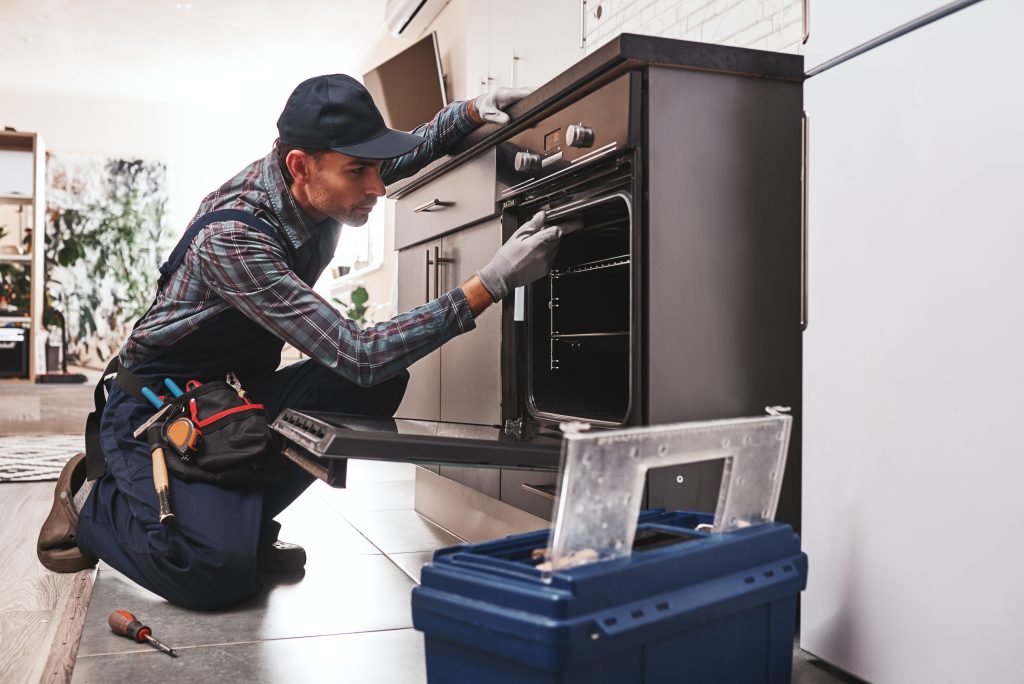
There is a reasonable middle ground between doing everything yourself and immediately calling a technician. Cleaning condenser coils, replacing a worn door gasket, and manually defrosting a freezer with heavy ice buildup are tasks most homeowners can handle with basic tools and a little patience. However, anything involving electrical components, refrigerant, or the compressor should always go to a licensed appliance repair technician. Refrigerant handling in particular is regulated by federal law and requires certification. Attempting those repairs without proper training is not just risky to the appliance. It is a safety hazard. Knowing which category your problem falls into saves you time and keeps the situation from getting worse.
Repair vs. Replace: How to Make the Call
This is the question that comes up every time a major appliance starts acting up. The general rule of thumb in the appliance industry is the 50 percent rule. If the cost of the repair is more than half the cost of a new unit, replacement is usually the smarter financial decision. Freezer lifespans vary by type. Chest freezers tend to last 15 to 20 years. Upright freezers usually fall in the 10 to 15 year range. If your freezer is near the end of that range and facing a significant repair, the math often points toward replacement. If it is relatively new and the issue is a component like a fan motor or thermostat, repair almost always makes more sense.
The Role of a Home Warranty in Freezer Repairs
This is where many homeowners discover they had more protection than they realized, or less protection than they assumed. A home warranty is a service contract that helps cover the repair or replacement costs of covered home systems and appliances when they fail due to normal wear and tear. Many plans include refrigerators and freezers, which means when your freezer stops cooling because of a mechanical failure, you may not be paying out of pocket for the diagnosis or the repair. That distinction matters. Home warranties are not homeowners insurance. They cover mechanical breakdowns, not damage from accidents or disasters. Understanding what your plan actually covers before something breaks is worth the time.
How to Prevent Freezer Problems Before They Start
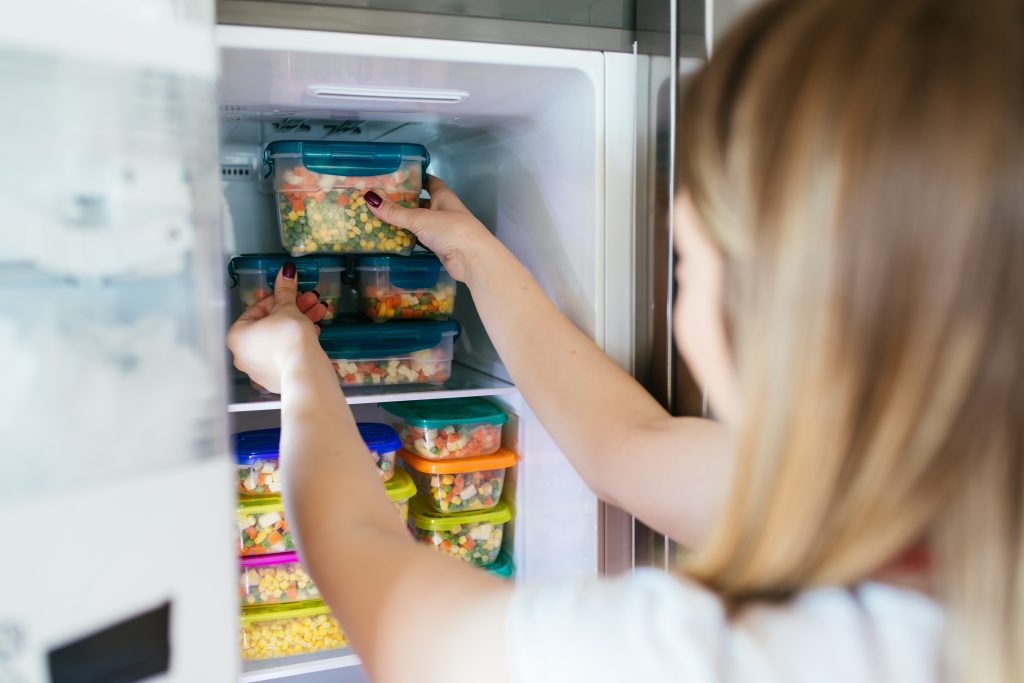
Regular maintenance goes a long way with freezers. Cleaning the condenser coils every six to twelve months removes the dust buildup that forces the compressor to work harder than it should. Checking the door gasket periodically for cracks or gaps keeps the cold where it belongs. Avoiding overpacking the freezer ensures air can circulate properly, which directly affects cooling efficiency. Keeping the freezer at least 75 percent full also helps it maintain temperature more efficiently, since the frozen mass helps stabilize the internal temperature when the door opens. These are small habits that extend the life of the appliance and reduce the likelihood of a surprise breakdown.
Why Armadillo Is the Right Choice When Your Freezer Fails
When a freezer stops cooling, the last thing you want is to navigate a complicated claims process or wonder whether the repair is actually covered. That is exactly why Armadillo home warranty coverage for kitchen appliances and freezer systems is built around clarity and simplicity. Armadillo covers mechanical failures in major appliances, including freezers, with straightforward terms that do not require a fine-tooth comb to understand. No confusing exclusions buried in pages of legalese. No runaround when something breaks down. Just honest coverage from a company that takes the stress out of home repairs. If you want to know exactly what you are protected against before your next appliance breakdown, you can get a free home warranty quote for freezer and appliance protection in just a few minutes. Knowing you have a plan in place changes how you experience those unexpected moments entirely.

Frequently Asked Questions About Freezers Not Cooling
Here are answers to the most common questions homeowners ask when their freezer stops working properly.
Why is my freezer running but not getting cold?
The most common reasons are a failed evaporator fan, dirty condenser coils, a malfunctioning defrost system, or a faulty thermostat. The compressor may still be running even when another component has failed, which is why the unit sounds normal but is not cooling.
How long does it take for a freezer to get cold again after a repair?
Most freezers will return to a safe temperature within four to six hours after a repair, though full recovery to the optimal temperature of zero degrees Fahrenheit may take up to 24 hours depending on the ambient room temperature and how warm the unit got.
Can a dirty condenser coil really stop a freezer from cooling?
Yes. When condenser coils are coated in dust and debris, the unit cannot release heat efficiently. This causes the entire refrigeration cycle to underperform, which often results in the freezer running constantly but never reaching the target temperature.
Is it worth repairing an older freezer?
It depends on the age of the unit and the cost of the repair. If the freezer is more than 10 to 12 years old and the repair cost exceeds half the cost of a new unit, replacement is generally the more cost-effective choice.
Does a home warranty cover a freezer that stops cooling?
Many home warranty plans do cover freezers when the failure is caused by a mechanical breakdown due to normal wear and tear. Coverage details vary by provider and plan, so reviewing your specific contract terms is important before filing a claim.
What temperature should a freezer be set to?
The U.S. Food and Drug Administration recommends keeping your freezer at zero degrees Fahrenheit. At this temperature, food stays safely frozen and the risk of bacterial growth is minimized.
How do I know if my freezer compressor is failing?
Signs of a failing compressor include the freezer running constantly without reaching temperature, unusual clicking or humming sounds, the unit feeling warm on the outside near the motor, and a complete loss of cooling despite other components appearing functional.
Can a freezer stop cooling because of a power issue?
Yes. A tripped circuit breaker, a loose power connection, or a damaged power cord can all prevent a freezer from operating correctly. Always check the basics before assuming it is a mechanical failure.
How often should I clean my freezer’s condenser coils?
Every six to twelve months is the general recommendation. If you have pets that shed or the area around the freezer tends to collect dust quickly, cleaning every six months is the better habit to establish.
What happens if I leave a broken freezer running?
If the freezer is not cooling properly, leaving it running can accelerate wear on the compressor and other components as the unit works harder to compensate. It also increases energy consumption without any functional benefit. Addressing the issue promptly is always the better approach.