What Are Waterproof Electrical Outlets and Why Do They Matter in Your Home?
Most homeowners do not give much thought to their electrical outlets until something goes wrong. But when water enters the picture, the stakes get considerably higher. Waterproof electrical outlets, also commonly referred to as weather-resistant or in-use cover outlets, are specially designed receptacles built to protect against moisture intrusion. Whether installed near a kitchen sink, on a backyard patio, or beside a bathroom vanity, these outlets are engineered to keep water and electricity safely separated. That combination, as you probably already know, is not one to gamble with.
How Waterproof Electrical Outlets Actually Work
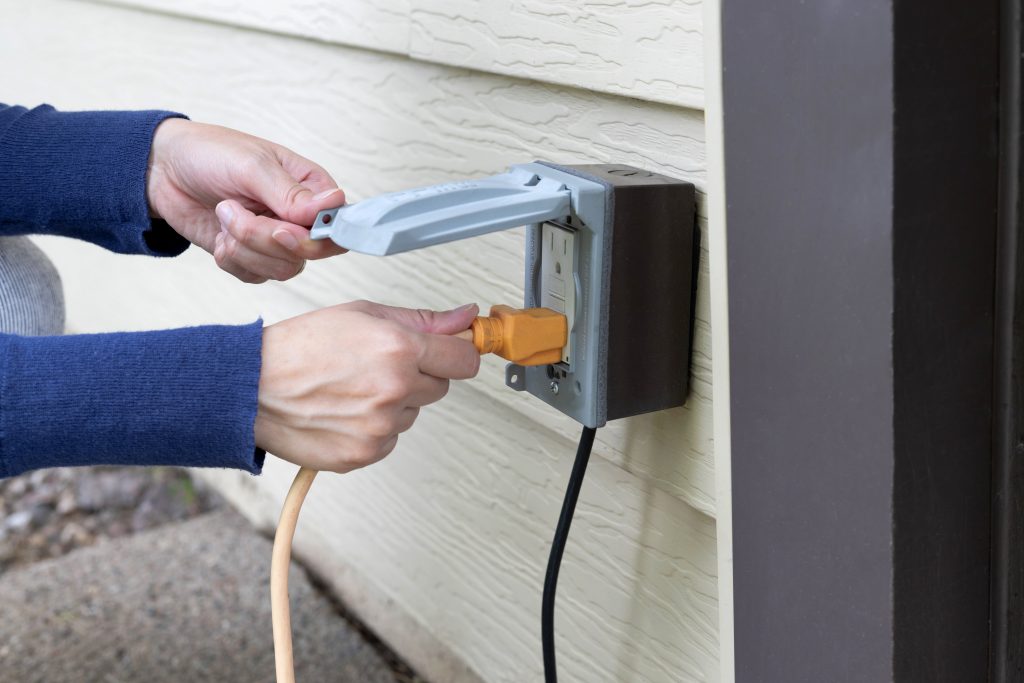
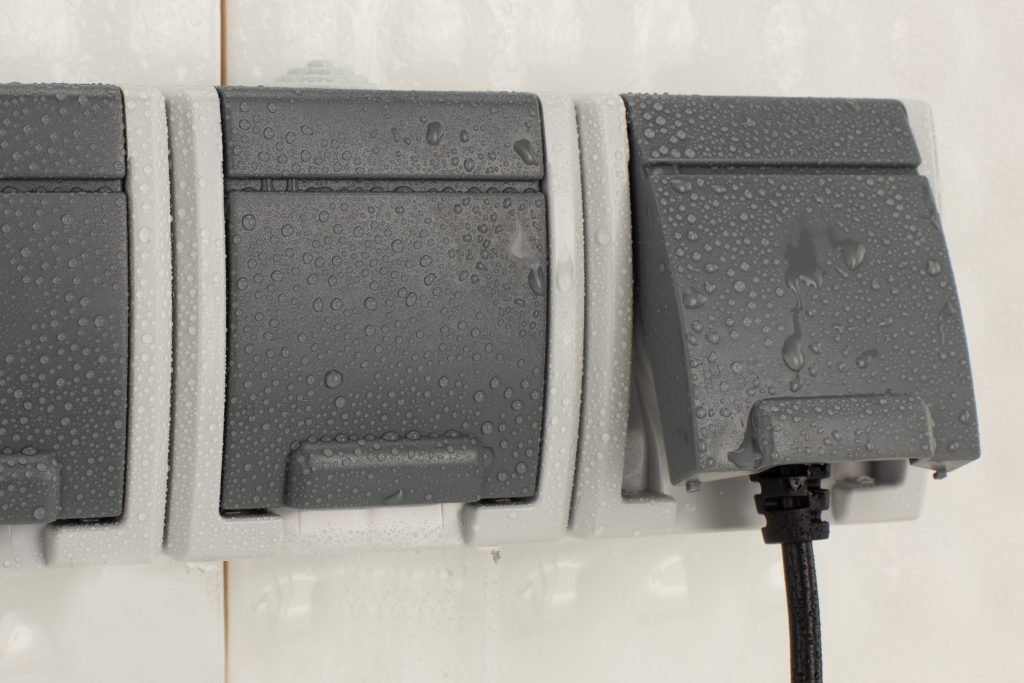
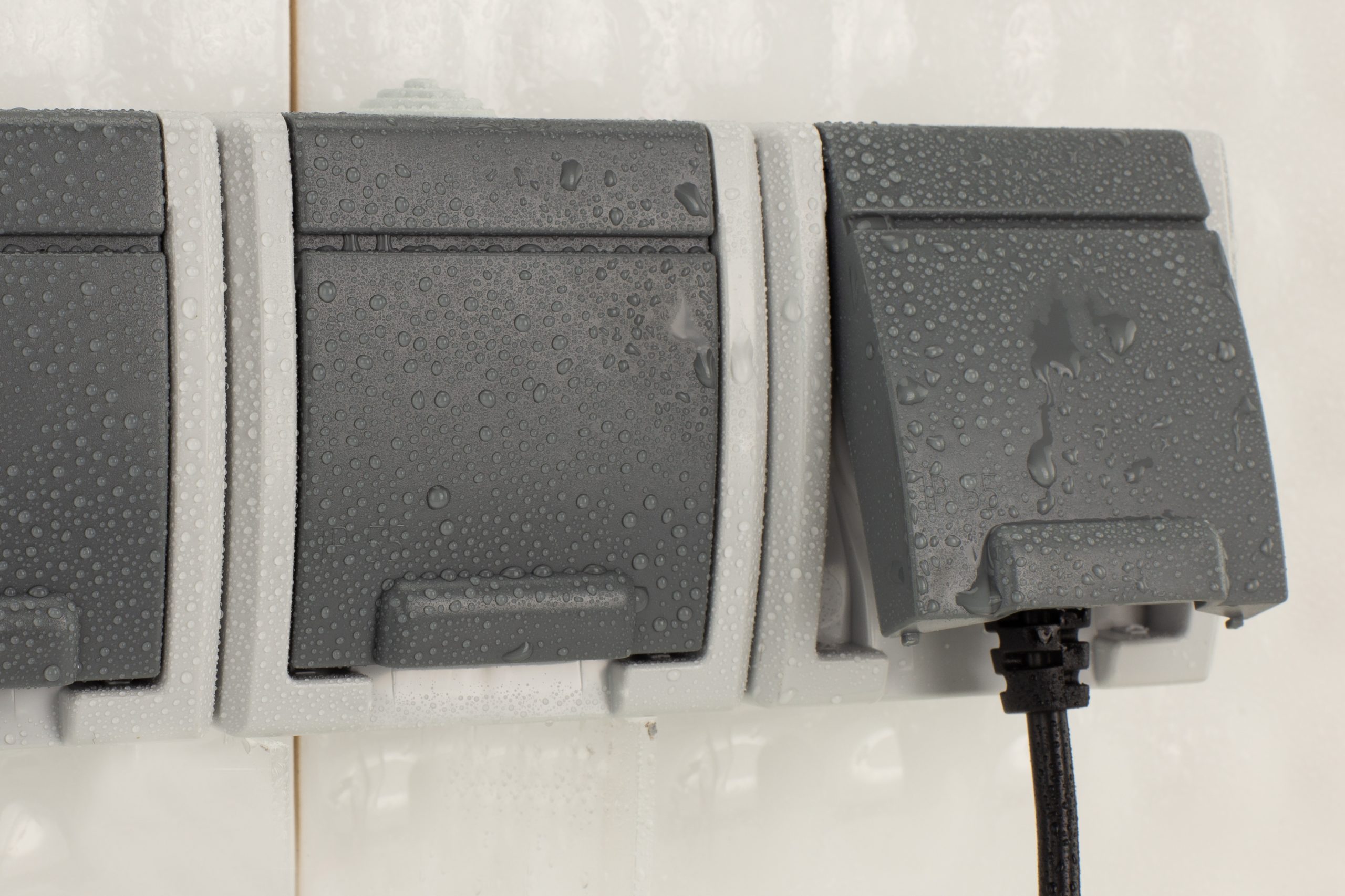
The functionality behind waterproof electrical outlets is more thoughtful than it might appear on the surface. Standard outlets leave their slots exposed when not in use, which creates a direct pathway for moisture, insects, and debris to enter. Waterproof outlets, on the other hand, incorporate sealed covers, gaskets, and sometimes spring-loaded flaps that close automatically when a plug is removed. Many outdoor-rated versions are designed as “in-use covers,” meaning they remain sealed even while a cord is plugged in. This is a detail that matters enormously for outdoor string lights, power tools, or any appliance that stays connected for extended periods. The internal components are also built to resist corrosion, adding another layer of durability that standard outlets simply do not offer.
Where Should Waterproof Electrical Outlets Be Installed?
Location is everything when it comes to moisture-resistant electrical work. The National Electrical Code has established guidelines that require weatherproof or tamper-resistant outlets in specific areas of the home. Knowing where these outlets belong is the first step toward keeping your home both safe and code-compliant.
- Outdoors on patios, decks, porches, and near pools or hot tubs
- In bathrooms, particularly within six feet of a sink or water source
- In kitchens, especially countertop receptacles near the sink
- In garages and unfinished basements where moisture levels fluctuate
- Near outdoor hose bibs or irrigation control panels
- In laundry rooms where washers and utility sinks create humidity
If your home was built before modern electrical codes were adopted, there is a reasonable chance some of these locations do not currently have the correct outlet type installed. That is worth checking.
The Key Advantages of Upgrading to Waterproof Electrical Outlets
Upgrading to waterproof outlets is one of those home improvements that does not get a lot of attention, but delivers real, measurable value. The most obvious benefit is safety. Water and electricity together create shock hazards and fire risks, both of which are dramatically reduced when proper moisture protection is in place. Beyond safety, waterproof outlets also help homeowners avoid costly repairs. A single moisture-related electrical failure can damage wiring, trip circuit breakers repeatedly, or require partial panel work. Preventing that scenario with a well-placed, properly sealed outlet is far more economical. There is also the insurance and resale angle to consider. Homes with updated, code-compliant electrical work are easier to insure and tend to hold stronger value during inspections and appraisals. It is a modest investment with broad downstream benefits.

Common Drawbacks and Limitations to Be Aware Of
No home improvement comes without trade-offs, and waterproof electrical outlets are no exception. The covers and gaskets that make these outlets moisture-resistant can also make them slightly more cumbersome to use, particularly when connecting larger plugs or adapters. Some homeowners find that in-use covers, while functional, are bulkier than standard outlet covers and can look a bit industrial in certain interior settings. Cost is another consideration. Weatherproof outlet components and covers tend to run higher than standard options, and if you are hiring a licensed electrician for the installation, labor costs add up quickly across multiple locations. Additionally, no outlet is entirely impervious to water under all conditions. A directly submerged outlet, for example, is not something any standard weatherproof cover is rated to handle. Understanding the limits of the product helps set realistic expectations.
GFCI vs. Waterproof Outlets: Understanding the Difference
This is a distinction that trips up a lot of homeowners. Ground Fault Circuit Interrupter outlets, better known as GFCI outlets, are designed to cut power instantly when they detect an imbalance in electrical current, which often indicates water or another conductive material has entered the circuit. GFCI protection is a critical safety feature, and it is required in many of the same locations where weatherproof covers are also required. The important nuance here is that GFCI and weatherproof are two separate attributes. An outlet can be GFCI-protected without being waterproof, and vice versa. In most wet or outdoor locations, you actually want both. A GFCI outlet installed behind a proper weatherproof in-use cover gives you dual-layer protection, which is exactly what code and common sense both recommend.
Installation Basics: What Homeowners Should Know Before Starting
Some outlet upgrades fall within the comfortable range of DIY projects for experienced homeowners. Swapping out an existing outlet for a weatherproof cover, for instance, is relatively straightforward if the wiring is already in place. However, adding a new outlet location, running new wiring, or working within the breaker panel is a different matter entirely. That type of work carries real risk and typically requires a licensed electrician in most jurisdictions. Permits may also be required depending on the scope of the work and local regulations. If you are unsure where your project falls on that spectrum, err on the side of caution and consult a professional. Electrical work done incorrectly does not just create immediate hazards. It can also create hidden problems that surface during home sales or insurance claims down the line.
How Home Warranties Relate to Electrical Systems and Outlet Repairs
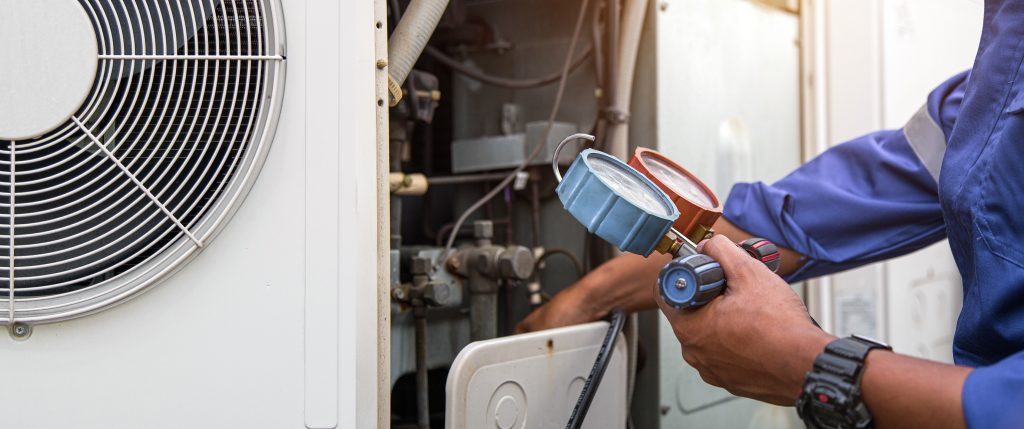
Here is where things get practical for homeowners thinking beyond just the outlet itself. Electrical systems are among the most expensive systems in a home to repair or replace, and they are also among the most commonly covered items in a quality home warranty plan. When a wiring issue, panel failure, or related electrical component breaks down due to normal wear and tear, a home warranty can step in to cover the repair or replacement costs. That kind of financial protection matters especially as homes age and their electrical systems become more susceptible to failure. Understanding what your warranty covers, and where the gaps might be, is an important part of responsible homeownership.
Practical Tips for Maintaining Waterproof Outlets Over Time
Installing waterproof outlets is only the beginning. Keeping them in good working condition requires a bit of ongoing attention, particularly for outdoor installations that face seasonal temperature swings, UV exposure, and physical wear.
- Inspect gaskets and seals annually for cracks, hardening, or visible deterioration
- Test GFCI outlets monthly by pressing the test and reset buttons to confirm they are functioning
- Clear debris, spider webs, and moisture buildup from cover plates regularly
- Replace covers that no longer close tightly or show signs of physical damage
- Ensure cords plugged into outdoor outlets are rated for outdoor use to prevent insulation breakdown
Routine maintenance on something as small as an outlet cover might feel like a low priority, but these small checks are part of what keeps a home’s electrical system running reliably for the long haul.
Why Armadillo Belongs in Your Home Protection Plan
Your home’s electrical system touches virtually every room, every appliance, and every moment of daily comfort. When something in that system fails, having a reliable home warranty in your corner makes a significant difference. Armadillo was built for homeowners who take their homes seriously and want straightforward, honest coverage without the runaround. If you have been investing in smart upgrades like waterproof electrical outlets and want to make sure your broader electrical system stays protected against unexpected failures, exploring home warranty coverage for electrical systems and home protection is a genuinely worthwhile next step. Armadillo offers plans designed to cover the systems and appliances that matter most, with transparent terms and responsive service when you actually need it. Ready to see what is available for your specific home? You can get a free home warranty quote for electrical and appliance coverage in just a few minutes. No pressure, no confusion, just clarity.

Frequently Asked Questions About Waterproof Electrical Outlets
What is the difference between a weatherproof outlet and a waterproof outlet?
Weatherproof outlets are rated to resist rain, humidity, and general moisture exposure when used correctly. The term waterproof implies a higher level of protection, but in residential applications, weatherproof and in-use rated covers are the standard and are sufficient for most outdoor and wet location installations.
Are waterproof outlets required by code in bathrooms?
The National Electrical Code requires GFCI protection in bathrooms, and weatherproof covers are typically required when outlets are near water sources. Local codes may vary, so it is always worth confirming requirements with a licensed electrician or local building authority.
Can I install a waterproof outlet cover myself?
Replacing a cover plate on an existing outlet is generally manageable for a confident DIYer. However, if the project involves adding new wiring, moving outlet locations, or working near the electrical panel, a licensed electrician should handle the work.
How long do weatherproof outlet covers last?
With proper maintenance, quality weatherproof outlet covers can last ten years or more. However, gaskets and seals can degrade faster in climates with extreme heat, cold, or UV exposure, so annual inspections are recommended.
Do waterproof outlets prevent electric shock?
Waterproof covers significantly reduce the risk of moisture-related shock by limiting water access to the outlet. For the highest level of shock protection in wet locations, waterproof covers should be used in combination with GFCI protection.
What does an in-use cover do differently than a standard outlet cover?
An in-use cover, sometimes called an extra-duty cover, maintains its sealed closure even when a cord is plugged into the outlet. Standard covers only provide protection when the outlet is not in use, leaving the connection point exposed during operation.
Does a home warranty cover waterproof outlet repairs?
Home warranty coverage varies by provider and plan. Many plans cover electrical system components including wiring and outlets. Reviewing the specific terms of your plan is the best way to understand what is and is not included for electrical repairs.
Are waterproof outlets required near pools or hot tubs?
Yes. The National Electrical Code has strict requirements for electrical installations near pools, hot tubs, and spas. Weatherproof and GFCI-rated outlets are mandatory in these areas, and specific distance requirements from water also apply.
What should I do if a waterproof outdoor outlet stops working?
Start by checking whether the outlet is GFCI-protected and if the GFCI has tripped. If resetting the GFCI does not restore power, check the circuit breaker. If neither resolves the issue, a licensed electrician should inspect the outlet and wiring before the outlet is used again.
How much does it cost to upgrade to waterproof electrical outlets?
The cost depends on the number of outlets, the complexity of the installation, and local labor rates. A single outlet swap with a cover upgrade may cost relatively little, while adding new weatherproof outlets in multiple outdoor locations can run several hundred dollars or more when professional installation is included.