What Does It Really Cost to Replace a Furnace and Central Air System?
Here is something most homeowners find out the hard way: HVAC systems do not send a warning before they fail. One day everything is fine, and the next you are staring at a repair estimate that makes your stomach drop. Replacing a furnace and central air system together is one of the most expensive home repairs you can face, and understanding what goes into that cost is genuinely useful information. Not just for budgeting, but for making smarter decisions about coverage, timing, and priorities. So let us walk through what this actually costs, what drives those numbers, and what you can do to protect yourself before the system decides it is done.
The Average Cost to Replace a Furnace
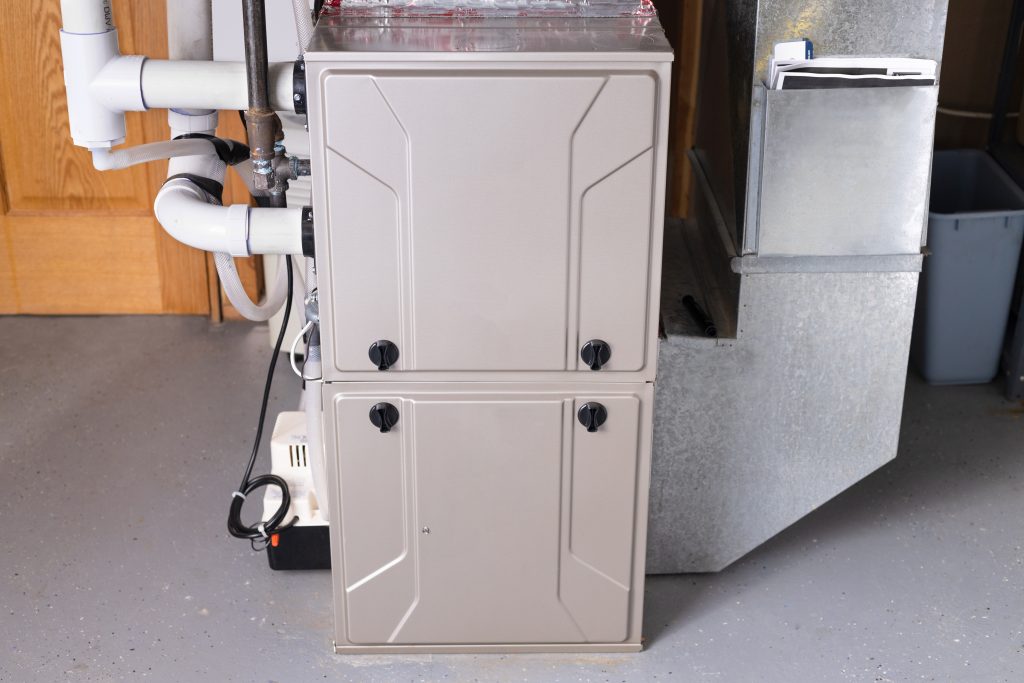
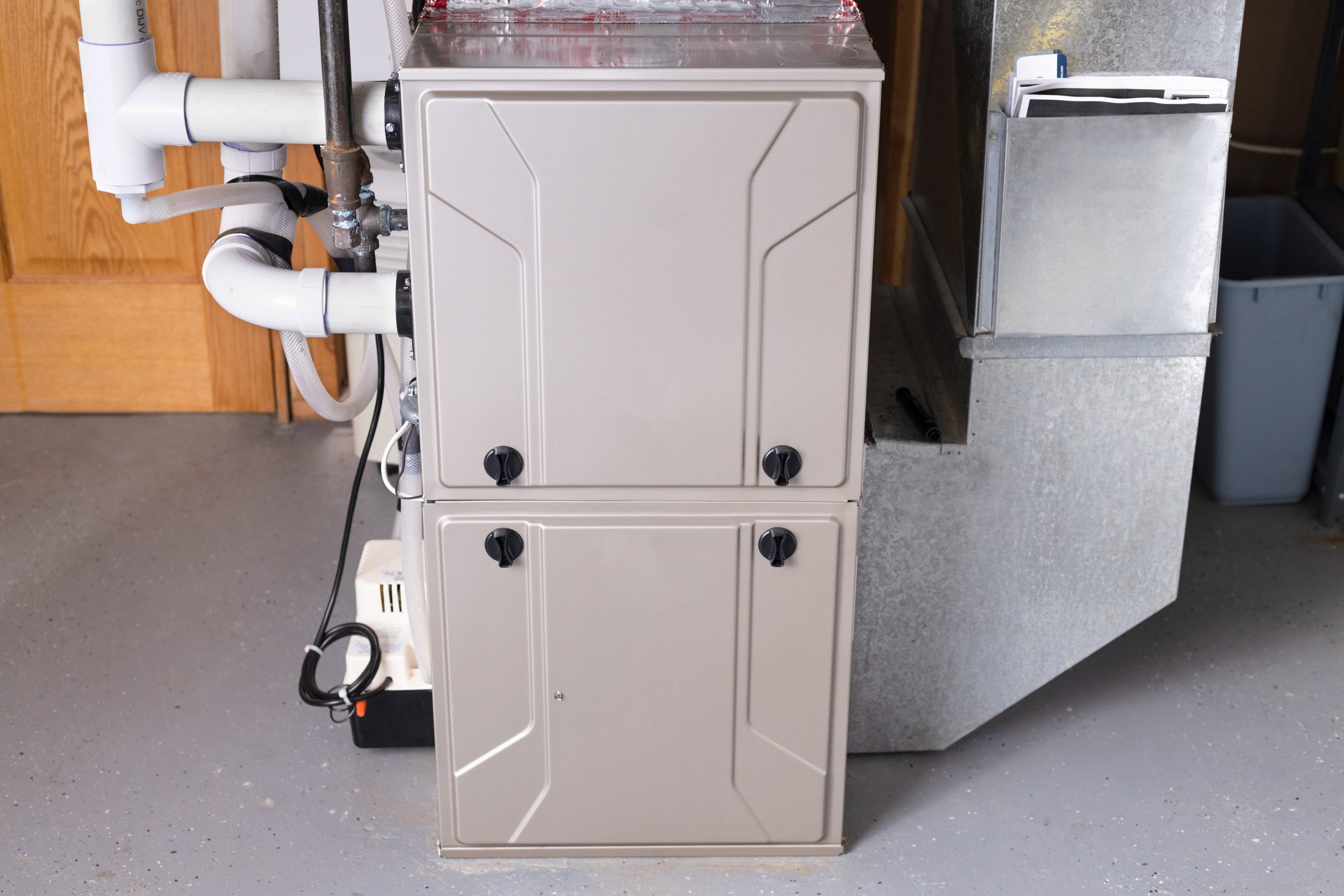
Furnace replacement costs vary depending on the type of system, the efficiency rating, the size of your home, and where you live. On average, homeowners pay somewhere between $2,800 and $6,500 for a new furnace, including installation. High-efficiency models, which carry AFUE ratings of 90 percent or above, tend to land on the higher end of that range. Single-stage furnaces are more affordable upfront, while two-stage and modulating furnaces offer better comfort and long-term efficiency but come at a premium. Labor is not a small factor here either. Installation alone can run anywhere from $500 to $2,000 depending on your region, the complexity of the job, and whether any ductwork modifications are needed.
The Average Cost to Replace Central Air Conditioning
Central air conditioning replacement follows a similar pricing pattern. A standard central AC unit replacement typically costs between $3,500 and $7,500, again depending on the size of the system measured in tons, the SEER efficiency rating, and local labor rates. Higher SEER ratings, which indicate better energy efficiency, cost more upfront but can reduce monthly utility bills over time. If your home uses a split system, the cost includes both the outdoor condenser unit and the indoor air handler or evaporator coil. If those components need to be replaced separately or do not match correctly, costs can climb further. Matching system components matters more than most people realize, and mismatched units can reduce efficiency and shorten equipment lifespan.

Replacing Both at the Same Time: Does It Make Financial Sense?
This is where a lot of homeowners get tripped up. If your furnace is aging and your AC is around the same age, replacing both at the same time can actually save money compared to replacing them separately over a few years. Many HVAC contractors offer package pricing for combined installations, and you only pay for labor, permits, and system setup once. The bundled cost for a full HVAC system replacement, furnace and central air together, typically falls between $7,000 and $14,000. That is a wide range, and the final number depends on system size, brand, efficiency tier, and regional labor rates. In some markets, particularly in the South and Southeast, costs tend to be higher due to demand and regional climate expectations.
Key Factors That Influence Total Replacement Cost
Several variables push costs up or pull them down. Understanding these factors helps you have a more informed conversation with any HVAC contractor you bring in for a quote.
- System size: Larger homes require higher-capacity units, which cost more to purchase and install
- Efficiency ratings: Higher AFUE for furnaces and higher SEER for AC units carry premium price tags
- Brand and equipment tier: Entry-level brands cost less upfront, while premium brands often come with better warranties and longer lifespans
- Ductwork condition: If your existing ducts are damaged, undersized, or improperly sealed, you may be looking at additional duct repair or replacement costs
- Permit requirements: Most municipalities require permits for HVAC replacements, which add modest fees but also ensure the work is inspected and up to code
- Geographic location: Labor costs vary significantly across regions, with urban markets often charging more than rural areas
Signs Your Furnace or AC System May Be Reaching End of Life
Most furnaces last between 15 and 20 years. Central air conditioning units typically have a lifespan of 12 to 17 years. If your systems are approaching or past those thresholds, replacement is likely closer than you might want to admit. Frequent repair calls are one of the clearest signals. When you are spending several hundred dollars per year on repairs for a system that is already aging, the math starts to favor replacement. Other warning signs include inconsistent heating or cooling throughout the home, unusual sounds like banging, rattling, or screeching, rising utility bills that do not correspond to changes in usage, and visible signs of deterioration like rust, cracks, or excessive dust near vents and registers.
What Home Warranties Cover When It Comes to HVAC
This is where the conversation gets practical. A home warranty is a service contract that covers the repair or replacement of home systems and appliances when they break down due to normal wear and use. Most comprehensive home warranty plans include coverage for both heating and cooling systems. That typically means the furnace, the central air conditioning unit, and associated components like thermostats, electrical connections, and refrigerant recharging. Coverage limits vary by provider, but quality plans will contribute meaningfully toward the cost of repair or replacement, turning a potential five-figure surprise into a manageable service call.
Common Limitations to Understand Before You Buy
Not all home warranty coverage is created equal, and it is worth reading the fine print before committing to a plan. A few things to watch for include:
- Coverage caps: Some plans cap HVAC repair or replacement payouts well below actual replacement costs, leaving homeowners responsible for a significant portion
- Pre-existing conditions: Most plans do not cover systems that were already broken or improperly maintained before the policy started
- Improper installation exclusions: If a system was not installed correctly, some providers may deny coverage related to that installation
- Maintenance requirements: Many plans require documentation of routine maintenance to validate claims, so keeping records of tune-ups and filter changes matters
How to Budget Smart for HVAC System Replacement
If your system is aging, the smartest thing you can do is plan ahead rather than react in a crisis. Start by getting a professional assessment of your current system’s condition. Many HVAC companies offer diagnostic visits that give you a realistic picture of how much life is left. From there, begin setting aside a dedicated maintenance reserve. Financial advisors often suggest homeowners budget one to three percent of their home’s value annually for maintenance and repairs. For a $350,000 home, that is $3,500 to $10,500 per year across all systems. Pairing that reserve with an active home warranty creates a layered approach to financial protection that does not leave you scrambling when the system finally gives out.
Why Armadillo Is Worth Considering for HVAC Coverage
When your furnace stops mid-January or your AC gives up in August, the last thing you want is a warranty company that makes you jump through hoops just to get help. Armadillo was built around the idea that home protection should feel simple, transparent, and actually useful. As a trusted home warranty provider for furnace and central air system coverage, Armadillo offers plans designed to address the real costs homeowners face, not just provide surface-level protection with hidden exclusions. Coverage for heating and cooling systems is central to what Armadillo does, and the plans are built to be straightforward from day one. If you are ready to stop guessing what a major HVAC failure might cost you out of pocket, you can get a free home warranty quote for your furnace and AC system in just a few minutes and see exactly what coverage looks like for your home.

Frequently Asked Questions About Furnace and Central Air Replacement Costs
Real questions homeowners ask, answered directly and without the runaround.
How much does it cost to replace a furnace and central air together?
Replacing both a furnace and central air system at the same time typically costs between $7,000 and $14,000, depending on system size, efficiency ratings, brand, and regional labor rates. Bundled installation can reduce overall costs compared to replacing each unit separately.
How long does a furnace last before it needs to be replaced?
Most furnaces last between 15 and 20 years with proper maintenance. Systems that have been well-maintained and regularly serviced tend to reach the higher end of that range. Aging furnaces that require frequent repairs are often more cost-effective to replace than continue repairing.
How long does a central air conditioning unit last?
Central air conditioning units typically last between 12 and 17 years. Factors like climate, usage frequency, maintenance history, and equipment quality all influence lifespan. Units in hot climates that run for longer seasonal periods often wear out closer to the lower end of that range.
Is it better to repair or replace an old furnace?
A common guideline is to multiply the repair cost by the age of the unit. If that number exceeds the cost of a new system, replacement is generally the better financial decision. If your furnace is over 15 years old and facing a repair that costs more than half the price of a new unit, replacement is usually the smarter move.
Does a home warranty cover furnace and AC replacement?
Most comprehensive home warranty plans include coverage for heating and cooling systems. This typically covers repair and, in many cases, replacement when a covered breakdown occurs due to normal wear and use. Coverage limits, exclusions, and payout caps vary by provider, so reviewing plan details is essential.
What is the most expensive part of replacing an HVAC system?
The equipment itself tends to be the largest portion of the total cost, particularly for high-efficiency systems or larger-capacity units. However, installation labor, ductwork modifications, and permitting fees can add significantly to the overall project cost, sometimes accounting for 20 to 40 percent of the total.
Can I replace just the AC unit without replacing the furnace?
Yes, but there are considerations. If your furnace is newer and in good condition, replacing only the AC unit can make sense. However, if the systems are similar in age or if replacing one without the other creates a compatibility mismatch, replacing both at the same time is often more cost-effective and better for system performance.
What SEER rating should I look for in a new central air unit?
The minimum SEER rating required by federal standards varies by region, but a SEER rating of 16 or higher is generally considered a good balance between upfront cost and long-term energy savings. Higher SEER ratings offer greater efficiency but come with higher purchase prices, so the payback period depends on your local utility rates and how frequently the system runs.
How can a home warranty help with HVAC replacement costs?
A home warranty can significantly reduce or eliminate out-of-pocket costs when a covered furnace or AC system fails. Instead of paying the full replacement cost, you pay a service call fee and the warranty provider covers eligible repair or replacement expenses up to the plan’s coverage limits. This converts an unpredictable major expense into a manageable, budgeted cost.
What maintenance should I do to extend the life of my furnace and AC?
Replacing air filters every one to three months, scheduling annual professional tune-ups for both heating and cooling systems, keeping outdoor condenser units clear of debris, and ensuring vents are unobstructed are all foundational maintenance steps. Keeping records of this maintenance is also important for home warranty coverage eligibility.