Why Your Garage Keypad Stopped Working and What to Do About It
It happens at the worst possible moment. You pull into the driveway after a long day, punch in your code, and nothing. The garage door sits there, completely unresponsive. Before you assume something major is wrong with your garage door opener system, there is a very good chance the fix is simpler than you think. Garage keypad battery replacement is one of the most overlooked maintenance tasks in a home, and yet it causes a surprising amount of confusion and frustration for homeowners every single year. This guide is going to walk you through everything you need to know, from how the keypad actually works to when a dead battery becomes a symptom of something bigger.
How a Garage Door Keypad Works
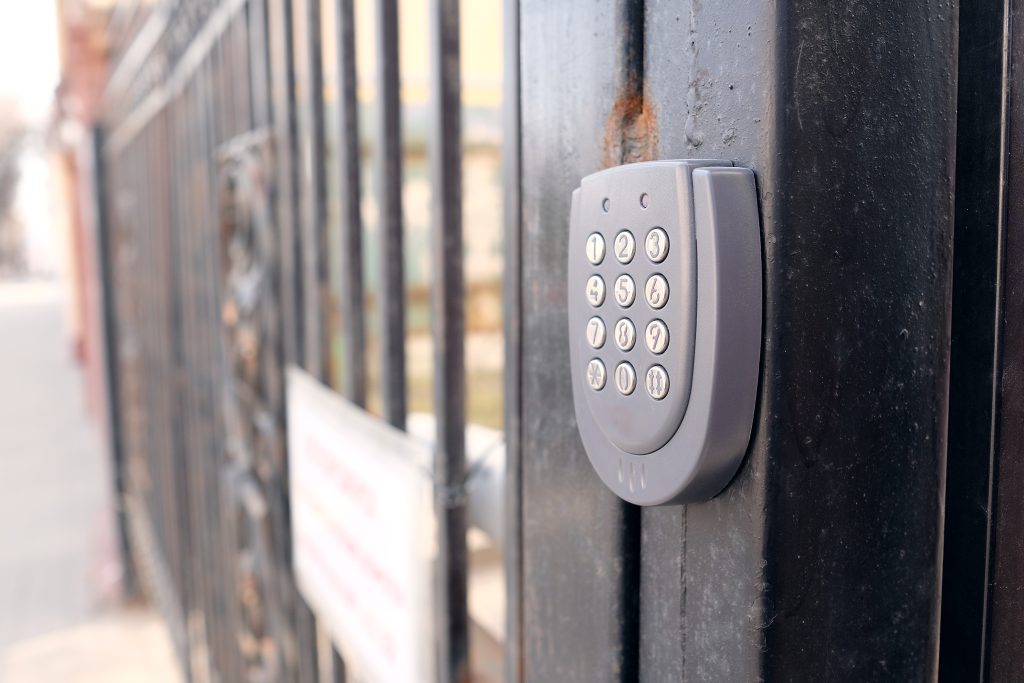
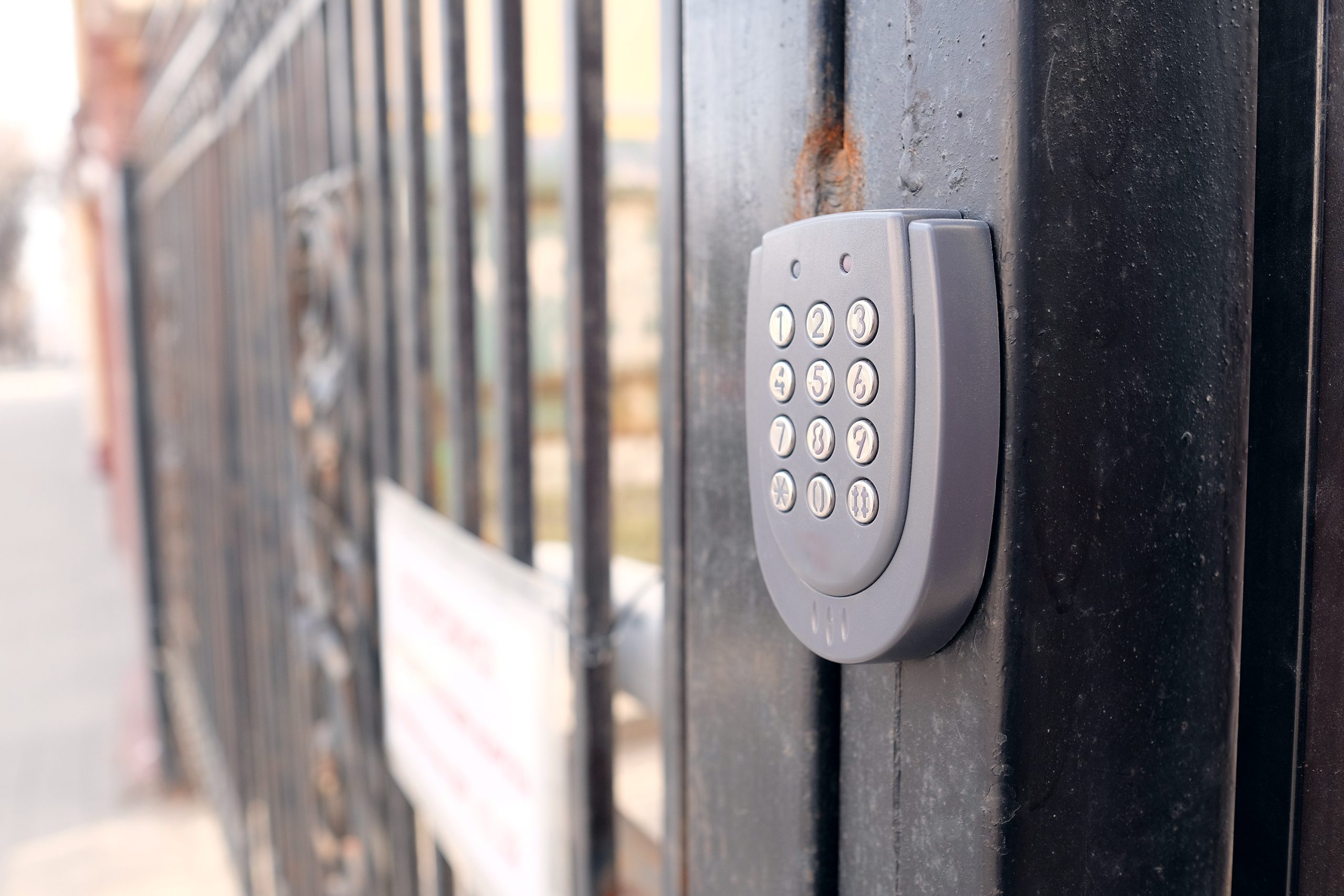
A garage door keypad is a wireless entry device mounted outside your garage, typically near the door. When you enter the correct PIN, it sends a radio frequency signal to the garage door opener unit mounted on the ceiling inside. That opener then activates the motor, which lifts or lowers the door. The keypad runs on battery power, which is what allows it to function without any wired connection to your home’s electrical system. Most keypads use either a 9-volt battery or two AA batteries, though the specific type depends on the manufacturer and model. The battery powers the keypad’s internal circuit board, its backlight if it has one, and the wireless transmitter that talks to the opener. When that battery drains, the signal weakens and eventually stops altogether.
Signs Your Garage Keypad Battery Needs Replacing
Recognizing the early warning signs can save you a lot of hassle. A keypad that is low on battery does not always just stop working cold. It tends to give you a few signals first.
- The keypad backlight appears dim or flickers when you press buttons
- You have to press buttons harder or multiple times to get a response
- The door opens inconsistently, sometimes responding and sometimes not
- The keypad works only when you are standing very close to the opener unit
- There is a visible indicator light on the keypad showing low battery status
If you notice any of these behaviors, the battery is almost certainly the culprit. It is worth replacing it before assuming the opener itself has a problem.
Step-by-Step Guide to Replacing Your Garage Keypad Battery
The process is genuinely straightforward and takes less than five minutes once you have the right battery on hand. Start by locating the battery compartment on your keypad. On most models, this is on the back of the unit or accessible by sliding off a small panel on the front. Some keypads require a flathead screwdriver to pop the cover open, while others have a simple thumb latch. Remove the old battery and take note of its type. Purchase the correct replacement, which is usually either a 9-volt or two AA batteries depending on your model. Insert the new battery, making sure the polarity is aligned correctly, and close the compartment. Test the keypad by entering your PIN. If the door responds normally, you are done. If it still does not respond, you may need to reprogram the keypad to the opener, which typically involves holding a learn button on the opener unit while entering your code.
How Often Should You Replace the Battery
Most garage keypad batteries last somewhere between one and two years under normal use conditions. That said, extreme temperatures can shorten battery life significantly. If your garage is not climate-controlled and you live somewhere with very cold winters or very hot summers, plan on checking the battery annually. A good habit is to replace it every fall before winter sets in. Keeping a spare battery stored inside your garage means you are never caught without one when you need it most.

Advantages of a Well-Maintained Garage Keypad System
Keeping up with basic keypad maintenance, including battery replacement, offers real benefits that go beyond just convenience. A functioning keypad provides secure, code-based access to your garage without needing a physical key or remote. That means no fumbling for a clicker while carrying groceries, no worrying about lost remotes granting unauthorized access, and the ability to give temporary codes to family members or service providers. Modern keypads are also relatively inexpensive to maintain. Batteries cost just a few dollars, and the keypads themselves are generally durable units built to withstand outdoor conditions for years.
Common Problems That Go Beyond a Dead Battery
If you have replaced the battery and your keypad still refuses to cooperate, the issue might run deeper. Keypad buttons can wear out over time, especially with heavy daily use. The internal contacts behind the buttons corrode or lose conductivity, which means pressing them produces no signal at all. Water intrusion is another common issue, particularly if the weatherproof seal around the keypad has deteriorated. Moisture inside the unit can cause shorts or corrosion on the circuit board. In colder climates, ice or condensation can temporarily disable the unit. If reprogramming does not resolve the issue after a battery swap, the keypad itself likely needs to be replaced. Fortunately, replacement keypads are widely available and typically compatible with most major opener brands.
When the Garage Door Opener Is the Real Problem
Sometimes the keypad works perfectly fine, but the garage door opener itself is failing. If your keypad lights up, your remote also fails to work, and you can hear the opener clicking but the door does not move, the motor or drive system may be the issue. Garage door openers have a typical lifespan of ten to fifteen years. Components like the drive belt, chain, or motor can wear down over time. A home warranty can be particularly valuable in this scenario because opener repair and replacement costs can range from a couple hundred dollars to over five hundred dollars depending on the unit and the labor involved.
Proactive Maintenance Tips for Your Garage Door System
The keypad battery is just one piece of a larger system worth keeping in good shape. A little consistent attention goes a long way.
- Lubricate the door’s moving parts, including hinges, rollers, and the drive chain or belt, once or twice a year
- Test the auto-reverse safety feature monthly by placing a small object under the door
- Inspect the weatherstripping along the bottom and sides of the door annually
- Check the alignment of the safety sensors near the floor of the door opening
- Replace keypad batteries every twelve months regardless of whether issues are present
How a Home Warranty Protects You When Maintenance Is Not Enough
Routine tasks like garage keypad battery replacement are easy and inexpensive to handle on your own. But the moment a component fails unexpectedly, the costs can escalate fast. Garage door openers, motors, and associated systems are precisely the kind of home equipment that home warranty plans are designed to cover. Armadillo home warranty plans for garage door openers and home systems are built with real homeowners in mind, offering straightforward coverage without the confusing exclusions and fine print that make other warranties frustrating. When your opener motor burns out or a component fails outside of normal wear, you want a plan that actually shows up. Get a free home warranty quote to protect your garage door opener and other essential home systems and find out exactly what coverage looks like for your home. Armadillo keeps things simple, honest, and genuinely useful, which is exactly what homeowners deserve.

Frequently Asked Questions About Garage Keypad Battery Replacement
Answers to the most common questions homeowners have about garage keypad batteries, maintenance, and related coverage.
What type of battery does a garage door keypad use?
Most garage door keypads use either a 9-volt battery or two AA batteries. The specific type depends on the manufacturer and model of your keypad. Check the back of the unit or consult your owner’s manual to confirm the correct battery before purchasing a replacement.
How do I know if my garage keypad battery is dead?
Common signs include a dim or unresponsive backlight, buttons that require multiple presses to register, inconsistent door operation, and reduced range. Some keypads also have a low battery indicator light that activates when power is running low.
How long do garage keypad batteries typically last?
Under normal conditions, garage keypad batteries last between one and two years. Extreme temperatures, especially cold winters, can shorten battery life. Annual replacement is a reliable preventive habit for most homeowners.
Do I need to reprogram my keypad after replacing the battery?
In most cases, no. The programmed PIN is stored in the keypad’s memory and is not erased when the battery is replaced. However, if the keypad becomes unresponsive after a battery swap, reprogramming it to the opener is a straightforward troubleshooting step.
Can I replace a garage keypad myself or do I need a technician?
Battery replacement is a simple DIY task that requires no special tools or technical knowledge. Keypad reprogramming is also manageable for most homeowners. However, if the keypad itself needs to be replaced or the opener requires repair, a technician may be appropriate.
Why does my new battery still not fix the keypad problem?
If replacing the battery does not restore keypad function, the issue may be a worn keypad, corroded internal contacts, water damage, or a need for reprogramming. If reprogramming does not help, the keypad unit itself likely needs to be replaced.
Is a garage door keypad covered under a home warranty?
Coverage varies by provider and plan. Many home warranty plans cover the garage door opener motor and mechanical components. Some plans extend to keypads and remotes. It is important to review your specific plan terms to understand what is and is not included.
How much does it cost to replace a garage door keypad?
A replacement keypad typically costs between twenty and sixty dollars depending on the brand and whether it is a universal or brand-specific model. If professional installation is needed, labor adds to that cost. Battery replacement, by comparison, costs just a few dollars.
What happens if my garage door opener fails completely?
If the opener motor or drive system fails, the door can usually still be operated manually using the emergency release cord. Full opener replacement typically costs between two hundred and five hundred dollars or more depending on the unit. A home warranty plan may cover this cost depending on the terms of your coverage.
How can I extend the life of my garage keypad and opener?
Replace keypad batteries annually, keep the keypad clean and dry, inspect the weatherproof seal periodically, and follow a regular maintenance schedule for the full garage door system including lubrication of moving parts and sensor alignment checks.