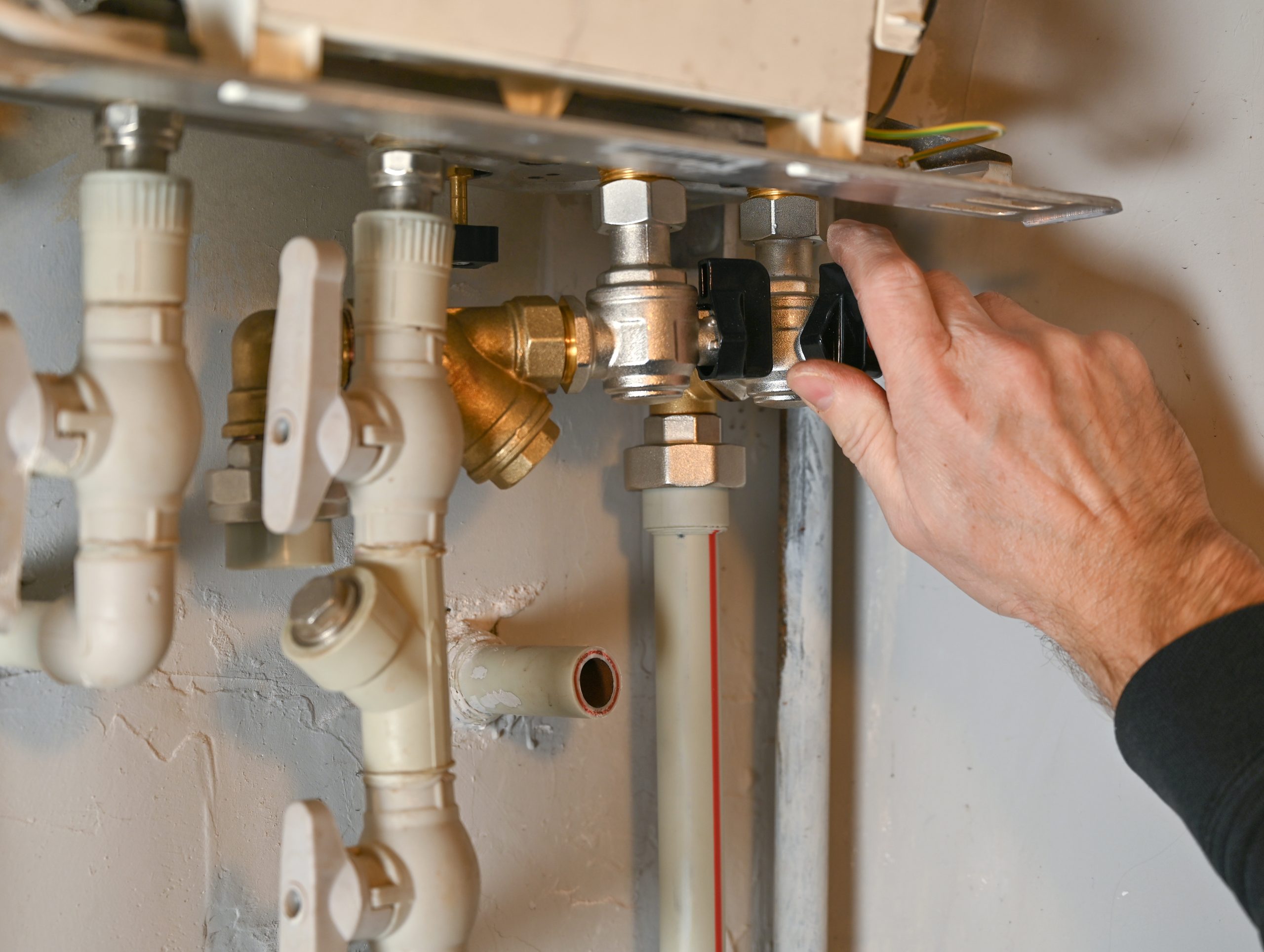
Why Does My Water Heater Keep Going Out? A Homeowner’s Guide to Understanding the Problem
There is nothing quite like stepping into what you expect to be a warm shower only to be hit with ice-cold water. If your water heater keeps going out, you are not alone, and you are probably wondering what is actually happening inside that tank. The good news is that this is one of those home issues that usually has a clear cause once you know what to look for. The not-so-great news is that ignoring it rarely makes it better. This guide breaks down why water heaters fail, what the most common culprits are, and how a home warranty can save you from absorbing that repair bill entirely on your own.
How a Water Heater Actually Works
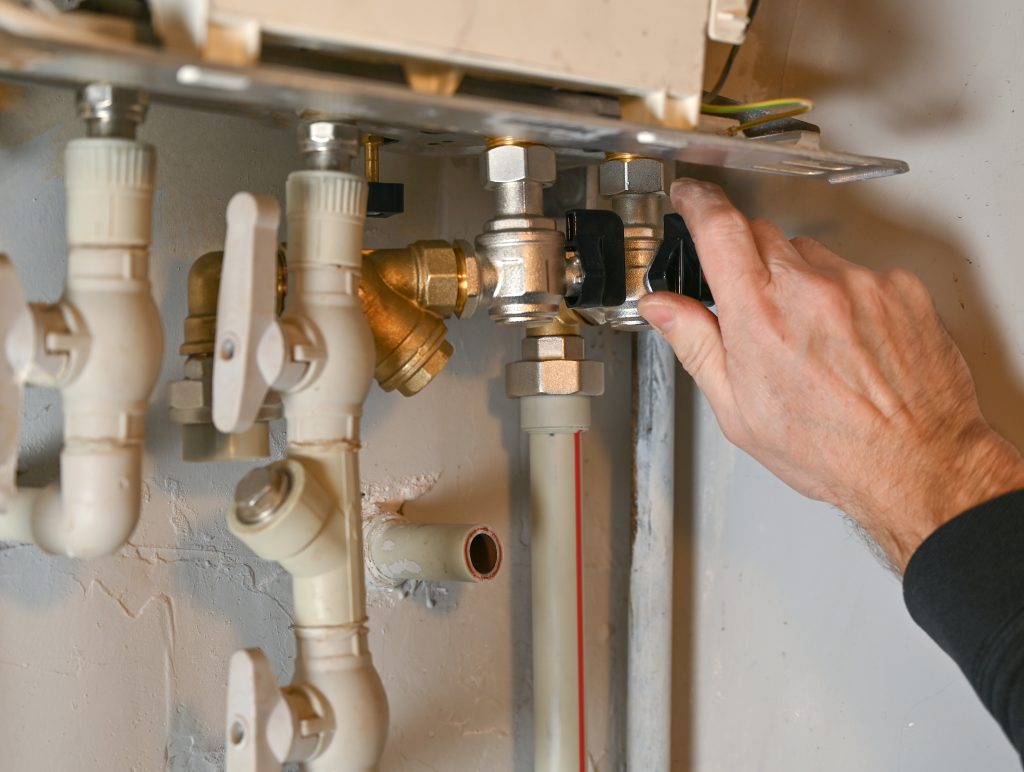
Before diving into what goes wrong, it helps to understand what is supposed to go right. A traditional tank water heater works by drawing in cold water, heating it via a gas burner or electric heating elements, and storing that heated water until you need it. Gas models rely on a pilot light and a component called a thermocouple to keep the flame going. Electric models use one or two heating elements submerged in the tank. Both types depend on a thermostat to regulate water temperature and a pressure relief valve to keep things safe. When any one of these components fails, the whole system suffers. That is usually the moment things start to feel very cold, very fast.
The Most Common Reasons Your Water Heater Keeps Going Out
There are several repeat offenders when it comes to water heaters that will not stay on or keep losing heat. The issue is not always dramatic. Sometimes it is a small, worn-out part doing a lot of quiet damage over time.
- A faulty thermocouple that cannot detect the pilot flame and shuts off gas supply as a safety measure
- A dirty or clogged pilot light orifice preventing consistent ignition
- Sediment buildup at the bottom of the tank reducing heating efficiency
- A failing thermostat that misreads water temperature
- A tripped reset button on an electric water heater indicating an overheating event
- A gas supply issue or a draft that keeps blowing out the pilot light
The thermocouple issue is probably the most frequent cause. It is a small sensor that sits near the pilot flame and tells the gas valve that the flame is lit. When it wears out, it sends the wrong signal, and the system shuts down. Replacing it is usually straightforward and relatively affordable, but it does require the right knowledge and tools to do safely.
Sediment Buildup: The Slow and Silent Culprit
Hard water is a reality in many parts of the country, and over time, minerals like calcium and magnesium settle at the bottom of your water heater tank. This layer of sediment insulates the water from the heat source, forcing the unit to work harder and longer to reach the right temperature. You might notice a popping or rumbling sound coming from your tank. That is not a ghost. That is superheated water bubbling up through sediment. Left unchecked, this buildup can damage the tank lining, cause overheating, and eventually lead to complete unit failure. Flushing the tank once a year is a simple maintenance task that can extend the life of your water heater by several years.

Electric vs. Gas Water Heaters: Different Problems, Same Frustration
Gas and electric water heaters share some failure points but also have their own unique vulnerabilities. Gas models are more susceptible to pilot light and thermocouple issues, as well as venting problems that can cause the flame to extinguish. Electric models tend to fail at the heating elements, which can burn out over time, especially when sediment forces them to stay on longer than intended. Both types can experience thermostat failure, pressure relief valve issues, and general wear from years of constant operation. Knowing which type you have is the first step in diagnosing what is wrong, since the repair process is completely different between the two.
Key Signs Your Water Heater Needs Attention Now
Some water heater problems announce themselves immediately. Others sneak up on you gradually until one morning everything stops working. Knowing the warning signs can help you act before a minor issue turns into a full replacement.
- Inconsistent hot water or water that runs warm but not hot
- Visible rust or corrosion around the tank or on the water itself
- A persistent sulfur or rotten egg smell coming from hot water
- Unusual sounds like banging, popping, or hissing from the unit
- Water pooling around the base of the tank indicating a slow leak
- The pilot light going out repeatedly after relighting
Any one of these signs warrants a closer look. Multiple signs happening together usually mean a repair call cannot wait much longer.
When to Repair and When to Replace Your Water Heater
This is the question most homeowners wrestle with when their water heater starts acting up. The general rule of thumb in the industry is this: if the unit is under ten years old and the repair cost is less than half the cost of a new unit, repairing makes sense. If the unit is pushing past the ten to twelve year mark and repairs are stacking up, replacement is almost always the smarter financial move. A new water heater is not just a fix, it is an upgrade in energy efficiency, reliability, and peace of mind. Tankless water heaters, for instance, heat water on demand and have a significantly longer lifespan than traditional tank models, often lasting twenty or more years with proper maintenance.
The Role of Home Warranties in Water Heater Coverage
Here is where things get practical. Unexpected appliance and system failures are one of the most financially painful parts of homeownership. A water heater repair can run anywhere from a couple hundred dollars for a thermocouple replacement to well over a thousand dollars for heating element work or a full unit replacement. A home warranty is designed to reduce that financial exposure by covering the repair or replacement cost of covered systems and appliances when they fail due to normal wear and tear. Not all home warranties are created equal, so understanding what is specifically covered, including parts, labor, and replacement, matters a great deal when you are standing in a cold shower at seven in the morning.
Maintenance Tips to Keep Your Water Heater Running Longer
Prevention is always less expensive than repair. A few consistent habits can meaningfully extend the lifespan of your water heater and reduce the likelihood of it going out unexpectedly. First, flush the tank annually to remove sediment. Second, test the pressure relief valve once a year to make sure it is functioning properly. Third, inspect the anode rod every two to three years and replace it when it is significantly corroded. This rod is essentially a sacrificial component that attracts corrosive elements in the water, protecting the tank itself. Fourth, keep the area around the water heater clear and make sure gas models are properly vented. Small habits, done consistently, add up to a longer-lasting, more efficient unit.
Why Armadillo Is the Right Home Warranty Partner for Water Heater Protection
Water heater failures rarely come with advance notice, and the cost of fixing or replacing one can catch any homeowner off guard. That is exactly why having the right home warranty coverage in place matters so much. Armadillo home warranty plans built for water heater and home system protection are designed to be straightforward, honest, and actually useful when something breaks. No confusing fine print, no runaround when you file a claim. Armadillo covers the real, everyday failures that homeowners face, including the kind of water heater issues covered in this article. If you want to stop absorbing the full cost of unexpected repairs on your own, it is worth taking a few minutes to get a free water heater home warranty quote and protect your home today. Coverage that works when you need it most is not a luxury. For most homeowners, it is just smart planning.

Frequently Asked Questions About Water Heaters Going Out
These are the questions homeowners ask most often when their water heater stops working, along with direct, practical answers to help you move forward with confidence.
Why does my water heater pilot light keep going out?
The most common cause is a faulty thermocouple that can no longer accurately detect the pilot flame and signals the gas valve to shut off. A dirty pilot orifice or a draft near the unit can also extinguish the flame repeatedly.
How long does a water heater typically last?
Traditional tank water heaters generally last between eight and twelve years. Tankless models can last twenty years or longer with proper maintenance. Age combined with repeated repair needs is usually the clearest signal it is time to replace the unit.
Can I relight the pilot light myself?
Yes, in most cases. Most gas water heaters have printed relighting instructions on the unit itself. However, if the pilot light goes out repeatedly after relighting, the underlying cause needs professional diagnosis rather than continued relighting attempts.
What causes a water heater to run out of hot water quickly?
This is often caused by a failing lower heating element in electric models, significant sediment buildup reducing effective tank capacity, a miscalibrated thermostat, or a tank that is simply undersized for the household’s demand.
Is a water heater making noise a serious problem?
Banging, popping, or rumbling sounds typically indicate sediment buildup at the bottom of the tank. While not immediately dangerous, it signals reduced efficiency and accelerated wear that should be addressed through a tank flush or professional service.
Does a home warranty cover water heater replacement?
Many home warranty plans cover water heater repair and replacement when the failure is caused by normal wear and tear. Coverage details vary by provider and plan, so reviewing what is specifically included before a failure occurs is always the right move.
How much does it cost to repair a water heater?
Repair costs vary widely depending on the component. A thermocouple replacement might cost one hundred to two hundred dollars, while heating element replacement or thermostat repairs can run three hundred to five hundred dollars or more. Full replacement typically ranges from eight hundred to over two thousand dollars depending on the unit type and installation requirements.
What is a water heater anode rod and why does it matter?
An anode rod is a metal rod inside the tank, usually made of magnesium or aluminum, that corrodes in place of the tank lining. It is a critical protective component, and when it is fully depleted, the tank itself begins to corrode from the inside, shortening its lifespan significantly.
Should I flush my water heater every year?
Yes. Annual flushing removes sediment that accumulates at the bottom of the tank, improves heating efficiency, reduces strain on the unit, and helps extend the overall lifespan of the water heater. It is one of the highest-return maintenance tasks a homeowner can perform.
When is it time to replace a water heater rather than repair it?
If the unit is ten or more years old, has needed multiple repairs in recent years, is showing signs of rust or tank corrosion, or if the repair cost exceeds half the cost of a new unit, replacement is almost always the more financially sound decision.