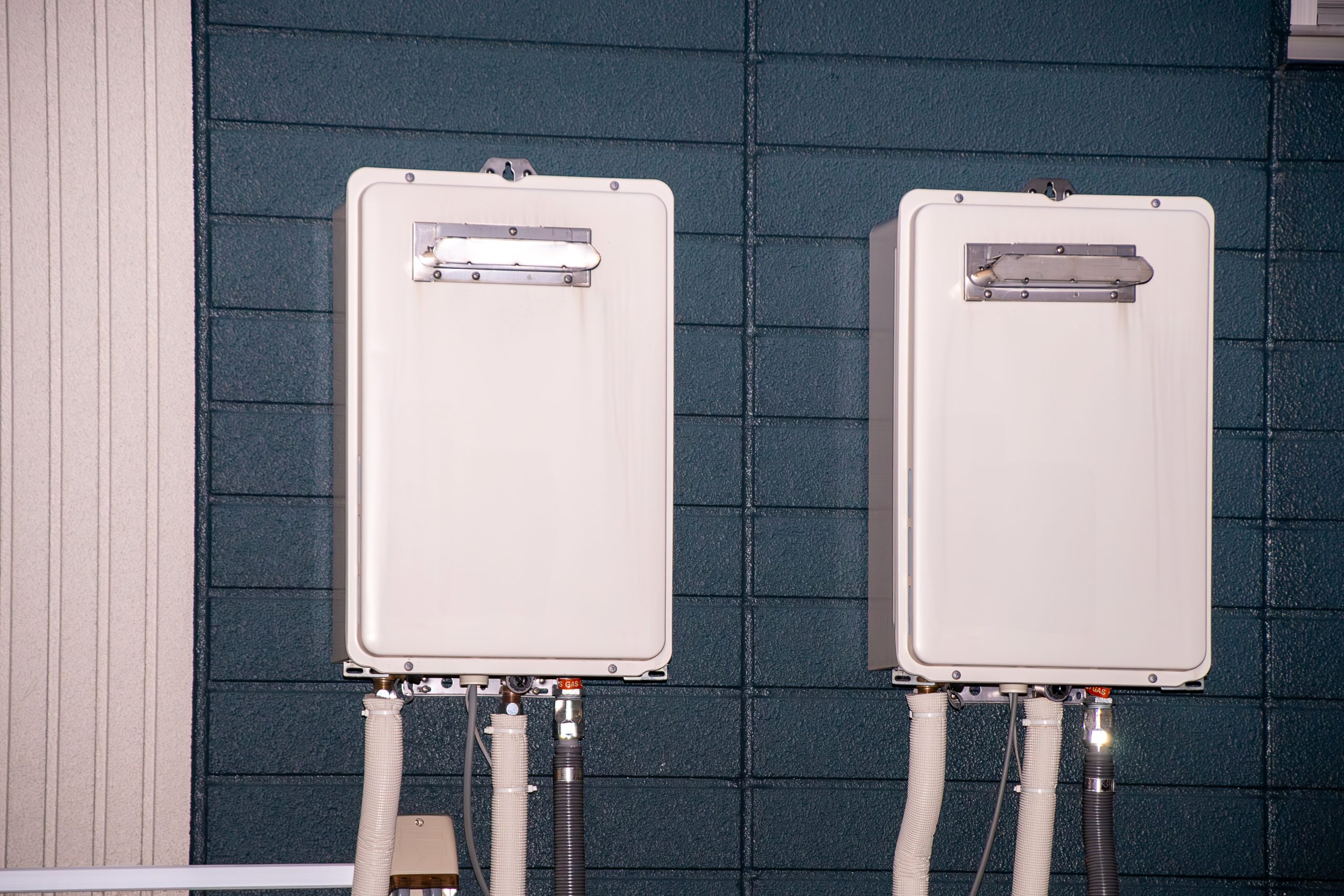
What Is a Gas Tankless Water Heater and Why Are Homeowners Switching
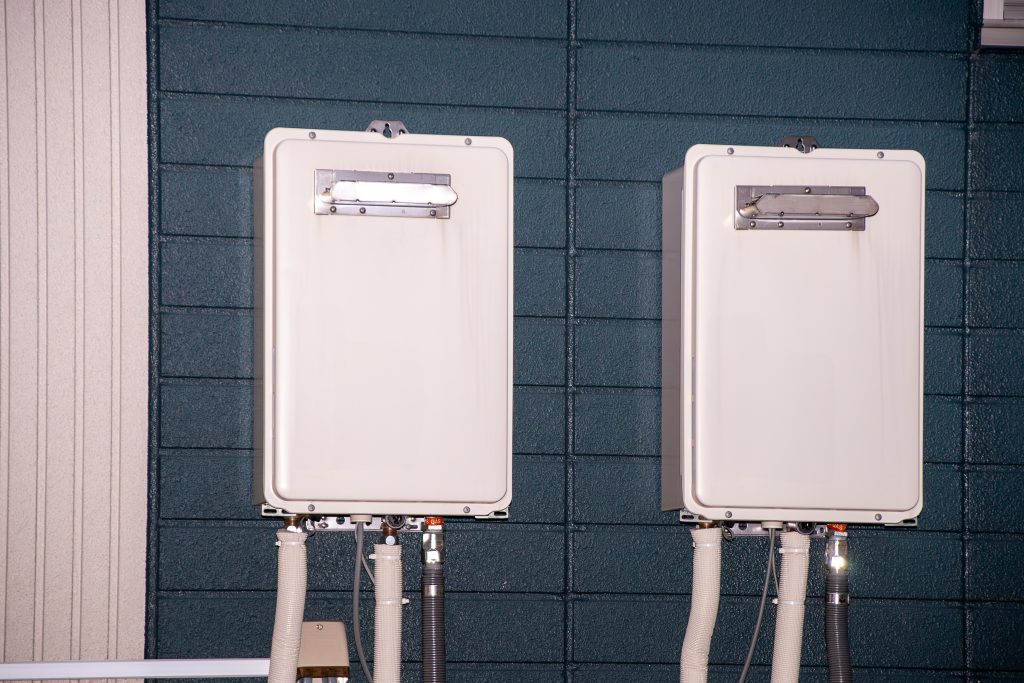
If you have ever stepped into a cold shower because someone else used all the hot water, you already understand the core frustration that gas tankless water heaters were designed to solve. Unlike traditional tank-style units that store and continuously reheat a fixed volume of water, a gas tankless water heater heats water on demand, only when you actually need it. No storage tank, no standby heat loss, no waiting around for a 40-gallon drum to recover. The system fires up the moment you turn on a hot water tap, passes cold water through a heat exchanger, and delivers hot water almost instantly. It is a fundamentally different approach to one of the most basic needs in any home, and it is gaining serious traction among homeowners who want efficiency, reliability, and long-term value rolled into a single appliance.
How a Gas Tankless Water Heater Actually Works
The mechanics here are worth understanding, even at a high level, because they directly affect how you maintain and troubleshoot the unit. When you open a hot water tap, a flow sensor inside the tankless unit detects the movement of water. That signal triggers the gas burner to ignite. Cold water passes through a series of heat exchanger coils where the burner rapidly transfers heat into the water before it exits through your pipes. The entire process happens in seconds. Most residential gas tankless units are rated by flow rate, measured in gallons per minute, and by temperature rise, which is how many degrees they can heat the water above its incoming temperature. A unit might comfortably handle two simultaneous showers in a mild climate but struggle in colder regions where incoming groundwater is much colder. This is why proper sizing matters enormously before installation.
The Real Advantages of Going Tankless with Gas
There are several compelling reasons why homeowners make the switch, and most of them go beyond just endless hot water. Here is what actually stands out:
- Energy efficiency gains of 24 to 34 percent compared to conventional tank heaters in homes that use under 41 gallons of hot water per day
- Longer lifespan, typically 20 years or more, compared to 10 to 15 years for traditional tank units
- Space savings because the unit mounts on a wall and eliminates the need for a large floor-standing tank
- Reduced risk of catastrophic water damage since there is no stored water that can leak or burst
- Potential eligibility for federal and state energy efficiency tax credits depending on unit specifications and installation year
The gas-powered version specifically tends to outperform electric tankless models in colder climates where higher flow rates and larger temperature rises are needed. Gas simply delivers more BTUs more quickly, which translates to better real-world performance in demanding households.
Common Drawbacks You Should Know Before Buying
No appliance is perfect, and gas tankless water heaters come with their own set of tradeoffs. The upfront cost is significantly higher than a traditional tank heater, often two to three times more when you factor in the unit plus professional installation. Speaking of installation, retrofitting a home that was set up for a tank heater can involve upgrading gas line capacity, adding dedicated venting, and in some cases modifying electrical connections for the unit’s ignition and controls. There is also a brief delay, sometimes called the cold water sandwich effect, where a small burst of cold water can pass through the lines before hot water fully arrives. For most people this is minor, but it can be noticeable. Finally, in high-demand scenarios where multiple appliances run simultaneously, a single undersized unit may not keep up without supplemental support or a larger capacity model.

Maintenance Tasks That Keep Your Tankless Unit Running Smoothly
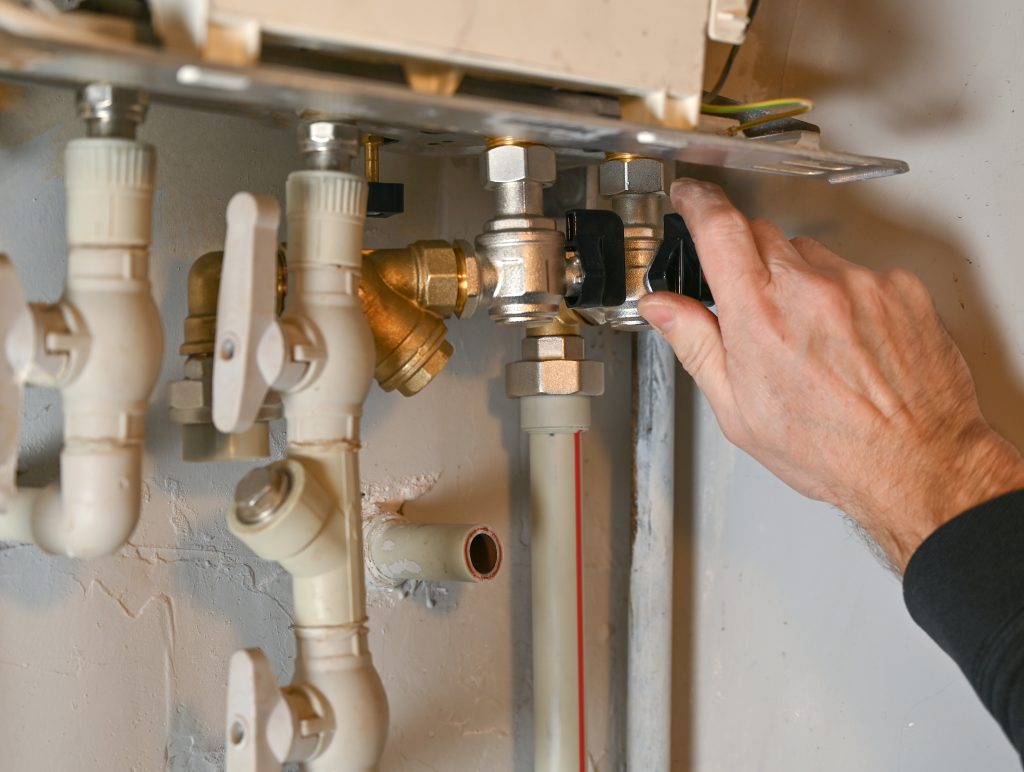
Maintenance is where most homeowners either protect their investment or quietly allow it to deteriorate. Gas tankless water heaters require regular attention to perform well and last their full lifespan. The most critical task is descaling, also called flushing, which involves circulating a food-grade white vinegar or commercial descaling solution through the heat exchanger to dissolve mineral buildup. In areas with hard water, this should be done annually. The inlet filter screen should be inspected and cleaned every six months because debris in the water supply can restrict flow and trigger error codes. The venting system should be checked for obstructions, especially if the unit is installed near areas where birds or insects might nest. If your unit has an air filter, clean it according to the manufacturer’s schedule. Finally, the ignition system and burner assembly should be professionally inspected every year or two to confirm clean combustion and safe operation.
How Hard Water Affects Your Gas Tankless Water Heater
Hard water is one of the most significant enemies of tankless water heater longevity, and it is a factor that many homeowners do not fully appreciate until they start experiencing performance issues. Minerals like calcium and magnesium in the water supply accumulate inside the heat exchanger over time, forming a layer of scale that acts as an insulator. When that happens, the burner has to work harder to heat the same volume of water, efficiency drops, and components wear out faster. In severe cases, scale buildup can cause the unit to overheat and trigger automatic shutdowns. Installing a whole-home water softener or at minimum a dedicated scale inhibitor on the cold water inlet feeding the tankless unit can dramatically extend its service life and reduce how frequently you need to descale. This is one upgrade that genuinely pays for itself.
When to Call a Professional Versus DIY Maintenance
Some maintenance tasks on a gas tankless water heater are straightforward enough for a reasonably handy homeowner. Cleaning the inlet filter, flushing the unit with a descaling kit, and visually inspecting the venting are generally accessible with the right tools and a careful approach. However, anything involving the gas supply line, burner components, or venting integrity should be handled by a licensed technician. Gas appliances carry real risk when improperly serviced, and most manufacturers require professional servicing to maintain warranty coverage. Annual professional tune-ups are a smart habit because a technician can catch issues like incomplete combustion, micro-cracks in the heat exchanger, or degraded ignition components before they become expensive failures or safety hazards.
Signs Your Gas Tankless Water Heater Needs Attention
Knowing what to watch for can mean the difference between a quick service call and a full unit replacement. Pay attention to these warning signals:
- Fluctuating water temperatures during use, which often indicate scale buildup or a failing flow sensor
- Error codes appearing on the digital display, each pointing to a specific component or system issue
- Unusual noises such as rumbling, clicking, or popping sounds during operation
- Reduced hot water flow rate even when demand is low
- Visible corrosion or moisture around fittings and connections
- The unit taking longer than usual to deliver hot water
Addressing these signs early almost always results in a less expensive repair. Ignoring them tends to accelerate wear on surrounding components and can lead to full system failure at the worst possible time.
How Home Warranties Fit Into Your Gas Tankless Water Heater Strategy
A gas tankless water heater is a premium appliance, and premium appliances eventually develop premium-sized repair bills. Components like heat exchangers, gas valves, flow sensors, and control boards can be costly to replace, especially if the unit is out of manufacturer warranty. This is exactly the scenario where a home warranty provides genuine financial protection. trusted home warranty coverage for gas tankless water heaters can cover the cost of unexpected repairs and replacements, turning a potentially stressful and expensive situation into a simple service call. Armadillo was built for homeowners who take their systems seriously and want real protection without the runaround. When your tankless unit develops a fault in the middle of winter, the last thing you want is to navigate repair costs alone. get a personalized home warranty quote that covers your water heating system and find out how straightforward protecting your home can actually be. Armadillo keeps things clear, honest, and built around what homeowners actually need.

Frequently Asked Questions About Gas Tankless Water Heaters
Answers to the questions homeowners ask most often about gas tankless water heater operation, maintenance, and home warranty coverage.
How often should I flush my gas tankless water heater?
In most homes, annual flushing is sufficient to remove mineral scale from the heat exchanger. If your home has hard water with high mineral content, flushing every six months is a smarter schedule to maintain efficiency and protect internal components.
What is the average lifespan of a gas tankless water heater?
A properly maintained gas tankless water heater typically lasts 20 years or more. This is nearly double the lifespan of a conventional storage tank heater, which averages 10 to 15 years under similar conditions.
Can a gas tankless water heater run out of hot water?
A gas tankless water heater does not store hot water, so it cannot run out in the traditional sense. However, if demand exceeds the unit’s rated flow capacity, meaning too many hot water fixtures running simultaneously, water temperature may drop. Proper sizing at installation prevents this issue.
Do gas tankless water heaters require electricity to operate?
Yes. While the primary heat source is natural gas or propane, most gas tankless water heaters require electricity to power the ignition system, electronic controls, and display panel. A power outage will typically disable the unit even if gas supply is uninterrupted.
How do I know if my tankless water heater is sized correctly for my home?
Sizing is based on two factors: the peak flow rate your household demands in gallons per minute and the temperature rise required based on your local groundwater temperature. A licensed plumber or HVAC professional can calculate the correct capacity for your specific home and usage patterns.
Is a gas tankless water heater covered under a home warranty?
Coverage depends entirely on the home warranty provider and the specific plan selected. Many home warranty plans do include water heaters, including tankless gas models. It is important to review the terms carefully to confirm that the specific components and failure types you are most concerned about are included.
What causes a gas tankless water heater to display error codes?
Error codes are the unit’s way of communicating a specific fault. Common triggers include ignition failures, overheating due to scale buildup, flow sensor issues, venting obstructions, and gas supply interruptions. The unit’s manual or the manufacturer’s website will decode each specific error number.
Can I install a gas tankless water heater myself?
Professional installation is strongly recommended and in most jurisdictions legally required for gas appliance installation. Improper connections to gas lines or venting systems create serious safety hazards and will void most manufacturer warranties. Always use a licensed contractor for installation.
How much money can a gas tankless water heater save on energy bills?
Savings vary based on household usage and local utility rates, but the U.S. Department of Energy estimates that homes using less than 41 gallons of hot water daily can see energy efficiency improvements of 24 to 34 percent compared to conventional storage tank heaters. Higher-usage homes still see meaningful but somewhat smaller gains.
What maintenance tasks can homeowners safely do themselves?
Homeowners can safely clean the inlet filter screen, perform a descaling flush using a manufacturer-approved kit, and visually inspect venting for obvious obstructions. Any work involving gas connections, burner components, or internal electrical systems should be performed by a licensed professional.