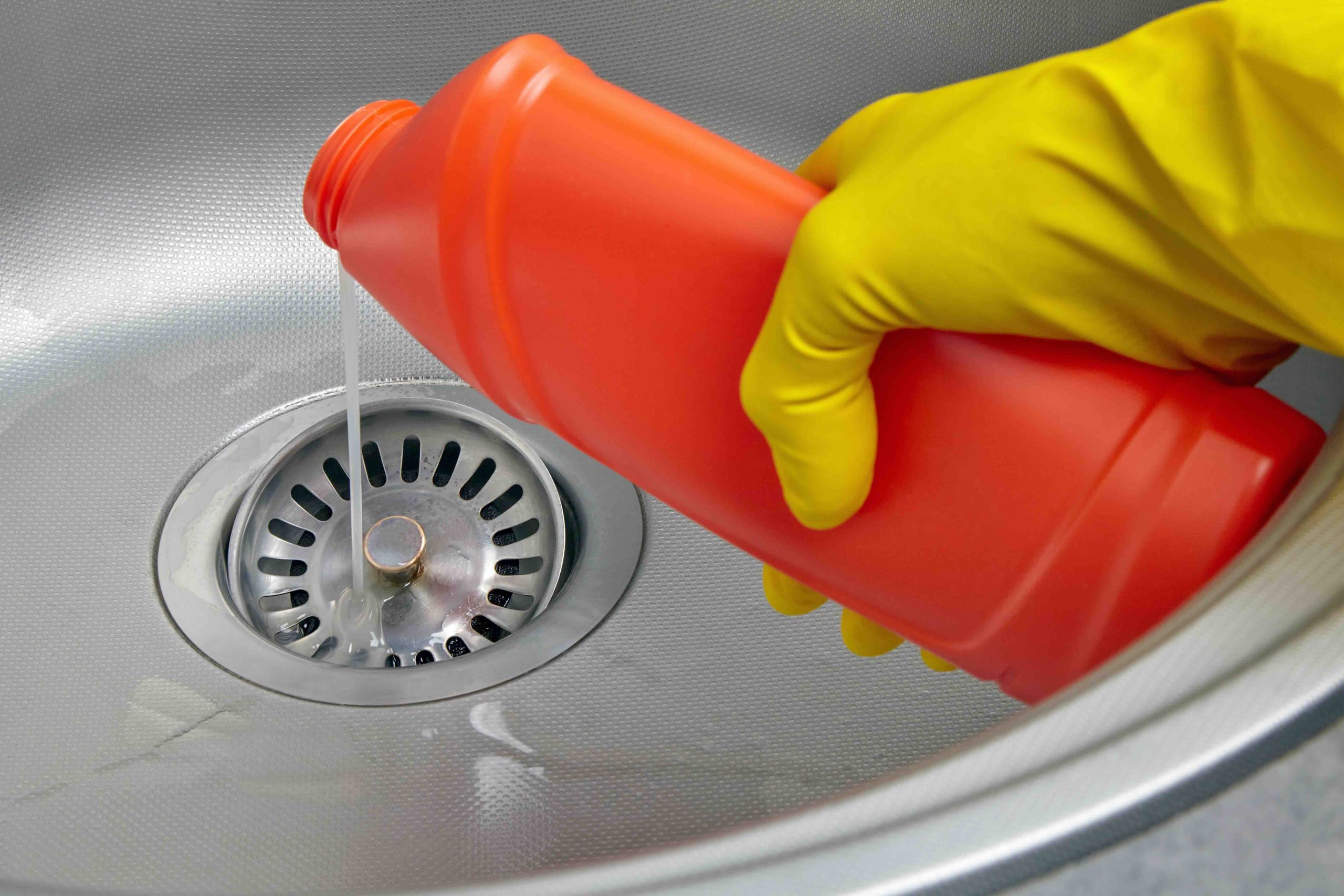
What Is a Garbage Disposal Deodorizer Cleaner and Why Does It Matter?
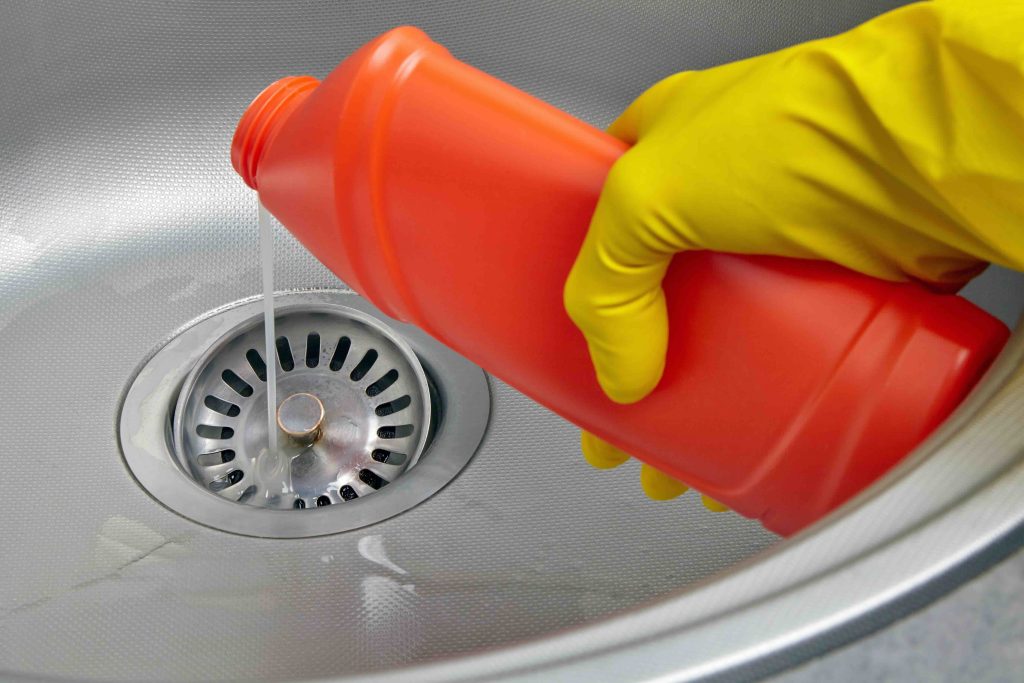
If you have ever walked into your kitchen and been hit with a smell that seems like it is coming from nowhere, there is a good chance your garbage disposal is the culprit. Garbage disposals are one of those appliances that get a lot of use without a lot of attention, and that combination creates the perfect environment for odor-causing buildup. A garbage disposal deodorizer cleaner is a product specifically designed to break down residue, food particles, grease, and bacteria that accumulate inside the disposal unit and along the drain line. It is not just a scent masker. The better products actually clean the surfaces where grime settles, which is why they work so differently from just pouring dish soap down the drain and calling it done.
How a Garbage Disposal Actually Works
Understanding why these cleaners matter starts with understanding what the disposal is doing in the first place. A garbage disposal is an electric appliance installed under the kitchen sink, between the drain and the trap. When activated, a spinning plate with impellers breaks down food waste small enough to pass through your plumbing. The motor sits below the grinding chamber and is connected to your home’s electrical system. What most homeowners do not realize is that after every use, a thin layer of food residue coats the inside of the grinding chamber, the splash guard, and the drain opening. That residue does not just disappear. It sits there, interacts with moisture, and becomes a breeding ground for bacteria and mold. That is where the smell originates, and that is exactly what a deodorizer cleaner targets.
The Different Types of Garbage Disposal Deodorizer Cleaners
Not all deodorizer cleaners are built the same way, and knowing the difference helps you pick the right product for your situation. There are a few main formats available to homeowners today.
- Foaming tablets or pods that fizz and expand inside the disposal to reach the grinding chamber and rubber gasket
- Enzyme-based liquid cleaners that break down organic matter at a molecular level
- Citrus-based scrub sticks or pods designed for quick refreshes between deeper cleans
- DIY options using baking soda, vinegar, and ice cubes that provide basic cleaning without chemical additives
Enzyme-based formulas tend to be the most effective for persistent odor problems because they do not just clean surfaces. They digest the organic material that causes the smell in the first place. Foaming tablets are great for regular maintenance because they reach areas that liquid products sometimes miss. Citrus options smell great in the short term but often work better as a complement to deeper cleaning rather than a replacement.
Key Advantages of Using a Garbage Disposal Deodorizer Cleaner
There are some genuinely practical reasons to add this to your kitchen maintenance routine. Beyond just making the kitchen smell better, regular cleaning with the right product can extend the functional life of your disposal and reduce the likelihood of clogs forming in the drain line below. Residue that builds up over time can harden and restrict water flow, which puts stress on the motor and plumbing connections. Staying ahead of that buildup is much easier than dealing with a drain backup or a motor that is working harder than it should. Regular cleaning also reduces bacteria growth in one of the most frequently used areas of your kitchen, which matters from a basic hygiene standpoint.
Common Drawbacks to Know Before You Buy
No product is perfect, and garbage disposal cleaners are no exception. A few limitations are worth knowing ahead of time so expectations stay realistic.
- Foaming products can sometimes cause temporary backup if the drain line already has partial blockage
- Strong chemical formulas may damage older rubber gaskets or seals over time if used too frequently
- Citrus-based options offer minimal actual cleaning power and mostly address surface-level odor
- DIY vinegar and baking soda combinations, while popular, are not always effective against stubborn grease buildup
For most homeowners, these drawbacks are manageable if you match the product type to your specific disposal and usage habits. Reading the manufacturer guidelines for your disposal model is a good starting point before committing to any cleaning product.

How Often Should You Clean Your Garbage Disposal?
Most plumbing and appliance experts recommend a light cleaning at least once a week and a deeper clean once a month. That might sound like a lot until you consider how frequently the average household uses their disposal. Families that cook at home regularly and run the disposal daily should lean toward the more frequent schedule. Households that use it sparingly can get away with bi-weekly light maintenance and a monthly deep clean. The key is consistency. Waiting until you notice an odor means the buildup is already significant, and reversing that takes more effort and more product than preventing it would have required.
Practical Tips for Getting the Most Out of Your Cleaner
Technique matters almost as much as product selection when it comes to disposal cleaning. Running cold water before, during, and after the cleaning cycle helps flush loosened debris through the drain line efficiently. Avoid hot water during cleaning because it can cause grease to liquefy and redeposit further down the pipe rather than clearing it. If you are using a foaming tablet, drop it in with the disposal off, let it do its work for the time indicated on the package, then turn the disposal and cold water on together to flush everything through. For the rubber splash guard, which is often the primary odor source, lift the flaps and scrub the underside manually with a small brush and your preferred cleaning solution. That part gets skipped constantly and is almost always where the worst buildup hides.
What Happens If You Ignore Disposal Maintenance Entirely?
Skipping disposal maintenance for extended periods creates a progression of problems that starts with odor and can escalate into real appliance issues. Grease accumulation leads to slow draining. Slow draining leads to standing water in the grinding chamber. Standing water accelerates corrosion on internal components and strains the motor seal. Eventually, a disposal that could have lasted ten to fifteen years with routine care starts struggling at five or six. Beyond the appliance itself, buildup in the drain line connected to the disposal can contribute to wider plumbing issues that are expensive to address. Maintenance is not glamorous, but the cost of a monthly cleaning product is a fraction of what a plumber visit or disposal replacement will run you.
When Cleaning Is Not Enough: Knowing When to Call for Help
There are situations where no amount of cleaning product is going to solve the problem, and recognizing those moments early saves time and money. Persistent odors that return within a day or two of cleaning may indicate a crack or seal failure inside the unit that is allowing material to accumulate in inaccessible areas. A grinding or humming noise that is new can point to motor trouble or a foreign object lodged in the chamber. Leaking from the unit itself, whether from the bottom or the sides, is a sign that internal seals have failed and the disposal likely needs professional service or replacement. These are exactly the kinds of situations where a home warranty becomes relevant, especially when the repair or replacement cost catches homeowners off guard.

How Armadillo Helps Protect the Appliances You Depend On Every Day
Keeping your garbage disposal clean is smart ownership. But even the most well-maintained disposal can fail unexpectedly, and when it does, the repair or replacement cost lands entirely on you unless you have coverage in place. That is where Armadillo home warranty protection for kitchen appliances and home systems comes in. Armadillo is built around the idea that homeownership should not feel like a liability. Coverage is straightforward, service is accessible, and the process of getting help does not feel like navigating a bureaucratic maze. If your disposal motor fails, your drain line backs up due to a covered appliance issue, or a connected system stops functioning, Armadillo is the kind of coverage that steps in without the usual runaround. If you want to see what your home qualifies for, you can get a personalized home warranty quote for garbage disposal and appliance coverage in just a few minutes. Protecting the appliances that run your daily life does not have to be complicated, and with Armadillo, it genuinely is not.
Frequently Asked Questions About Garbage Disposal Deodorizer Cleaners
Below are answers to some of the most common questions homeowners have about keeping their garbage disposal clean, odor-free, and functioning properly.
What is the best way to deodorize a garbage disposal?
The most effective approach combines an enzyme-based cleaner for deep cleaning with regular flushing using cold water and a monthly foaming tablet treatment. Scrubbing the underside of the rubber splash guard manually is also essential since that surface traps bacteria and food residue that products alone may not fully reach.
Is it safe to put baking soda and vinegar in a garbage disposal?
Yes, it is generally safe and can provide a mild cleaning effect. However, this combination works best as a light maintenance option rather than a deep clean. For persistent odors or significant buildup, enzyme-based or foaming cleaner products tend to be far more effective.
How often should I use a garbage disposal cleaner?
A light refresh once a week and a thorough cleaning once a month is the standard recommendation for households that use the disposal daily. Less frequent users can extend that schedule slightly, but waiting until an odor appears usually means the buildup is already advanced.
Can garbage disposal cleaners damage my plumbing?
Most disposal-specific cleaners are formulated to be safe for standard plumbing. However, very strong chemical drain cleaners not designed for disposals can degrade rubber seals and gaskets over time. Always use products specifically labeled for garbage disposal use.
Why does my garbage disposal smell even after cleaning it?
If odors return quickly after cleaning, the source is often the underside of the rubber splash guard, which requires manual scrubbing. Persistent smells can also indicate buildup deeper in the drain line, a cracked grinding chamber, or a seal failure that requires professional inspection.
What should I never put in a garbage disposal to prevent odor buildup?
Grease, oil, and fatty foods are the primary contributors to buildup and odor because they solidify in the grinding chamber and drain line. Fibrous vegetables, starchy foods like pasta and rice, and non-food items also contribute to residue accumulation and should be avoided.
Do garbage disposal deodorizer cleaners actually clean or just mask odors?
It depends on the product. Citrus-based pods and scent-focused options primarily mask odors without addressing the underlying buildup. Enzyme-based and foaming cleaners actually break down and remove the organic material causing the smell, making them genuinely more effective for long-term odor control.
Can I use ice cubes to clean my garbage disposal?
Running ice cubes through the disposal is a popular method that can help dislodge some buildup from the grinding components. While it is not a replacement for a proper cleaning product, it works well as a quick maintenance step between deeper cleans.
Is a smelly garbage disposal covered by a home warranty?
Odor itself is a maintenance issue and not typically covered by a home warranty. However, if the disposal develops a mechanical failure such as a broken motor, failed seals, or electrical issues, those types of repairs or replacements are often covered depending on the plan.
How long should a garbage disposal last with proper maintenance?
A well-maintained garbage disposal typically lasts between ten and fifteen years. Consistent cleaning, avoiding problematic foods, and running cold water during every use all contribute to reaching the higher end of that lifespan. Neglected units often begin experiencing problems significantly earlier.