What Is Thermostat Hold and Why Does It Matter for Your Home?
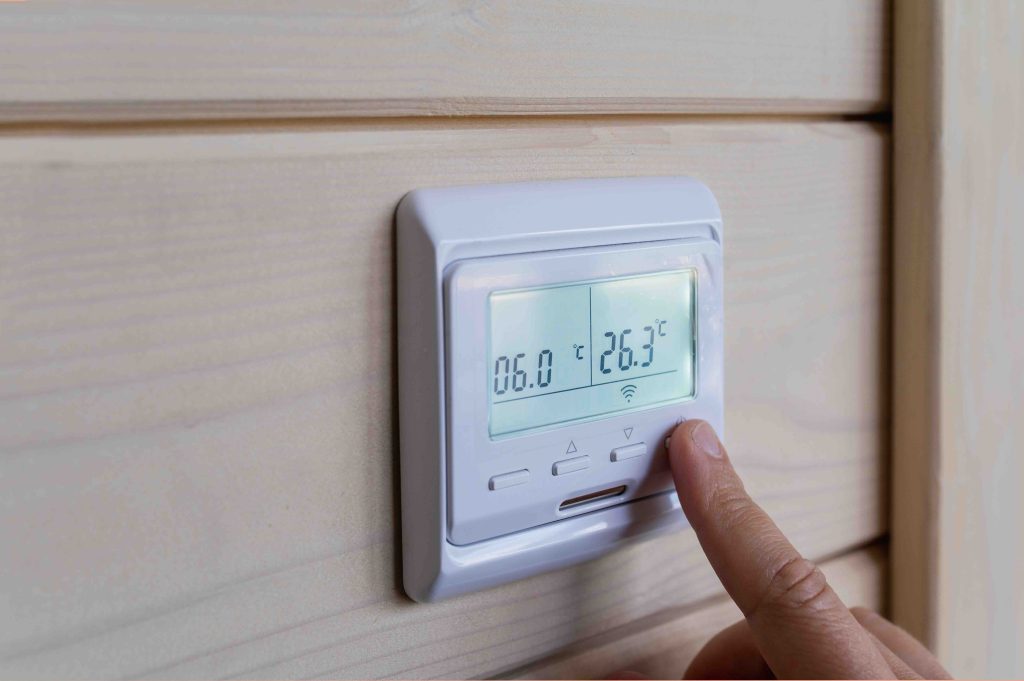
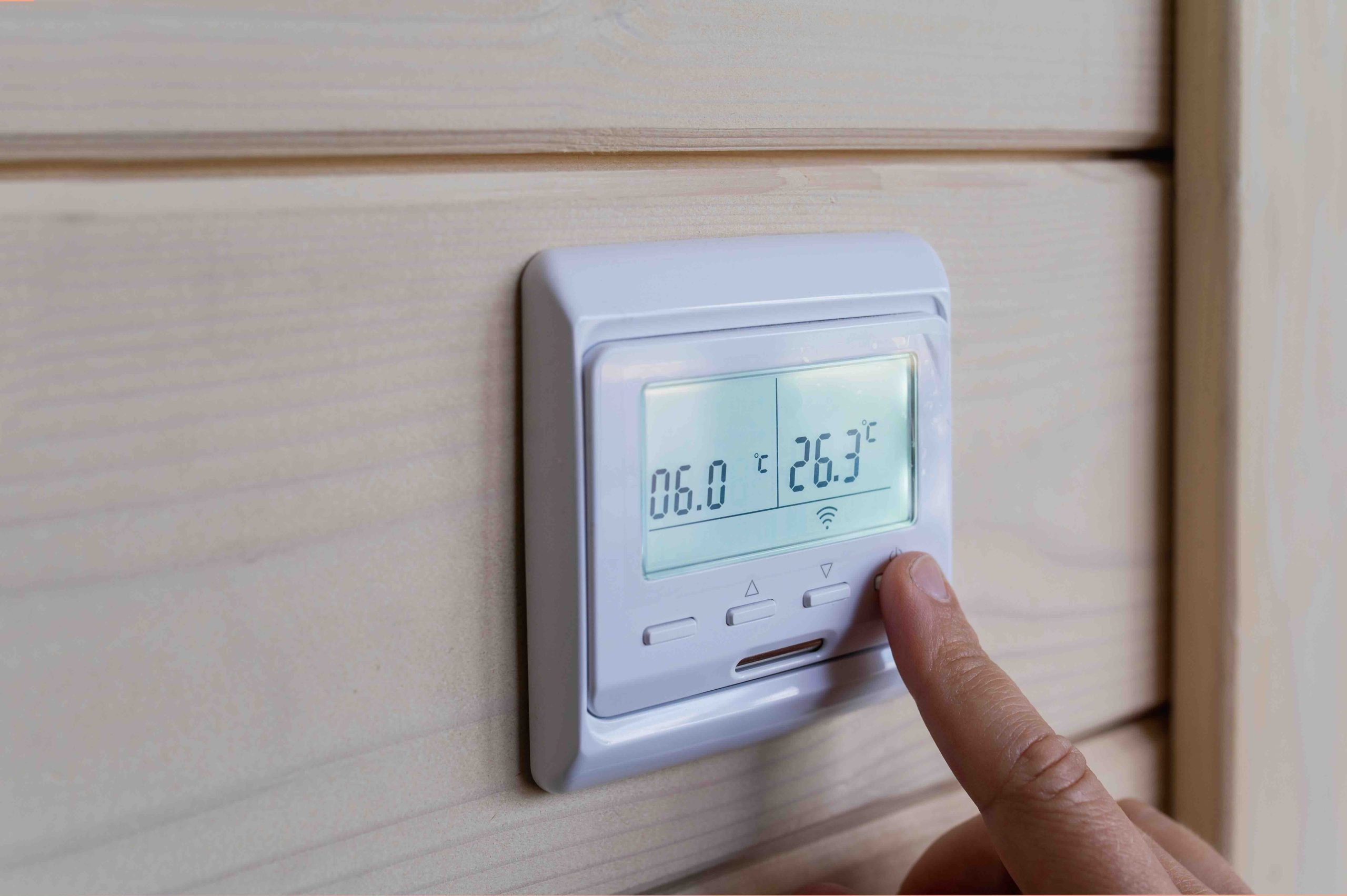
If you have ever stared at your thermostat wondering what the “hold” button actually does, you are not alone. It is one of those features that gets overlooked until the day your energy bill arrives and you start asking questions. The thermostat hold function is a simple but powerful tool that gives homeowners direct control over their indoor temperature, overriding whatever schedule the thermostat has been programmed to follow. Understanding how it works, and when to use it, can make a real difference in both comfort and cost.
How a Programmable Thermostat Schedule Works
To understand thermostat hold, you first need a clear picture of how a programmable thermostat operates under normal conditions. Most modern thermostats allow homeowners to set a temperature schedule throughout the week. For example, you might program the system to lower the heat during work hours, raise it before you return home, and then drop it again overnight. The thermostat follows that schedule automatically, cycling your HVAC system on and off accordingly. It is an efficient system when life is predictable. But life rarely is, and that is exactly where the hold feature becomes valuable.
Thermostat Hold Meaning: A Closer Look
The thermostat hold meaning is straightforward. When you activate the hold function, you are telling the thermostat to stop following its programmed schedule and instead maintain a single, fixed temperature until you say otherwise. There are typically two types of hold settings available on most thermostats. A temporary hold keeps the temperature at a set point for a defined period of time before returning to the normal schedule. A permanent hold, sometimes labeled as a vacation hold or indefinite hold, keeps that fixed temperature running until you manually cancel it. Both serve different purposes, and knowing the distinction helps you use each one effectively.

When Should You Use the Hold Feature?
Knowing when to activate a hold setting is just as important as knowing what it does. There are several common scenarios where using the hold function makes practical sense for homeowners.
- You are working from home on an unscheduled day and need consistent comfort without the thermostat dipping to an unoccupied setting.
- Guests are staying over for several days and your usual schedule no longer reflects actual occupancy patterns.
- You are heading out of town and want to keep temperatures stable to protect pipes, furniture, or pets left in someone else’s care.
- Seasonal changes have thrown off your regular programming and you have not had the chance to update the schedule yet.
- Extreme outdoor temperatures are making your normal cycle feel inadequate and you need the system to work harder for a stretch of time.
The Difference Between Temporary Hold and Permanent Hold
Temporary hold is designed for short-term adjustments. Say you come home early from work and the house is still set to its energy-saving daytime temperature. Instead of sitting in the cold while waiting for the thermostat to kick into its evening program, you set a temporary hold at a comfortable level and let the system catch up. Once the hold period expires, your programmed schedule resumes as normal. Permanent hold, on the other hand, locks in a temperature indefinitely. This is useful when traveling or when your household routine has changed significantly enough that the existing schedule no longer applies. The key thing to remember is that a permanent hold left running for weeks can quietly work against your energy efficiency goals if you forget to cancel it.
Advantages of Using the Thermostat Hold Function
There is a reason this feature exists on virtually every programmable and smart thermostat on the market. When used thoughtfully, the hold function delivers several genuine benefits for homeowners. It gives you immediate control without requiring you to reprogram your entire schedule. It protects your home during vacations by maintaining temperatures that prevent damage from extreme heat or cold. It also creates consistent comfort during irregular days when your normal routine has been disrupted. For households with older adults, young children, or anyone with health considerations that make temperature fluctuations uncomfortable, the hold setting can be a quiet quality-of-life improvement that does not get enough credit.
Common Drawbacks and Mistakes to Avoid
The thermostat hold function is useful, but it is not without its pitfalls. The most common mistake homeowners make is forgetting to cancel a permanent hold after returning from a trip. When that happens, your HVAC system runs at a fixed temperature around the clock with no schedule-based efficiency built in. That translates directly to higher energy consumption and a larger utility bill at the end of the month. Another issue arises when homeowners rely on the hold feature as a substitute for properly updating their thermostat schedule. If your household routine has changed permanently, the right move is to reprogram the schedule rather than hold indefinitely. Using hold as a long-term workaround puts unnecessary strain on your heating and cooling system over time.
Smart Thermostats and the Evolution of Hold Settings
Smart thermostats have taken the hold concept and expanded it considerably. Devices from major brands now offer features like geofencing, which automatically adjusts the temperature based on whether your phone is detected near or far from home. Some models allow you to set holds remotely through a mobile app, which is particularly useful when your plans change unexpectedly. Others learn from your behavior over time and make adjustment suggestions based on patterns they detect. That said, the fundamental idea behind the hold function remains the same across every thermostat type. You are overriding automation with a manual preference, and that is a tool every homeowner should feel comfortable using.
How Thermostat Issues Connect to Your Home Warranty
Your thermostat is a relatively small component in your home, but it is the brain of your entire HVAC system. When it malfunctions, the consequences ripple through the whole house. A thermostat that cannot hold a temperature setting, fails to communicate with the HVAC unit, or loses its programming after a power disruption is not just annoying. It is a sign that something needs attention. This is where a home warranty can provide genuine peace of mind. If your thermostat fails due to normal wear and tear, a home warranty plan that covers HVAC systems may include thermostat repair or replacement as part of the service. It is worth reviewing your plan details carefully to understand what is included, and it is equally worth knowing that these small failures tend to happen at the worst possible times.
Why Armadillo Is a Smart Choice for HVAC and Thermostat Protection
If a thermostat issue has ever left you scrambling to find a reliable technician while your home sits at an uncomfortable temperature, you already understand the value of being prepared. That is what a home warranty is designed for, and it is exactly what Armadillo delivers. As a trusted home warranty provider for HVAC system coverage and protection, Armadillo offers straightforward plans built to cover the systems and appliances homeowners depend on most, including the heating and cooling equipment that your thermostat controls every single day. There is no guesswork, no fine print designed to confuse, and no unnecessary friction when you need service. You can get a free home warranty quote for thermostat and HVAC coverage in just a few minutes and start the day knowing that the next unexpected repair is not going to derail your budget. Armadillo is built for homeowners who want clarity, coverage, and a company that actually shows up.

Frequently Asked Questions About Thermostat Hold
What does hold mean on a thermostat?
Hold on a thermostat means the device will maintain a single fixed temperature and stop following any pre-programmed schedule until the hold is manually canceled or the set time expires.
What is the difference between a temporary hold and a permanent hold?
A temporary hold maintains a set temperature for a defined period before returning to the programmed schedule. A permanent hold keeps a fixed temperature running indefinitely until the homeowner cancels it manually.
Does using the hold function waste energy?
It can. If you set a higher or lower temperature than your programmed schedule would normally call for and forget to cancel the hold, your HVAC system works harder than necessary, which increases energy consumption.
When should I use a vacation hold on my thermostat?
A vacation hold is best used when leaving home for multiple days. Setting it to a moderate temperature, such as 60 degrees in winter or 80 degrees in summer, protects your home without running the system at full occupancy levels.
Will the hold setting cancel itself automatically?
A temporary hold will cancel itself after the duration you set, returning to the normal schedule. A permanent hold will not cancel on its own and must be manually ended by the homeowner.
Can I use the hold feature on a smart thermostat?
Yes. Most smart thermostats include a hold function, and many allow you to activate it remotely through a mobile app, which is especially convenient when your plans change while you are away from home.
Does the hold function affect how hard my HVAC system works?
Yes. Holding a temperature that differs significantly from your scheduled settings requires your heating or cooling system to run more or less frequently than usual, which can affect both energy use and system wear over time.
Is thermostat failure covered by a home warranty?
It depends on the plan. Many home warranty plans that cover HVAC systems include the thermostat as part of that coverage. Reviewing your specific contract details or speaking with your provider is the best way to confirm what is included.
How do I cancel a hold on my thermostat?
Most thermostats have a cancel hold or run schedule button that returns the device to its programmed settings. The exact process varies by model, so checking your thermostat manual or manufacturer website is recommended.
Should I reprogram my thermostat instead of using hold long-term?
Yes. If your household routine has changed permanently, updating your programmed schedule is more energy-efficient than relying on the hold function as an ongoing solution. Hold is best used for short-term or temporary situations.