




Why Is My Microwave Light Flashing? What Homeowners Need to Know
You walk into the kitchen, glance over at the microwave, and notice the interior light is doing something a little strange. It is flickering. Or maybe it flashes every few seconds. Or it stays on when it should not. Whatever the variation, a flashing microwave light tends to catch people off guard, mostly because microwaves are one of those appliances that homeowners rarely think about until something goes wrong. The good news is that a flashing light does not automatically mean your appliance is headed toward the scrap heap. The not-so-good news is that it can sometimes point to a deeper issue worth paying attention to. This article walks through everything you need to know, from what causes the flashing to when it is time to call in a professional.
What Is the Microwave Interior Light and What Does It Actually Do
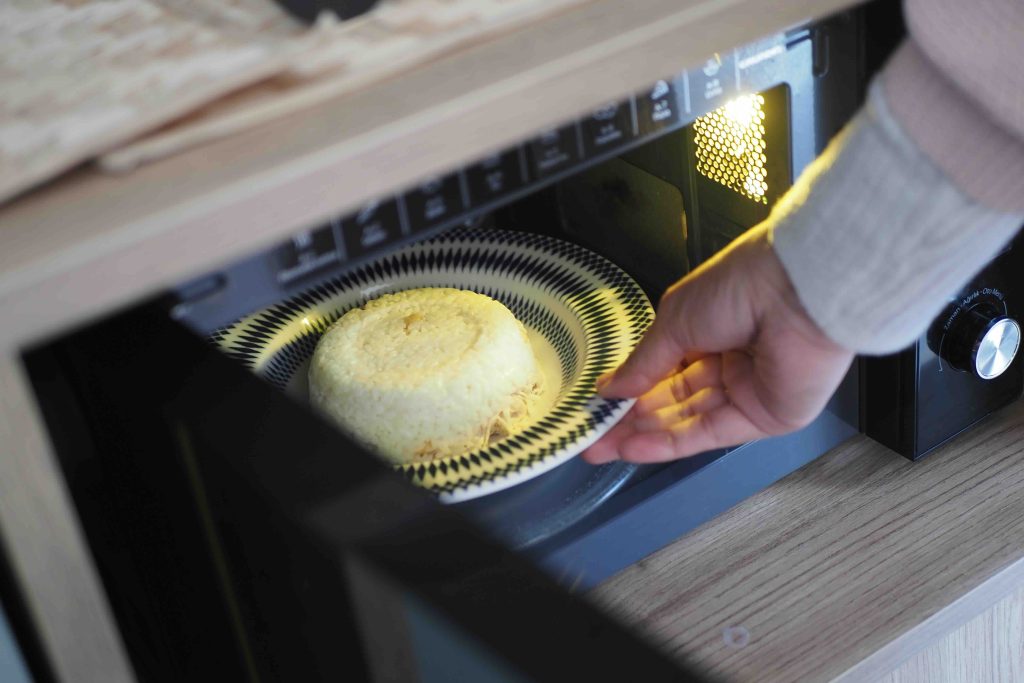
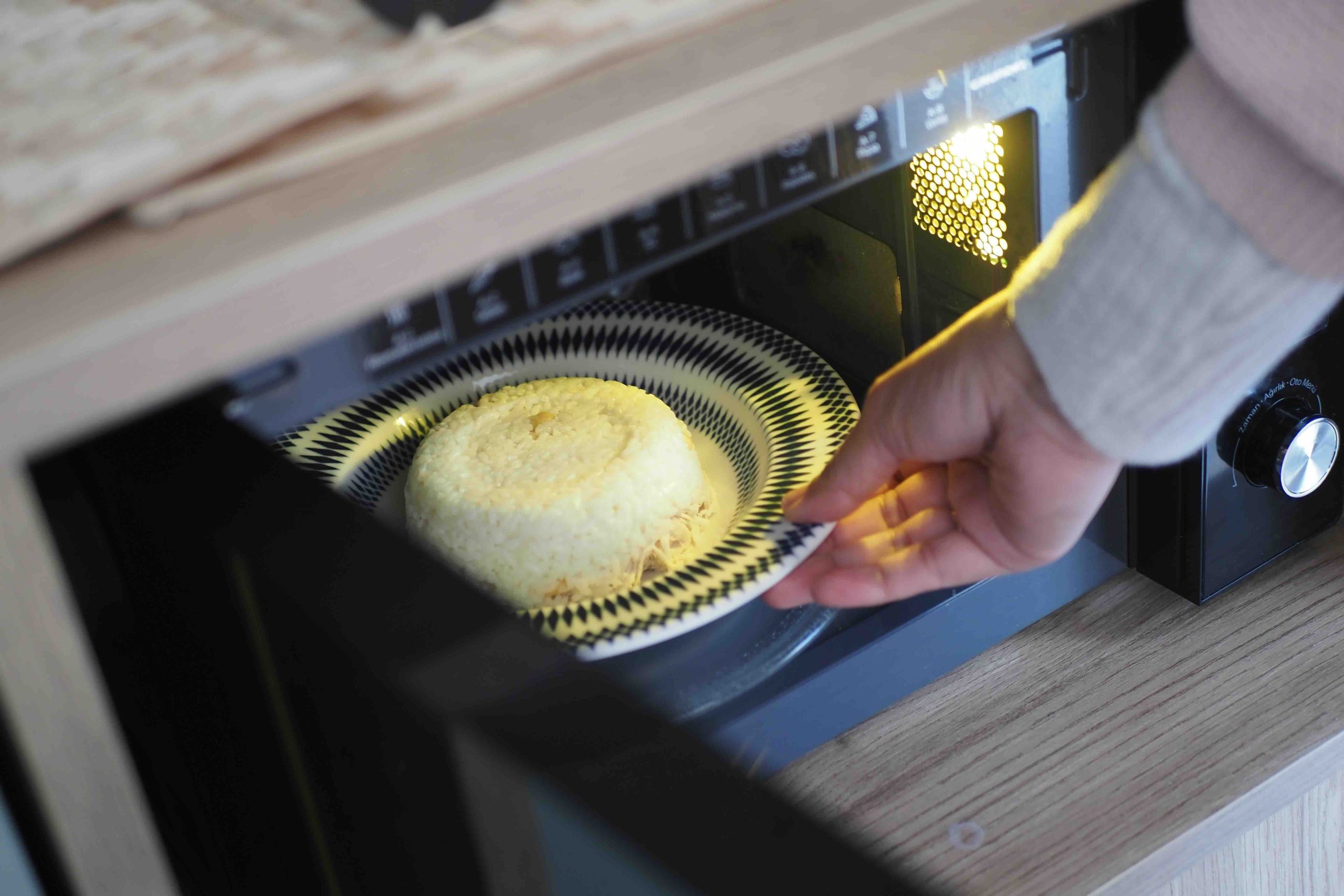
The light inside your microwave is not just a convenience feature, though it certainly helps when you are watching leftovers rotate. It serves as an indicator of appliance activity and helps users monitor food without opening the door. Most microwave lights are small incandescent or LED bulbs housed behind a protective cover inside the microwave cavity. They are designed to illuminate when the door opens or when the unit is actively running. When the light starts behaving abnormally, flickering, pulsing, or flashing at irregular intervals, it is usually a signal that something in the electrical or mechanical system has changed.
Common Reasons a Microwave Light Flashes or Flickers
There are several reasons this might be happening, and not all of them are cause for alarm. Understanding the range of possibilities helps you assess the situation more clearly before making any decisions.
- A loose or failing light bulb that needs to be replaced
- A faulty door switch that is not closing or making contact properly
- A malfunctioning control board sending inconsistent signals
- Power fluctuations or an unstable electrical circuit in the home
- A failing magnetron causing irregular internal voltage
- Software or relay issues in newer digital microwave models
The bulb itself is often the starting point, and it is also the easiest fix. However, if replacing the bulb does not resolve the issue, the problem likely lives elsewhere in the appliance’s electrical system.
The Role of Door Switches in Microwave Light Behavior
Here is something most homeowners do not think about: microwaves have multiple door interlock switches, sometimes two, sometimes three, depending on the model. These switches perform a critical safety function by cutting power to the magnetron when the door is open. They also control the interior light. If one of these switches is worn, misaligned, or damaged, the microwave may misread the door’s position, triggering the light to flash or behave erratically. Door switch issues are one of the more common microwave repair calls technicians receive, and they are also one of the more important to address promptly because a failed interlock switch can pose a safety risk.
When the Flashing Light Points to Electrical Problems in Your Home
Sometimes the microwave is not really the problem at all. Voltage fluctuations in the home’s electrical system can cause appliances to behave strangely, including lights that flicker or flash inside a microwave. This tends to happen when the outlet or circuit the microwave is connected to is shared with other high-draw appliances, or when there is an underlying wiring issue in the home. If multiple appliances are acting up around the same time, or if you notice lights flickering in other parts of the house, it is worth having an electrician assess the situation. Microwaves require a dedicated 20-amp circuit in most cases, and operating them on an overloaded or inadequate circuit can create both performance and safety issues over time.

Can You Fix a Flashing Microwave Light Yourself
In some cases, yes. If the issue is a loose or burned-out bulb, replacing it is a fairly straightforward task that most homeowners can handle. You will want to unplug the microwave first, always, and consult the owner’s manual to locate the bulb housing and identify the correct replacement type. Beyond the bulb, though, microwave repairs become more complicated quickly. The capacitor inside a microwave can hold a lethal electrical charge even after the unit is unplugged, which makes internal repairs genuinely dangerous for anyone without proper training. Door switches can be replaced by a skilled DIYer with caution, but anything involving the control board, magnetron, or wiring should be handled by a licensed appliance technician.
Key Advantages of Addressing a Flashing Microwave Light Early
It can be tempting to ignore a flashing light if the microwave still seems to be heating food normally. That is a reasonable instinct, but it can cost more in the long run. Addressing the issue early tends to be less expensive and less disruptive than waiting for a full breakdown. There is also a safety dimension worth considering. A malfunctioning door switch, for instance, could mean the magnetron is operating when it should not be, which is a genuine hazard. Early diagnosis gives you more options, whether that is a simple repair, a warranty claim, or a planned replacement on your own schedule rather than an urgent one forced by a complete failure.
Common Drawbacks and Limitations of Microwave Light Repairs
Not every repair makes financial sense. Microwaves, especially countertop models, are often less expensive to replace than to repair when the underlying issue is a control board or magnetron. The cost of a technician visit plus parts can sometimes approach or exceed the cost of a new mid-range unit. Over-the-range and built-in microwave models are a different story, since installation costs for replacements can be significant, making repair the more economical choice in many situations. Age also factors in. If the microwave is more than ten years old and the repair cost exceeds fifty percent of its replacement value, replacement is usually the smarter financial decision.
Practical Tips for Microwave Maintenance That Prevent Future Issues
- Clean the interior regularly to prevent grease buildup around the door seal and switches
- Avoid slamming the microwave door, which accelerates wear on interlock switches
- Use microwave-safe containers only to avoid internal arcing that can damage components
- Check that the microwave is on a dedicated circuit and not sharing power with high-draw appliances
- Schedule periodic appliance check-ins, especially for older units over seven years of age
Simple habits go a long way. Most premature microwave failures can be traced back to regular misuse or neglected maintenance, both of which are entirely preventable.
Why a Home Warranty Makes Sense When Appliances Start Acting Up
A flashing microwave light is often the first sign that an appliance is entering a more vulnerable phase of its lifespan. When one thing starts going, others tend to follow, and repair costs have a way of stacking up fast. That is exactly where Armadillo home warranty coverage for kitchen appliances and home systems comes in. Armadillo offers straightforward, homeowner-friendly coverage that takes the financial unpredictability out of appliance breakdowns, including microwave failures caused by mechanical or electrical issues. No scrambling to find a technician, no surprise repair bills. If you want to stop guessing what a repair might cost and start knowing you are covered, get a free microwave and appliance home warranty quote from Armadillo today and see how affordable peace of mind can actually be.

Frequently Asked Questions About Microwave Flashing Lights
Here are answers to the most common questions homeowners have when dealing with a microwave light that will not stop flashing.
Is a flashing microwave light dangerous?
It depends on the cause. A loose bulb is not a safety risk, but a faulty door interlock switch can be, since it may allow the magnetron to operate when it should be off. Any flashing accompanied by unusual sounds, burning smells, or sparks should prompt an immediate unplugging of the unit.
Can a flashing microwave light fix itself?
It is unlikely. A flickering light caused by a loose bulb might temporarily stabilize, but the underlying issue will not resolve on its own. Electrical and mechanical problems in appliances generally progress over time rather than improve without intervention.
How much does it cost to fix a microwave light that keeps flashing?
If the bulb is the culprit, the cost is minimal, usually just the price of a replacement bulb. If the issue involves a door switch, repair costs typically range from 75 to 150 dollars including labor. Control board replacements can run significantly higher, sometimes 200 to 400 dollars depending on the model.
Does a home warranty cover microwave repairs?
Many home warranty plans do cover built-in microwaves, and some cover countertop models as well. Coverage typically applies to mechanical and electrical failures from normal use, which can include issues like door switch malfunctions or control board failures that cause light irregularities.
Why does my microwave light flash when I close the door?
This is often a sign that one or more door interlock switches are worn or misaligned. When the door closes, the switch is supposed to engage cleanly. If it is not making proper contact, the light may flash briefly as the switch attempts to register the closed position.
Should I replace or repair a microwave with a flashing light?
The answer depends on the appliance’s age, the repair cost, and whether it is a built-in or countertop model. For units under seven years old or built-in models with high installation replacement costs, repair is often the better choice. For older countertop units, replacement may make more financial sense.
Can power surges cause a microwave light to flash?
Yes. Power surges can damage the control board or other internal components in a microwave, leading to irregular light behavior. Using a surge protector on your microwave’s outlet is a simple preventive measure that can protect the appliance’s electronics.
Is it safe to use a microwave if the light is flashing?
If the microwave is heating food normally and there are no unusual sounds, odors, or visual irregularities beyond the light, it is generally safe for short-term use while you diagnose the issue. However, continued use without addressing the root cause is not advisable, particularly if a door switch is involved.
How long do microwave bulbs typically last?
Standard incandescent microwave bulbs typically last around one to two years with regular use. LED bulbs used in newer models tend to last considerably longer. If your microwave light has never been replaced and the unit is several years old, the bulb itself is a reasonable first suspect.
Do all home warranty plans cover microwaves?
Not all plans are created equal. Some home warranty providers limit coverage to built-in microwaves or exclude certain types of failures. It is important to read the terms of any plan carefully and look for coverage that explicitly includes the appliances most important to your household.