What Is a Mini Split Air Conditioner and Why Are Homeowners Obsessed With Them?
If you have spent any time researching home cooling options lately, you have probably come across the term mini split more than once. These systems have been around for decades in other parts of the world, but they have really taken hold in the United States over the past several years, and honestly, it is not hard to see why. A mini split air conditioner, also called a ductless mini split, is a type of heating and cooling system that works without the need for ductwork running through your walls and ceilings. That alone makes it worth a second look, especially if you are dealing with an older home or an addition that your central system just cannot seem to keep comfortable. There is a lot to unpack here, so let us start at the beginning.
How a Mini Split System Actually Works
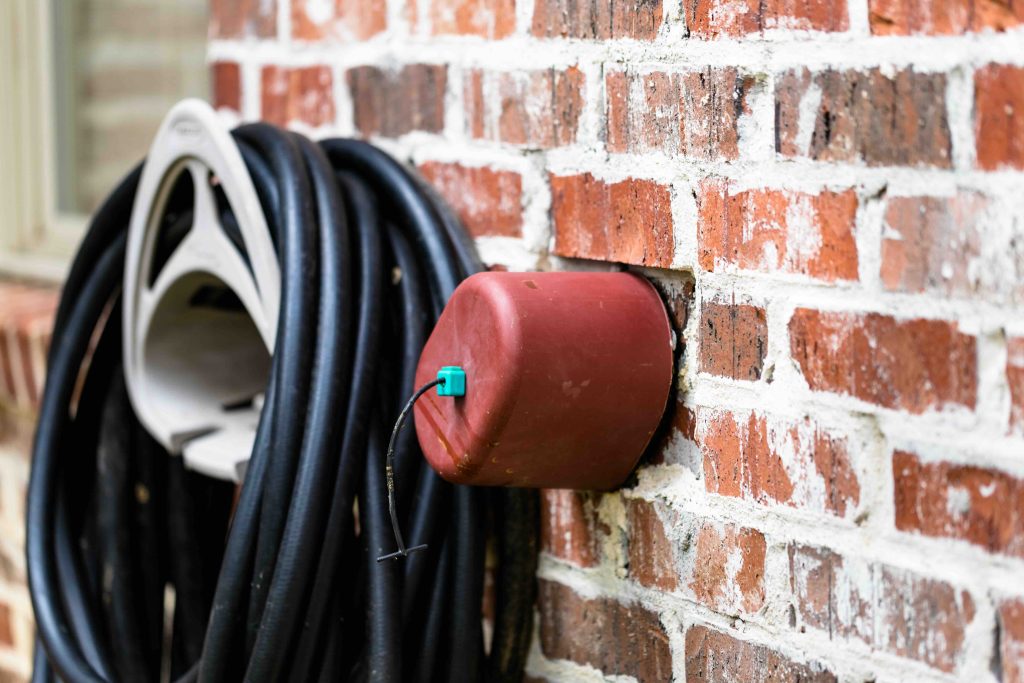
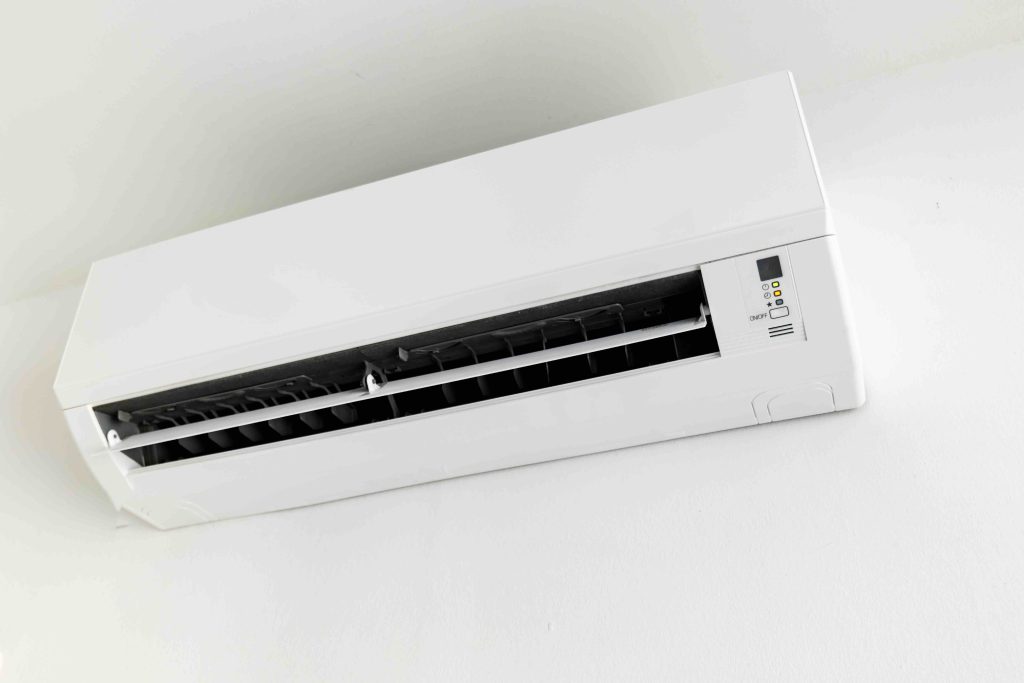
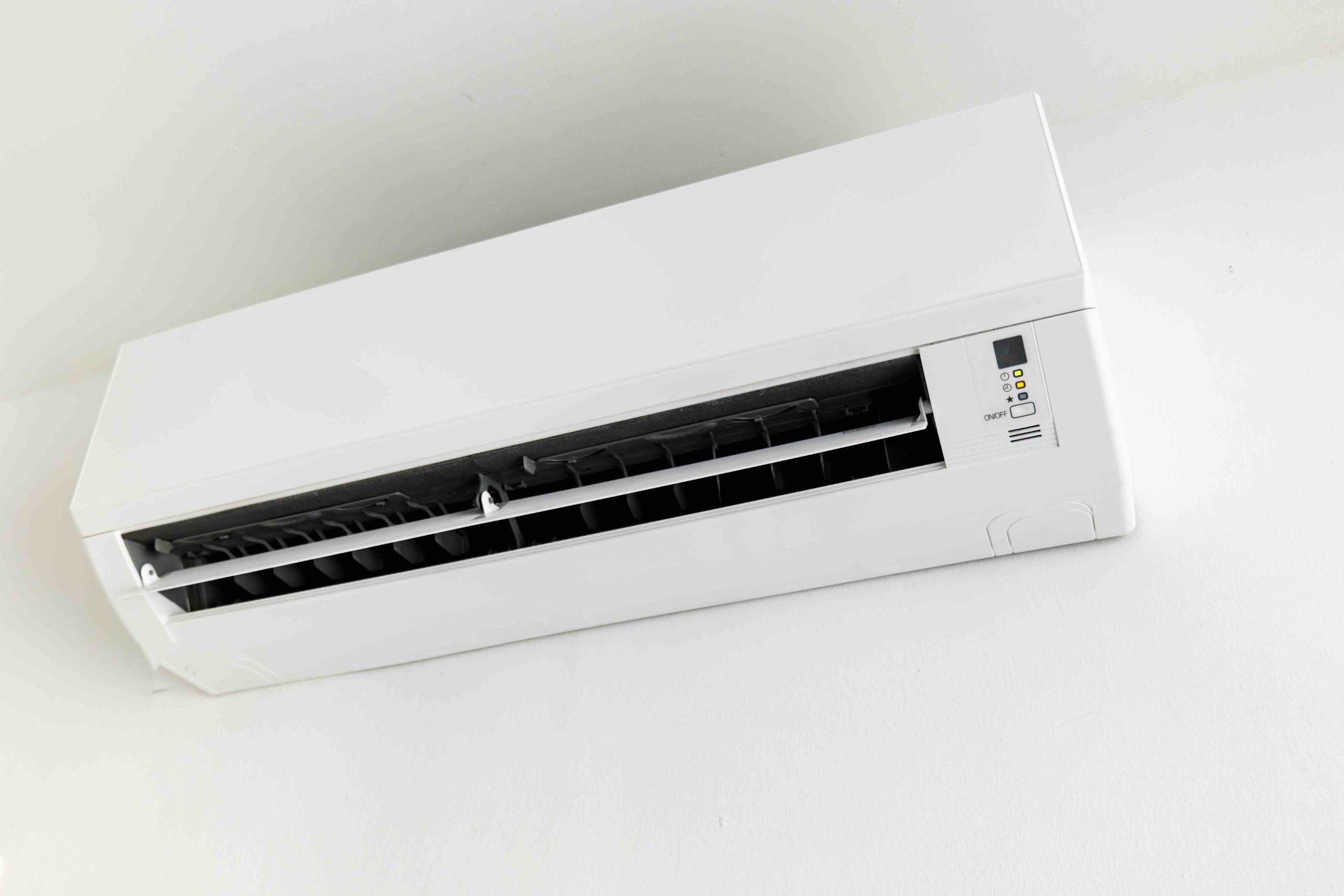
At its core, a mini split system has two main components: an outdoor compressor unit and one or more indoor air-handling units. These two pieces are connected by a conduit that runs through a small hole in the wall, carrying refrigerant lines, a power cable, and a condensate drain line. The indoor unit is typically mounted high on a wall, though floor-mounted and ceiling cassette options exist as well. When you set your desired temperature, the system moves refrigerant between the indoor and outdoor units to either absorb heat from the room and expel it outside, or pull heat from the outside air and push it into the room. Yes, many mini splits function as heat pumps too, meaning they handle both cooling and heating. That dual capability is a significant part of their appeal, especially in climates that do not experience brutally cold winters.
Single-Zone vs. Multi-Zone Mini Splits: What Is the Difference?
This is where things get a little more interesting. A single-zone mini split pairs one outdoor unit with one indoor unit, which is ideal for treating a single room or space, like a garage conversion, a sunroom, a home office, or a bedroom addition. A multi-zone system connects one outdoor unit to multiple indoor units, sometimes up to eight depending on the system. Each indoor unit operates independently, which means different people in different rooms can set their own temperatures. For homeowners who have long battled thermostat wars in the hallway, that is a genuinely appealing feature. Multi-zone systems do require more upfront investment, but the flexibility they offer tends to justify the cost for many households.

The Key Advantages of Installing a Mini Split System
There are some genuinely compelling reasons to consider a mini split, and they go well beyond just the ductless design. Here is a quick look at what makes these systems stand out:
- Energy efficiency: Mini splits often carry high SEER ratings, meaning they deliver more cooling output per unit of energy consumed compared to many traditional systems.
- Zoned comfort: Each indoor unit is controlled independently, so you are not paying to cool rooms nobody is using.
- Quiet operation: The noisier components are housed outside, which makes indoor units remarkably quiet during normal operation.
- Flexible installation: No ductwork means easier retrofitting into older homes, additions, garages, and attic spaces.
- Dual heating and cooling: Most modern mini splits function as heat pumps, eliminating the need for a separate heating system in many climates.
- Improved air quality: Without ductwork, there are fewer pathways for dust, allergens, and contaminants to circulate through the home.
That combination of efficiency, flexibility, and comfort control is difficult to match with a conventional central air system, particularly in homes where duct installation would be prohibitively expensive or structurally disruptive.
Common Drawbacks You Should Know Before You Buy
No system is perfect, and mini splits are no exception. The upfront cost is probably the biggest hurdle for most homeowners. A single-zone system can run anywhere from $1,500 to $5,000 or more depending on the brand, capacity, and installation complexity. Multi-zone configurations can push well past $10,000 when you factor in labor and equipment. Beyond cost, the indoor units are visible on the wall, which some homeowners find aesthetically disruptive compared to a vent hidden in the ceiling or floor. Mini splits also require routine maintenance, including regular filter cleaning and annual professional servicing of the refrigerant lines and coils. Neglecting that maintenance can shorten the system’s lifespan and reduce its efficiency significantly. Finally, while mini splits perform admirably in moderate climates, their heating efficiency can drop in extremely cold temperatures, though cold-climate heat pump technology has improved considerably in recent years.
Mini Split Maintenance Tips Every Homeowner Should Follow
Keeping a mini split running well is not complicated, but it does require consistency. The filters inside the indoor units should be cleaned every two to four weeks during heavy use periods. Most units have filters that slide out easily and can be rinsed with water and allowed to dry before reinstalling. The outdoor unit should be kept clear of debris, leaves, and vegetation, with at least two feet of clearance on all sides to allow proper airflow. Once a year, it is worth scheduling a professional inspection to check refrigerant levels, inspect the electrical connections, clean the coils, and confirm the condensate drain is flowing correctly. These are not glamorous tasks, but they are the difference between a system that lasts fifteen to twenty years and one that fails prematurely.
Is a Mini Split System Right for Your Home?
The honest answer is that it depends on your situation. Mini splits are an excellent fit for homeowners who are adding conditioned space to their home, living in a property without existing ductwork, trying to improve comfort in a specific problem area, or looking for a more energy-efficient alternative to window units or electric baseboard heat. They are also worth considering if you are renovating an older home where retrofitting traditional ductwork would require major structural changes. On the other hand, if your home already has a well-functioning central HVAC system with quality ductwork, a mini split may be redundant unless you are trying to supplement comfort in a specific zone. The best approach is to get a professional load calculation done for your home before making any decisions.
Understanding Mini Split Lifespan and Repair Considerations
A well-maintained mini split system typically has a lifespan of fifteen to twenty years, which is competitive with most traditional HVAC systems. However, components do wear out over time. Common repair issues include refrigerant leaks, failed capacitors, dirty or clogged coils, malfunctioning sensors, and drain line blockages. Some of these repairs are straightforward and relatively affordable, while others, like refrigerant recharging or compressor replacement, can be costly. This is where the financial planning side of homeownership becomes important. Unexpected HVAC repairs are among the most frequent and expensive issues homeowners face, and a mini split system is not immune to that reality.
How Home Warranty Coverage Relates to Your Mini Split
When your mini split breaks down unexpectedly, whether it is a refrigerant leak during peak summer heat or a compressor issue heading into winter, the repair bill can come as a real shock. This is exactly where a quality home warranty can provide meaningful financial relief. A home warranty is a service contract that covers the repair or replacement of major home systems and appliances when they fail due to normal wear and tear. Depending on the plan, mini split systems may be covered under the HVAC or cooling system category. It is worth carefully reading any warranty contract to confirm what is included, what the coverage limits are, and whether the specific type of mini split configuration in your home qualifies. Having that layer of protection in place before something goes wrong is almost always better than scrambling to find a repair budget after the fact.
If you are looking for dependable coverage that actually makes sense for modern homeowners, Armadillo home warranty plans for HVAC and mini split systems are built around transparency, simplicity, and real support when you need it most. There are no confusing exclusions buried in the fine print and no runaround when it comes time to file a claim. You can take a few minutes right now to get a free home warranty quote that covers your ductless mini split system and see exactly what protection looks like for your specific home. That kind of peace of mind is genuinely hard to put a price on, especially when your comfort system is on the line.

Frequently Asked Questions About Mini Split Air Conditioners
Here are answers to some of the most common questions homeowners ask about mini split systems, from how they work to how they are covered under a home warranty plan.
What is the average cost to install a mini split system?
Installation costs vary widely depending on the number of zones, the brand, and the complexity of the installation. A single-zone system typically costs between $1,500 and $5,000 installed, while multi-zone systems can exceed $10,000 or more for a full home setup.
Do mini splits work in cold climates?
Many modern mini splits are designed with cold-climate heat pump technology and can operate efficiently in temperatures as low as negative 13 degrees Fahrenheit, though heating output does decrease as outdoor temperatures drop significantly.
How often do mini split filters need to be cleaned?
Filters in the indoor units should be cleaned every two to four weeks during periods of heavy use. Regular cleaning maintains airflow efficiency and prevents dust buildup that can strain the system.
Can a mini split replace a central air conditioning system?
In some cases, yes. A multi-zone mini split with enough indoor units can condition an entire home. However, for larger homes with many rooms, central systems may still be more cost-effective depending on the existing infrastructure.
How long does a mini split system typically last?
With proper maintenance, a mini split system can last between fifteen and twenty years. Neglecting routine upkeep, such as filter cleaning and annual professional servicing, can reduce that lifespan considerably.
Are mini splits covered under home warranty plans?
Coverage varies by provider and plan. Many home warranty companies include ductless mini split systems under their HVAC or cooling system coverage, but it is important to review the contract details carefully to confirm coverage limits and eligible components.
What are the most common mini split repairs?
Common issues include refrigerant leaks, blocked condensate drain lines, dirty evaporator or condenser coils, sensor malfunctions, and capacitor failure. Some repairs are minor, while others like compressor replacement can be significantly expensive.
Is a mini split more energy efficient than central air conditioning?
Generally, yes. Mini splits avoid the energy losses associated with ductwork, which can account for up to 30 percent of energy consumption in a traditional central system. Many mini splits also carry high SEER ratings that reflect strong efficiency performance.
Can I install a mini split myself?
DIY installation kits exist, but professional installation is strongly recommended. Refrigerant handling requires EPA certification, and improper installation can void manufacturer warranties, reduce system performance, and create safety hazards.
What size mini split do I need for my room?
Sizing is based on the square footage of the space, insulation quality, ceiling height, and sun exposure. A general guideline is approximately 20 BTUs per square foot, but a professional load calculation will give you the most accurate recommendation for your specific situation.