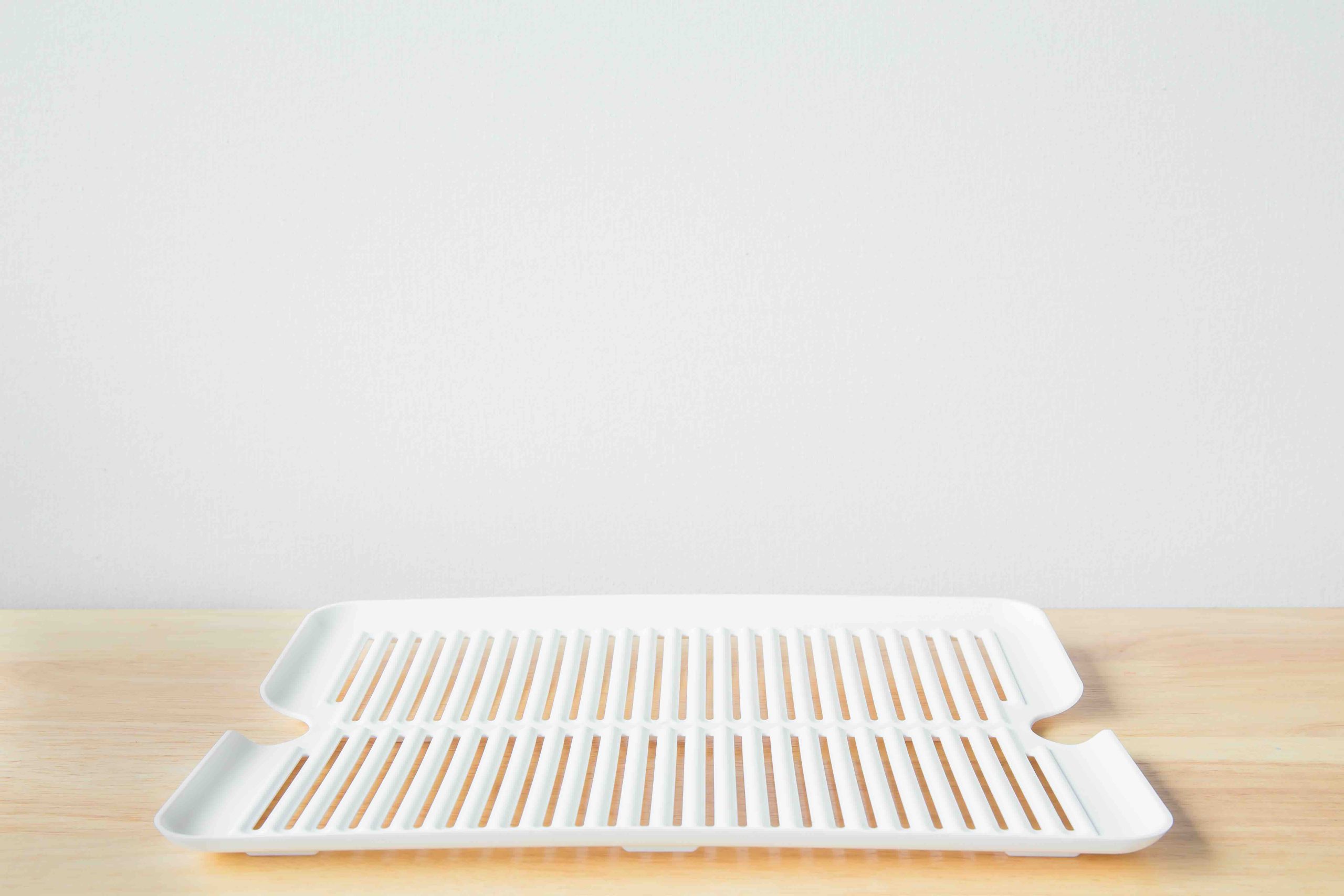
What Is a Washer Pan and Why Does Your Laundry Room Need One
If you have a washing machine sitting directly on your floor without any kind of protective tray beneath it, you are one slow leak away from a very expensive problem. A washer pan, sometimes called a washing machine drain pan, is a shallow containment tray installed underneath your washing machine. Its job is straightforward: catch water before it reaches your flooring, your subfloor, or worse, the ceiling of the room below. It sounds simple because it is, but the protection it provides is anything but minor. For homeowners who want to protect their investment and avoid the kind of water damage that quietly destroys a home from the inside out, understanding the washer pan is a genuinely worthwhile place to start.
How a Washer Pan Actually Works
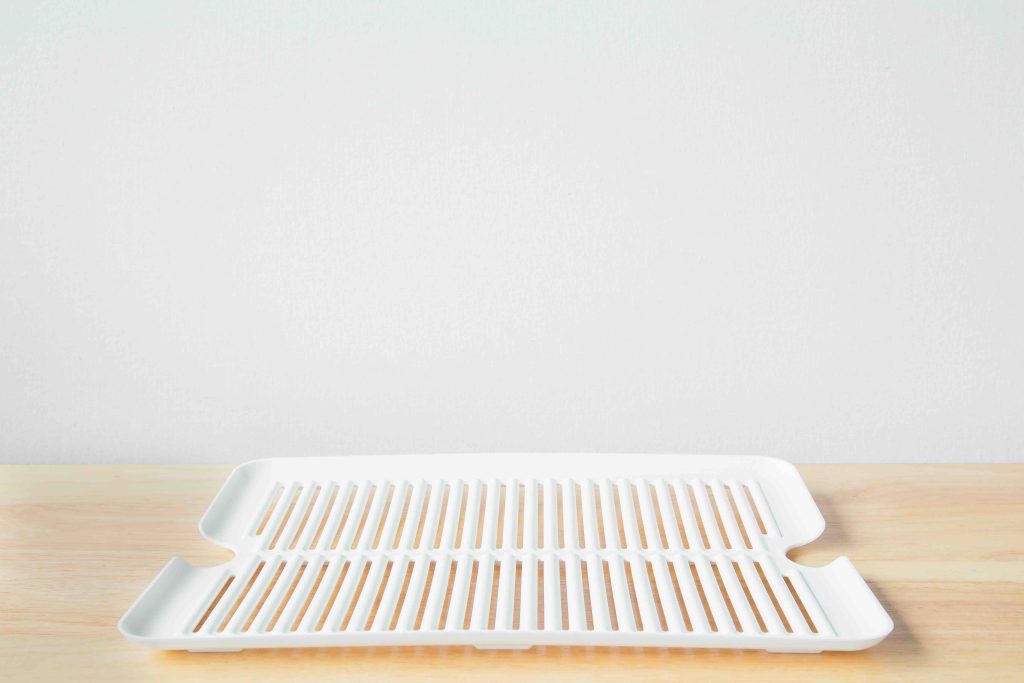
The mechanics here are not complicated, and that is part of what makes the washer pan such a reliable solution. The pan itself sits flat on the floor and your washing machine sits on top of it. The pan is typically made from high-density plastic or stainless steel and features slightly raised edges that form a shallow basin. When water escapes from the machine, whether from a loose hose connection, a cracked supply line, or a gradual seal failure, the pan catches it before it spreads. Most pans also include a drain port on the side or bottom, which allows you to connect a drain hose that routes water down into a floor drain or utility sink. Without that drain connection, the pan simply holds the water until someone notices and removes it manually. Either configuration still beats having no pan at all.
Where Washer Pans Are Most Commonly Installed
Not every home requires a washer pan, but certain installations make them practically non-negotiable. Homes with second-floor laundry rooms are at the top of that list. A leak on the second floor does not just damage the laundry room floor; it works its way through the subfloor and into the ceiling below, and that kind of water intrusion can lead to mold, structural damage, and drywall replacement that costs thousands. Washer pans are equally important in homes built on slabs where water has nowhere to go except outward across the floor. They are also a smart addition in any laundry closet or area that is adjacent to finished living space, hardwood flooring, or carpeted rooms where moisture migration would be particularly destructive.

The Key Advantages of Installing a Washer Pan
There are real, tangible reasons why building codes in many states now require washer pans in upstairs laundry installations. The benefits extend well beyond simple peace of mind.
- Flood protection from slow drips, burst hoses, and pump failures that might go unnoticed for hours
- Prevention of subfloor rot and structural damage that compounds silently over time
- Reduced risk of mold growth in areas where moisture tends to linger
- Lower likelihood of costly homeowner claims and insurance disputes tied to appliance-related water damage
- Compliance with local building codes in jurisdictions that mandate them for upper-floor or finished-space installations
Those advantages are not theoretical. Water damage is consistently one of the most common and costly home insurance claims filed each year, and a significant portion of those claims originate from appliance leaks that could have been contained with proper precautionary equipment.
Common Drawbacks and Limitations Worth Knowing
The washer pan is not a perfect solution, and it is worth being realistic about what it cannot do. A standard pan has a limited capacity, typically holding between a few quarts and a couple of gallons of water. If your washing machine experiences a catastrophic failure that dumps a full tub of water at once, a pan alone will not hold all of it. That is why pairing a washer pan with a connected drain line is so important. Additionally, pans can develop cracks over time, particularly plastic models that experience temperature shifts and the vibration cycles of a running machine. A cracked pan that is never inspected offers a false sense of security. It also does nothing to address leaks from the water supply lines above the machine, which means a burst hose at the wall connection will still bypass the pan entirely if the water sprays outward rather than downward.
Washer Pan Materials: Plastic vs. Stainless Steel
Most homeowners will encounter two primary material options when shopping for a washer pan: high-density plastic and stainless steel. Plastic pans are the more common and affordable choice. They are lightweight, easy to install, and widely available in standard sizes. The trade-off is durability; plastic can become brittle under persistent stress and may crack without much visible warning. Stainless steel pans are significantly more durable and resistant to corrosion, and they tend to hold up better over the long haul. They are also heavier and more expensive, which is why they are often found in higher-end installations or in situations where the homeowner wants a more permanent solution. Either material works well when properly installed and routinely inspected.
Installation Basics Every Homeowner Should Understand
Installing a washer pan is not a complicated project, but there are details that matter. The pan must be sized correctly for the specific machine, which means measuring the width and depth of your washing machine’s footprint before purchasing. Standard washing machines typically require a pan that is 28 to 32 inches wide. The pan should sit level on the floor to ensure water flows toward the drain port rather than pooling in a corner. If you are connecting the pan to a drain line, that line should slope appropriately toward the drain to prevent standing water. For new construction or renovation projects, the drain connection is typically roughed in by the plumber, but in retrofit situations, routing that drain line can require some creative problem-solving depending on the layout of your laundry room.
Maintenance Tips to Keep Your Washer Pan Effective
Once installed, a washer pan is one of those home components that can quietly fall off the maintenance radar for years. That is a mistake. Periodic inspection goes a long way toward keeping the pan functional and trustworthy.
- Check the pan every six months for visible cracks, discoloration, or signs of standing water
- Inspect the drain connection and hose for blockages or buildup that could cause water to back up
- Look at the washing machine hoses themselves and replace braided stainless steel hoses every five years as a preventive measure
- Clear any debris or lint that may have accumulated around the pan or drain port
- Consider installing a water leak detector inside the pan that alerts you to moisture before it becomes a larger problem
How Home Warranties Factor Into Washer Pan Protection
A washer pan protects your home, but a home warranty protects your washing machine, and the two work best in combination. When your washing machine fails due to mechanical breakdown, a home warranty plan can cover the cost of repair or replacement, which prevents you from absorbing that expense out of pocket. The appliance protection that comes with a solid home warranty plan is especially valuable because washing machines contain pumps, motors, timers, and controls that all have a finite lifespan. None of those failures are preventable through a washer pan. The pan handles water containment; the warranty handles mechanical failure. Together, they represent a genuinely comprehensive approach to laundry room protection. Armadillo home warranty plans for washing machine and appliance coverage are built with homeowners in mind, offering straightforward terms and transparent coverage without the frustrating fine print that makes some warranty programs feel like a trap. If you are thinking about adding a layer of financial protection to go alongside that washer pan, now is a good time to get a free home warranty quote for laundry appliance protection and see what coverage looks like for your home specifically.

Frequently Asked Questions About Washer Pans
Here are answers to some of the most common questions homeowners ask about washer pan installation, maintenance, and protection.
Do I really need a washer pan if my washing machine is on the ground floor?
A washer pan is not legally required in most ground-floor installations, but it is still a practical protective measure. Ground-floor leaks can damage flooring, baseboards, and adjacent rooms, so a pan remains a worthwhile investment regardless of where your laundry room is located.
What size washer pan do I need for my washing machine?
Most standard washing machines fit in a pan that is 28 to 32 inches wide. Measure the base of your specific machine before purchasing to ensure proper fit. Front-load machines may require different dimensions than top-load models, so always verify before buying.
Can I install a washer pan myself or do I need a plumber?
The pan itself can typically be installed without a professional if you are simply sliding it under an existing machine. However, if you want to connect the pan to a drain line, a plumber should handle that portion of the work to ensure proper slope and code compliance.
How much does a washer pan cost?
Plastic washer pans typically range from twenty to fifty dollars, while stainless steel models can run between seventy-five and one hundred fifty dollars or more. Drain connection kits add a modest additional cost.
Are washer pans required by building code?
Requirements vary by location. Many jurisdictions require washer pans in second-floor laundry rooms or in homes where the washing machine is installed in a finished living space. Always check your local building codes or consult a licensed contractor.
How often should I replace my washer pan?
There is no universal replacement schedule, but you should inspect your pan at least twice a year. Replace it immediately if you notice cracks, warping, or any signs of structural compromise. Plastic pans may need replacement after ten to fifteen years depending on use and conditions.
What happens if my washer pan cracks?
A cracked pan loses its ability to contain water and provides a false sense of security. If you discover a crack, replace the pan promptly. In the meantime, place absorbent materials around the machine and monitor for active leaks until the new pan is installed.
Will homeowners insurance cover water damage from a washing machine leak?
It depends on the policy and the cause of the leak. Sudden, accidental leaks are often covered, but damage resulting from slow, ongoing seepage that was not addressed may be excluded as a maintenance issue. Review your specific policy for details and exclusions.
Does a home warranty cover washing machine leaks?
Home warranties typically cover the mechanical components of a washing machine, such as the motor, pump, and controls, when they fail due to normal wear. Water damage caused by a leak is generally a homeowners insurance matter, while the appliance failure that caused the leak may fall under a home warranty.
Can a washer pan prevent all water damage from a washing machine?
No. A washer pan is a containment tool, not an absolute guarantee. It protects against overflow and minor leaks but cannot handle catastrophic failures that exceed its capacity or supply line bursts that occur above and outside the pan’s collection area. Pairing the pan with a drain connection and a leak detector provides much stronger protection.