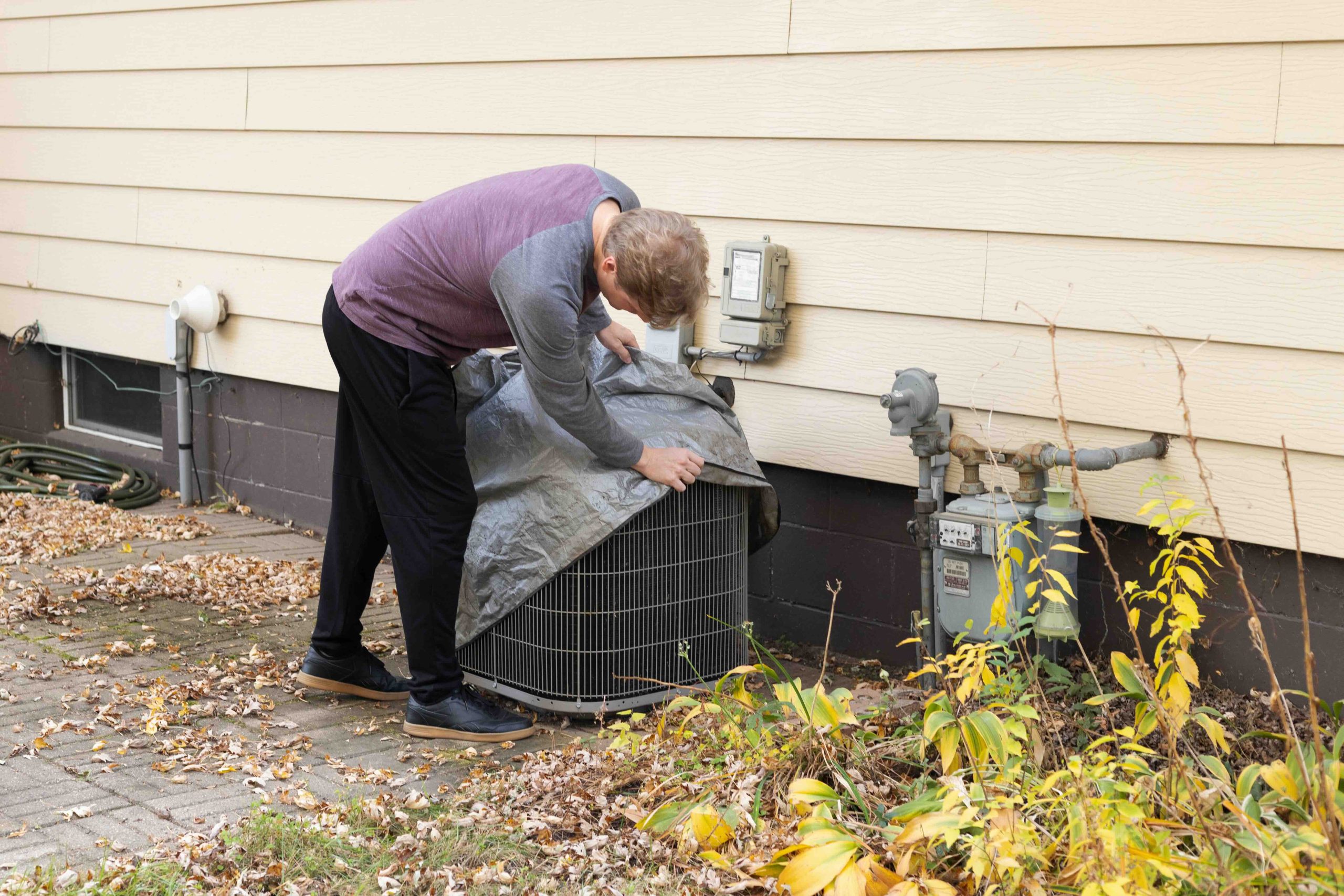
What Is an Outdoor AC Unit Cover and Why Does It Matter?
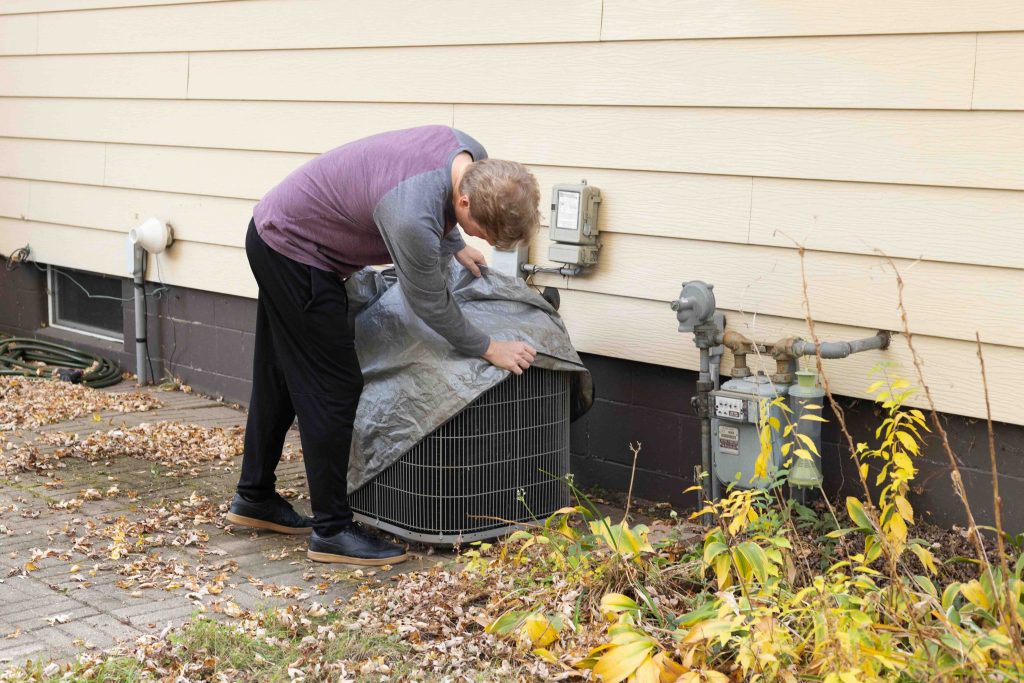
Your central air conditioning system is made up of two main components: the indoor air handler and the outdoor condenser unit. That large metal box sitting outside your home, likely humming away on a concrete pad or mounted to the side of your house, is the condenser. It houses the compressor, condenser coils, refrigerant lines, and a fan that works hard all summer to keep your home cool. An outdoor AC unit cover is exactly what it sounds like: a protective enclosure or shield designed to guard that condenser unit from the elements when it is not in active use. It sounds simple, and in many ways it is. But understanding when, why, and how to use one properly can make a real difference in the longevity of your HVAC system.
How an Outdoor AC Unit Cover Works
At its core, an outdoor AC unit cover functions as a physical barrier between your condenser and the outside world. Most covers are made from materials like heavy-duty polyester, vinyl, or breathable mesh fabrics. They are typically designed to slip over or wrap around the top and sides of the unit, secured with drawstrings, elastic bands, or hook-and-loop fasteners. The goal is to prevent debris such as leaves, twigs, ice, and dirt from settling inside the unit’s fins and coils during the off-season. Some covers are rigid and frame-mounted, while others are soft and flexible. The breathable mesh varieties are especially worth noting because they allow moisture to escape rather than trap it, which is a critical distinction for avoiding corrosion and mold buildup inside the unit.
The Key Advantages of Using an Outdoor AC Cover
There are several genuine benefits to using an outdoor AC unit cover during the appropriate season, and they are worth understanding in full before making a decision about whether to invest in one.
- Protection from falling debris like leaves, acorns, pine needles, and small branches that can clog fins and reduce airflow efficiency
- Reduced risk of ice and snow accumulation inside the unit in colder climates, particularly in regions that experience heavy winter precipitation
- Shielding against UV exposure, which over time can degrade plastic components and rubber insulation on refrigerant lines
- Prevention of nesting by small animals and insects that seek shelter in enclosed mechanical spaces during colder months
- Cosmetic protection for homeowners who simply prefer to keep the exterior of their property looking clean and orderly during off-season months
These advantages are most relevant when the cover is used correctly and seasonally, not year-round. That distinction is important and worth revisiting.
Common Drawbacks and Mistakes Homeowners Make
Here is where things get a little more nuanced. Outdoor AC unit covers are genuinely useful, but they are also one of the more commonly misused home maintenance products out there. The most significant mistake homeowners make is leaving a cover on the unit during warmer months or forgetting to remove it before turning on the system in spring. Running your AC with the cover still on can cause serious damage to the compressor, overheat the system, and potentially void your manufacturer warranty or home warranty coverage for that component. Beyond that, non-breathable covers can trap moisture against the unit’s metal surfaces, accelerating rust and corrosion rather than preventing it. Rodents can also chew through soft covers and nest inside, creating the exact problem the cover was meant to prevent. The takeaway here is that the cover itself is not the issue. The issue is using the wrong type of cover or using it at the wrong time.

What Type of Outdoor AC Cover Should You Choose?
Choosing the right cover depends on your climate, the size of your unit, and how it is installed. For homeowners in regions with mild winters, a breathable mesh top cover that only shields the top of the unit may be more than sufficient. This style allows airflow and moisture release while keeping debris out. For harsher climates with heavy snowfall and ice, a more substantial full-unit cover made from heavy-duty, water-resistant material may be appropriate, provided it includes ventilation features. You will also want to measure your condenser unit carefully before purchasing. Covers that are too loose can blow off in high winds or sag in ways that trap moisture, while covers that fit too tightly can restrict any residual airflow the unit needs. When in doubt, consult your HVAC technician for a recommendation specific to your equipment model.
When Should You Put On and Take Off the Cover?
Timing is everything with outdoor AC unit covers. In most climates, the right window to cover your condenser is after the final cooling season ends, typically in late fall after temperatures consistently drop below 60 degrees Fahrenheit. Before covering the unit, it is a smart practice to clean the fins with a gentle spray from a garden hose to remove any accumulated dirt or debris from the season. Removing the cover should happen before the first warm day you plan to run the system, and ideally, you should inspect the unit briefly before powering it on each spring. Check for signs of pest activity, corrosion, or any physical damage that may have occurred over the winter. This simple seasonal routine can extend the life of your condenser meaningfully over time.
Outdoor AC Unit Covers and Your HVAC Maintenance Routine
An outdoor AC cover is just one piece of a broader HVAC maintenance routine that every homeowner should follow. Annual professional tune-ups, regular filter changes, keeping vegetation trimmed back at least two feet from the condenser, and cleaning the coils periodically all contribute to a system that runs efficiently and lasts longer. Think of the cover as a seasonal supplement to professional care, not a replacement for it. Some homeowners assume that covering the unit adequately substitutes for annual maintenance visits. It does not. Dirt, refrigerant issues, electrical wear, and mechanical degradation happen regardless of how well-protected the exterior of the unit is. A qualified HVAC technician will catch problems that a cover simply cannot address.
How Home Warranty Coverage Relates to Your Outdoor AC Unit
This is a detail that surprises a lot of homeowners. Most quality home warranty plans include coverage for central air conditioning systems, which typically encompasses the outdoor condenser unit. However, coverage is generally contingent on the system being properly maintained and on failures that result from normal mechanical wear rather than neglect or physical damage. Using an outdoor AC cover correctly is actually a form of demonstrating reasonable care for your system, which supports any potential warranty claim related to the unit. Conversely, damage caused by improper cover use, such as a motor failure from running the unit with the cover on, could be classified as owner-caused damage and fall outside the scope of coverage. Knowing your home warranty terms well is just as important as knowing how to maintain your equipment.
Practical Tips for Getting the Most Out of Your Outdoor AC Cover
- Always remove the cover before powering on the AC system for the first time each season
- Use a breathable cover whenever possible to prevent moisture buildup and corrosion
- Measure your unit before purchasing and look for a cover with secure fastening to handle wind
- Inspect the unit and the cover for pest activity each spring before startup
- Clean the exterior of the condenser before covering it at the end of the cooling season
- Never cover the unit in summer or during any period when you may need to run the air conditioning unexpectedly
- Store the cover in a dry location during the cooling season to extend its lifespan
Why Armadillo Is the Right Home Warranty Partner for HVAC-Conscious Homeowners
Taking care of your outdoor AC unit with a quality cover and a consistent maintenance routine is a smart move. But even the most diligent homeowners cannot prevent every mechanical failure. Compressors wear out. Capacitors fail. Refrigerant lines develop issues. That is where having a reliable home warranty plan becomes genuinely valuable, especially for a system as expensive as central air conditioning. Armadillo was built specifically for homeowners who take their homes seriously and want straightforward, honest protection without confusing fine print. If you are looking for comprehensive home warranty coverage for your HVAC system and other critical home equipment, Armadillo offers plans designed around transparency and real-world usefulness. When an unexpected repair hits, you will want a partner who responds quickly and pays fairly. You can get a personalized home warranty quote that covers your outdoor AC unit and more in just a few minutes, with no pressure and no guesswork.

Frequently Asked Questions About Outdoor AC Unit Covers
Answers to the most common questions homeowners have about protecting their outdoor condenser units.
Should I cover my outdoor AC unit in the winter?
In most cases, yes, a cover is appropriate during winter months when the system is not in use, particularly in climates with heavy snowfall, ice, or significant debris. Use a breathable cover designed specifically for condenser units and always remove it before operating the system in spring.
Can I leave an outdoor AC cover on year-round?
No. Leaving a cover on year-round, especially during warmer months when you may need to run the system, poses a serious risk of equipment damage. Running the AC with the cover on can overheat the compressor and cause mechanical failure.
Will covering my outdoor AC unit void my warranty?
Using a cover correctly should not void your warranty. However, damage caused by improper cover use, such as running the system while covered, could be considered owner-caused damage and may fall outside manufacturer or home warranty coverage.
What is the best material for an outdoor AC unit cover?
Breathable mesh or weather-resistant polyester with ventilation features are generally the best options. These materials protect against debris and moisture intrusion while allowing airflow that prevents condensation and corrosion from building up inside the unit.
How do I know what size cover to buy for my AC condenser?
Measure the height, width, and depth of your outdoor condenser unit before purchasing a cover. Most manufacturers list unit dimensions in the product documentation or on a label affixed to the unit itself. A proper fit prevents the cover from blowing off or trapping excess moisture.
Do outdoor AC covers prevent pests from nesting in the unit?
A well-fitted cover can help deter pests, but it is not a guaranteed solution. Some animals and insects can chew through soft fabric covers. Inspect the unit and cover each spring for signs of pest activity before running the system.
Is it necessary to clean my AC unit before covering it for winter?
Yes. Cleaning the exterior fins and housing with a gentle spray from a garden hose before covering the unit removes accumulated dirt and organic debris that could hold moisture against the metal surfaces and contribute to corrosion over the winter months.
Does a home warranty cover the outdoor AC condenser unit?
Most comprehensive home warranty plans do include coverage for the central air conditioning system, which typically encompasses the outdoor condenser unit and its components. Coverage is generally subject to the system being properly maintained and failures resulting from normal mechanical wear.
Can I make my own outdoor AC unit cover?
Technically yes, but it is not recommended unless you are using materials that are breathable, weather-resistant, and appropriately sized. Improvised covers from tarps or plastic sheeting often trap moisture and can do more harm than a purpose-built product designed for condensers.
How often should I replace my outdoor AC unit cover?
Most quality outdoor AC covers last between three and five years depending on climate, material quality, and how well they are stored during the cooling season. Inspect your cover each fall before use and replace it if you notice significant wear, tears, or compromised fasteners.