When Your GFCI Outlet Stops Working: What Homeowners Need to Know
You go to plug something in, and nothing happens. You check the breaker, everything looks fine, but the outlet is completely dead. Sound familiar? Chances are you are dealing with a GFCI outlet that has either tripped, failed, or was never properly grounded to begin with. It is one of the most common electrical complaints homeowners face, and also one of the most misunderstood. The good news is that understanding how these outlets work puts you in a much better position to know when to handle it yourself and when to call a professional.
What Is a GFCI Outlet and Why Does It Exist
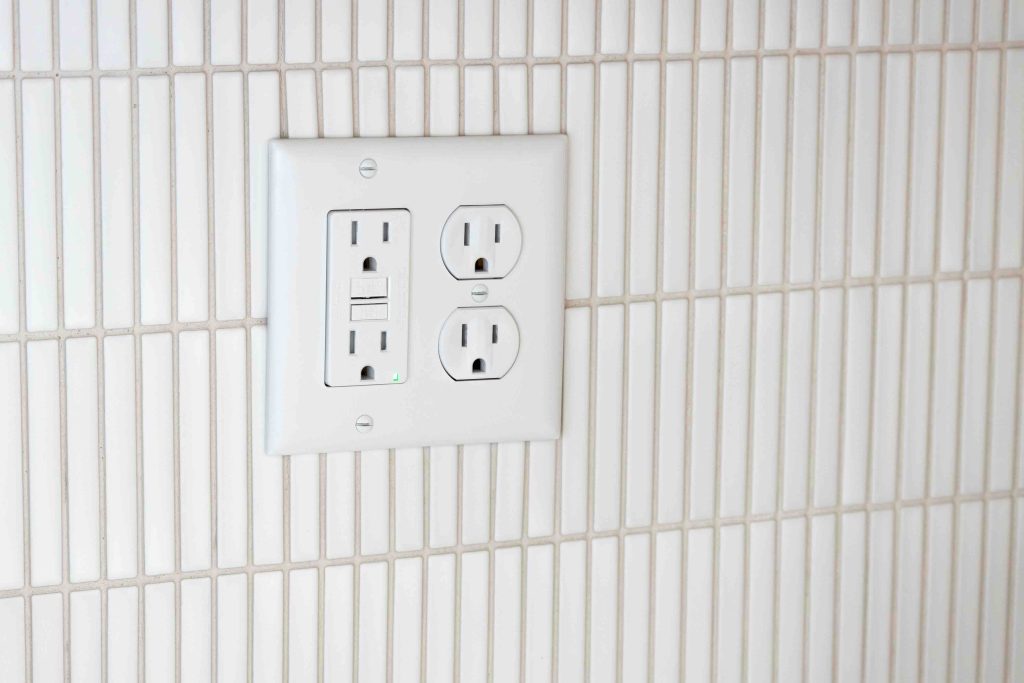
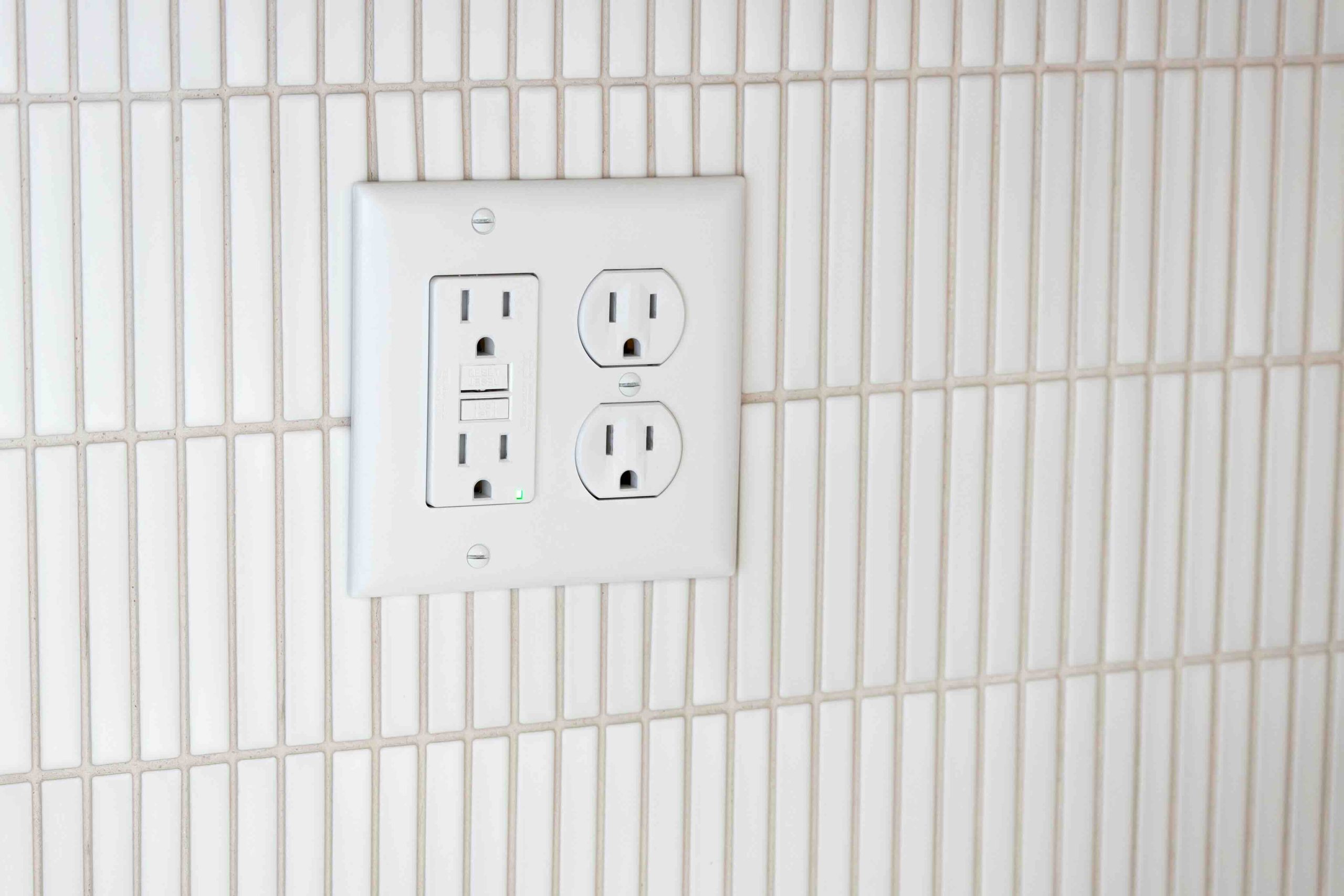
GFCI stands for Ground Fault Circuit Interrupter. It is a specialized electrical outlet designed to protect people from electric shock by monitoring the flow of electricity through a circuit. When the outlet detects even a small imbalance in the current, it cuts power almost instantly, typically within milliseconds. That rapid response is what makes it a life-saving device. These outlets are most commonly found in kitchens, bathrooms, garages, outdoor spaces, and anywhere electricity might come into contact with water. You can recognize them by the small TEST and RESET buttons located between the two plug receptacles on the face of the outlet.
How the Test and Reset Buttons Actually Work
The TEST button is designed to simulate a ground fault, which causes the outlet to cut power intentionally. This lets you verify the outlet is functioning correctly. When you press TEST, the RESET button should pop out and the outlet should lose power. Pressing RESET restores power by re-engaging the internal mechanism. If you press TEST and nothing happens, or if you press RESET and the outlet still does not work, you likely have a failed GFCI outlet on your hands. This is not just an inconvenience, it is a safety concern that warrants attention.

Common Reasons a GFCI Outlet Stops Working
There are several reasons a GFCI outlet may stop functioning properly, and not all of them point to the outlet itself. Understanding the most frequent causes can save you time and unnecessary frustration.
- The outlet tripped due to a ground fault and simply needs to be reset
- The RESET button was pressed before the outlet was fully ready to reset, causing it to remain unresponsive
- The outlet has reached the end of its lifespan and the internal mechanism has failed
- There is a wiring issue upstream that is preventing the outlet from resetting
- The circuit is overloaded, which trips the outlet repeatedly
- Moisture intrusion has damaged the outlet internally
- The outlet was installed incorrectly and was never grounded properly
The Grounding Issue That Often Gets Overlooked
Grounding is a foundational concept in residential electrical systems, and it is one that creates real confusion. A grounded outlet gives excess electricity a safe path to the earth, which prevents shock and equipment damage. Many older homes were built with two-prong ungrounded outlets, and over time, homeowners replaced them with three-prong outlets without updating the wiring behind them. The result is an outlet that looks grounded but actually is not. A GFCI outlet can legally be installed in place of an ungrounded outlet because it provides shock protection even without a ground wire, but only if it is labeled correctly as having no equipment ground. Skipping that label is where things get problematic, both from a safety and a home warranty standpoint.
How to Troubleshoot a GFCI Outlet That Is Not Working
Before assuming the outlet needs to be replaced, walk through a basic troubleshooting sequence. Start by looking for other GFCI outlets nearby that may have tripped, since one outlet can control several others on the same circuit. Press the RESET button firmly, making sure you feel and hear it click into place. Check your electrical panel for any tripped breakers related to that circuit. If the outlet still does not work after resetting and checking the panel, test it with a plug-in outlet tester, which is an inexpensive tool available at any hardware store. At that point, if the outlet is confirmed dead or consistently fails to hold a reset, replacement is the appropriate next step.
When to Call a Licensed Electrician
Some electrical issues are well within a capable homeowner’s ability to address, but others require professional intervention. You should contact a licensed electrician if the outlet repeatedly trips with nothing plugged in, if there is visible burn marks or melting around the outlet, if you detect a burning smell near the outlet, or if the outlet fails immediately after replacement. Similarly, if you are unsure whether your outlets are properly grounded, having an electrician perform an evaluation of your home’s electrical system is a smart investment. Electrical problems that go unaddressed have a way of escalating into much larger and more expensive issues.
Key Advantages of Properly Functioning GFCI Outlets
When GFCI outlets are installed correctly and functioning as intended, the benefits extend well beyond basic convenience.
- Protection against electric shock in wet or high-risk areas of the home
- Compliance with current National Electrical Code requirements for new construction and renovations
- Reduced risk of electrical fires caused by ground faults
- Ability to protect multiple downstream outlets from a single GFCI installation
- Improved safety for children, elderly residents, and anyone using appliances near water
Common Drawbacks Homeowners Should Know About
GFCI outlets are not without their limitations. They can be overly sensitive, tripping in response to minor current fluctuations that do not actually pose a safety risk. This is especially common with older appliances, power tools, or certain types of equipment with high startup currents. GFCI outlets also have a finite lifespan, generally around ten years, after which the internal mechanism can degrade. Outdoor GFCI outlets are particularly vulnerable to weather-related wear. And as mentioned earlier, installation errors are surprisingly common, particularly in older homes where the electrical infrastructure was never designed to accommodate modern safety devices. The outlet may appear to work while the underlying grounding issue remains unresolved.
How a Home Warranty Can Help When Electrical Outlets Fail
Electrical issues, including GFCI outlet failures, fall within the scope of what a quality home warranty plan can cover when the failure is due to normal wear and breakdown rather than improper installation or pre-existing conditions. That distinction matters in the home warranty industry, which is why understanding what your plan covers before a problem occurs is so important. If you are looking for coverage that is straightforward and actually delivers when something goes wrong, Armadillo home warranty plans built around real homeowner needs are worth a close look. Armadillo approaches home protection with transparency and clarity, so you know exactly what is and is not covered. When your GFCI outlet fails and an electrician confirms it is a covered breakdown, the last thing you want is a complicated claims process. You can get a fast home warranty quote for electrical system coverage and see exactly what protection looks like for your home without any pressure or confusion.

Frequently Asked Questions About GFCI Outlets and Home Electrical Coverage
Below are answers to the questions homeowners ask most often about GFCI outlets, grounding, and home warranty coverage for electrical issues.
Why does my GFCI outlet keep tripping even with nothing plugged in?
A GFCI outlet that trips repeatedly without any load on it typically indicates a wiring fault in the circuit, moisture inside the outlet, or a failing outlet that needs to be replaced. An electrician can diagnose the root cause and determine whether the issue is isolated to the outlet or involves the broader circuit.
Can I reset a GFCI outlet myself?
Yes. Press the RESET button firmly until you feel it click. If the outlet does not restore power after pressing RESET, check whether another GFCI outlet on the same circuit has tripped, and also check your electrical panel for a tripped breaker. If none of those steps resolve the issue, the outlet itself may have failed.
What does it mean if my GFCI outlet will not reset?
If your GFCI outlet will not reset, it usually means there is still a fault present in the circuit, the outlet has failed internally, or the wiring connected to the outlet has an issue that is preventing the reset mechanism from engaging. In most cases, a failed outlet will need to be replaced by a qualified electrician.
Are GFCI outlets required in all areas of the home?
The National Electrical Code requires GFCI protection in areas where water is present or nearby, including bathrooms, kitchens, garages, outdoor spaces, crawl spaces, unfinished basements, and near swimming pools or hot tubs. Requirements have expanded over successive code updates, so older homes may not meet current standards.
How do I know if my outlets are properly grounded?
The most reliable way to check grounding is to use an inexpensive plug-in outlet tester, which uses a pattern of lights to indicate whether the outlet is correctly wired, ungrounded, or has a reversed wiring condition. For a thorough assessment of your home’s entire electrical system, a licensed electrician can perform a comprehensive evaluation.
Can a GFCI outlet work without a ground wire?
Yes. A GFCI outlet provides shock protection regardless of whether a ground wire is present, which is why the National Electrical Code permits using them as replacements for ungrounded two-prong outlets. However, the outlet must be labeled with a sticker indicating there is no equipment ground, and the grounding issue should still be addressed when possible.
How long do GFCI outlets typically last?
Most GFCI outlets have a functional lifespan of approximately ten years, though outdoor outlets or those in humid environments may fail sooner. It is a good practice to test your GFCI outlets monthly using the TEST button and to replace any outlet that fails the test or is more than a decade old.
Does a home warranty cover GFCI outlet failures?
Coverage depends on the specific plan and provider. Many home warranty plans cover electrical system components, including outlets, when the failure is due to normal wear and mechanical breakdown. Failures caused by improper installation, code violations, or pre-existing conditions are typically excluded, so reviewing your plan terms carefully is important.
Is it safe to use an ungrounded outlet with a three-prong plug adapter?
Using a three-prong to two-prong adapter, also called a cheater plug, does not create a grounded outlet. It simply allows a three-prong plug to fit into an ungrounded two-prong outlet. This can be a safety hazard for sensitive electronics and does not provide the same level of protection as a properly grounded or GFCI-protected outlet.
What is the difference between a tripped GFCI outlet and a tripped circuit breaker?
A tripped GFCI outlet is caused by a detected imbalance in the current running through that specific outlet or circuit segment, and it is reset at the outlet itself using the RESET button. A tripped circuit breaker is caused by an overload or short circuit affecting the entire circuit and is reset at the electrical panel. Both can result in a dead outlet, which is why checking both is part of effective troubleshooting.