Garbage Disposals: What Every Homeowner Should Know Before Flipping That Switch
If you have ever stood at your kitchen sink wondering whether to scrape leftover food into the trash or just rinse it down the drain, you already understand the basic appeal of a garbage disposal. It is one of those appliances that sounds simple on the surface but comes with a surprisingly layered set of considerations once you start digging in. Whether you are thinking about installing one for the first time, replacing an aging unit, or just trying to figure out if yours is worth keeping, this guide breaks it all down in plain terms. The home warranty industry sees garbage disposal claims regularly, which means there is real data behind what goes wrong and why. So let us start from the beginning.
What Is a Garbage Disposal and How Does It Actually Work
A garbage disposal is an electrically powered unit installed beneath your kitchen sink, between the drain and the trap. When you run water and flip the switch, a spinning plate called an impeller rotates at high speed inside a grinding chamber. The impeller uses blunt force, not sharp blades as many people assume, to throw food waste against a stationary grind ring. That ring breaks the waste down into small particles, which are then flushed through your plumbing with running water. Most residential units run on a standard 120-volt circuit, and installation typically connects directly to the dishwasher drain line as well. The whole process takes seconds, which is part of the reason disposals have become such a standard fixture in American kitchens.
The Real Advantages of Having a Garbage Disposal
Convenience is the most obvious benefit, but it is worth unpacking because it goes deeper than just saving yourself a trip to the trash can. Here is what disposals genuinely do well:
- They reduce the volume of organic waste sent to landfills, which can have a meaningful environmental impact over time
- They help keep your kitchen sink area cleaner and reduce the likelihood of foul odors caused by food sitting in a trash bin
- They save time during meal cleanup, especially for households that cook frequently
- They can lower your exposure to bacteria and pests that are attracted to food waste in open trash cans
- They add functional value to a kitchen and are often expected by buyers in the resale market
From a home value standpoint, a working garbage disposal is not exactly a selling point that makes headlines, but its absence can actually be a mild negative for prospective buyers. For everyday living, the time savings alone make a compelling case for most households.
Common Drawbacks That Homeowners Do Not Always Anticipate
Here is where things get more nuanced. Garbage disposals are not without their complications, and being aware of them upfront saves a lot of frustration down the road. The biggest concerns tend to fall into a few categories: plumbing impact, maintenance demands, and mechanical failure. Disposals increase the load on your plumbing system, and if your pipes are older or your home has known drainage issues, a disposal can accelerate those problems. Grease, fibrous vegetables, and starchy foods are common culprits that clog the unit or the pipes below it, regardless of what any manufacturer’s marketing might suggest. There is also the matter of water usage. Running a disposal requires a consistent flow of cold water, which means your water consumption goes up incrementally over time. And from a home warranty perspective, disposals are one of the more commonly claimed kitchen appliances because the mechanical components experience real wear and do fail, often at inconvenient moments.

What You Should and Should Not Put Down a Garbage Disposal
This is probably the most practical section of this entire article, because misuse is the number one cause of disposal problems. Most service calls could be avoided entirely with a little education. The rule of thumb is that disposals handle soft food waste reasonably well, but they are not designed to be a catch-all for every scrap that misses the plate. Hard materials like bones, fruit pits, and shells can damage the impeller plate or the motor over time. Fibrous foods like celery, artichokes, and asparagus can wrap around the grinding mechanism and cause jams. Starchy foods such as pasta, rice, and potato peels expand with water and create thick pastes that clog pipes. And grease, regardless of how liquid it looks when hot, solidifies as it cools and coats the interior of your drain lines. Running cold water before, during, and after use is not optional. It is essential. That cold water helps solidify any fats so they can be broken down rather than coating your pipes as a liquid.
How to Maintain a Garbage Disposal and Extend Its Lifespan
The average garbage disposal lasts between eight and fifteen years depending on usage patterns and build quality. Regular maintenance is what keeps a unit performing at the high end of that range. Running cold water for a full thirty seconds after each use clears residual waste from the drain line. Grinding a few ice cubes periodically helps clean the grinding chamber and can sharpen the impeller edges slightly. A mixture of baking soda and white vinegar used monthly will neutralize odors and keep the interior from developing buildup. Citrus peels, often cited as a freshening agent, do help with odor but should be used sparingly since the oils can sometimes leave residue. If your disposal starts humming without spinning, that usually means the impeller is jammed, and most units include a hex key socket at the bottom of the motor housing that allows you to manually free the mechanism. That small fix saves a lot of people from an unnecessary service call.
Understanding Garbage Disposal Repairs and When to Replace
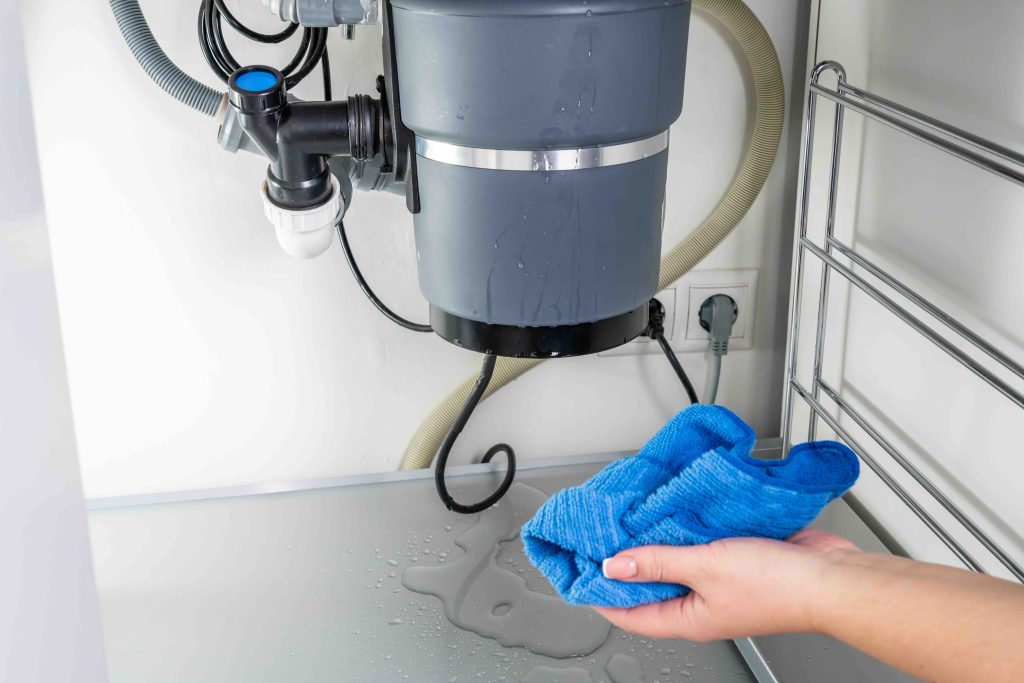
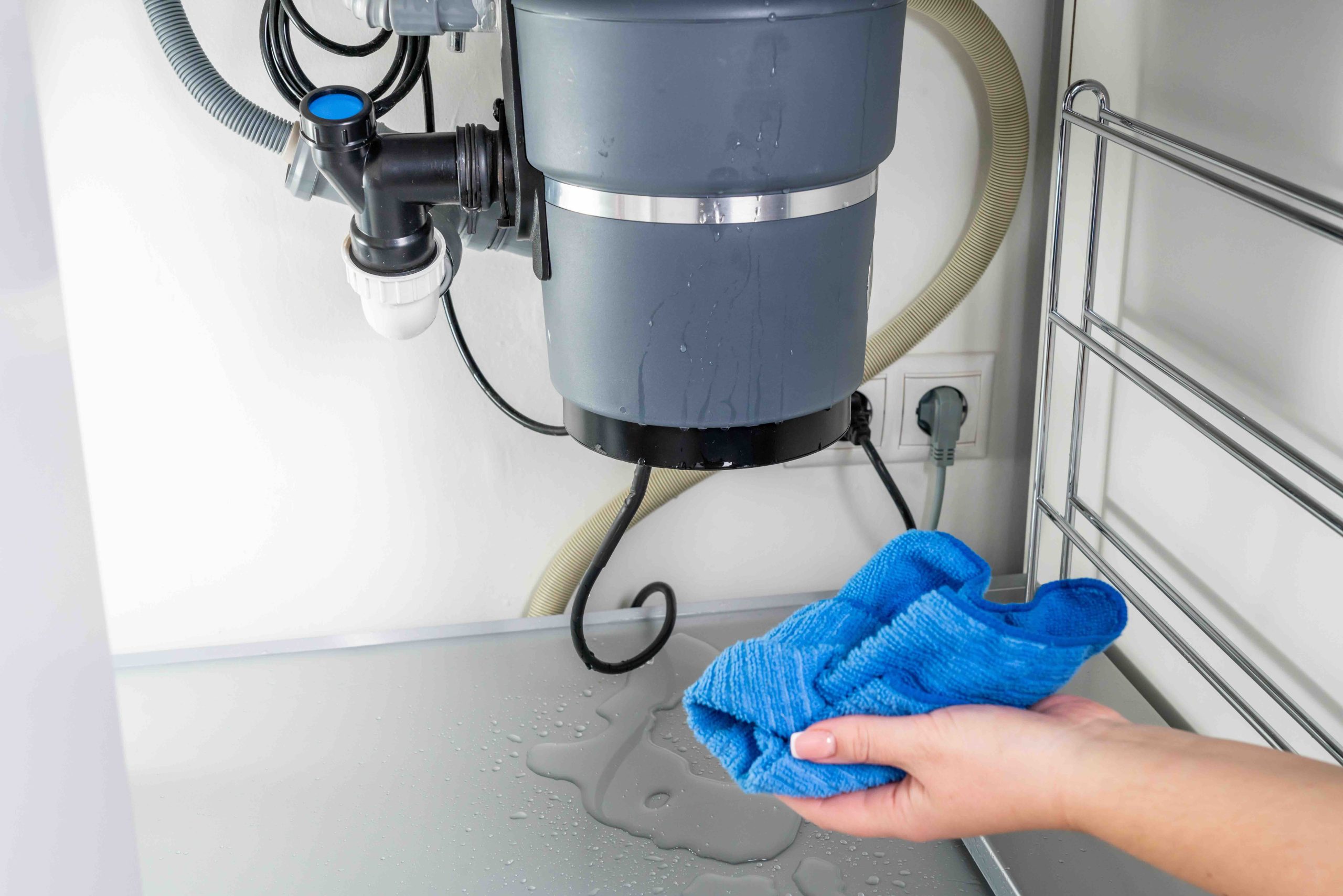
Homeowners often face a decision point when their disposal starts showing signs of failure. Persistent leaks from the body of the unit rather than from the connections usually signal a cracked housing, which is not repairable. Frequent resets, loud grinding noises, or motor burnout are all signs that replacement is the smarter financial move compared to continued repairs. The cost of a new unit ranges widely based on motor power and brand, but mid-range residential models tend to offer the best balance of durability and price. If your unit is older than ten years and has required multiple repairs, replacement is almost always the more cost-effective path. This is exactly the kind of situation where having a home warranty in place changes the financial equation significantly, because covered repairs and replacements shift the burden off your household budget.
Garbage Disposals and Home Warranty Coverage Explained
Not all home warranty plans cover garbage disposals, and the ones that do often have specific conditions. Coverage typically applies to mechanical and electrical failures that result from normal use, which is the industry standard definition across most plans. What is generally excluded includes damage caused by misuse, physical abuse, or clogs resulting from improper items being disposed of. This distinction matters because a jammed disposal caused by someone grinding the wrong materials is typically not a covered event, while a motor that fails due to age and normal wear typically is. Reading the fine print of any warranty plan before assuming coverage is essential. From a value standpoint, including your disposal in a comprehensive home warranty plan makes sense because the appliance does fail, replacement costs are real, and the inconvenience of a non-functional kitchen sink is felt immediately.
Choosing the Right Garbage Disposal for Your Home
Motor size is the most important specification to evaluate. Residential disposals range from one-third horsepower on the low end to one full horsepower for heavy-duty household use. Larger households or those who cook frequently will benefit from a three-quarter or one horsepower unit, which handles harder food waste more effectively and is less prone to jamming. Sound insulation is another consideration, and higher-end models include noise-dampening features that make a noticeable difference in open-concept kitchens. Batch feed models, which require a stopper to activate, add a layer of safety compared to continuous feed models, which run whenever the switch is on. Installation is manageable for confident DIYers but involves both plumbing and electrical connections, so professional installation is advisable for those unfamiliar with either discipline.
Why Armadillo Is the Smart Choice for Homeowners with Kitchen Appliances to Protect
Owning a garbage disposal means owning a mechanical appliance that will eventually need attention. That is simply the reality of any system with a motor and moving parts. When that moment arrives, the question is not whether you will need help but whether you will be financially prepared for it. Armadillo home warranty plans designed to protect kitchen appliances including garbage disposals are built around transparency and real coverage, not pages of exclusions designed to avoid paying claims. Armadillo approaches home protection the way it should be approached: honestly, efficiently, and with the homeowner’s actual experience in mind. If you are ready to stop wondering what a repair will cost and start knowing you are covered, you can get a personalized home warranty quote that covers your garbage disposal and major home systems in just a few minutes. Protecting the systems and appliances that make your home run is not an afterthought. It is just good planning.

Frequently Asked Questions About Garbage Disposals
The following questions reflect what homeowners most commonly want to know about garbage disposals, from basic operation to warranty coverage and everything in between.
How long does a garbage disposal typically last?
Most garbage disposals last between eight and fifteen years with proper use and routine maintenance. Units that are overloaded frequently or used to grind inappropriate materials tend to fail earlier.
Is it bad to run a garbage disposal without water?
Yes. Running a disposal without water can cause the motor to overheat and prevents food particles from being flushed through the drain line. Always run cold water before, during, and after use.
What foods should never go in a garbage disposal?
Avoid grease, oil, pasta, rice, potato peels, celery, artichokes, bones, fruit pits, coffee grounds in large quantities, and eggshells. These items cause jams, clogs, and accelerated wear on the grinding mechanism.
Does a home warranty cover garbage disposal repairs?
Many home warranty plans do cover garbage disposal repairs and replacements resulting from normal mechanical failure. Coverage for damage caused by misuse or clogs from improper items is typically excluded, so reviewing your specific plan is important.
Why is my garbage disposal humming but not spinning?
A humming disposal that will not spin is almost always jammed. Use the hex key that came with your unit, or a standard quarter-inch Allen wrench, to manually rotate the impeller from the socket at the bottom of the motor housing. This usually resolves the issue without a service call.
Can a garbage disposal cause plumbing problems?
Yes, particularly in homes with older or narrower drain lines. Regular disposal use increases the amount of material passing through your pipes, which can accelerate the buildup of grease and food residue and lead to clogs over time.
Is it worth repairing an old garbage disposal or should I just replace it?
If the unit is more than ten years old and has required multiple repairs, replacement is generally the more cost-effective decision. A mid-range new unit often costs less than repeated service calls on an aging motor.
What size garbage disposal do I need for my home?
For smaller households with light cooking habits, a one-third to one-half horsepower unit is sufficient. Larger households or those who cook frequently should consider a three-quarter to one horsepower model for better performance and longer lifespan.
Can I install a garbage disposal myself?
Replacement of an existing disposal with the same mount type is manageable for confident DIYers. New installations that require electrical work or drain modification are better handled by a licensed professional to ensure code compliance and safety.
Does a garbage disposal affect water usage?
Yes, modestly. Running a disposal requires a steady flow of cold water, which adds to your household water consumption over time. The increase is generally minor but worth noting for homeowners mindful of water conservation.