Why Your Stove Won’t Light and What You Can Do About It
There is something quietly maddening about turning a burner knob and hearing nothing. No click. No flame. Just silence, and whatever you were planning to cook sitting there, waiting. A stove that will not light is one of those household problems that feels small until it is not. And if you have never dealt with it before, it is easy to wonder whether the appliance is done for or whether something simple is going on under the surface. Spoiler: it is usually something simple. This guide walks through how your stove actually works, what causes ignition failures, how to troubleshoot them, and when it makes sense to call in a professional rather than keep testing things yourself.
How Gas Stove Ignition Actually Works
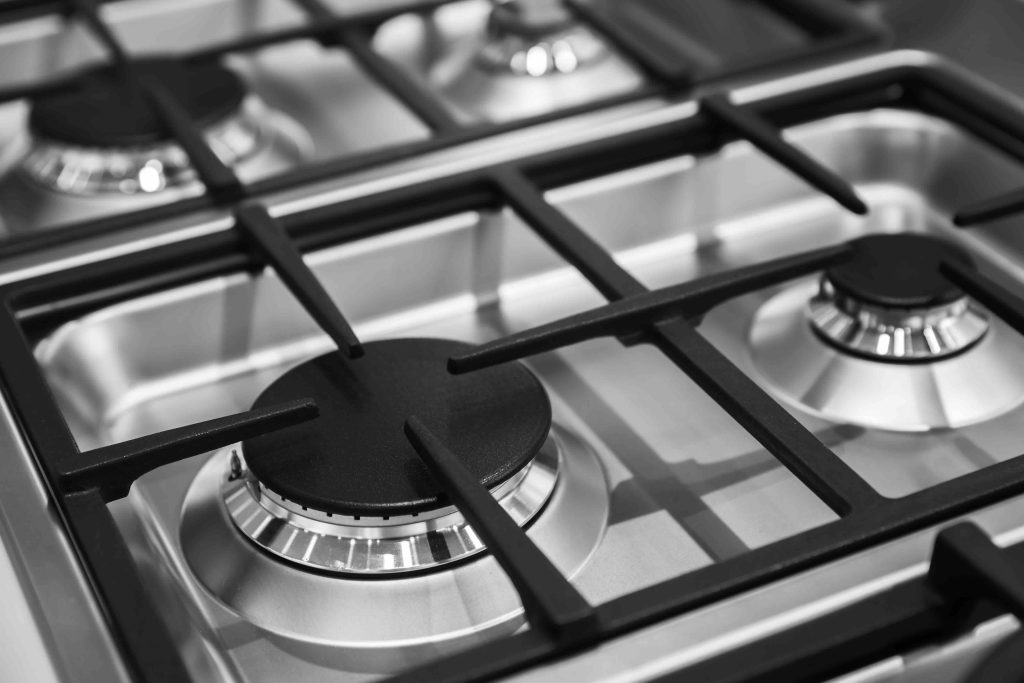
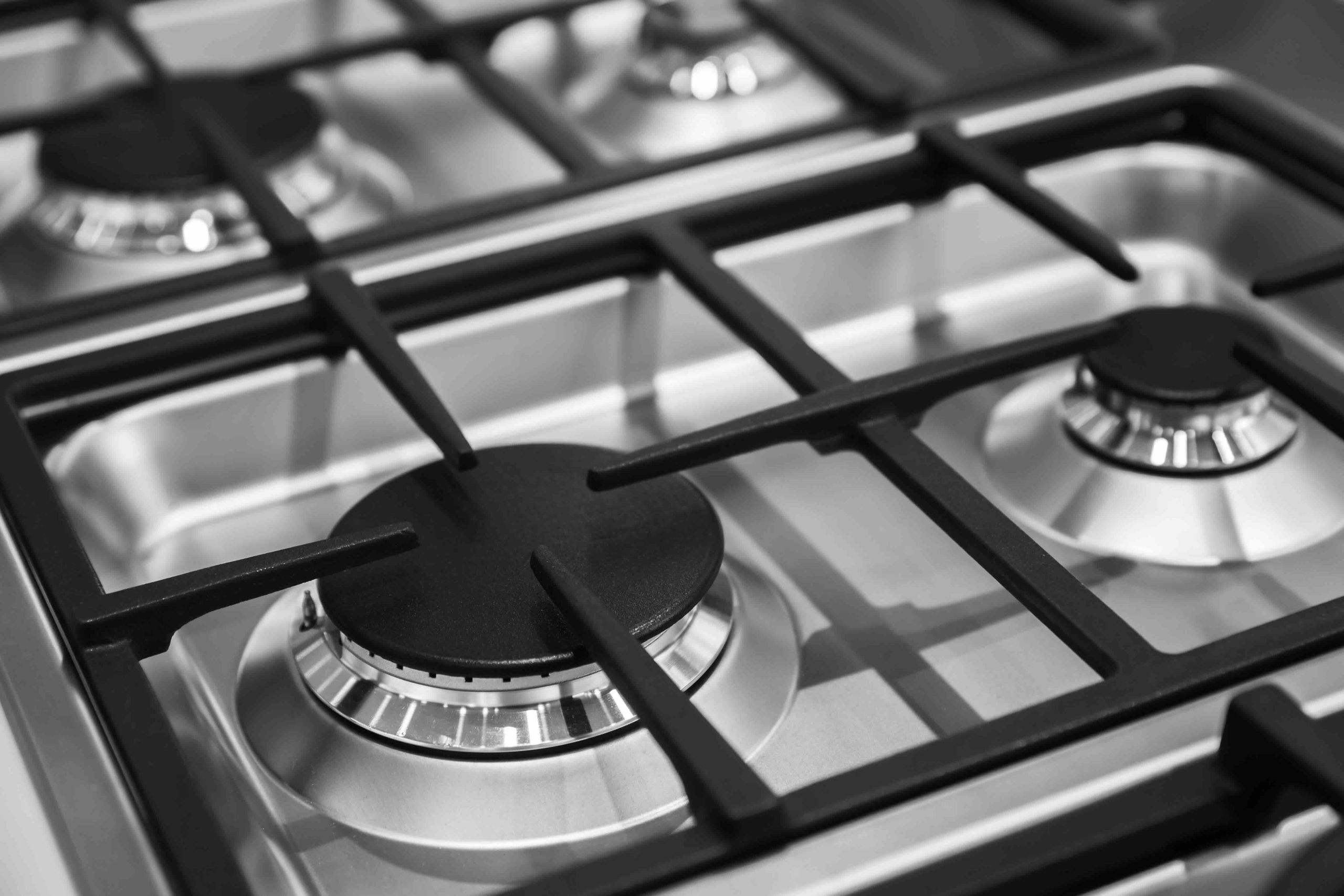
Most modern gas stoves use an electronic ignition system rather than a standing pilot light. When you turn the burner knob, two things happen: the gas valve opens, and the igniter receives an electrical signal that causes it to spark. That spark ignites the gas, and you get your flame. The igniter itself is a small ceramic electrode positioned right next to the burner. It is designed to take a beating, but it is not indestructible. The system also involves the igniter switch, the control module, and the burner cap, all of which need to be in good working order for the whole process to succeed. If any single component in that chain fails or gets blocked, the burner will not light. Understanding that sequence makes it a lot easier to figure out where something went wrong.
The Most Common Reasons a Stove Burner Stops Lighting
Before assuming the worst, it helps to know what actually causes this problem most of the time. The list is shorter than you might expect, and several of the culprits are completely fixable without any special tools or technical knowledge.
- Food debris or moisture clogging the burner cap or igniter port
- A wet or dirty igniter caused by a recent boilover
- A misaligned burner cap that is sitting off-center after cleaning
- A worn or cracked igniter electrode
- A faulty igniter switch that is not sending the spark signal
- A tripped circuit breaker cutting power to the ignition system
- A gas supply issue at the valve or connection
Most service calls for stoves that will not light turn out to be one of those first three items. Boilovers are common, and when liquid seeps into the igniter housing, it prevents the spark from firing. Give it time to dry, sometimes overnight, and the problem resolves on its own. That is worth trying before calling anyone.
Step-by-Step Troubleshooting for a Stove That Will Not Light
Start with the basics. First, check whether the clicking sound is present at all. If you hear clicking but no flame, gas flow is likely the issue. If there is no clicking whatsoever, the problem is probably electrical. From there, remove the burner grate and the burner cap. Look at the igniter closely. If it appears wet, dark, or visibly dirty, clean it carefully using a dry cloth or a soft brush. Avoid anything abrasive. Reposition the burner cap firmly and symmetrically, because even a slight misalignment will prevent the gas from reaching the igniter in the right way. Check whether the issue affects all burners or just one. If it is just one burner, the problem is likely localized to that igniter or cap. If no burners are lighting, you may have a control module issue or a power interruption. Check your breaker panel for a tripped breaker, even on a gas stove, because the ignition system runs on electricity.
When Cleaning Is Not Enough
There are situations where the standard troubleshooting steps do not get the job done. If the igniter is visibly cracked or broken, it needs to be replaced. If the spark module, which is the component that distributes the electrical signal to each igniter, has failed, multiple burners will be affected and the fix requires more than a surface cleaning. A faulty igniter switch, located behind the control knob, is another component that can degrade over time and eventually stop triggering the spark altogether. These repairs are manageable for someone with appliance repair experience, but for most homeowners, they cross the line from DIY territory into professional repair territory. Attempting to access internal components without proper knowledge can lead to additional damage or safety concerns, particularly where gas lines are involved.

Safety Considerations You Should Not Skip
If you smell gas at any point during this process, stop what you are doing. Do not attempt to light the burner, do not flip any switches, and do not use your phone inside the home. Leave the house, leave the door open if it is safe to do so, and call your gas utility provider from outside. A stove that will not light is almost always a mechanical or electrical issue rather than a gas leak, but the smell of gas changes the situation entirely. For issues that do not involve a gas odor, the risk level is relatively low, but you should still turn off the gas supply to the stove before removing any components or inspecting the burner area. Basic caution goes a long way with gas appliances.
Gas vs. Electric Stoves and Ignition Failures
Electric stoves do not have ignition systems in the traditional sense, so this particular issue is specific to gas ranges. However, electric stoves have their own failure modes, including burners that will not heat, faulty coils or smooth-top elements, and control board problems. If you are shopping for a replacement stove and wondering whether to switch fuel types, ignition reliability is one factor worth weighing. Gas stoves offer faster heat response and tend to be preferred for cooking performance, but they introduce components that can fail in ways electric stoves simply do not. Neither type is categorically more reliable, but knowing how each one works helps you respond faster when something goes wrong.
How Appliance Age Affects Ignition Problems
Stoves are generally built to last somewhere between 13 and 15 years, though well-maintained units often outlast that range. As a stove ages, the igniter electrodes become more brittle, the wiring can degrade, and the spark module becomes more prone to failure. If you are dealing with repeated ignition issues on a stove that is already a decade or more old, you are likely entering a cycle of recurring repairs. At some point, the cost of continued repairs outweighs the cost of replacement. A good rule of thumb: if a single repair costs more than half the price of a comparable new appliance, replacement is worth serious consideration. Your repair technician should be able to give you a realistic sense of the appliance’s remaining lifespan during the service call.
Preventive Maintenance That Actually Helps
Keeping your stove in working order does not require much, but it does require consistency. Wipe down the burner area regularly to prevent grease and food residue from building up around the igniters. After any boilover, lift off the burner caps and let the area dry completely before attempting to use that burner again. Avoid using excessive amounts of water when cleaning near the igniter ports. Once or twice a year, remove the burner caps and check that the igniter electrodes are clean and intact. These small habits dramatically reduce the likelihood of ignition failures and extend the life of your stove’s components without any real effort or cost.
Why a Home Warranty Makes Sense When Your Stove Stops Working
A stove that will not light is the kind of problem that catches you off guard, and repair costs can range from a minor service fee to several hundred dollars depending on what failed. That unpredictability is exactly what a home warranty is designed to absorb. Armadillo home warranty coverage for kitchen appliances is built to handle situations like this one, covering the repair or replacement of major appliances including gas ranges when covered components fail due to normal wear and tear. Instead of scrambling to find a qualified technician and negotiate repair costs, you make one call. Armadillo connects you with vetted service professionals and manages the process from start to finish. If you have been putting off getting coverage because the options felt complicated or expensive, it is worth taking a few minutes to see what fits your home and budget. You can get a home warranty quote for your stove and other major appliances in just a few minutes, with no pressure and no commitment required. When something breaks, having coverage already in place makes a frustrating situation a lot more manageable.

Frequently Asked Questions About a Stove That Will Not Light
Why is my gas stove clicking but not lighting?
Clicking without ignition usually means the igniter is sparking but not producing a flame. This is most often caused by a clogged burner port, a misaligned burner cap, or moisture in the igniter area. Clean and dry the burner components and ensure the cap is seated correctly.
Is it safe to use my stove if one burner won’t light?
If you do not smell gas and the other burners work normally, using the functioning burners is generally safe. Avoid the non-functioning burner until it is diagnosed and repaired. If you smell gas from the faulty burner, do not use the stove and contact your gas utility immediately.
Can moisture really stop a burner from lighting?
Yes. After a boilover or aggressive cleaning, moisture can prevent the igniter from producing a spark. In many cases, simply allowing the burner area to air dry completely for several hours or overnight resolves the issue without any additional repairs.
How do I know if my igniter needs to be replaced?
If the igniter is visibly cracked, discolored black, or fails to spark even after thorough cleaning and drying, it likely needs replacement. A functioning igniter should produce a sharp, consistent blue spark when the burner knob is turned.
Why won’t any of my burners light at the same time?
When all burners fail simultaneously, the issue is typically with the spark module or a power disruption. Check your circuit breaker for a tripped breaker, since gas stoves still require electricity for the ignition system. A failed spark module will require professional repair.
How much does it typically cost to repair a stove igniter?
A single igniter replacement generally costs between $150 and $300 including parts and labor, depending on the stove model and service rates in your area. A spark module replacement can run higher. These costs can be offset significantly with an active home warranty plan.
Does a home warranty cover stove igniter repairs?
Most home warranty plans that include appliance coverage will cover internal components like igniters and spark modules when they fail due to normal wear and tear. Review your specific plan documents to confirm what is included and whether your stove is listed as a covered appliance.
Should I attempt to replace the igniter myself?
Replacing a surface igniter on some stove models is manageable for a confident DIYer, but it requires shutting off the gas supply and working carefully around internal wiring. If you are not comfortable with appliance repair or unfamiliar with gas systems, a licensed technician is the safer choice.
Can a dirty stove cause ignition problems over time?
Absolutely. Grease and food buildup around the burner caps and igniter ports is one of the leading causes of ignition failure. Regular cleaning of the burner area, particularly around the igniter electrode, is one of the most effective forms of preventive maintenance you can do.
When should I replace my stove instead of repairing it?
If your stove is more than 10 to 12 years old and you are facing a repair that costs more than half the price of a new unit, replacement is worth considering. Repeated ignition failures on an aging appliance often signal broader wear across multiple components, making continued repairs less cost-effective over time.