What Is a Condensate Drain Line and Why Should You Care About It
Your air conditioner does more than cool the air. It also removes humidity, and that moisture has to go somewhere. That somewhere is the condensate drain line, a small PVC pipe that carries water away from your air handler and out of your home. Most homeowners never think about it until water is dripping from the ceiling or pooling around the indoor unit. At that point, a very simple maintenance task has turned into a potential repair bill. Understanding what this line does and how to keep it clean is one of the easiest ways to protect your HVAC system and your home.
How the Condensate Drain Line Actually Works
When warm, humid air passes over your air conditioner’s evaporator coil, moisture condenses out of the air and drips into a drain pan below the coil. From there, it flows into the condensate drain line and travels to a floor drain, utility sink, or exterior exit point. The system is entirely gravity-fed in most setups, though some homes use a condensate pump to push the water uphill if needed. The line itself is typically a one-inch PVC pipe, and while it sounds simple, it runs through a dark, damp environment that is almost ideal for algae, mold, and sludge buildup over time.
Signs Your Condensate Drain Line Is Clogged
The system usually gives you some warning before things get messy. Knowing what to look for can save you from water damage, mold growth, and unnecessary service calls. Here are the most common indicators that your drain line needs attention:
- Water overflowing from the drip pan beneath the air handler
- Musty or moldy odors coming from your vents or air handler
- Your AC system shutting off unexpectedly due to a float switch activation
- Water stains on the ceiling or walls near the indoor unit
- Visible standing water around the base of your HVAC unit
If your system has a float switch installed, it will shut the unit down automatically when the drain pan fills up. That safety feature is a good thing, but it also means your AC stops working on the hottest day of the year until you address the clog. Not a fun situation.
How to Clean a Condensate Drain Line Step by Step
Cleaning the condensate drain line is a task most homeowners can handle without professional help. You do not need special tools or a background in HVAC. What you need is a little time, some distilled white vinegar, and the willingness to get hands-on with a part of your home most people ignore completely.
What You Will Need
- Distilled white vinegar or a diluted bleach solution
- A wet/dry vacuum
- A funnel
- A rag or small brush
- Access to the drain line cleanout port
The Cleaning Process
Start by turning off your HVAC system at the thermostat and the breaker. Locate the condensate drain line, which usually exits the air handler as a white PVC pipe with a small T-shaped vent or cleanout cap near the unit. Remove the cap. If there is visible debris or sludge near the opening, clear it out with a small brush or rag. Next, use a wet/dry vacuum at the exterior end of the drain line to pull out any blockage. Hold it firmly against the pipe opening and let it run for a couple of minutes. After that, pour about a cup of distilled white vinegar into the cleanout port using a funnel. Let it sit for 30 minutes to break down algae and buildup. Flush with water, replace the cap, and restore power to your system. That is the whole process. Do it every three months and you will rarely deal with a clog.

Can You Use Bleach Instead of Vinegar
This is a common question and the answer is yes, with some caution. A diluted bleach solution, roughly one part bleach to sixteen parts water, is effective at killing algae and biological growth in the drain line. Some HVAC technicians prefer it over vinegar for that reason. However, bleach can be corrosive to certain pipe materials and drain pan coatings if used in high concentrations or too frequently. Vinegar is gentler, safe for regular use, and still effective for routine maintenance. If you are dealing with a particularly stubborn clog or heavy biological growth, a diluted bleach flush used occasionally is appropriate. Just do not make it your default every month.
How Often Should You Clean the Condensate Drain Line
A good rule of thumb is once per quarter during months when your air conditioner is running regularly. In humid climates, where the system works harder and pulls more moisture from the air, monthly flushing during peak season is a smart habit. At minimum, clean the drain line at the start of the cooling season each spring and once mid-season. If you have had clogs before, err on the side of cleaning more frequently. The whole process takes under fifteen minutes once you know what you are doing, so there is no real reason to skip it.
What Happens If You Ignore the Condensate Drain Line
A neglected condensate drain line is one of those problems that quietly grows until it is no longer quiet at all. A slow clog eventually becomes a full blockage. The drain pan overflows, water seeps into your ceiling, walls, or flooring, and now you are dealing with water damage repair, potential mold remediation, and possibly a damaged air handler. The float switch, if you have one, will shut the system down to prevent overflow, but not every system has that protection. Even when the safety feature kicks in, you still have a clogged line to deal with. Ignoring this maintenance step is one of the more avoidable ways homeowners end up with expensive HVAC-related repair costs.
Does a Home Warranty Cover Condensate Drain Line Issues
This is where it gets interesting. Home warranty coverage for HVAC systems typically includes mechanical failures of the components that make the system run, such as the compressor, fan motors, and refrigerant issues. The condensate drain line itself is often considered a maintenance item rather than a mechanical failure, which means a clog from lack of upkeep may not be covered under a standard plan. However, if a drain line fails due to a defect or a covered component causes secondary damage, coverage may apply depending on your specific plan. Reading the fine print matters here. Knowing exactly what your home warranty covers and what it considers routine maintenance helps you plan accordingly and avoid surprises.
Practical Tips to Prevent Future Clogs
Prevention is always cheaper than repair, and condensate drain line maintenance is one area where a little consistency goes a long way. Keeping the line clean is simple when it becomes a scheduled habit rather than a reactive emergency. Keep the area around your air handler clean and free of dust, which can enter the system and contribute to drain line buildup. Check the drain pan during routine HVAC filter changes so you notice any standing water early. Consider installing a float switch if your system does not already have one, since it provides an automatic shutoff that prevents overflow damage. Finally, schedule professional HVAC tune-ups at least once a year and ask the technician to flush the drain line as part of the service visit.
Protect Your HVAC System with Armadillo Home Warranty Coverage
Keeping up with condensate drain line maintenance is smart homeownership, but even the most diligent homeowners eventually face an HVAC repair that goes beyond a simple DIY fix. When the compressor fails, the blower motor gives out, or a refrigerant issue emerges, the costs can be significant. That is where having the right home warranty plan makes a real difference. Armadillo home warranty plans for HVAC systems and major home appliances are built to provide clear, dependable coverage without the fine-print frustration that makes most warranty experiences feel like a trap. Armadillo covers the mechanical failures that hit hardest, giving homeowners genuine financial protection when their systems break down through normal wear and use. If you want to know exactly what your home could be covered for starting today, you can get a free HVAC home warranty quote and build your custom plan online in just a few minutes. Routine maintenance keeps things running. A solid warranty plan handles what routine maintenance cannot.

Frequently Asked Questions About Cleaning a Condensate Drain Line
Real questions homeowners ask, answered clearly and without unnecessary complexity.
How do I know where my condensate drain line is located?
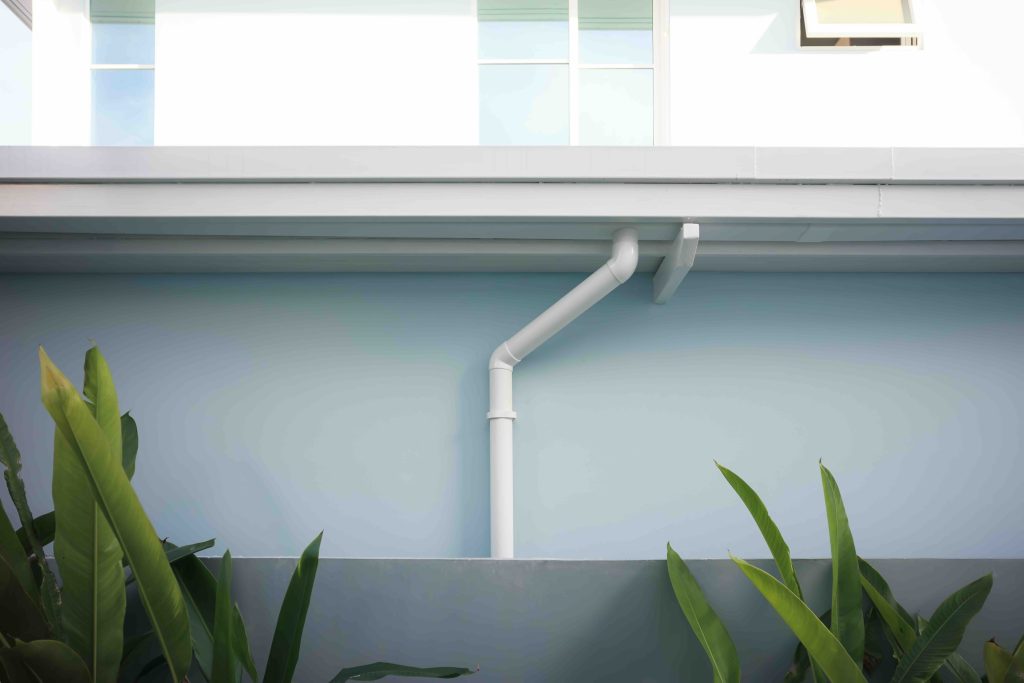
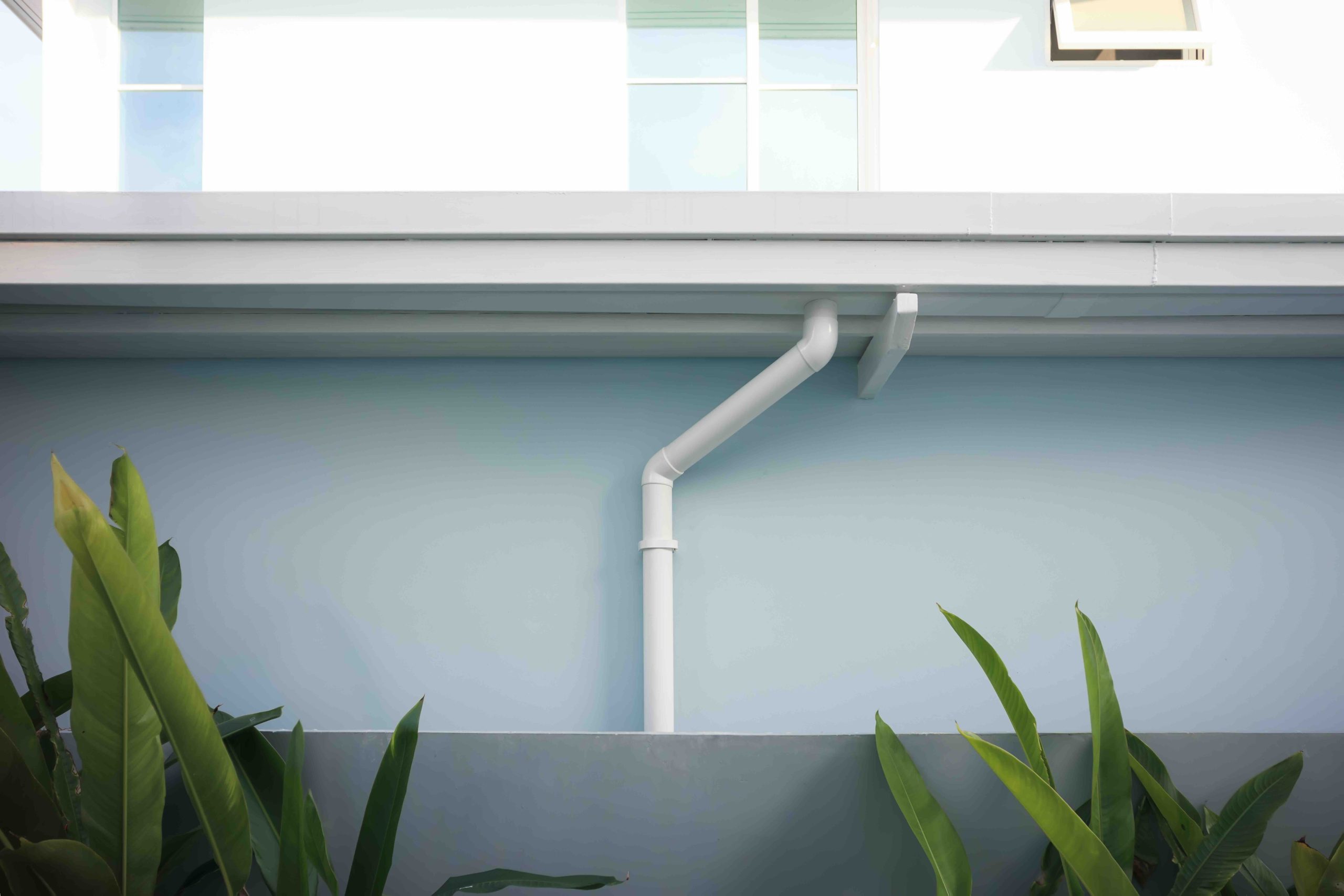
The condensate drain line is typically a white PVC pipe that exits from the indoor air handler unit. It usually has a T-shaped vent cap near the unit and runs to a floor drain, utility sink, or an exterior exit point near your home’s foundation.
How often should I clean my condensate drain line?
Clean it at least once every three months during active cooling season. In high-humidity climates or if you have experienced clogs before, monthly flushing during peak summer months is recommended.
Is vinegar or bleach better for cleaning a condensate drain line?
Distilled white vinegar is safer for routine use and works well for preventing algae buildup. Diluted bleach is more effective for killing heavy biological growth but should be used sparingly to avoid damaging pipe materials and drain pan coatings.
Can a clogged condensate drain line cause water damage to my home?
Yes. When the drain line is fully blocked, water overflows from the drain pan and can seep into ceilings, walls, insulation, and flooring. This can lead to significant water damage and mold growth if not addressed promptly.
Why did my air conditioner stop working suddenly?
If your system has a float switch, it will automatically shut the AC off when the drain pan fills with water due to a clog. This is a safety feature designed to prevent overflow damage. Clearing the drain line will typically restore operation.
What is a float switch and do I need one?
A float switch is a safety device installed in the drain pan that shuts off your AC system when water levels rise too high, indicating a blocked drain line. Not all systems include one by default, but having one installed is a worthwhile preventive measure.
Can I use a regular vacuum to clear the condensate drain line?
A standard household vacuum is not suitable for this task. You need a wet/dry vacuum, which is designed to handle liquids and can create enough suction to pull a blockage from the exterior end of the drain line.
Will a home warranty cover a clogged condensate drain line?
Most home warranty plans treat drain line clogs as a maintenance issue rather than a mechanical failure, so they are typically not covered. However, if a covered HVAC component fails and causes a secondary drain line issue, coverage may apply. Always review your specific plan terms for clarity.
How long does it take to clean a condensate drain line?
The full cleaning process, including vacuuming the line, flushing with vinegar, and allowing it to soak, takes approximately 45 minutes from start to finish. Once you are familiar with the process, routine maintenance flushes take considerably less time.
Can mold grow inside a condensate drain line?
Yes. The condensate drain line is a consistently dark, damp environment, which makes it a favorable space for mold, algae, and bacterial growth. Regular flushing with vinegar or diluted bleach inhibits this growth and keeps the line flowing freely.