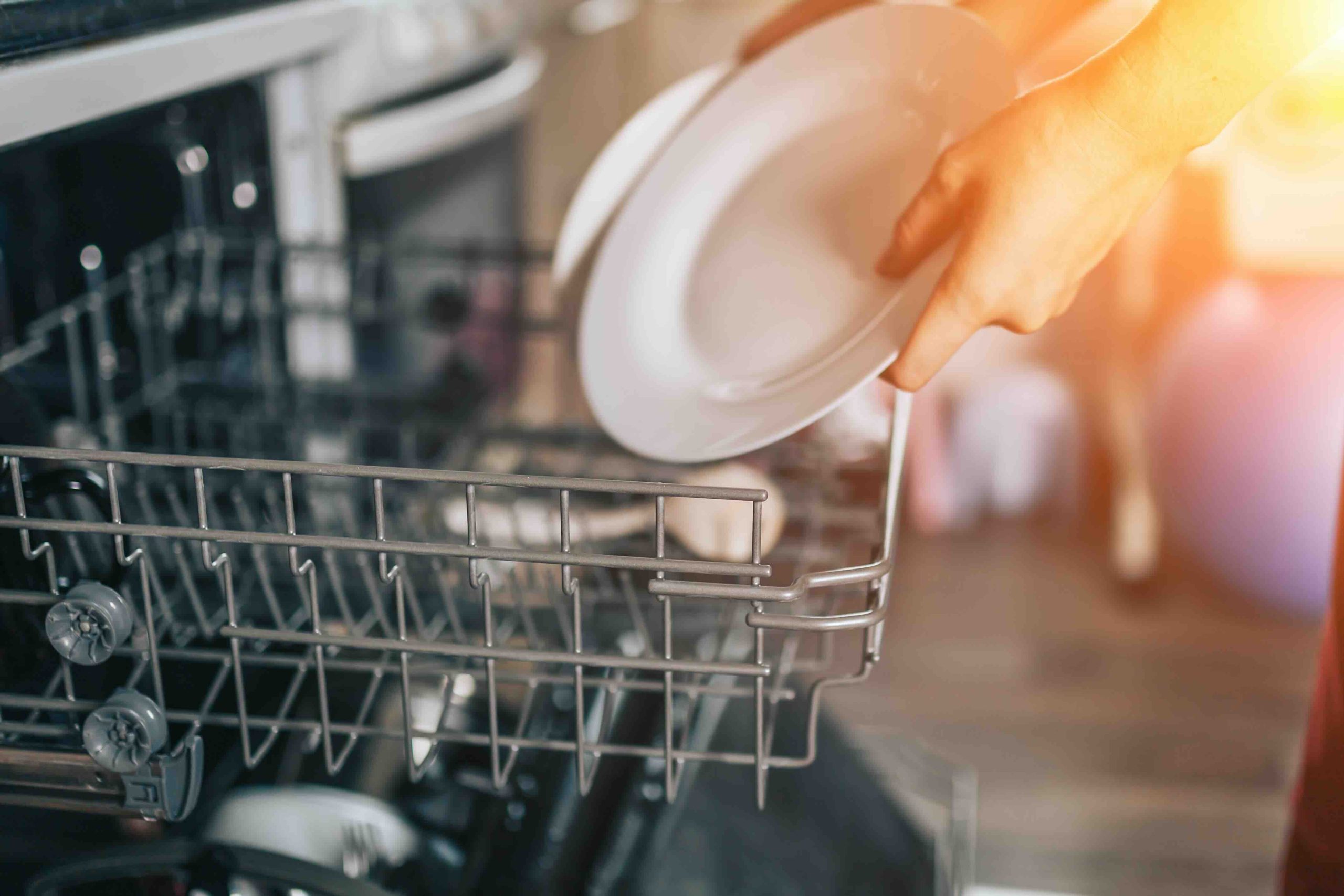
Why Is My Dishwasher Not Working? A Homeowner’s Guide to Common Problems and Smart Solutions
You load the dishwasher after dinner, hit the start button, and nothing happens. Or maybe it starts but leaves your dishes looking like they went through a light misting rather than an actual wash cycle. Either way, a dishwasher that is not working properly is one of those household frustrations that can throw off your entire routine. Before you call a technician or start shopping for a replacement, it helps to understand what is actually going on inside that machine and what the most common culprits tend to be. This guide walks you through the usual suspects, what to check first, and how a home warranty fits into the bigger picture of appliance protection.
How a Dishwasher Actually Works
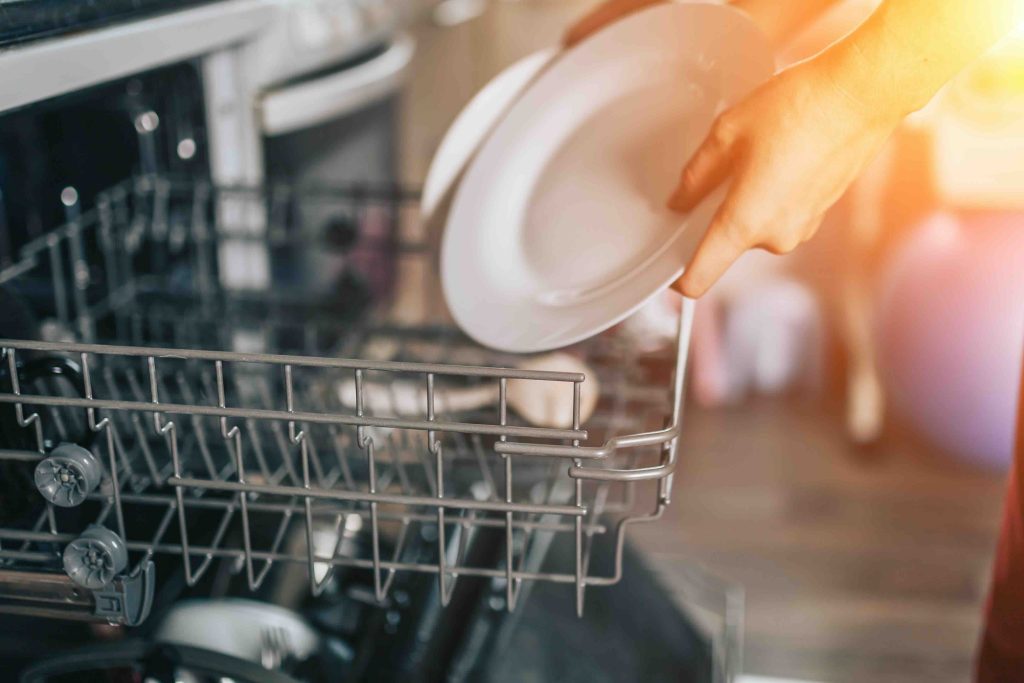
Most homeowners do not give much thought to what happens once that door latches shut. A dishwasher operates through a fairly coordinated sequence of events. Water enters through an inlet valve, gets heated by an internal heating element, and is then sprayed through rotating wash arms onto your dishes. A pump circulates that water during the wash cycle, and then a separate drain pump pushes it out when the cycle is done. A control board ties all of this together, managing the timing, temperature, and progression from wash to rinse to dry. When any one of these components fails or malfunctions, the whole system can stall, skip steps, or produce poor results. Understanding this sequence makes it much easier to identify where things are going wrong.
The Most Common Reasons Your Dishwasher Is Not Working
There is rarely just one reason a dishwasher stops performing. The issues tend to fall into a few distinct categories, and some are simpler to resolve than others. Here are the most frequently reported problems homeowners encounter:
- The dishwasher will not turn on at all, often caused by a tripped circuit breaker, a faulty door latch, or a failed control board
- Water is not filling the tub, which typically points to a blocked or defective water inlet valve
- Dishes are coming out dirty, usually a sign of clogged spray arms, a failing wash pump, or low water temperature
- Water is pooling at the bottom after the cycle, indicating a drain pump issue, a clogged filter, or a kinked drain hose
- The dishwasher is making unusual noises, which can signal worn bearings, a damaged pump impeller, or debris caught in the spray arms
- The dishwasher is leaking, often due to a worn door gasket, a loose hose connection, or too much detergent causing excess sudsing
Identifying the symptom is the first step. From there, you can determine whether the fix is a simple DIY task or something that requires a professional repair.
What to Check Before Calling a Technician
Not every dishwasher problem requires a service call. Some of the most common issues have straightforward fixes that any homeowner can handle. Start by checking the basics. Make sure the door is fully latched, since most dishwashers will not operate if the door switch is not fully engaged. Check your home’s circuit breaker panel to confirm the dishwasher’s circuit has not tripped. Pull out the bottom filter basket and clean it thoroughly, as a clogged filter is one of the most overlooked causes of poor wash performance and drainage problems. Inspect the spray arms for clogged holes and clear them with a toothpick or thin wire. Also confirm that you are using the correct detergent in the right quantity, since using dish soap or too much detergent can cause a cascade of problems including suds overflow and pump issues.
When the Problem Goes Deeper Than a Quick Fix
Sometimes the issue is not something you can resolve with a cleaning session or a reset. Control board failures, defective water inlet valves, broken door latches, and pump motor burnout are all repairs that require a trained appliance technician. These repairs can range from a couple hundred dollars on the lower end to close to the cost of a new unit on the higher end, particularly if the dishwasher is an older model or a premium brand with specialty parts. This is exactly the kind of situation where having a home warranty in place changes the financial equation entirely. Instead of absorbing the full cost of a repair, you pay a service fee and let your warranty coverage handle the rest.

Key Advantages of Addressing Dishwasher Problems Early
Ignoring a dishwasher issue rarely makes it better. A small leak left unaddressed can cause water damage to surrounding cabinetry and flooring. A struggling drain pump that is not replaced can eventually burn out entirely, turning a moderate repair into a full replacement. Catching problems early, even something as minor as an unusual sound or a slight reduction in cleaning performance, gives you more options and typically keeps repair costs lower. Routine maintenance habits like cleaning the filter monthly, running a dishwasher cleaning tablet through an empty cycle, and periodically checking the door gasket for cracks can extend the life of the appliance significantly.
What Home Warranties Typically Cover for Dishwashers
Home warranties are service contracts that cover the repair or replacement of major home systems and appliances when they fail due to normal wear and tear. Most standard home warranty plans include dishwashers as a covered appliance, which means the internal components such as the motor, pump, control board, water inlet valve, and heating element are generally eligible for coverage. It is worth noting that home warranties typically do not cover cosmetic damage, damage caused by misuse or neglect, or pre-existing conditions that existed before the policy started. Understanding what is and is not covered helps you avoid surprises when you file a claim and ensures you are using your plan correctly.
Common Drawbacks to Keep in Mind
Home warranties offer real value, but they are not without limitations. Waiting periods are standard, meaning coverage typically does not activate for the first 30 days after purchase. Service call fees apply each time a technician is dispatched, so if you have multiple appliances failing at once, those fees can add up. Some plans also have caps on repair costs or replacement values, which is something worth reviewing before selecting a plan. Additionally, the warranty company usually selects the service technician, so you may not have the option to use your preferred repair professional. These are not dealbreakers, but they are factors to weigh when evaluating whether a home warranty makes sense for your household.
How to Extend the Life of Your Dishwasher
A well-maintained dishwasher can last 10 years or more. A neglected one may start showing problems in half that time. Simple habits make a measurable difference. Scrape food debris from dishes before loading rather than rinsing them completely, since dishwashers actually need some soil to activate the detergent enzymes properly. Avoid overcrowding the racks, which blocks the spray arms and reduces cleaning effectiveness. Use a rinse aid to prevent mineral deposits and improve drying performance. Check the door gasket periodically for signs of cracking or mold buildup, and wipe it clean with a damp cloth. These small steps cost nothing but consistency and can add years to an appliance that sees daily use in most households.
Why Armadillo Is the Smart Choice When Your Dishwasher Needs Repair
When your dishwasher stops working, the last thing you want is to navigate a complicated claims process or wonder whether your repair is actually covered. That is where Armadillo home warranty coverage for dishwashers and major appliances stands out from the pack. Armadillo was built with homeowners in mind, offering straightforward plan language, transparent coverage details, and a claims process designed to be fast and friction-free. No confusing fine print, no runaround. If your dishwasher breaks down due to normal wear and tear, Armadillo connects you with a qualified technician and handles the cost of covered repairs so you are not left writing a large check at an inconvenient time. If you have been on the fence about whether a home warranty is worth it, now is a reasonable moment to explore your options. You can get a free dishwasher home warranty quote from Armadillo in under two minutes and see exactly what kind of protection is available in your area. Protecting your appliances does not have to be complicated, and with the right plan in place, a broken dishwasher becomes a manageable inconvenience rather than an unexpected financial hit.

Frequently Asked Questions About Dishwasher Problems and Home Warranty Coverage
These are the questions homeowners ask most often when their dishwasher stops working or when they are considering a home warranty for appliance protection.
Why is my dishwasher not starting when I press the power button?
The most common causes are a tripped circuit breaker, a door latch that is not fully engaged, a faulty door switch, or a failed control board. Start by checking the breaker and ensuring the door closes completely before suspecting an internal component failure.
Why is water sitting at the bottom of my dishwasher after a cycle?
Standing water at the end of a cycle usually points to a clogged filter, a blocked drain hose, or a failing drain pump. Clean the filter first, then inspect the drain hose for kinks or obstructions before calling a technician.
Why are my dishes still dirty after a full wash cycle?
Dirty dishes after a wash cycle are typically caused by clogged spray arms, a dirty filter, insufficient water temperature, or using the wrong detergent. Check and clean the spray arm holes and filter as a first step.
Does a home warranty cover dishwasher repairs?
Most home warranty plans cover dishwasher repairs when the failure is caused by normal wear and tear. Coverage typically includes the motor, pump, control board, heating element, and water inlet valve. Cosmetic damage and pre-existing conditions are generally excluded.
How long should a dishwasher last?
A properly maintained dishwasher typically lasts between 9 and 12 years. Higher-end models with good maintenance habits can push past that range, while neglected units may require replacement sooner.
Why is my dishwasher leaking water onto the floor?
Leaks are most often caused by a worn or cracked door gasket, a loose drain hose connection, or excessive sudsing from using the wrong detergent. Inspect the door seal and hose connections before assuming a more serious internal failure.
Is it worth repairing a dishwasher or should I replace it?
A common rule of thumb is that if the repair cost exceeds 50 percent of the replacement cost and the appliance is more than halfway through its expected lifespan, replacement is worth considering. For newer dishwashers, repair is almost always the more cost-effective choice.
What does a home warranty not cover when it comes to dishwashers?
Home warranties typically exclude damage from misuse, improper installation, cosmetic defects, and conditions that existed before the policy start date. Some plans also cap repair or replacement costs, so reviewing your specific plan terms is important.
How do I file a dishwasher repair claim with a home warranty company?
Most home warranty companies offer claim filing through a phone line or online portal. You submit the issue, pay a service call fee, and the company dispatches a qualified technician. The warranty covers the cost of covered repairs beyond that fee.
Can a clogged filter really cause my dishwasher to stop working properly?
Yes, a clogged filter is one of the most common and overlooked causes of dishwasher performance issues. It can lead to dirty dishes, standing water, unusual odors, and increased strain on the pump. Cleaning the filter monthly is one of the most effective maintenance steps you can take.