When Your Oven Coil Breaks and Grounds: What Every Homeowner Needs to Know
Picture this: you are halfway through roasting a chicken, and suddenly the oven just stops heating. Or worse, you notice a strange burning smell, maybe a small flash, and the circuit breaker trips. If any of that sounds familiar, there is a reasonable chance your oven’s heating coil broke or grounded. It sounds technical, and honestly, it kind of is, but you do not need an electrical engineering degree to understand what happened or what to do next. This article walks you through exactly what a grounded oven coil means, why it happens, how to recognize it, and what your options are when it does.
What Is an Oven Heating Coil and How Does It Work
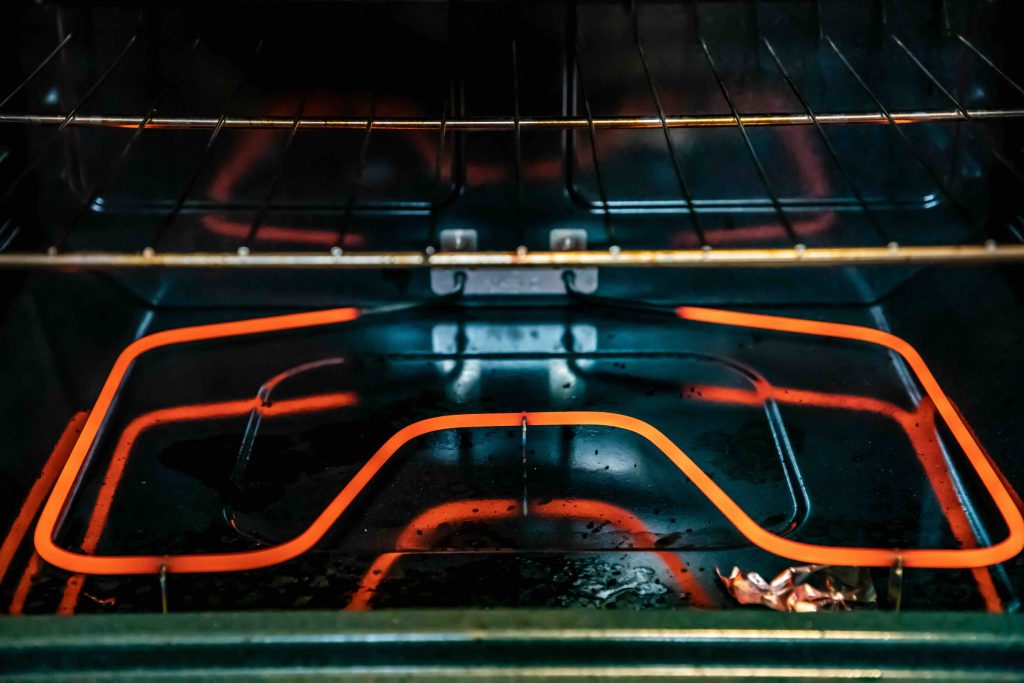
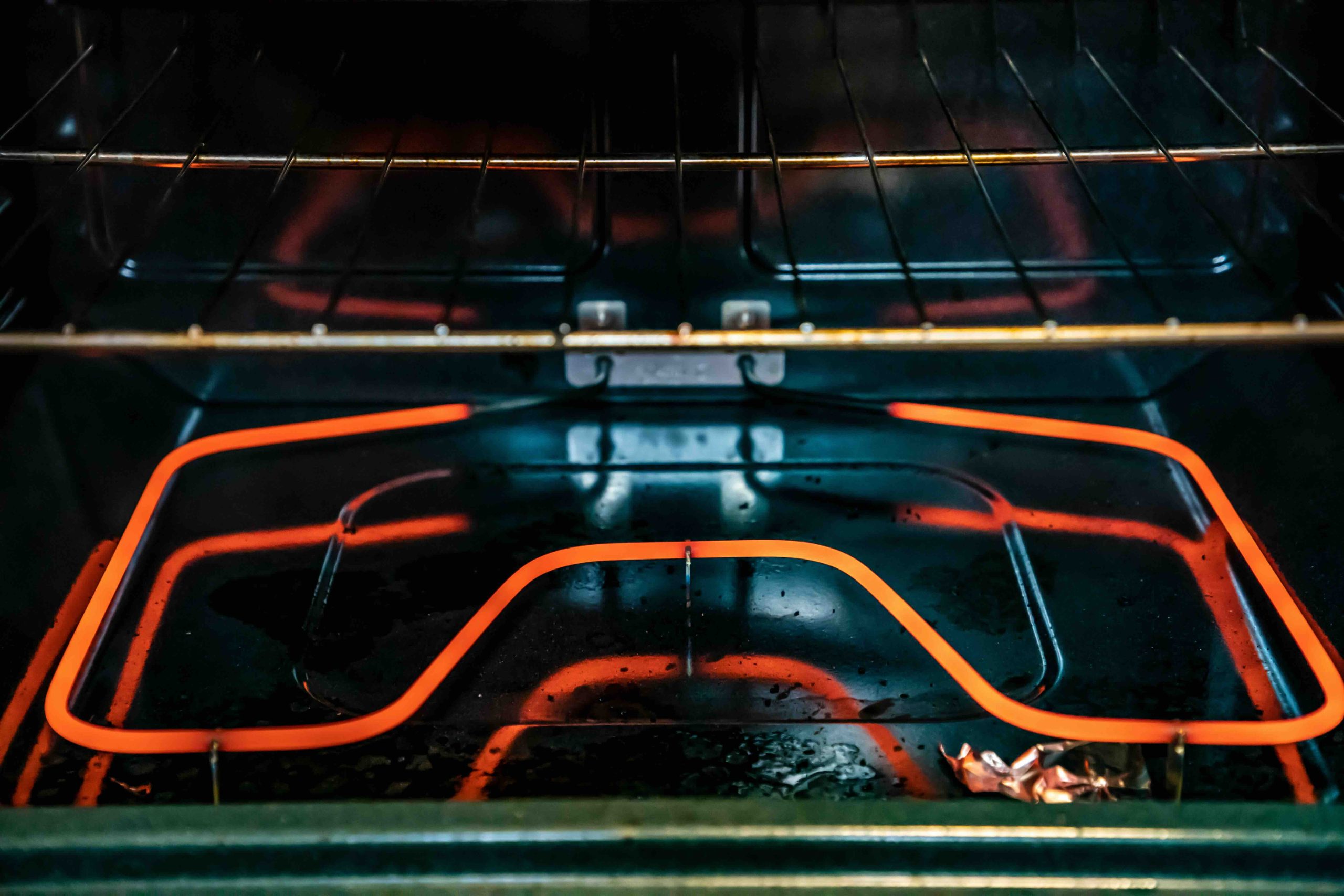
Electric ovens use one or two resistive heating elements, which most people just call coils, to generate heat. The bake element sits at the bottom of the oven cavity, and the broil element sits at the top. When you set a temperature and turn the oven on, electrical current flows through the metal coil, which resists that current and converts it into heat. The whole thing is pretty elegant in its simplicity. The coil heats up, the oven gets hot, food gets cooked. These coils are rated to handle a significant amount of thermal stress over their lifespan, but they are not indestructible. Over time, they develop weak points, and that is when problems start showing up.
What Does It Mean When a Coil Is Broken or Grounded
A broken coil is fairly straightforward. The element physically cracks or splits, which interrupts the flow of electricity. No current, no heat. The oven either does not heat at all or heats unevenly depending on which element failed. A grounded coil is a different situation. When an oven coil becomes grounded, it means electrical current is escaping from the coil and traveling to the metal frame or housing of the oven instead of flowing properly through the circuit. That is not just an appliance issue, it is a safety concern. A grounded element can trip breakers, damage the control board, and in more serious cases, create a shock hazard. The two problems sometimes happen together, where a coil breaks in a way that allows part of it to contact the oven’s metal body, creating a ground fault.
Common Causes Behind Oven Coil Failure
These failures do not usually come out of nowhere. There are a handful of reasons why oven coils break down over time, and knowing them helps you catch warning signs earlier.
- Age and general wear from repeated heating and cooling cycles that cause the metal to expand and contract until it eventually cracks
- Food spills and grease buildup that sit on the element and create hot spots, accelerating deterioration
- Power surges or electrical fluctuations that send more voltage through the element than it was designed to handle
- Manufacturing defects that are not immediately apparent but surface after a period of regular use
- Physical damage from pots, pans, or heavy bakeware being dropped onto or rested against the element
Most coils last somewhere between five and fifteen years depending on how frequently the oven is used and how well it is maintained. Heavy daily use shortens that window considerably.
Signs That Your Oven Coil May Be Broken or Grounded
Some symptoms are obvious, others are easy to overlook until they become more serious. Here is what to watch for if you suspect something is wrong with your oven’s heating element.
- Visible damage like blistering, holes, or a split along the surface of the coil
- The oven takes significantly longer than usual to reach temperature
- Uneven cooking where one part of the food burns while another remains undercooked
- A burning smell that is not related to food residue or spills
- Sparking or a small flash inside the oven cavity, particularly near the element
- A tripped circuit breaker that keeps happening when the oven is in use
- The oven fails to heat at all despite turning on normally

Is It Safe to Use an Oven With a Broken or Grounded Coil
Short answer: no. A broken coil that simply stops heating is more of an inconvenience than a danger, but you still should not continue using the oven without addressing it. A grounded coil is a more urgent matter. If the element is arcing or creating ground faults, continuing to operate the oven puts undue stress on the control board and electrical wiring. There is also a real risk of electric shock if someone touches the oven door or frame while it is in use. Turn the oven off, flip the breaker for that circuit, and do not use it again until the element has been inspected and replaced.
Can You Replace an Oven Coil Yourself
In some cases, yes. Replacing a heating element on an electric oven is one of the more accessible appliance repairs a homeowner can attempt. Many elements simply unplug from contacts at the back of the oven cavity and are held in place by two screws. The replacement part is usually available from the manufacturer or a reputable appliance parts retailer, and the job can often be completed in under thirty minutes with basic tools. That said, a grounded element situation deserves more caution. If the ground fault has damaged wiring, the control board, or the oven’s internal connections, a straightforward element swap will not resolve everything. In those cases, a qualified appliance technician should assess the situation before any repair is attempted.
What the Repair Typically Costs Without Coverage
Replacement oven heating elements themselves are generally not expensive. Depending on the oven brand and model, the part usually runs between twenty and one hundred dollars. Labor is where the cost climbs. A professional technician will typically charge between one hundred and two hundred dollars for the service visit and installation, putting the total repair somewhere in the range of one hundred twenty to three hundred dollars. If the ground fault caused secondary damage to the control board, that single component alone can cost two hundred to five hundred dollars to replace, and labor on top of that makes the total repair potentially expensive enough to rival the cost of a new appliance.
How to Extend the Life of Your Oven Heating Element
There are practical habits that reduce the rate of wear on your oven’s heating elements. Keeping the oven clean is probably the single most impactful thing you can do. Food debris and grease that accumulate on or around the element create concentrated heat spots and eventually contribute to failure. Avoid placing heavy cookware directly on the bottom bake element, and be careful when sliding racks in and out. If your home is in an area prone to power fluctuations, a whole-home surge protector can reduce the risk of voltage spikes damaging your appliances. None of these measures guarantee longevity, but they give your coils a reasonable fighting chance.
Why a Home Warranty Can Make All the Difference When Your Oven Coil Fails
Appliance failures are rarely convenient, and an oven coil breaking or grounding is exactly the kind of unexpected repair that disrupts a household budget and daily routine at the same time. That is where having the right home warranty coverage changes the outcome entirely. Armadillo home warranty plans for electric oven and appliance protection are built to cover real failures like broken and grounded heating elements, without the bureaucratic runaround that makes filing a claim feel like a second job. When something goes wrong, you want a provider who understands what the repair involves and processes it quickly. If you are ready to stop absorbing repair costs out of pocket, get a free oven and appliance home warranty quote from Armadillo and see exactly what your coverage options look like in your area. Protecting your kitchen appliances before the next failure happens is always a smarter move than dealing with the fallout after.

Frequently Asked Questions About Oven Coil Failures and Home Warranty Coverage
These are the questions homeowners most often ask when dealing with a broken or grounded oven heating element, along with clear answers to help you move forward with confidence.
What does it mean when an oven coil is grounded?
A grounded oven coil means electrical current is escaping the element and flowing to the metal body of the oven instead of completing its intended circuit. This creates a ground fault, which can trip breakers and pose a safety hazard if the issue is not addressed promptly.
Can a broken oven coil cause a fire?
A broken coil that arcs or sparks near grease or food debris inside the oven can potentially ignite a fire. This is why it is important to stop using an oven that shows signs of element damage or grounding until the issue is repaired.
How long do oven heating elements typically last?
Most oven heating elements last between five and fifteen years. The actual lifespan depends on usage frequency, how well the oven is maintained, and whether the appliance experiences any electrical surges or physical damage.
Is a grounded oven coil covered by a home warranty?
Many home warranty plans cover electric oven heating elements when they fail due to normal wear and tear, which typically includes both broken and grounded elements. Coverage specifics vary by plan, so reviewing your contract terms is always recommended before filing a claim.
Can I still use my oven if only one element is broken?
If the bake element fails, you can sometimes use the broil element for limited cooking, but the oven will not function correctly and temperature control will be inconsistent. It is best to complete the repair before relying on the oven for regular use.
How do I know if my circuit breaker tripped because of a grounded oven coil?
If the circuit breaker for your kitchen or oven trips repeatedly, especially when the oven is in use, a grounded heating element is one of the most common causes. A technician can use a multimeter to test the element and confirm whether a ground fault is present.
What happens if a grounded oven coil damages the control board?
A sustained ground fault can send irregular electrical current through the oven’s control board, which may cause it to malfunction or fail entirely. Control board replacement is significantly more expensive than an element replacement alone, which is why addressing a grounded coil early matters.
Should I replace the oven or repair the broken element?
In most cases, replacing the heating element is the more cost-effective choice, especially if the oven is otherwise in good condition. If the appliance is older, the repair cost approaches the price of a new oven, or multiple components have failed, replacement may make more financial sense.
How does a technician test for a grounded oven coil?
A technician typically uses a multimeter set to measure resistance to test the heating element. If the reading shows continuity between the element terminals and the oven’s metal frame, that confirms a ground fault. A properly functioning element should show no continuity to the frame.
Will a home warranty cover secondary damage caused by a grounded oven coil?
Coverage for secondary damage, such as a failed control board resulting from a grounded element, depends on the specific home warranty plan and provider. Some plans cover consequential damage to components directly caused by a covered failure, while others limit coverage to the failed part itself. Reading your plan documentation carefully will clarify what is included.