What Is a Light Socket and Why Does It Matter in Your Home?
If you have ever flipped a light switch and heard nothing but silence, or noticed a bulb that flickers no matter how many times you replace it, the problem might not be the bulb at all. It could be the light socket itself. Light sockets are one of those components most homeowners never think about until something goes wrong. They are tucked inside fixtures, hidden from plain sight, and generally taken for granted. But understanding what they are, how they work, and when they need attention can save you time, frustration, and potentially a hazardous situation in your home.
The Basics: What Exactly Is a Light Socket?
A light socket, sometimes called a lamp socket or bulb socket, is the component inside a light fixture that holds the bulb in place and delivers electrical current to it. When you screw a bulb in or press it into place, the socket is what makes the physical and electrical connection possible. It consists of a shell, a contact tab at the base, and insulating materials that keep the live parts separated from components you might touch. The socket receives power from your home’s wiring, transfers it through the contact points, and completes the circuit that powers the bulb. Simple in concept, critical in function.
Types of Light Sockets Found in Residential Homes
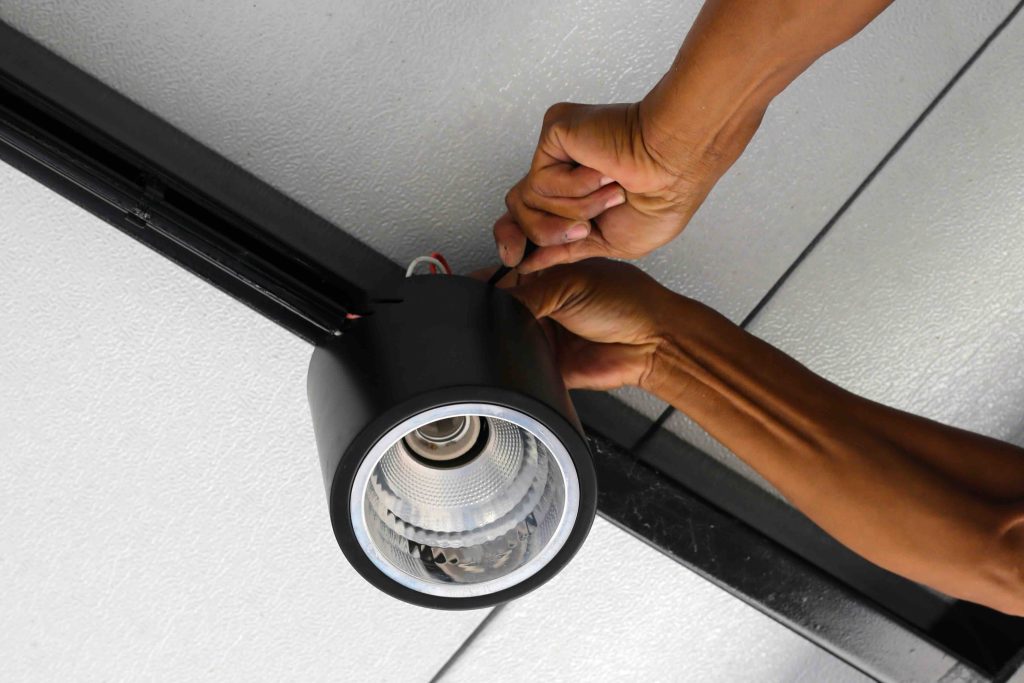
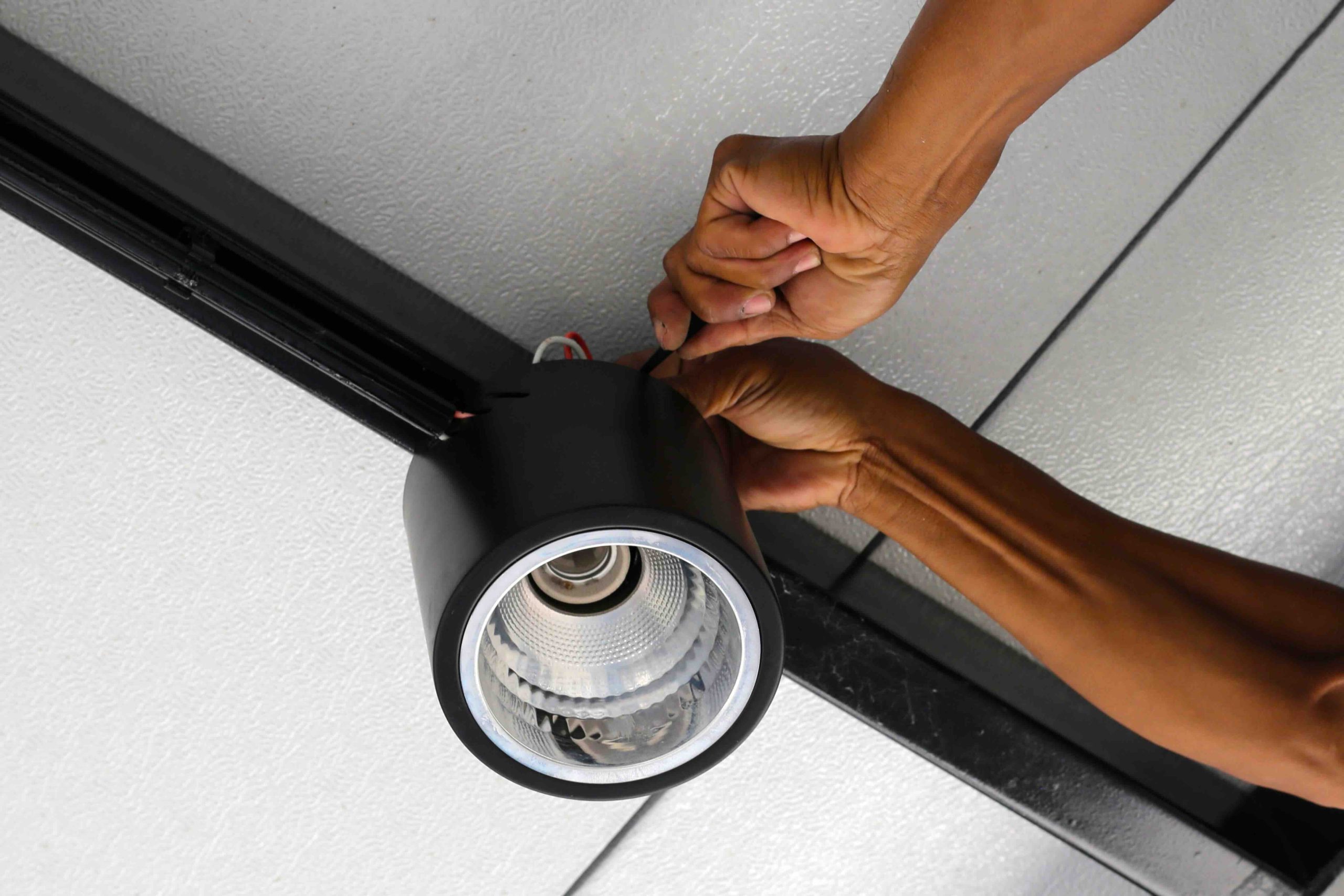
Not all light sockets are the same, and the variety can be a little surprising once you start paying attention. The most common type in American homes is the Edison screw socket, also referred to as a medium base or E26 socket. This is the standard socket used with most household bulbs. Beyond that, you will encounter candelabra sockets in chandeliers and decorative fixtures, mogul sockets in some high-output applications, and bi-pin sockets in recessed lighting and track lighting setups. Each type is designed for a specific bulb base and a specific wattage range, which is why using the wrong bulb in a socket can cause problems ranging from poor performance to actual overheating.
How a Light Socket Works: The Electrical Basics
Here is where it gets interesting, and actually pretty logical once you see it laid out. Your home’s electrical system delivers alternating current through wiring that runs behind walls and ceilings to each fixture. Inside the fixture, that wiring connects to the socket. The socket has two key contact points: one at the threaded shell, which carries the neutral wire, and one at the small metal tab at the very bottom of the socket, which carries the hot wire. When a bulb is inserted, it connects those two points and completes the circuit. Electricity flows through the bulb’s filament or LED components, which then produces light. When the socket’s contact tab becomes corroded, bent, or damaged, that connection weakens and the bulb fails to work properly regardless of its condition.

Signs That a Light Socket May Be Failing
Light sockets do not last forever. Over time, heat, moisture, and general wear can degrade the internal components. Knowing what to look for helps you catch issues before they become larger problems. Some of the most common warning signs include:
- Bulbs that flicker or buzz even after being replaced with a new one
- A burning or plastic smell coming from a fixture
- Visible discoloration or scorch marks inside the socket
- Bulbs that are loose or difficult to seat properly
- A fixture that trips the circuit breaker repeatedly
- No power to the fixture even when the switch is on and the bulb is good
Any of these signs warrant a closer look. Do not continue using a fixture you suspect has a damaged socket. It is a fire and shock hazard until assessed and repaired.
Common Causes of Light Socket Problems
Understanding why sockets fail makes it easier to prevent future issues. The most frequent culprit is using a bulb that exceeds the socket’s wattage rating. Every socket has a maximum wattage stamped somewhere on the fixture, and exceeding it generates more heat than the socket is designed to handle. Over time, that excess heat degrades the insulating materials and can warp or melt internal components. Moisture intrusion is another major factor, particularly in bathrooms, kitchens, and outdoor fixtures. Corrosion builds up on the contact points and disrupts the electrical connection. Infrequent bulb changes can also cause the bulb to seize inside the socket, and forcing it out can bend or damage the contact tab.
Can a Homeowner Fix a Light Socket?
Some light socket issues are within the reach of a confident do-it-yourself homeowner, and others are best left to a licensed electrician. Replacing a lamp socket in a standard table lamp, for instance, is a relatively approachable task that requires basic tools and a replacement socket from a hardware store. The process involves turning off power to the fixture, disassembling the lamp, disconnecting the old socket, and wiring in the new one. Ceiling fixtures and wall-mounted fixtures involve working closer to your home’s wiring, which raises the stakes considerably. Any time you are dealing with fixed wiring inside junction boxes, or if you are unsure about what you are looking at, calling a professional is the right call. Safety is always worth the cost of a service visit.
Light Sockets and Home Warranties: What You Should Know
Here is a detail that surprises a lot of homeowners: light sockets and fixtures are generally not covered under a standard home warranty. Home warranties are designed to cover major systems and appliances, such as your HVAC, plumbing, electrical panel, and large kitchen appliances. Individual light fixtures and their sockets are typically excluded because they are considered minor components. However, if a light socket failure is caused by a covered electrical system issue, such as a wiring problem or panel defect, there may be grounds for a related claim. Reading your warranty contract carefully and understanding what your electrical coverage actually includes is essential. Many homeowners assume broad electrical coverage and are caught off guard when a claim is denied.
Practical Tips for Maintaining Your Light Sockets
A little routine awareness goes a long way with light sockets. These habits can help you extend the life of your fixtures and catch problems early:
- Always check the wattage rating on a fixture before installing a bulb
- Switch to LED bulbs, which run significantly cooler than incandescent options and reduce heat stress on sockets
- Inspect outdoor and bathroom fixtures seasonally for signs of moisture or corrosion
- Do not over-tighten bulbs, as this can bend the contact tab and disrupt the connection
- Turn off power at the breaker before inspecting or replacing any ceiling or wall-mounted socket
Why Armadillo Is the Smart Choice for Protecting Your Home’s Electrical Systems
When something in your home’s electrical system goes wrong, the last thing you want is uncertainty about whether you are covered. That is exactly why a well-structured home warranty matters. While light sockets themselves may be small components, they connect to a broader electrical ecosystem that can be expensive to diagnose and repair when problems arise. Armadillo home warranty plans for electrical system protection are built with transparency and real homeowner needs in mind, offering clear coverage terms so you are never left guessing. Whether it is a wiring issue behind the wall or a more significant system failure, having a plan in place shifts the financial risk off your shoulders. If you are ready to stop worrying and start protecting your investment, you can get a free home warranty quote for electrical and system coverage in just a few minutes. Armadillo makes it straightforward, honest, and genuinely worth your time.

Frequently Asked Questions About Light Sockets
Here are answers to the questions homeowners ask most often when dealing with light socket issues.
What causes a light socket to burn out?
The most common cause is using a bulb that exceeds the socket’s maximum wattage rating. This generates excess heat that degrades the socket’s internal components over time, leading to failure.
Is a flickering light always a sign of a bad socket?
Not always. Flickering can result from a loose bulb, a faulty switch, a worn dimmer, or a wiring issue. However, if replacing the bulb and checking the switch does not resolve it, the socket may be the source of the problem.
Can a bad light socket cause a fire?
Yes. A damaged or overheated socket can ignite surrounding materials, particularly if the insulation inside the socket has deteriorated. Any fixture showing scorch marks, unusual smells, or signs of heat damage should be inspected immediately.
How long does a light socket typically last?
A well-maintained light socket can last for many years, often a decade or more. Heavy use, incorrect bulb wattage, and moisture exposure can significantly shorten that lifespan.
Are light sockets covered under a home warranty?
In most cases, individual light sockets and fixtures are not covered under a standard home warranty. Coverage typically extends to major electrical systems rather than individual fixture components. Review your specific contract for details.
Can I replace a light socket myself?
Replacing a socket in a table lamp or floor lamp is manageable for most homeowners with basic tools. Replacing a socket in a ceiling or wall fixture involves working with fixed wiring and carries greater risk. When in doubt, hire a licensed electrician.
What is the difference between a light socket and a light fixture?
The fixture is the entire housing unit, including the shade, base, and mounting hardware. The socket is the specific component inside the fixture that accepts the bulb and delivers electrical current to it.
Why does my bulb keep falling out of the socket?
This usually indicates that the socket’s threading or locking mechanism has worn out, or that the socket shell has expanded due to heat damage. The socket likely needs to be replaced rather than just the bulb.
What does a burned smell from a light fixture mean?
A burning odor from a light fixture typically signals overheating, which may result from an oversized bulb, damaged wiring, or a deteriorating socket. Stop using the fixture immediately and have it inspected by a qualified electrician.
Should I switch to LED bulbs to protect my light sockets?
Yes. LED bulbs produce significantly less heat than traditional incandescent bulbs, which reduces thermal stress on the socket over time. They also consume less energy and last longer, making them a practical and protective upgrade for most fixtures.