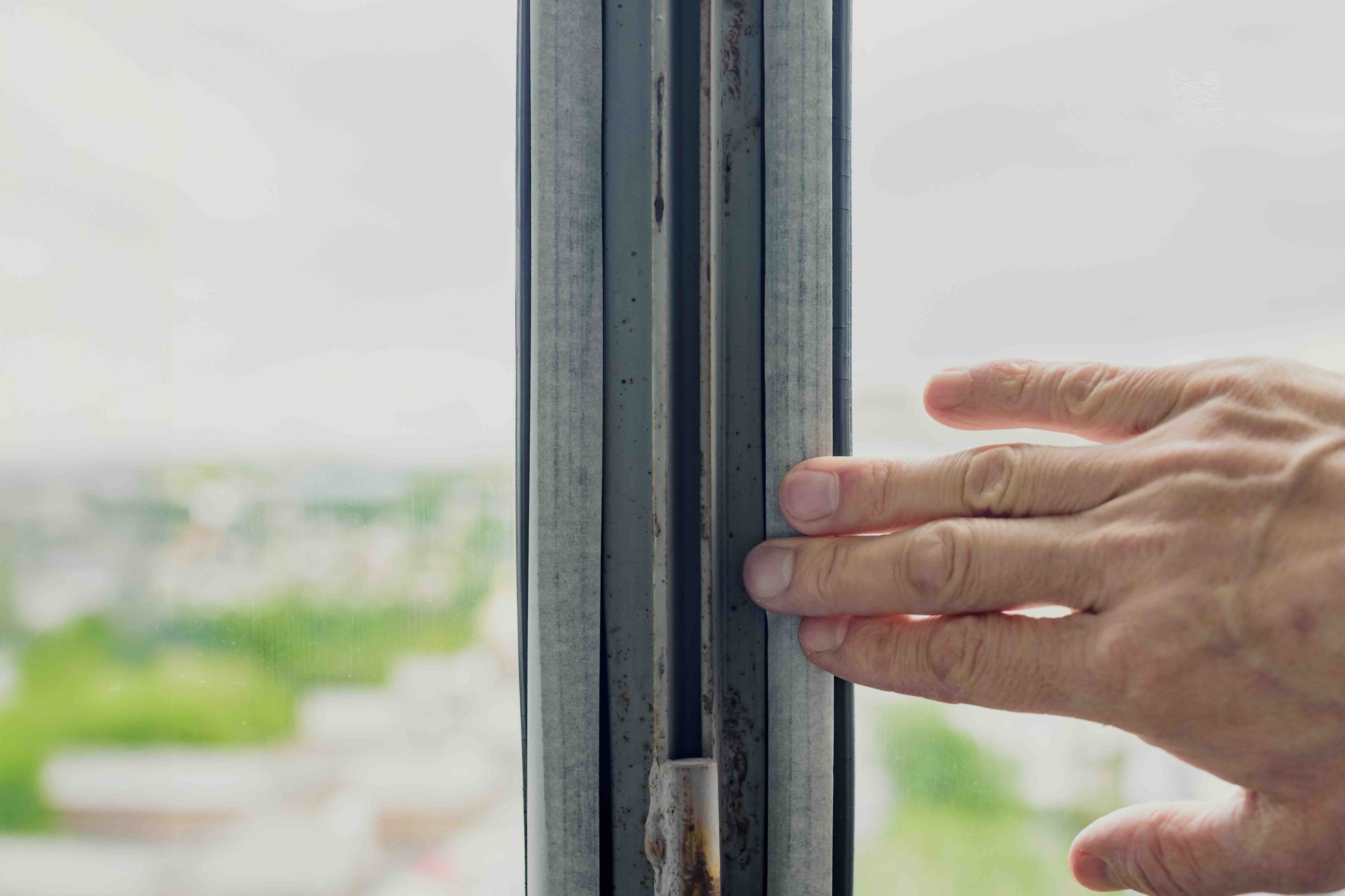
What Is Weatherstripping and Why Should Every Homeowner Care?
Most homeowners spend a lot of time thinking about the big-ticket items in their home. The HVAC system, the water heater, the roof. Weatherstripping barely makes the list, and honestly, that is a problem. This thin, flexible material lines the edges of your doors and windows, creating a seal that keeps outside air where it belongs. It sounds simple because it is. But the impact it has on your comfort, your energy bills, and even the longevity of your doors is anything but minor. If you have ever felt a draft near a closed door in the middle of winter, you have already experienced what happens when weatherstripping fails.
How Weatherstripping Door Seals Actually Work
The mechanics here are refreshingly straightforward. Weatherstripping door seals are installed along the perimeter of a door frame, specifically at the top, sides, and bottom of the door. When the door closes, the seal compresses against the door slab, eliminating gaps where air, moisture, insects, and dust could otherwise pass through. Different materials handle this job in different ways. Foam tape compresses easily and works well for irregular gaps. Vinyl tends to be more durable and handles moderate wear. Door sweeps, which attach to the bottom of the door, cover the gap between the door and the threshold. V-strip weatherstripping, also called tension seal, fits into the sides of the door frame and springs outward to maintain constant contact. Each type has its place depending on the door’s location, traffic level, and the size of the gaps involved.
The Different Types of Weatherstripping You Should Know
Not all weatherstripping is built the same, and using the wrong type for the wrong application is one of the most common mistakes homeowners make. Here is a breakdown of the main options:
- Foam tape: Affordable, easy to apply, best for low-traffic doors and irregular surfaces. Not the most durable long-term solution.
- V-strip or tension seal: Works well for the sides of door frames and delivers consistent contact even as doors shift slightly over time.
- Door sweeps: Designed specifically for the bottom gap. Available in aluminum, stainless steel, or plastic backing with a rubber or brush seal.
- Magnetic weatherstripping: Similar to refrigerator door gaskets, this option creates a very tight seal and is often found on steel exterior doors.
- Tubular rubber or vinyl: Compresses well and creates a solid seal for exterior doors with higher exposure to weather and temperature swings.
Key Advantages of Keeping Your Door Seals in Good Shape
The benefits of properly installed weatherstripping door seals go well beyond stopping a cold draft. Energy efficiency is the obvious win. When your doors seal correctly, your heating and cooling systems do not have to work as hard to maintain a comfortable temperature. That translates directly to lower utility bills, which adds up quickly over the course of a year. Beyond energy savings, good weatherstripping also blocks moisture intrusion, which matters more than most people realize. Water getting into door frames over time leads to wood rot, mold, and structural damage that becomes genuinely expensive to fix. A quality seal also reduces noise from outside and keeps insects and debris from finding their way in. For homes in areas with extreme temperature variation, proper door seals can even help prevent condensation issues inside the frame.

Common Drawbacks and Limitations to Be Aware Of
Weatherstripping is not a permanent fix, and homeowners should go in with realistic expectations. Most materials have a lifespan of anywhere from two to five years depending on door traffic, climate exposure, and the quality of the product used. Foam tape in particular tends to degrade faster, flattening out over time and losing its ability to form a proper seal. Temperature extremes can cause some materials to crack or shrink, which is particularly common in regions with harsh winters or intense summer heat. Installation errors are also a real issue. If the seal is applied to a door that is misaligned or warped, no amount of weatherstripping will fully compensate for the structural problem underneath. In those cases, the door itself needs attention before the seal will be effective.
Signs That Your Weatherstripping Needs to Be Replaced
Catching failing weatherstripping early saves money and prevents bigger problems down the line. There are a few clear signals to watch for. If you can see daylight around the edges of a closed door, the seal has either worn down or is missing sections entirely. A noticeable draft near a door that was previously comfortable is another obvious indicator. Doors that whistle in the wind, higher than usual utility bills without a clear explanation, and visible cracking or flattening of the seal material are all signs it is time to act. A quick physical test involves running your hand slowly along the door’s edges while someone holds a piece of paper inside against the frame. If the paper slides out easily, the seal is not doing its job.
How to Install or Replace Weatherstripping on a Door
This is one of the more approachable DIY projects a homeowner can take on, assuming the door itself is in good shape. Start by removing the old weatherstripping completely and cleaning the surface where it was attached. This matters because adhesive does not bond well to dusty or greasy surfaces. Measure the door frame carefully before purchasing new material, and choose a product rated for the conditions your door faces. For adhesive-backed foam or V-strip, simply cut to length and press firmly into place. Door sweeps typically require a few screws along the bottom of the door. Make sure the sweep makes light contact with the threshold without dragging heavily, which can cause premature wear. Close the door and test for gaps before calling it finished.
When to Call a Professional Instead of DIY
Replacing weatherstripping on a standard interior or exterior door is manageable for most homeowners. But there are situations where a professional should handle the job. If the door frame is warped or the door slab has shifted due to foundation movement, humidity, or age, that is not a weatherstripping problem. Attempting to solve a structural issue with a surface fix will result in frustration and repeated failures. Similarly, if moisture has already worked its way into the frame and caused rot or mold, the frame needs remediation before any seal will hold. Exterior doors on high-traffic entrances, especially those exposed to severe weather, benefit from professional installation that ensures the seal is set precisely and will last.
Where Home Warranties Fit Into the Picture for Door and Seal Maintenance
Here is where things get practical from a home protection standpoint. Weatherstripping itself is a maintenance item, which means most standard home warranty plans treat it as homeowner responsibility. That is consistent across the industry. However, what a strong home warranty does cover are the downstream effects when a component failure creates larger issues. Think about the HVAC system working overtime because of air leaks, or a door mechanism failing due to repeated exposure to the elements. Those kinds of failures are exactly where Armadillo home warranty coverage for essential home systems and appliances steps in to provide real financial protection. When you factor in the full picture of home maintenance, including the small things like door seals that protect the bigger systems, having a plan matters. If you are ready to protect your home from the unexpected costs that come with system and appliance failures, you can get a customized home warranty quote designed to cover your home’s critical components and see exactly what a plan would look like for your situation.
Frequently Asked Questions About Weatherstripping Door Seals
Real questions from homeowners who want to make better decisions about their doors and home maintenance.
How long does weatherstripping on a door typically last?
Most weatherstripping materials last between two and five years. High-traffic doors and doors in climates with extreme temperature swings tend to wear out faster. Checking the condition of your seals annually is a good habit to build into your home maintenance routine.
Can I install weatherstripping myself or do I need a professional?
Most weatherstripping installations are well within DIY range. If the door is properly aligned and the frame is in good condition, replacing the seals requires basic tools and careful measurement. A professional is recommended when the door or frame has structural issues that need to be addressed first.
What type of weatherstripping is best for an exterior door?
For exterior doors exposed to weather, tubular rubber or vinyl weatherstripping paired with a quality door sweep offers the most reliable performance. Magnetic weatherstripping is also an excellent option for steel exterior doors due to the tight seal it creates.
How do I know if my door seal is failing?
Visible daylight around the edges of a closed door, cold drafts, increased energy bills, and visible cracking or compression of the seal material are the most common signs. A paper test, where you check if a sheet of paper slides freely from a closed door, is a simple way to confirm whether the seal is effective.
Does weatherstripping help with soundproofing?
Yes, to a meaningful degree. A proper door seal reduces the air gaps that allow sound to travel through. While weatherstripping alone will not fully soundproof a room, it contributes noticeably to noise reduction, particularly for doors facing busy streets or loud outdoor environments.
Is weatherstripping covered by a home warranty?
Weatherstripping is generally considered a routine maintenance item and is not covered under most standard home warranty plans. However, home warranties do cover many of the systems and appliances that benefit from well-maintained door seals, such as HVAC systems that work harder when air leaks are present.
What happens if I ignore failing weatherstripping?
Ignoring worn or missing door seals leads to higher energy bills, moisture intrusion that can cause wood rot and mold, increased insect and debris entry, and added strain on your heating and cooling systems. What starts as a minor maintenance issue can contribute to significantly larger and more expensive repairs over time.
How much does it cost to replace weatherstripping on a door?
DIY weatherstripping materials typically range from five to thirty dollars per door depending on the type and quality of the product. Professional installation generally adds labor costs that can bring the total to between seventy-five and two hundred dollars per door, depending on your location and the scope of the work.
Can weatherstripping help reduce my energy bill?
Absolutely. The Department of Energy estimates that sealing air leaks around doors and windows can reduce energy costs by a meaningful percentage annually. The exact savings depend on the number of doors, the severity of the gaps, and your local climate, but the return on investment for quality weatherstripping is consistently positive.
What is the difference between a door sweep and weatherstripping?
A door sweep is a specific type of weatherstripping installed at the bottom of a door to seal the gap between the door slab and the threshold. Weatherstripping is the broader category that includes all seal materials applied around the full perimeter of a door frame, including the top, sides, and bottom.