When Your Freezer Stops Freezing: What Every Homeowner Needs to Know
You open the freezer expecting solid ice and frozen food, and instead you find a bag of soggy peas and ice cream that looks more like soup. It is a frustrating moment, and honestly, not an uncommon one. A refrigerator freezer not freezing properly is one of the more disruptive appliance failures a homeowner can experience, partly because it happens gradually and partly because the food loss hits immediately. Understanding why this happens, what to look for, and how to protect yourself financially can make the whole ordeal a lot more manageable.
How Your Freezer Actually Works
Most people treat their freezer like a magic cold box, which is fair, but knowing the basics changes how you approach problems. A freezer operates as part of a refrigeration cycle. A compressor pressurizes refrigerant, which then travels through condenser coils where it releases heat. After that, the refrigerant moves through an expansion valve and into evaporator coils inside the freezer, where it absorbs heat from the interior and produces the cold air you depend on. A fan circulates that cold air throughout the freezer compartment. If any single component in that chain fails, the whole system suffers. The freezer may run constantly and still not reach the right temperature. That is one of the more confusing parts of this failure, the unit sounds like it is working, but nothing is actually freezing.
Common Reasons a Freezer Stops Freezing
There is rarely one single villain in this story. Several components can fail independently or together, and diagnosing the issue usually requires some process of elimination. Here are the most frequent culprits behind a freezer that will not freeze:
- Dirty or blocked condenser coils that prevent heat from releasing properly
- A failing evaporator fan motor that stops circulating cold air
- A defrost system malfunction that causes ice to build up on the evaporator coils and block airflow
- A worn door gasket that allows warm air to continuously enter the freezer
- Low refrigerant levels due to a slow leak
- A compressor that is struggling or has failed entirely
- A malfunctioning thermostat or temperature control board
Some of these are inexpensive fixes. Others, like compressor replacement, can cost several hundred dollars and sometimes approach the price of a new unit. Knowing the difference matters before you commit to a repair path.
Signs Your Freezer Is Losing the Battle
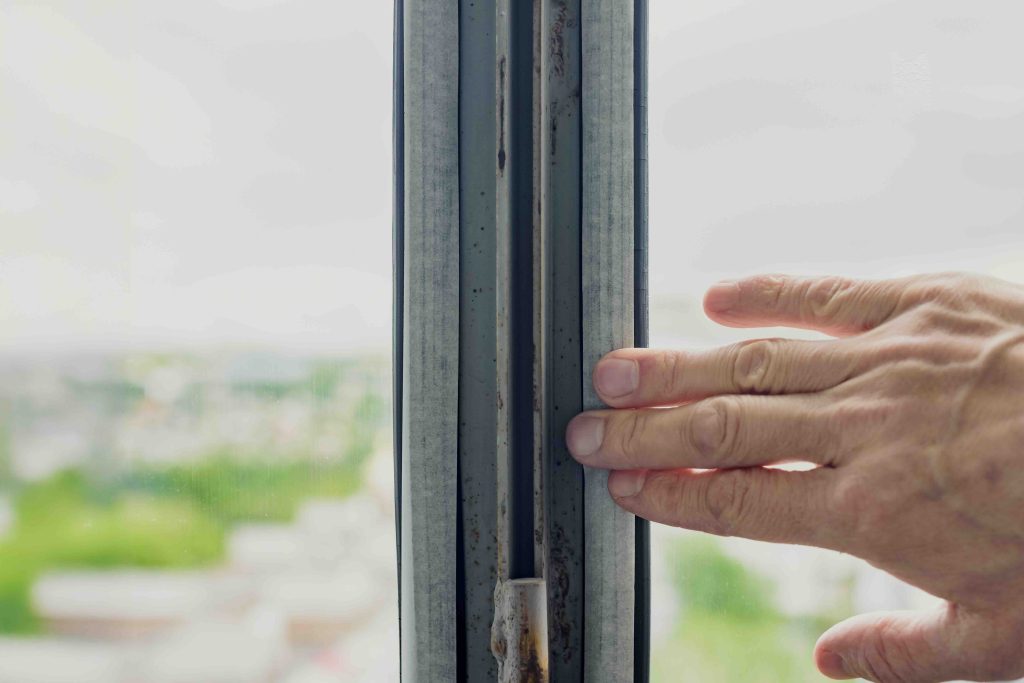
The early warning signs of a failing freezer are easy to miss because they tend to be subtle at first. Food might seem a little soft. Ice cubes might be smaller than usual or have an odd shape. The freezer might run longer cycles than it used to. You might also notice frost buildup in unusual places, which is often a sign the defrost heater or defrost timer is not doing its job. If you press your hand near the door seal and feel warm air leaking in, that gasket is likely compromised. These are not emergency signals on their own, but they are worth paying attention to before the problem escalates.
DIY Troubleshooting Steps Worth Trying First
Before calling a technician, there are a few things worth checking yourself. Start with the obvious: make sure the freezer temperature is set correctly, typically between zero and five degrees Fahrenheit for optimal performance. Check that the unit is not overstuffed, since poor airflow inside the freezer can affect temperature consistency. Pull the refrigerator away from the wall and look at the condenser coils. If they are visibly coated in dust and debris, cleaning them with a brush or vacuum may actually resolve the issue. Also check the door gasket by closing the door on a piece of paper. If you can pull the paper out easily, the seal has degraded. These quick checks cost nothing and occasionally solve the problem entirely.
When to Call a Professional Technician
If the basic troubleshooting steps do not restore proper freezing, it is time to bring in a professional. Refrigerant leaks, compressor issues, and control board failures are not DIY territory. Refrigerant handling in particular requires a certified technician and proper equipment. A professional diagnostic visit will identify whether the repair makes financial sense relative to the age and value of the appliance. Refrigerators that are more than ten years old and facing a compressor replacement are often candidates for replacement rather than repair. That is a judgment call, but a good technician will help you think through it clearly.
The Real Cost of a Freezer Failure
Here is something that does not always get enough attention: the cost of a freezer failure is not just the repair bill. There is the food loss, which can easily run into the hundreds of dollars depending on what was stored. There is the time spent dealing with the problem, finding a repair person, waiting for the appointment, and managing food storage in the meantime. And then there is the actual repair, which can range from under one hundred dollars for a simple fan motor to over eight hundred dollars for a compressor replacement. If the refrigerator is under manufacturer warranty, some of that may be covered. If not, the full cost lands on the homeowner. This is where home warranty coverage becomes a genuinely practical conversation.

What a Home Warranty Covers When Your Freezer Fails
A home warranty is a service contract that helps cover the cost of repairing or replacing major home systems and appliances when they break down due to normal wear and tear. Most comprehensive home warranty plans include refrigerators and freezers as covered appliances. When your freezer stops working, you file a claim, pay a service fee, and a technician is dispatched to diagnose and repair the problem. If the repair is covered, the warranty pays for it up to the plan limits. This structure removes a significant amount of financial unpredictability from appliance ownership, which is especially useful for homeowners managing tight budgets or older appliances that are statistically more likely to fail.
Key Advantages of Home Warranty Coverage for Appliance Failures
Home warranty plans provide a layer of financial protection that feels almost invisible until you actually need it. Appliance repair costs are notoriously difficult to predict, and a freezer failure is a perfect example of why that unpredictability is stressful. With coverage in place, you are not caught off guard by a large, unexpected expense. The claims process is straightforward with reputable providers, and service is typically scheduled quickly to minimize disruption. For homeowners who are not handy, coverage also removes the stress of finding and vetting a reliable repair technician, since the warranty company handles that part of the process.
Why Armadillo Is Worth Your Consideration When Appliances Let You Down
When your freezer stops doing its job, the last thing you want is a warranty company that makes you jump through hoops to get help. That is exactly what sets Armadillo apart. Armadillo offers straightforward, transparent home warranty coverage built for real homeowners dealing with real appliance problems. If you are looking for a home warranty plan that covers refrigerator and freezer repairs without the runaround, Armadillo is built for that exact situation. The coverage is honest, the process is simple, and the team is responsive when you need them most. Whether your compressor just gave out or your evaporator fan is failing, having a plan in place means the repair cost does not become a crisis. Take a few minutes to get a free home warranty quote for appliance breakdown protection and see exactly what coverage looks like for your home. It is a small step that pays off in a big way when something breaks down at the worst possible time.

Frequently Asked Questions About Refrigerator Freezers Not Freezing
These are some of the most common questions homeowners ask when their freezer stops working properly.
Why is my freezer running but not freezing?
A freezer that runs without reaching proper temperatures usually has a failing component within the refrigeration cycle. Common causes include a malfunctioning evaporator fan, dirty condenser coils, a faulty defrost system, or a compressor that is no longer performing efficiently. A professional diagnostic is the most reliable way to identify the exact issue.
How cold should a freezer be to properly freeze food?
A freezer should maintain a temperature of zero degrees Fahrenheit or below to keep food safely frozen and preserve quality. Anything above ten degrees Fahrenheit on a consistent basis indicates a performance problem that needs to be addressed.
Can a dirty condenser coil cause a freezer to stop freezing?
Yes. When condenser coils are coated in dust and debris, the refrigerator cannot release heat efficiently, which causes the entire system to work harder and perform worse. Cleaning the coils is one of the simplest maintenance tasks and can restore function in some cases.
How long does it take for a freezer to return to temperature after a repair?
After a repair, a freezer typically takes four to twenty-four hours to return to its target temperature depending on how warm the interior became and how large the unit is. Avoid opening the door frequently during this period to allow the temperature to stabilize faster.
Does a home warranty cover a freezer that stopped freezing?
Most comprehensive home warranty plans do cover refrigerator and freezer failures caused by normal wear and tear. Coverage typically includes the compressor, evaporator fan motor, defrost system, and other mechanical components. Reviewing your specific plan terms will confirm exactly what is included.
Is it worth repairing an old freezer or should I replace it?
A general rule is that if the repair cost exceeds fifty percent of the replacement cost and the appliance is more than eight to ten years old, replacement is often the smarter financial decision. A technician can help you assess whether a repair is worthwhile given the appliance’s age and overall condition.
What causes frost buildup inside a freezer?
Excessive frost buildup is usually caused by a failed defrost heater, defrost timer, or defrost thermostat. It can also result from a damaged door gasket that allows warm, moist air into the freezer. When the defrost system fails, ice accumulates on the evaporator coils and blocks airflow, which prevents proper freezing.
Can a bad door gasket cause a freezer to stop freezing?
Yes. A worn or cracked door gasket allows warm air to continuously enter the freezer, which forces the system to work constantly and still fail to maintain proper temperatures. Replacing a door gasket is one of the more affordable repairs and can make a significant difference in performance.
How do I know if my freezer compressor has failed?
Signs of a failed compressor include a freezer that is completely warm despite the unit appearing to run, unusual clicking or buzzing sounds near the back of the appliance, and the compressor unit itself feeling abnormally hot or not cycling on at all. A technician with the proper diagnostic tools can confirm compressor failure.
Will a home warranty cover food loss if my freezer breaks down?
Some home warranty plans include limited food loss reimbursement as part of their coverage, but this varies by provider and plan. It is worth reviewing the details of any warranty plan you are considering to understand whether food spoilage is included and up to what dollar amount.