When Your Stove Top Stops Working: What Every Homeowner Should Know
There are few things more frustrating than walking into your kitchen ready to cook, turning the burner knob, and getting absolutely nothing. No heat, no click, no flame. Just silence and a sinking feeling. A stove top that stops working is one of those appliance failures that immediately disrupts your entire routine, and if you have no idea why it happened or what to do next, the situation can feel overwhelming fast. This guide is here to change that. Whether you have a gas range, an electric coil cooktop, or a smooth glass ceramic surface, understanding how your stove top works, why it fails, and what your options are can save you time, money, and a lot of unnecessary stress.
How a Stove Top Actually Works
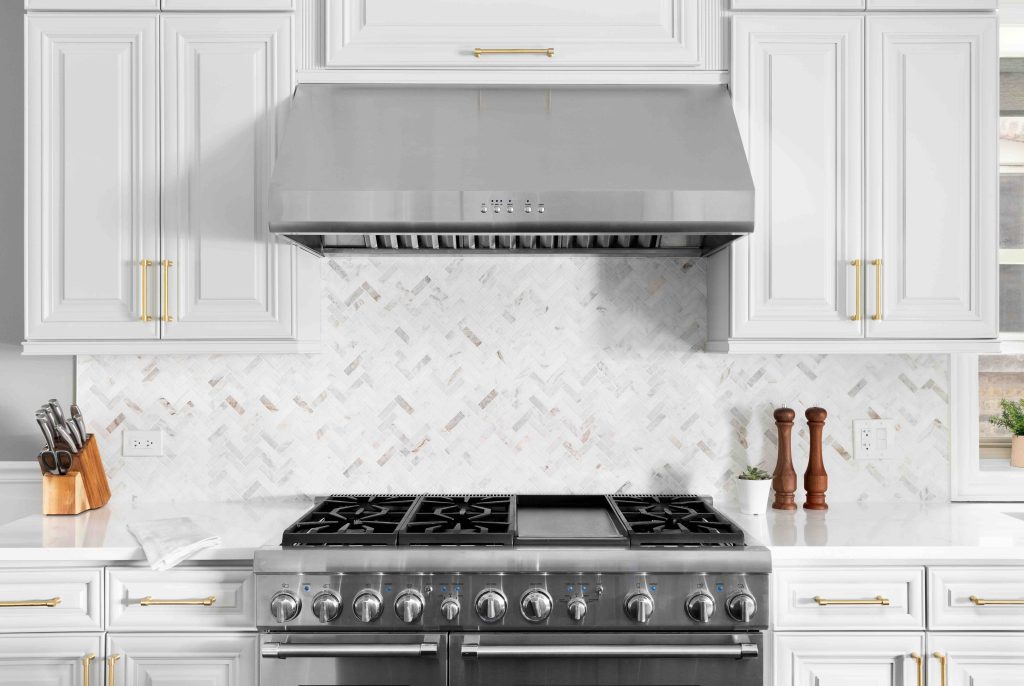
Before diving into what goes wrong, it helps to understand the basics of what goes right. A stove top, regardless of fuel type, is designed to convert an energy source into consistent, controllable heat. Gas stove tops rely on a steady supply of natural gas or propane that is ignited by a spark igniter when you turn the knob. Electric coil stove tops use metal heating elements that draw electrical current and heat up through resistance. Smooth-top electric and induction cooktops work through radiant heat or electromagnetic fields respectively, and both require a functional connection to your home’s electrical system. When any component in that chain breaks down, whether it is the igniter, the heating element, the control switch, or the power supply, the result is the same: your stove top does not work. Knowing which type you have matters enormously when it comes to diagnosing the problem.
The Most Common Reasons a Stove Top Stops Working
Stove top failures are rarely random. There are a handful of causes that technicians see over and over again, and understanding them can help you figure out whether you are dealing with a quick fix or a more serious repair. Here are the most frequent culprits:
- Faulty or worn-out burner elements on electric coil cooktops
- Clogged burner ports on gas stove tops due to food debris or grease buildup
- A failed spark igniter that clicks but does not light or does not click at all
- A tripped circuit breaker or blown fuse disrupting power to the unit
- A damaged control switch or infinite switch that regulates heat output
- A malfunctioning surface element board on smooth-top electric models
- Gas supply issues, including a closed valve or a disruption from the utility provider
Some of these issues are inexpensive and straightforward to address. Others can push into the range of several hundred dollars depending on the appliance model and the labor required in your area. The key is diagnosing the right problem before spending money on the wrong solution.
Electric vs. Gas Stove Tops: Key Differences When Things Go Wrong
The type of stove top you have will shape both the failure mode and the repair path. Gas stove tops tend to have mechanical and combustion-related failures. If your burner clicks repeatedly without lighting, the igniter may be wet, dirty, or defective. If there is no clicking sound at all, the igniter module itself may have failed. Gas issues can sometimes be resolved with a thorough cleaning or a relatively affordable part replacement. Electric stove tops, on the other hand, are more dependent on internal electrical components. A burnt-out burner coil is one of the more common and affordable repairs, but if the issue lives in the control board or the wiring, costs can escalate quickly. Smooth-top glass ceramic models are particularly sensitive to physical damage as well, and a cracked glass surface can render the entire cooktop unsafe to use, often requiring a full replacement rather than a repair.

When to Repair and When to Replace Your Stove Top
This is the question most homeowners get stuck on, and the honest answer depends on a few practical factors. Age is the first consideration. Most stove tops have a functional lifespan of somewhere between 13 and 20 years. If your unit is approaching or past that range and has already needed multiple repairs, replacement is usually the smarter financial decision. Cost is the second factor. A common rule of thumb in the appliance world is that if the repair cost exceeds 50 percent of the replacement cost, it is time to move on. Parts availability is also a legitimate concern for older models. If the components needed to fix your stove top are discontinued or backordered, you may find yourself in a waiting game that simply is not worth it. Finally, consider energy efficiency. Newer models, especially induction cooktops, are substantially more efficient than units manufactured ten or fifteen years ago, and the long-term savings on utility bills can offset some of the replacement cost over time.
Safety Considerations You Should Never Overlook
A malfunctioning stove top is not just inconvenient. Depending on the nature of the failure, it can present genuine safety risks. Gas stove tops that fail to ignite properly can allow unburned gas to accumulate, which is a serious hazard. If you smell gas and the burner is not lighting, turn off the knob immediately, ventilate the space, and contact a professional before attempting anything else. On the electric side, a stove top that produces sparks, unusual burning smells, or visible scorch marks around the burners should be treated as an electrical hazard and taken out of service until a technician inspects it. Never attempt to use a cracked glass smooth-top cooktop. The structural integrity of the glass is what keeps the electrical components underneath safely separated from the cooking surface. Using a cracked unit puts both the appliance and everyone in the kitchen at risk.
Practical Maintenance Tips to Prevent Stove Top Failures
A lot of stove top failures are preventable with consistent, simple maintenance. Keeping burner ports and grates clear of grease and food debris is one of the most effective things you can do for a gas stove top. Boilovers are a major contributor to clogged ports, so cleaning up spills promptly makes a real difference. For electric coil stove tops, periodically removing and inspecting the coils for corrosion or physical damage allows you to catch issues before they become failures. Smooth-top glass surfaces benefit from dedicated ceramic cooktop cleaners that remove residue without scratching the surface. Avoid sliding heavy pots across glass tops, and never place wet cookware on a hot surface, as thermal shock can cause cracking. Across all types, checking connections and ensuring the unit has proper ventilation can extend its lifespan meaningfully.
Understanding Repair Costs and What to Expect
Stove top repair costs vary widely based on the type of unit, the specific component that has failed, and local labor rates. As a general reference point, replacing an electric burner coil might run anywhere from $20 to $150 including parts and labor. A spark igniter replacement on a gas stove top typically falls in the $100 to $250 range. Control board or surface element board replacements are more expensive, often landing between $200 and $600 depending on the appliance brand. If you are dealing with a high-end or commercial-style range, parts alone can be significantly more costly. Getting a diagnostic assessment from a qualified appliance technician before authorizing any repair is always a wise first step. Some repair services charge a diagnostic fee that is applied toward the total cost if you proceed, which can make the assessment process feel more worthwhile.
How Home Warranties Factor Into Stove Top Repairs
This is where things get genuinely useful for homeowners who want to protect themselves from unexpected appliance repair bills. A home warranty is a service contract that covers the cost of repairing or replacing major home systems and appliances when they fail due to normal wear and tear. Stove tops and range burners are typically covered under the appliance portion of a home warranty plan. When a covered appliance breaks down, the homeowner contacts the warranty provider, pays a service call fee, and the provider dispatches a qualified technician to diagnose and resolve the issue. If the repair is covered, the homeowner avoids the full out-of-pocket cost. For appliances like stove tops that can fail unexpectedly and carry repair bills that range from modest to substantial, having a home warranty in place can be a meaningful financial buffer. It is worth understanding what each plan specifically covers, including whether it applies to built-in cooktops, freestanding ranges, or both.
Why Armadillo Is Worth Considering When Your Stove Top Lets You Down
When a stove top failure happens, the last thing you want to spend time doing is researching contractors, comparing quotes, and wondering if you are getting a fair deal. That is exactly the kind of friction that Armadillo’s home warranty coverage for kitchen appliances and home systems is designed to eliminate. Armadillo offers straightforward, homeowner-friendly plans that cover the appliances you rely on every day, including your stove top, without burying the important details in dense contract language. The process is simple, the coverage is transparent, and the goal is to make sure that a broken burner does not turn into a financial headache. If you have been thinking about protecting your home from the kind of unexpected repair bills that appliance failures tend to bring, now is a reasonable time to get a free home warranty quote and see what stove top protection costs you. Knowing you are covered before something breaks is always better than scrambling after it does.

Frequently Asked Questions About Stove Top Problems and Home Warranty Coverage
Homeowners dealing with a stove top that has stopped working often have similar questions. Here are clear answers to the ones that come up most often.
Why is my electric stove top not heating up at all?
The most likely causes are a burnt-out burner element, a tripped circuit breaker, or a failed control switch. Check your home’s electrical panel first to rule out a tripped breaker before calling a technician.
Why does my gas stove top click but not ignite?
This usually means the igniter is wet or dirty, which prevents it from producing a spark strong enough to light the gas. Cleaning around the igniter with a dry cloth or soft brush often resolves the issue. If the problem persists, the igniter module may need replacement.
Is it safe to use a stove top with a cracked glass surface?
No. A cracked glass ceramic cooktop should not be used. The crack can worsen with heat exposure and may expose internal electrical components, creating both a burn risk and an electrical hazard.
How long does a stove top typically last?
Most stove tops last between 13 and 20 years with regular use and proper maintenance. Gas models tend to have slightly longer lifespans than electric smooth-top models when maintained well.
Does a home warranty cover stove top repairs?
Most home warranty plans include stove tops and range burners under their appliance coverage. Coverage terms vary by provider, so reviewing the specific plan details is important before purchasing.
What is the average cost to repair a stove top?
Repair costs typically range from $100 to $600 depending on the component that failed, the type of stove top, and local labor rates. Simple element replacements tend to cost less, while control board failures are more expensive.
Can I replace a stove top burner myself?
On electric coil stove tops, replacing a burner element is relatively straightforward and does not usually require professional help. Gas stove top repairs and any work involving wiring or control boards should be handled by a qualified technician.
What should I do if I smell gas from my stove top?
Turn off the burner knob immediately, avoid using any open flames or electrical switches, ventilate the area by opening windows, and contact a gas professional or your utility provider before using the appliance again.
Will a home warranty cover a stove top that was already broken when I bought the house?
Most home warranty providers do not cover pre-existing conditions. Coverage typically applies to failures that occur due to normal wear and tear after the policy is active.
When does it make more sense to replace a stove top rather than repair it?
If the repair cost exceeds 50 percent of the replacement cost, the unit is more than 15 years old, or parts are no longer readily available, replacement is generally the more practical and cost-effective choice.