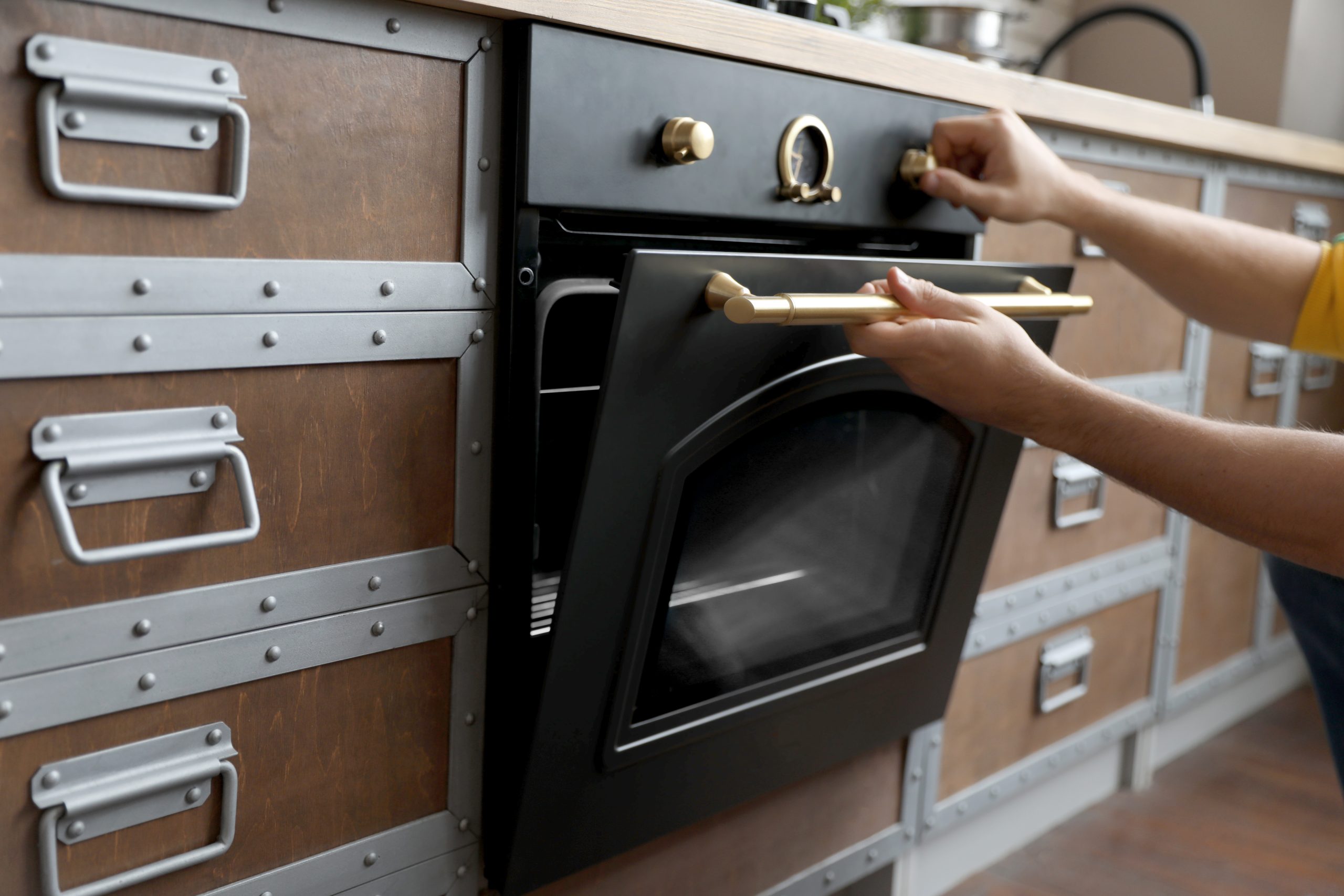
Why Your Gas Oven Will Not Preheat and What You Can Do About It
You set the temperature, wait for the beep, slide in your dish, and then nothing cooks right. Sound familiar? A gas oven that refuses to preheat properly is one of those problems that sneaks up on you slowly, or sometimes just stops working outright with zero warning. Either way, it is frustrating. The good news is that this is one of the more common appliance issues homeowners deal with, and in many cases, there is a clear explanation for what went wrong. Understanding how your oven works, why it fails, and what your options are puts you in a much better position to handle the situation without panicking or overspending.
How a Gas Oven Preheating System Actually Works
Before getting into the problems, it helps to understand the basics. A gas oven heats through a burner located at the bottom of the appliance. When you set a temperature, the oven control board sends a signal to the igniter. The igniter heats up until it reaches a temperature high enough to open a safety valve that allows gas to flow. Once the gas meets the hot igniter, combustion occurs and the flame heats the oven cavity. The temperature sensor monitors the interior and tells the control board when to cycle the burner on or off to maintain your target temperature. If any single component in that chain fails, the oven either will not preheat at all, or it will heat inconsistently. It sounds complicated, but it is actually a pretty logical system once you see how the pieces connect.
The Most Common Causes of a Gas Oven That Will Not Preheat
There are several components that tend to fail more often than others. Knowing which ones to look at first can save you a lot of guesswork.
- Weak or failed igniter: This is the number one cause. An igniter that glows but takes longer than 90 seconds to light the burner is likely too weak to open the gas valve fully. Even if you can see it glowing orange, it may not be generating enough heat to do its job.
- Faulty temperature sensor: If the sensor gives the control board inaccurate readings, the oven may think it has already reached the target temperature when it has not. This leads to very slow preheating or none at all.
- Malfunctioning control board: The electronic control board coordinates all oven functions. When it starts to fail, the signals it sends to the igniter or gas valve can become inconsistent or stop entirely.
- Gas supply issue: Before assuming the oven itself is broken, it is worth checking that the gas supply valve behind or beneath the oven is fully open and that gas is reaching the appliance properly.
- Defective safety gas valve: In some cases, the valve that controls gas flow to the burner becomes faulty and will not open even when the igniter reaches the correct temperature.
Signs Your Oven Igniter Is the Problem
The igniter is responsible for a gas oven not preheating in the vast majority of cases, so it deserves its own discussion. There are a few signs that point specifically to igniter failure. First, if you can see the igniter glow but the oven does not light within about 90 seconds, the igniter is weak. Second, if you do not see any glow at all, the igniter may have failed completely. Third, if the oven takes an unusually long time to reach temperature but eventually gets there, an aging igniter is often the culprit. Igniters degrade over time due to consistent exposure to heat and thermal cycling. They are a wear item, and replacing one is considered routine maintenance in older ovens. The part itself is typically not expensive, though labor costs add up depending on your appliance repair professional.
What a Faulty Temperature Sensor Does to Your Oven
A temperature sensor failure is a bit trickier to diagnose because the symptoms overlap with other issues. When the sensor reads incorrectly, your oven may take forever to preheat, or it may overshoot or undershoot the target temperature even once it gets going. You might notice that baked goods are coming out undercooked at the center while being overdone on the edges, or that food simply takes longer than recipes indicate. Sensors can be tested with a multimeter for resistance values that fall outside normal range. A properly functioning sensor on most residential ovens will read around 1,080 to 1,100 ohms at room temperature. If the reading is way off, replacement is usually the next step.

Can You Diagnose a Gas Oven Preheating Problem Yourself
Some homeowners are comfortable doing basic appliance diagnostics, and that is perfectly reasonable for certain steps. Visually checking the igniter for a glow, confirming the gas valve is open, and running a temperature test using an oven thermometer are all things you can do without professional help. However, anything involving gas line components, the control board, or internal electrical wiring should be handled by a licensed appliance technician. Gas appliances carry real safety risks when improperly serviced. If you smell gas at any point, do not attempt any repairs. Turn off the gas supply, leave the home, and call your gas utility provider immediately. That situation is not a DIY moment.
How Much Does It Cost to Repair a Gas Oven That Will Not Preheat
Repair costs vary based on the component that failed and where you live. As a general range, igniter replacement typically costs between $150 and $300 including labor. A temperature sensor repair lands in a similar range. Control board replacement is where costs can escalate significantly, often landing between $200 and $500 or more depending on the brand and model. If the oven is older and the repair cost approaches or exceeds half the cost of a new unit, most appliance professionals will recommend replacement over repair. That is a useful benchmark to keep in mind when you are getting quotes.
Maintenance Tips to Prevent Preheating Problems
Routine attention to your gas oven can extend its life and reduce the likelihood of preheating failures down the road. None of these tips require professional help and they take very little time.
- Keep the oven clean, especially around the igniter and burner. Built-up grease and food debris can interfere with ignition and airflow.
- Avoid using the self-cleaning cycle too frequently. The extremely high temperatures used during self-cleaning put significant stress on the igniter and other internal components.
- Do not line the oven floor with foil. This disrupts heat circulation and can cause the temperature sensor to read inaccurately.
- Periodically verify that your oven temperature is accurate using an inexpensive oven thermometer.
- Have your appliances inspected during regular home maintenance checks, particularly before colder months when your kitchen appliances tend to work harder.
When to Repair Versus Replace Your Gas Oven
This is the decision most homeowners end up wrestling with, and it is rarely a simple one. The age of the oven matters a great deal. Most gas ovens have an expected lifespan of around 15 years. If yours is approaching or past that mark and a significant component has failed, replacement starts to make more financial sense. On the other hand, if the oven is relatively young and the repair is isolated to a single part like an igniter or sensor, repair is almost always the right call. Getting a written estimate from a qualified technician before making a decision is always a smart move. A reputable technician will give you an honest assessment of the appliance’s overall condition, not just the immediate issue.
How a Home Warranty Helps When Your Gas Oven Stops Preheating
Here is where things get interesting for homeowners who are tired of being caught off guard by appliance repair bills. A home warranty plan is designed to cover the cost of repairs or replacements for major systems and appliances in your home when they fail due to normal wear and tear. That includes gas ovens. When your oven stops preheating and the cause is a failed igniter, sensor, or control board, a home warranty steps in so you are not stuck paying out of pocket for a repair that could run several hundred dollars. With Armadillo’s home warranty coverage for kitchen appliances and major home systems, you get straightforward protection without the fine print surprises that tend to define the industry. If you have been thinking about adding a layer of financial protection to your home, this is a good moment to act. You can get a free home warranty quote for gas oven coverage and more in just a few minutes and see exactly what a plan would cost you. Appliance failures are not a matter of if, they are a matter of when. Having coverage in place before something breaks is the whole point.

Frequently Asked Questions About Gas Oven Preheating Problems
Here are answers to the most common questions homeowners ask when their gas oven stops preheating correctly.
Why does my gas oven ignite but still not preheat to the right temperature?
If the burner lights but the oven never reaches your set temperature, the most likely causes are a failing temperature sensor giving inaccurate readings to the control board, or a weak igniter that is not sustaining proper combustion. An oven thermometer can help you confirm whether the temperature is actually off from what the display shows.
Is it safe to use a gas oven that is not preheating properly?
Using an oven that is not heating correctly can result in undercooked food, which is a food safety concern. Beyond that, a malfunctioning igniter or gas valve can occasionally cause gas to accumulate before igniting, which presents a safety hazard. It is best to have the appliance inspected before continuing to use it.
How long should a gas oven take to preheat?
Most residential gas ovens reach a temperature of 350 degrees Fahrenheit within 10 to 15 minutes. If your oven consistently takes longer than 20 minutes, that is a sign that something in the heating system is not functioning correctly and warrants attention.
What does it mean when a gas oven clicks but does not light?
Clicking is the sound of the igniter sparking. If the oven clicks repeatedly without the burner lighting, the igniter may be dirty, wet, or failing. In some cases, debris around the burner can also block gas flow. Cleaning the igniter area carefully after the oven has fully cooled can sometimes resolve this, but persistent clicking without ignition usually requires professional service.
Can a dirty oven cause preheating problems?
Yes. Heavy grease buildup and food residue near the igniter or burner can interfere with ignition and airflow. Regular cleaning helps prevent this from becoming a functional issue. Avoid excessive use of the self-cleaning cycle, as the high heat it generates stresses internal components.
Does a home warranty cover gas oven igniter replacement?
In most cases, yes. Home warranty plans that include appliance coverage typically cover the igniter as a mechanical component that fails due to normal wear and tear. Coverage terms vary by provider, so reviewing your plan documents or speaking with your warranty company before scheduling a repair is always a good idea.
How do I know if my oven’s control board has failed?
Signs of a failing control board include erratic temperature behavior, an oven that does not respond to settings, error codes on the display, or complete failure to power on. Control board issues are often intermittent at first, which makes them tricky to diagnose. A qualified appliance technician can run diagnostics to confirm whether the board is the source of the problem.
Is it worth repairing an older gas oven or should I replace it?
The general rule is that if the repair cost exceeds 50 percent of the cost of a comparable new unit, replacement is often the smarter financial decision. Oven age is also a factor. A unit that is 12 to 15 years old with a major component failure is typically a better candidate for replacement than a newer oven with a single failed part.
Can I replace a gas oven igniter myself?
Technically, some homeowners with appliance repair experience do replace igniters themselves since it does not involve working directly with gas lines on most models. However, improper installation can create safety risks. Unless you are confident in your ability to safely disconnect power, access the burner assembly, and reinstall the component correctly, professional service is the safer route.
How does a temperature sensor affect oven preheating?
The temperature sensor communicates the interior oven temperature to the control board. If the sensor reads too high, the control board thinks the oven has reached the target temperature prematurely and stops cycling the burner. This results in an oven that feels warm but never actually reaches the set temperature. Replacing a faulty sensor is a relatively straightforward repair that typically resolves the issue completely.