When Your Water Heater Stops Working: What Homeowners Need to Know
You turn on the faucet expecting a warm shower, and what you get instead is a cold, rude awakening. A water heater that has quit working is one of those household problems that demands immediate attention, and it has a way of happening at the worst possible moment. Understanding why water heaters fail, what grounding has to do with it, and how a home warranty fits into the picture can save you a significant amount of stress and money. This guide walks you through all of it in plain language.
How a Water Heater Actually Works
Most homes rely on either a gas or electric tank water heater, typically holding between 40 and 50 gallons of water. The unit heats water continuously and keeps it ready for use throughout the day. Gas models use a burner and thermocouple system, while electric models use heating elements powered directly from your home’s electrical panel. Both types include a thermostat that regulates the water temperature, a pressure relief valve for safety, and a sacrificial anode rod that prevents internal tank corrosion. When any one of these components fails, the whole system can go offline fast.
What It Means When a Water Heater Is Grounded
Grounding in the context of a water heater refers to an electrical fault condition, not a routine maintenance term. When a water heater is said to be grounded, it typically means there is an unintended electrical connection between an energized component and the metal casing or chassis of the unit. This can happen when insulation on heating elements breaks down, when moisture infiltrates the electrical connections, or when internal wiring becomes corroded over time. A grounded water heater is a safety concern and an operational one. The circuit breaker will often trip repeatedly to prevent a hazard, which is why the unit stops producing hot water in the first place. Ignoring a grounded water heater is not an option.
Common Reasons a Water Heater Stops Working
There are several reasons a water heater can quit entirely, and a grounding fault is just one of them. Knowing the full picture helps you communicate clearly with a technician and understand whether a repair or replacement is the right move.
- Failed heating element, which is the most common cause in electric water heaters
- A tripped circuit breaker or blown fuse in the electrical panel
- A faulty thermostat that is no longer reading temperature accurately
- Sediment buildup inside the tank that reduces heating efficiency and eventually causes damage
- A burned out pilot light or faulty thermocouple in gas models
- A grounded or shorted internal component creating an electrical fault
- A failing or corroded anode rod that accelerates internal tank deterioration
Signs Your Water Heater Has an Electrical Grounding Issue
Electrical faults in water heaters do not always announce themselves dramatically. In some cases, a homeowner might notice the circuit breaker tripping every time the water heater tries to start. In others, there is a subtle burning smell near the unit, visible corrosion around the electrical connections, or the unit simply produces no hot water at all despite the power appearing to be on. If you reset the breaker and it trips again within minutes, that is a strong indicator that something inside the unit is drawing more current than it should, often because of a grounded element or compromised wiring. At that point, professional diagnosis is not optional. It is necessary.

Repair vs. Replacement: Making the Right Call
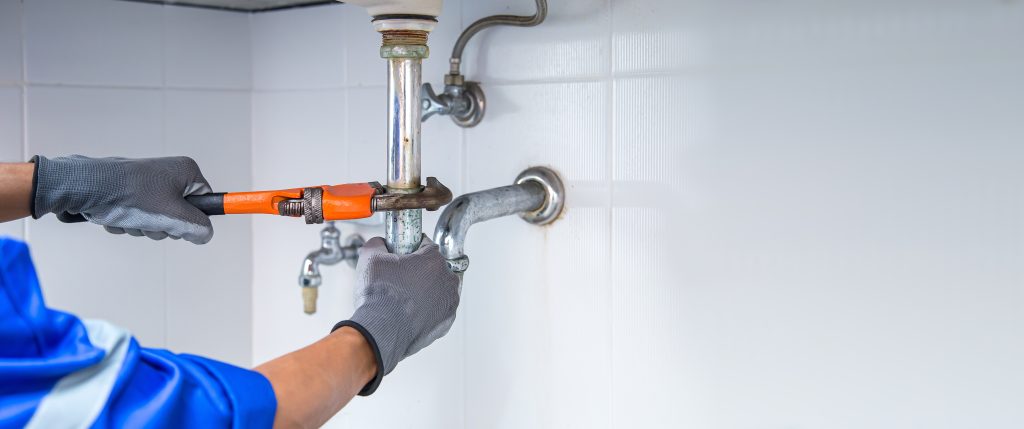
Not every water heater failure requires a full replacement. A grounded heating element, for example, can often be replaced at a reasonable cost if the tank itself is in good condition. However, if the unit is more than ten years old, if there is visible corrosion on the tank exterior, or if the repair estimate approaches or exceeds half the cost of a new unit, replacement usually makes more financial sense. Newer water heaters are also significantly more energy efficient, so the long-term savings on utility bills can help offset the upfront investment. A licensed plumber or appliance technician can give you a clear recommendation after inspecting the unit in person.
The Role of Electrical Safety in Water Heater Maintenance
Routine maintenance plays a big role in preventing the kind of electrical issues that lead to grounding faults. Flushing the tank annually removes sediment that can accelerate corrosion. Inspecting the anode rod every two to three years helps protect the interior lining of the tank. Keeping the area around the water heater dry and well ventilated reduces the risk of moisture reaching electrical components. For electric water heaters specifically, having a licensed electrician verify that the dedicated circuit, wiring, and connections are up to code is a worthwhile investment, particularly in older homes where wiring may have degraded over time.
What Home Warranty Coverage Typically Includes for Water Heaters
Home warranty plans are designed to cover the repair or replacement of major home systems and appliances when they fail due to normal wear and tear. Most reputable home warranty providers include water heaters as a covered item, which means if your unit stops working because of a mechanical or electrical failure, including issues related to heating element failure or internal component breakdown, the warranty company will send a technician to assess the problem and cover the cost of the repair or a replacement unit up to the plan limit. It is worth reading the fine print of any home warranty contract carefully to understand what is and is not included, whether there are coverage caps, and how claims are handled.
What Home Warranties Do Not Cover
Understanding the limitations of home warranty coverage is just as important as knowing the benefits. Most plans will not cover pre-existing conditions, cosmetic damage, issues resulting from improper installation, or failures caused by lack of maintenance. If a water heater was already showing signs of failure before a warranty policy went into effect, that claim will typically be denied. Similarly, if a grounding fault is traced back to faulty electrical work that was done without a permit or by an unlicensed contractor, coverage may be excluded. The best approach is to document your appliances and systems before purchasing a plan and to keep records of any maintenance performed over time.
Why Armadillo Is Worth Considering for Water Heater Protection
When a water heater quits working, the last thing a homeowner needs is a confusing claims process or a warranty provider that looks for reasons not to pay. That is where Armadillo home warranty coverage for water heaters and essential home systems stands apart from the crowd. Armadillo was built with transparency and simplicity in mind, offering plans that cover real mechanical and electrical failures without burying the details in industry jargon. Whether you are dealing with a grounded heating element, a failed thermostat, or a unit that has simply reached the end of its service life, having a reliable warranty plan in place means you are not starting from zero when something goes wrong. If you are ready to stop worrying about what the next repair bill might look like, take a few minutes to get a personalized home warranty quote that covers your water heater and more. It is a straightforward step that puts real protection behind one of the hardest-working appliances in your home.

Frequently Asked Questions About Water Heater Failures and Home Warranty Coverage
These are the questions homeowners ask most often when their water heater stops working and they want to understand their options.
What does it mean when a water heater is grounded?
A grounded water heater has an unintended electrical connection between an energized internal component and the metal body of the unit. This creates an electrical fault that typically causes the circuit breaker to trip and the water heater to stop functioning. It is a condition that requires professional repair.
Can a grounded water heater be repaired, or does it need to be replaced?
In many cases, a grounded heating element can be replaced without replacing the entire unit. If the tank is older than ten years or has additional damage, full replacement is usually the more cost-effective and safer option.
Why does my circuit breaker keep tripping when my water heater runs?
A circuit breaker that trips repeatedly when the water heater activates is a sign of an electrical fault, often a shorted or grounded heating element. The breaker is doing its job by cutting power to prevent a hazard, but the root cause needs to be diagnosed and fixed by a licensed technician.
Does a home warranty cover a water heater that stopped working due to a grounding fault?
Many home warranty plans cover water heater failures caused by mechanical and electrical breakdown, which can include grounding faults. Coverage depends on the specific plan, whether the failure is considered normal wear and tear, and whether proper installation was previously completed.
How long should a water heater last before it needs to be replaced?
Most traditional tank water heaters have a lifespan of 8 to 12 years. Tankless models can last 15 to 20 years with proper maintenance. Age, water quality, and maintenance frequency all influence how long a unit will remain operational.
What maintenance can prevent a water heater from failing prematurely?
Annual tank flushing to remove sediment, periodic anode rod inspection and replacement, keeping electrical connections dry and clean, and ensuring the unit is on a properly rated circuit all contribute to a longer service life and fewer unexpected failures.
What are the signs that a water heater is about to fail?
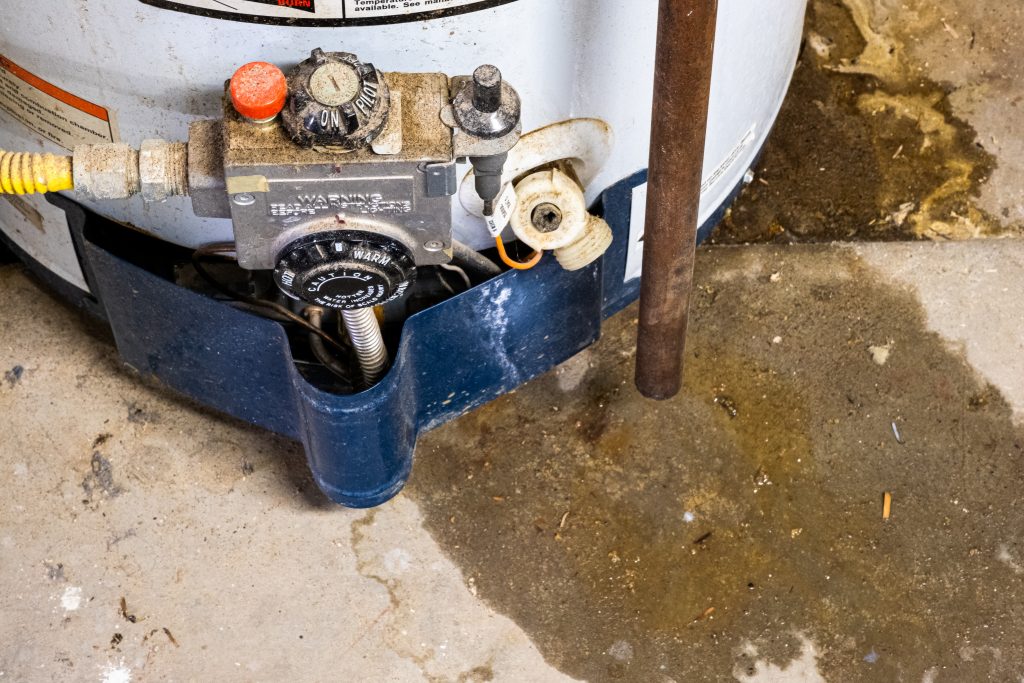
Common warning signs include inconsistent water temperature, rumbling or popping sounds during heating cycles, discolored or rusty water, visible corrosion on the tank, water pooling around the base of the unit, and a circuit breaker that trips when the heater activates.
Is it safe to use a water heater that has a grounding issue?
No. A grounded water heater poses a genuine electrical safety risk. You should not attempt to bypass or manually reset the breaker repeatedly. Disconnect power to the unit and contact a licensed plumber or electrician for an assessment as soon as possible.
Will a home warranty cover both the repair and the installation of a replacement water heater?
Coverage varies by plan and provider. Some home warranty plans cover both parts and labor for installation of a replacement unit, while others may have caps on the total payout. Reviewing your specific contract terms or speaking with your provider directly will clarify what to expect.
How do I file a home warranty claim for a broken water heater?
Most home warranty providers allow you to file a claim online or by phone. You will typically describe the problem, pay a service fee, and the company will dispatch a technician from their approved network. The technician assesses the issue and either repairs it or recommends replacement under the terms of your coverage.