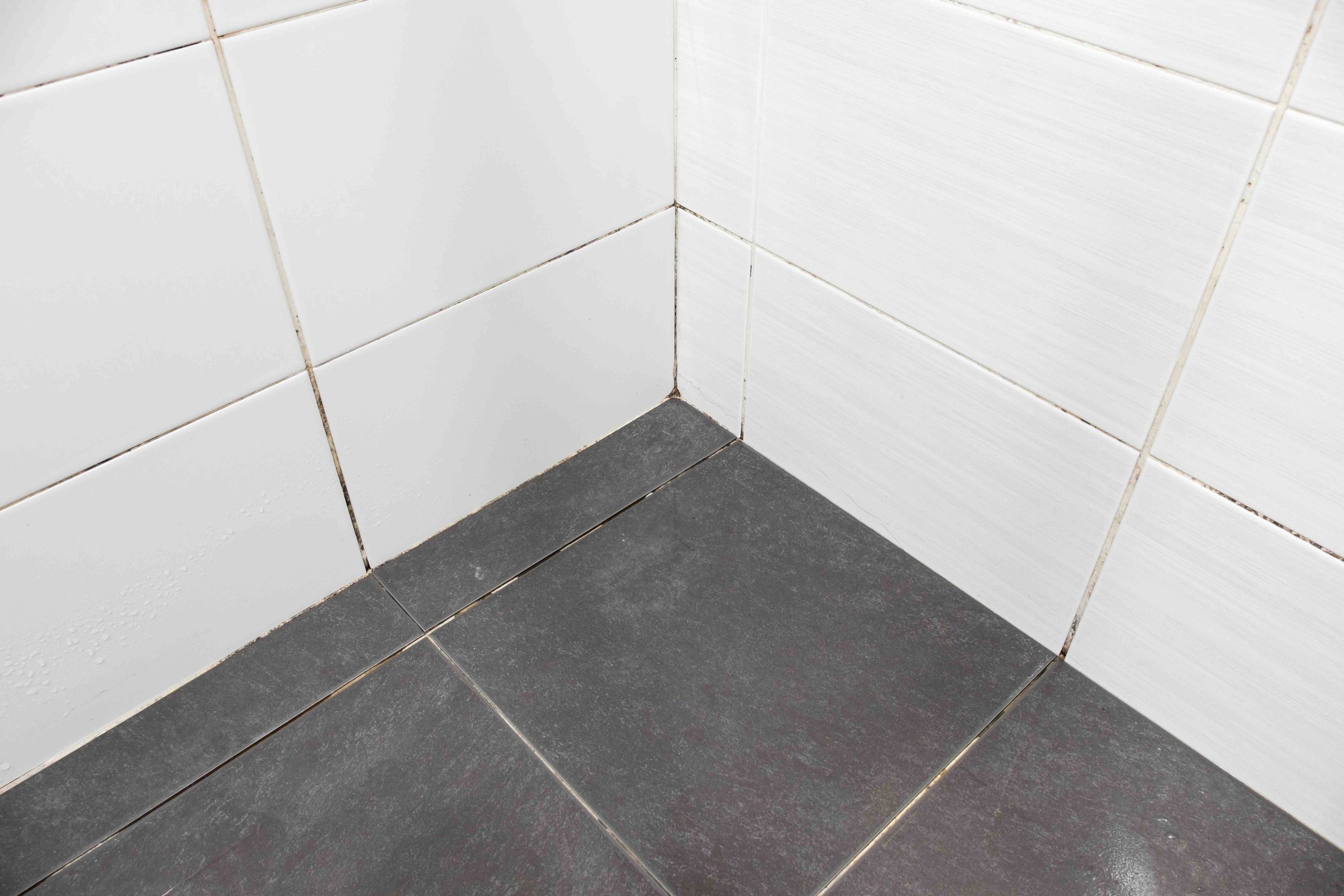
How Long Does Grout Really Need to Dry Before You Use Your Shower?
You just finished re-grouting your shower, or maybe a contractor wrapped up the job, and now you are standing there wondering when it is actually safe to step inside. It is a fair question and one that gets glossed over more than it should. Grout dry time in a shower is not just about avoiding a mess on your feet. It is about protecting a critical part of your home’s waterproofing system. Get it wrong, and you could be looking at cracked grout, mold behind the tile, or water damage that creeps into your subfloor before you even realize there is a problem. So let us walk through what you actually need to know.
What Is Grout and Why Does It Matter in a Shower?
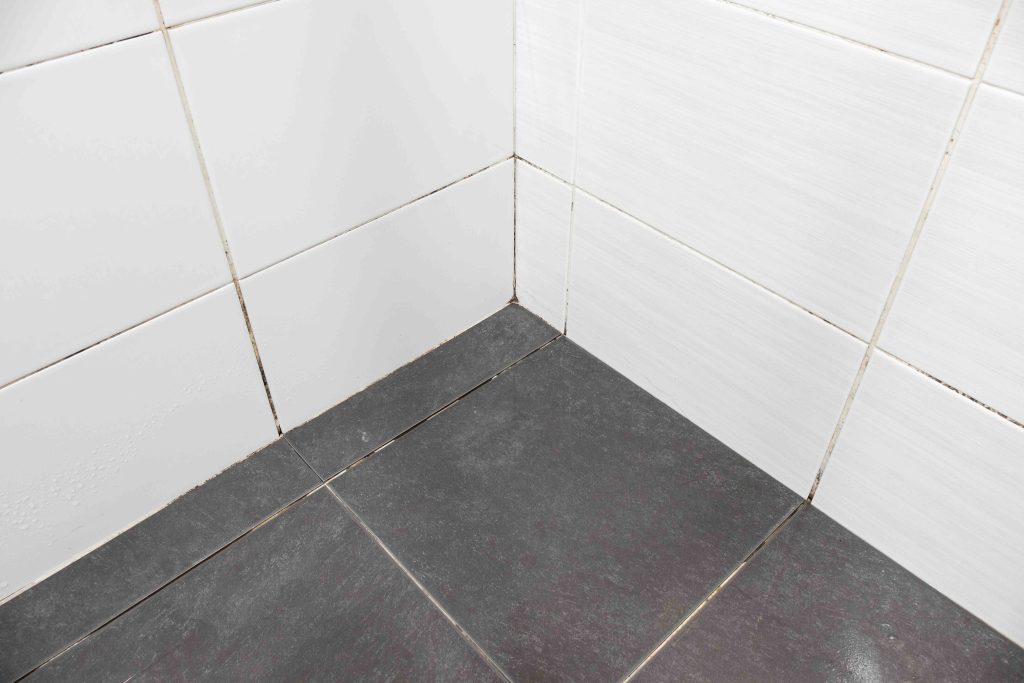
Grout is the material that fills the joints between tiles. It is not just decorative filler. In a shower environment, grout plays a structural and protective role. It keeps water from migrating behind your tile and into the wall substrate or floor system underneath. There are several types of grout available, including sanded, unsanded, epoxy, and furan grout. Each has different working properties, curing times, and ideal use cases. Sanded grout is typically used for wider joints, while unsanded grout works better in narrow spaces. Epoxy grout is the most durable and water-resistant option, but it is also more labor-intensive to work with. Knowing which type you have matters when you are trying to figure out how long to wait before using your shower.
Understanding the Difference Between Dry Time and Cure Time
This is where a lot of homeowners get tripped up. Dry time and cure time are not the same thing. Grout may feel dry to the touch within a few hours, but that does not mean it has fully cured. Curing is a chemical process that takes significantly longer, and it is during this phase that grout develops its final strength and water resistance. Using your shower before the grout has properly cured can introduce moisture into a joint that is not yet sealed, leading to premature deterioration, discoloration, and even structural issues over time. Think of it like fresh concrete. You can walk on it quickly, but you would not park a car on it for weeks. Grout operates on a similar principle.

How Long Should You Actually Wait?
The general recommendation from most grout manufacturers is to wait at least 24 to 72 hours before using a shower after grouting. However, this range varies depending on the type of grout used, the ambient temperature and humidity in the space, and whether a sealer has been applied. Epoxy grout cures faster and can sometimes be ready for light use within 24 hours. Cement-based grouts typically need closer to 48 to 72 hours before any water exposure. If you applied a grout sealer after grouting, and you absolutely should in a shower, you need to factor in additional drying time for that product as well. Most sealers require 24 to 48 hours of their own dry time before the surface can get wet. When in doubt, wait longer. The cost of patience is zero. The cost of water damage is not.
Factors That Affect Grout Dry and Cure Time
Grout does not cure in a vacuum. Several real-world conditions influence how quickly or slowly the process happens. Being aware of these factors helps you make a smarter decision about when your shower is truly ready for use.
- Humidity: High humidity slows evaporation and can extend both dry and cure times significantly.
- Temperature: Grout cures best between 50 and 90 degrees Fahrenheit. Cold environments can slow or even stop the curing process.
- Ventilation: Good airflow helps moisture escape from the grout and accelerates drying.
- Grout thickness: Thicker joints hold more moisture and therefore take longer to cure fully.
- Tile porosity: Highly porous tiles can absorb moisture from the grout, which may affect how the grout cures in certain conditions.
Signs That Grout Has Not Fully Cured
If you are unsure whether your grout is ready, there are a few visual and tactile signs to look for. Fresh grout that has not cured will often appear darker in color than the final product. Once fully cured, most cement-based grouts lighten noticeably. Grout that still feels cool or damp to the touch needs more time. Pressing gently on the surface with a dry fingertip should not leave any residue or indentation. If the grout feels soft or crumbles slightly when touched, it is not ready. These are not signs of defective grout in most cases. They simply mean the curing process is still underway and the shower should remain out of service until it is complete.
The Right Way to Seal Grout in a Shower
Sealing grout in a shower is not optional. It is a necessary step that extends the life of your tile installation and protects the underlying structure of your home. Grout is inherently porous, especially cement-based varieties, and without a sealer, it will absorb water, soap scum, and mold spores over time. There are two primary types of sealers: penetrating sealers, which soak into the grout and protect from within, and surface sealers, which coat the top of the grout. Penetrating sealers are generally preferred for shower environments because they do not alter the appearance of the grout and tend to last longer. Apply the sealer only after the grout has fully cured, typically 48 to 72 hours after installation. Reapply the sealer annually or as directed by the manufacturer to maintain protection.
Common Mistakes Homeowners Make With Shower Grout
- Using the shower too soon before the grout has cured, introducing moisture prematurely.
- Skipping the sealant application entirely or waiting too long to reapply it.
- Using harsh chemical cleaners that break down grout over time.
- Ignoring cracked or missing grout joints, which allows water infiltration behind the tile.
- Choosing the wrong type of grout for the joint width or tile material.
How This Connects to Your Home Warranty Coverage
Here is something many homeowners do not think about until it is too late. Water damage that originates from improper grout installation or premature use of a shower can cascade into larger home system failures. If water gets behind tile and into the subfloor, you may eventually be dealing with structural damage, plumbing issues, or mold remediation. Some of these downstream problems can intersect with what a home warranty covers, specifically plumbing systems or certain structural elements. However, most home warranty plans draw a clear distinction between covered mechanical failures and damage resulting from improper maintenance or installation. That is an important distinction, and understanding it can save you from an unpleasant surprise when you file a claim.
Why Armadillo Is the Right Partner When Your Home Needs Protection
Protecting your home goes well beyond watching grout dry. It means having reliable coverage in place for the systems and appliances that keep your home functioning day to day. When unexpected failures happen, and they will, having a home warranty plan from Armadillo home warranty coverage for plumbing and major home systems means you are not absorbing the full financial hit on your own. Armadillo is built for homeowners who take their homes seriously and want straightforward, honest coverage without the runaround. If you have recently completed a bathroom renovation or are thinking ahead about the long-term health of your home, now is a smart time to get a free home warranty quote to protect your bathroom plumbing and beyond. Coverage should feel like a relief, not a negotiation, and that is exactly what Armadillo delivers.

Frequently Asked Questions About Grout Dry Time in Showers
These are the questions homeowners ask most often when navigating grout installation, dry times, and shower maintenance decisions.
How long should I wait before using my shower after re-grouting?
Most grout types require a minimum of 24 to 72 hours before the shower should be used. Cement-based grout generally needs the full 72 hours, especially in humid conditions, while epoxy grout can sometimes be ready sooner. Always check the manufacturer’s instructions for the specific product used.
Can I speed up grout drying time?
You can improve ventilation in the space by running a bathroom exhaust fan or placing a portable fan nearby to encourage airflow. Keeping the room at a moderate temperature also helps. However, applying direct heat from a heat gun or space heater is not recommended, as it can cause uneven curing and cracking.
What happens if I use the shower before the grout dries?
Using the shower too early introduces moisture into grout joints that are not yet sealed or fully hardened. This can lead to weakened grout, discoloration, mold growth behind the tile, and in serious cases, water damage to the subfloor or wall substrate.
Does grout color change as it dries?
Yes. Wet grout almost always appears darker than it will once fully cured. As moisture evaporates during the curing process, the grout lightens to its true finished color. If your grout still looks dark or uneven, it likely needs more time to cure.
How often should shower grout be resealed?
As a general rule, shower grout should be resealed once a year. High-traffic showers or those in particularly humid climates may benefit from more frequent sealing. A simple water bead test can help you determine if the sealer is still effective. If water absorbs into the grout rather than beading on the surface, it is time to reseal.
What type of grout is best for a shower?
Epoxy grout is widely considered the most durable and water-resistant option for showers. It resists staining, does not require sealing, and holds up well against moisture and cleaning products. Cement-based unsanded grout is also commonly used for narrow tile joints in shower walls and performs well when properly sealed.
Is cracked shower grout a serious problem?
Yes. Cracked grout allows water to penetrate behind the tile, which can lead to mold, mildew, damaged wall substrate, and over time, structural deterioration. Cracked grout should be repaired promptly by removing the damaged material and applying fresh grout followed by a sealer.
Can I grout over existing grout in a shower?
It is generally not recommended to apply fresh grout directly over existing grout. The old grout should be removed to a sufficient depth, typically at least two to three millimeters, to give the new grout proper adhesion. Applying grout over grout can result in poor bonding, cracking, and a less effective waterproof seal.
Does grout dry time differ between floor and wall tiles in a shower?
The same general curing timelines apply to both floor and wall grout, but shower floors may experience slightly different drying conditions due to lower airflow close to the ground and the way water pools during use. Extra caution is warranted for floor grout since it bears direct foot traffic and water exposure simultaneously.
Will a home warranty cover water damage from grout failure?
Most home warranty plans cover mechanical system failures rather than damage resulting from maintenance issues like deteriorated grout. However, if grout failure leads to a covered plumbing problem, there may be intersecting coverage depending on your specific plan. Reviewing your home warranty terms carefully and speaking with your provider is the best way to understand what applies in your situation.