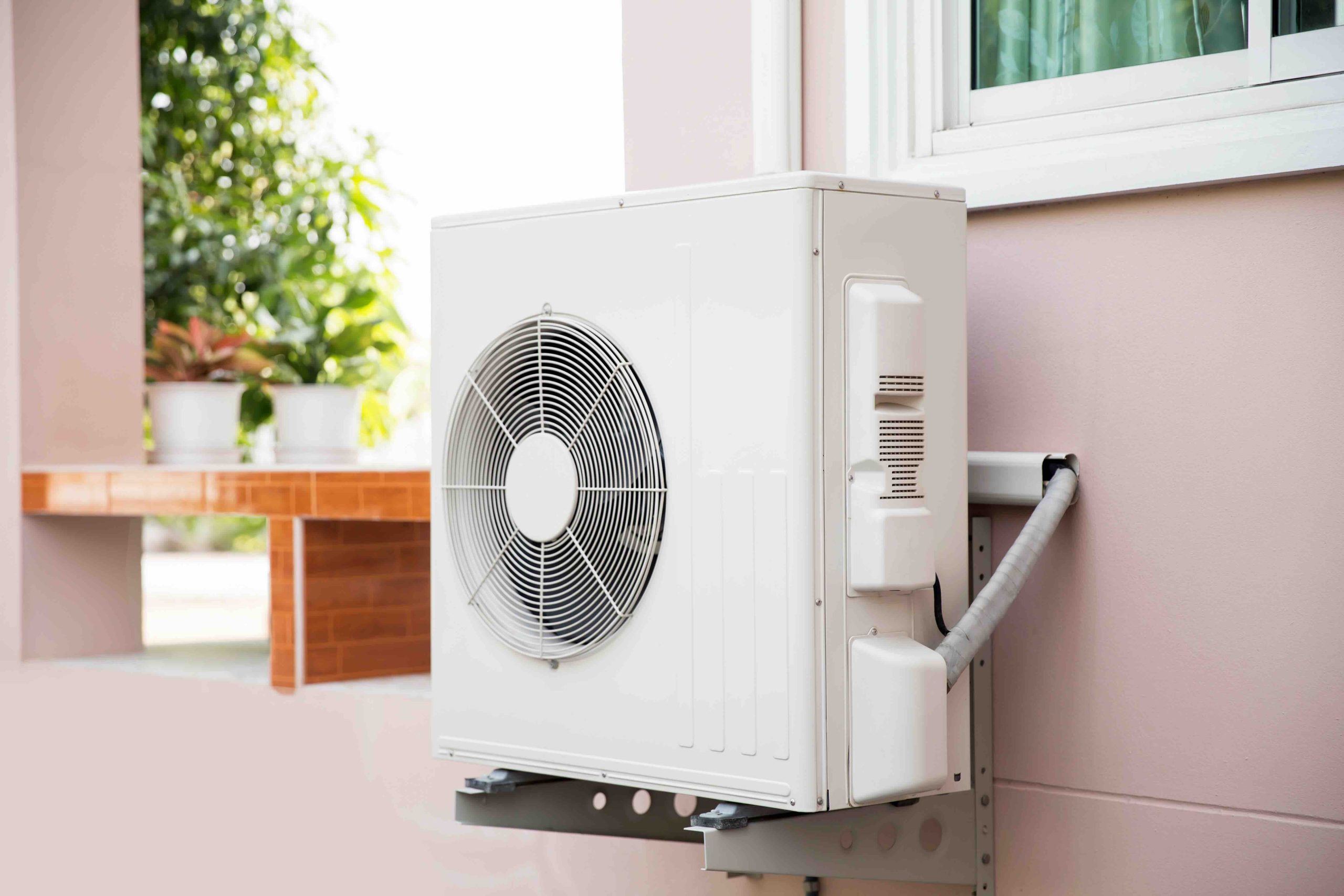
What Is a Heat Pump and Why Are Homeowners Talking About It?
If you have spent any time researching energy-efficient home upgrades, chances are the term heat pump has come up more than once. And honestly, it deserves the attention. A heat pump is a heating and cooling system that moves heat rather than generating it, which makes it fundamentally different from a traditional furnace or central air conditioner. Instead of burning fuel to create warmth or using refrigerant to manufacture cold air, a heat pump transfers thermal energy from one place to another. In winter, it pulls heat from the outdoor air and moves it inside. In summer, it reverses the process and pushes warm air out of your home. The result is a single system that handles both functions year-round, often using significantly less energy than conventional alternatives.
How a Heat Pump Actually Works
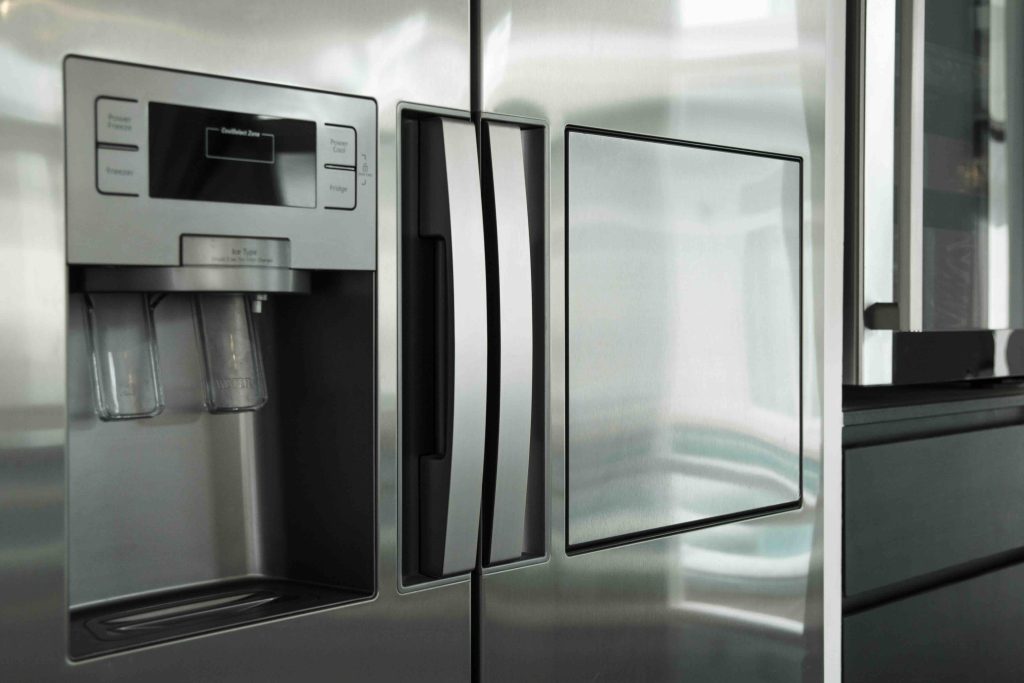
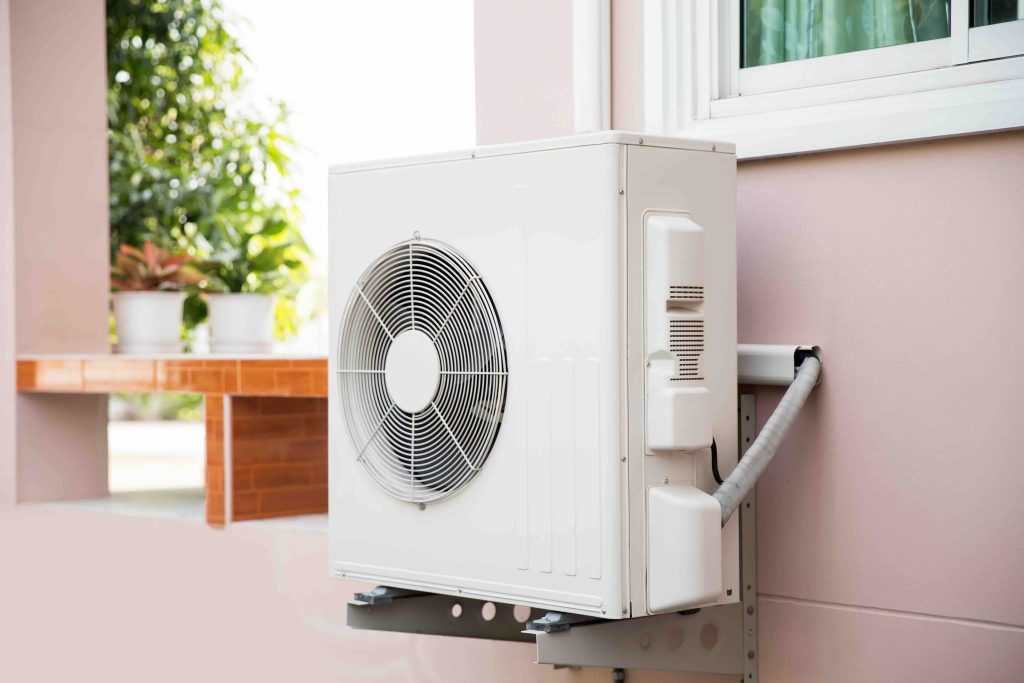
The mechanics are more straightforward than most people expect. A heat pump operates using a refrigerant cycle, which is similar to what your refrigerator uses to keep food cold. The system has two main components: an indoor air handler and an outdoor unit. Between them, refrigerant circulates continuously, absorbing and releasing heat depending on the season. A component called the reversing valve is what allows the system to switch directions between heating and cooling modes. There is also a compressor, which pressurizes the refrigerant so it can carry more thermal energy, and an expansion valve that regulates flow through the system. Thermostats, sensors, and in modern systems, smart controls, manage the whole operation automatically. What makes this process so efficient is that moving heat requires far less energy than creating it from scratch. For every unit of electricity a heat pump uses, it can deliver two to four units of heating or cooling energy into your home.
The Different Types of Heat Pumps Available
Not all heat pumps are built the same way, and knowing the differences can help you figure out which option fits your home best. The most common type is the air-source heat pump, which exchanges heat with outdoor air. These are widely available, relatively affordable to install, and work well in most climates. Then there are mini-split systems, which are a type of air-source heat pump that does not require ductwork. These are popular for room additions, older homes, or spaces where installing ducts is impractical. Ground-source heat pumps, also called geothermal systems, exchange heat with the ground rather than the air. They are significantly more efficient because ground temperatures remain more stable than air temperatures, but the installation cost is considerably higher. Water-source heat pumps use a nearby body of water for heat exchange and are less common in residential settings.
Key Advantages of Installing a Heat Pump
There are several compelling reasons why homeowners are making the switch, and the benefits tend to compound over time.
- Energy efficiency: Heat pumps can be two to four times more efficient than gas or electric resistance heating systems, which translates directly into lower monthly utility bills.
- Dual functionality: One system replaces both your furnace and your central air conditioner, simplifying maintenance and reducing the number of systems you need to manage.
- Improved indoor air quality: Many modern heat pump systems include advanced filtration that reduces allergens, dust, and humidity levels inside the home.
- Reduced carbon footprint: Because heat pumps run on electricity rather than combustion, they produce no direct emissions at the point of use, making them a cleaner option as the electrical grid continues to shift toward renewable sources.
- Longer lifespan: With proper maintenance, a quality heat pump system can last 15 to 20 years, comparable to or exceeding the lifespan of traditional HVAC equipment.
- Potential tax incentives: Federal and state programs frequently offer rebates or tax credits for heat pump installations, which can meaningfully offset upfront costs.

Common Drawbacks to Be Aware Of
No home system is perfect, and heat pumps are no exception. The most frequently cited concern is performance in extreme cold. Traditional air-source heat pumps lose efficiency as outdoor temperatures drop significantly, which has been a limitation in northern climates. However, cold-climate heat pump technology has advanced considerably in recent years, and many modern models operate effectively at temperatures well below freezing. Still, in regions that experience prolonged periods of extreme cold, a supplemental heating source may be necessary. Installation costs are another consideration. The upfront investment for a heat pump system, particularly a geothermal one, can be higher than replacing a standard furnace or AC unit. Additionally, homes without existing ductwork may need significant modifications unless a ductless mini-split system is chosen. Finally, heat pumps require a reliable electrical supply, so homes in areas with frequent outages or unstable power infrastructure may face additional challenges.
What to Expect During Installation
Installing a heat pump is not a weekend DIY project. It involves electrical work, refrigerant handling, and system sizing calculations that require a licensed HVAC technician. Before installation, a qualified professional should perform a load calculation for your home to determine the right system capacity. Undersized units will struggle to maintain comfortable temperatures, while oversized units cycle on and off too frequently and wear down faster. The installation itself typically takes one to two days for a standard air-source system. Ductless mini-splits can sometimes be completed in a single day depending on the number of indoor units. Geothermal systems take longer due to the ground loop installation, which may involve trenching or drilling. After installation, technicians will test the system, check refrigerant levels, and walk you through the controls.
Maintenance Requirements That Keep Heat Pumps Running Well
Heat pumps are generally low-maintenance, but they do require consistent care to stay efficient and avoid premature breakdowns. Filter cleaning or replacement should happen every one to three months depending on usage and household conditions like pets or allergies. The outdoor unit needs to be kept clear of debris, leaves, and ice buildup in winter months. Annual professional servicing is strongly recommended and typically includes inspecting refrigerant levels, checking electrical connections, lubricating moving parts, and testing the reversing valve. Coil cleaning, both indoor and outdoor, is also part of a thorough annual checkup. Neglecting these steps can reduce efficiency noticeably and shorten the life of the system. The good news is that compared to gas furnaces, heat pumps have fewer combustion-related components, which simplifies the maintenance checklist somewhat.
How a Heat Pump Affects Your Home Value
From a real estate perspective, heat pumps are increasingly viewed as a desirable feature rather than just a technical upgrade. Buyers are paying more attention to energy costs, indoor comfort, and sustainability, and a modern heat pump system checks all three boxes. Homes with energy-efficient systems tend to sell faster and sometimes at a premium compared to comparable homes without them. Appraisers are also beginning to account for high-efficiency HVAC systems more consistently than they did even a few years ago. That said, the value added depends on the local market and how well the system has been maintained. A well-documented service history for your heat pump can be a meaningful asset when it comes time to sell. In short, this is an upgrade that tends to pay dividends in comfort today and equity tomorrow.
Why Armadillo Is the Right Partner for Heat Pump Owners
Once you have invested in a heat pump system, protecting it becomes a real priority. That is where Armadillo’s comprehensive home warranty coverage for HVAC systems and heat pumps becomes genuinely valuable. Heat pumps are complex systems, and when a compressor fails or a reversing valve goes out, repair costs can be significant. Having a home warranty in place means you are not facing those bills alone or scrambling to find a trustworthy technician. Armadillo connects homeowners with qualified service professionals quickly, handles the coordination, and keeps the process from becoming a stressful ordeal. If you are ready to make sure your investment is protected from day one, you can get a free heat pump home warranty quote and build your custom plan in minutes. Your heat pump works hard to keep your home comfortable year-round, and it deserves the same level of care in return.

Frequently Asked Questions About Heat Pumps
Here are answers to the questions homeowners ask most often when considering a heat pump for their home.
Can a heat pump replace both my furnace and air conditioner?
Yes. A heat pump handles both heating and cooling functions, making it a complete year-round climate control solution for most homes. Many homeowners replace both systems simultaneously when upgrading to a heat pump.
Are heat pumps effective in cold climates?
Modern cold-climate heat pumps are designed to operate efficiently in temperatures as low as negative 13 degrees Fahrenheit. For regions with extreme winters, selecting a model rated for low-temperature performance is essential.
How long does a heat pump last?
With proper maintenance, most heat pumps last between 15 and 20 years. Ground-source systems can last even longer due to fewer components exposed to outdoor conditions.
What is the average cost to install a heat pump?
Air-source heat pump installation typically ranges from $4,000 to $8,000 depending on the size and complexity of the installation. Geothermal systems can run $15,000 to $30,000 or more due to the ground loop installation.
Is a heat pump covered under a home warranty?
Many home warranty plans cover heat pumps under HVAC coverage. Coverage specifics vary by provider and plan, so reviewing your policy terms carefully or asking your provider directly is always advisable.
Do heat pumps work in homes without ductwork?
Yes. Ductless mini-split heat pumps are specifically designed for homes without existing duct systems. They install with minimal structural disruption and allow for zone-by-zone temperature control.
How much can a heat pump reduce my energy bills?
Homeowners who switch from electric resistance heating to a heat pump often see heating costs drop by 25 to 50 percent. Results vary based on climate, home size, insulation quality, and system efficiency rating.
Does a heat pump require any special electrical setup?
Most standard heat pumps require a 240-volt electrical connection, similar to a clothes dryer or electric range. Your electrician or HVAC installer can assess whether your current panel and wiring can support the system.
Are there tax credits available for heat pump installation?
Yes. The federal Inflation Reduction Act includes a tax credit of up to 30 percent of installation costs for qualifying heat pump systems, with annual caps. State and utility-level rebates may also be available depending on your location.
How often should a heat pump be serviced by a professional?
Annual professional maintenance is the standard recommendation for heat pumps. Some technicians suggest a twice-yearly checkup, once before the heating season and once before the cooling season, to catch any issues early.