What Does an Air Conditioning Tune-Up Actually Cost?
If you have ever scheduled an AC tune-up and then quietly wondered whether you just paid too much or too little, you are not alone. The price range for a standard home air conditioning tune-up sits somewhere between $75 and $200 for most homeowners, though that number can shift depending on where you live, the age of your system, and what the technician finds once they get inside the unit. Some companies bundle tune-ups into annual maintenance contracts, which can bring that per-visit cost down, while others charge flat rates that cover a set list of tasks. Knowing what drives that number gives you a real advantage when it is time to schedule service.
What Is an AC Tune-Up and What Does It Include?
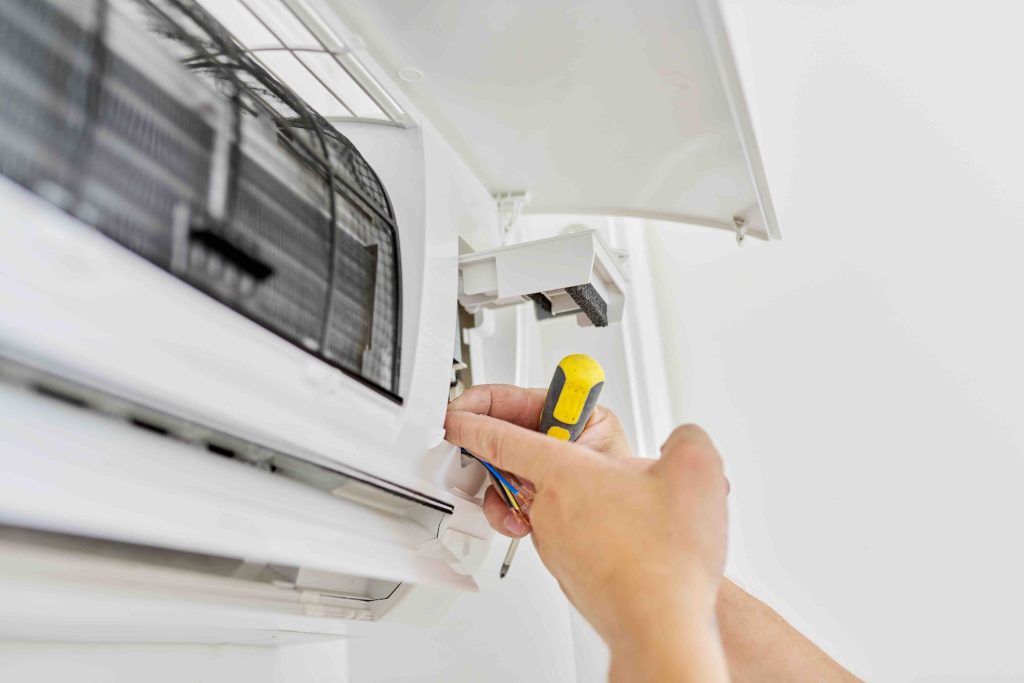
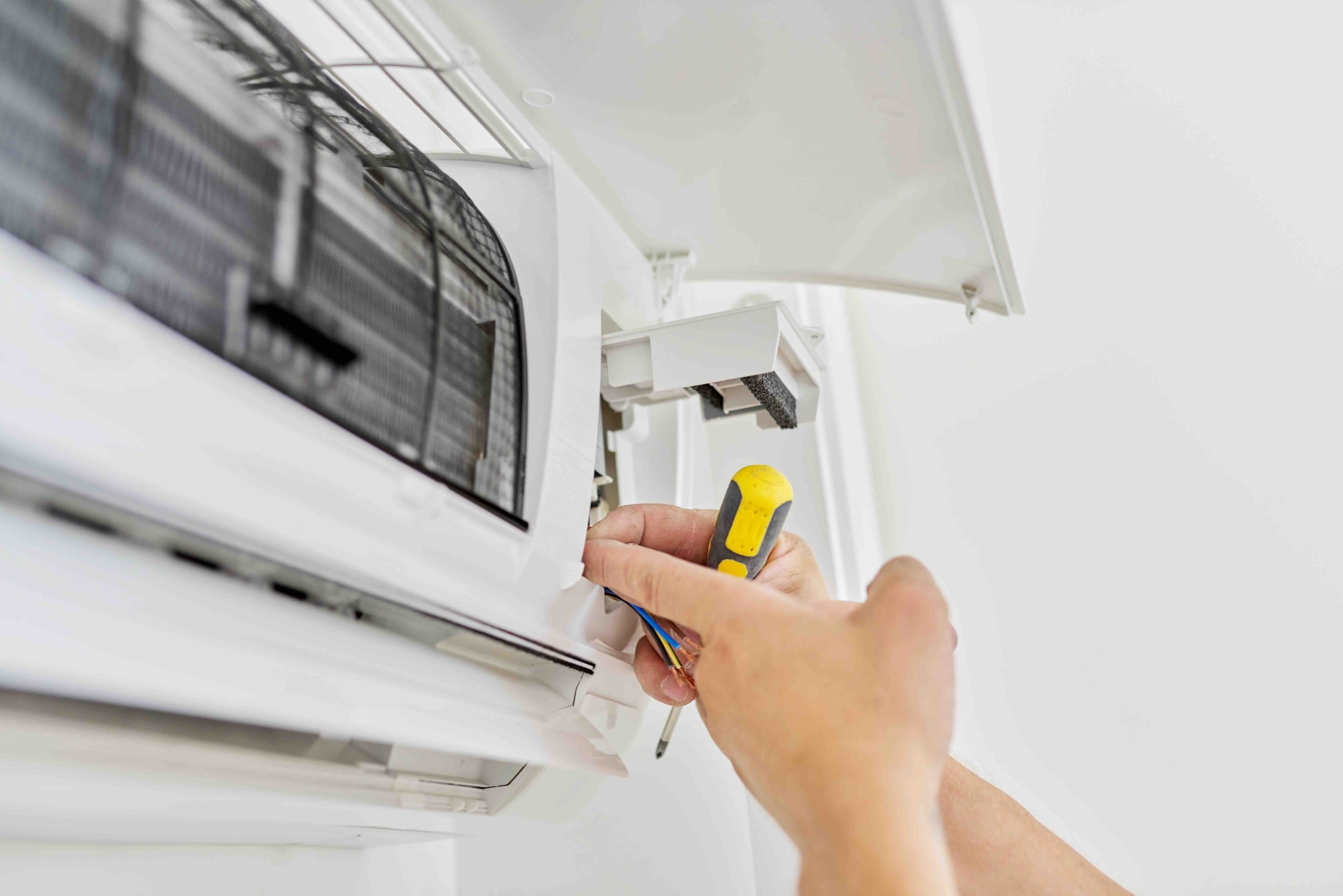
An air conditioning tune-up is a preventive maintenance visit performed by a licensed HVAC technician. It is not a repair, and it is not an installation. Think of it as the mechanical equivalent of a physical exam for your cooling system. The technician reviews the overall condition of the unit, cleans components that accumulate debris over time, checks refrigerant levels, and identifies anything that looks like it could become a problem in the near future. The goal is to catch small issues before they turn into expensive breakdowns in the middle of summer, when HVAC service calls are at their highest demand and often their highest cost.
What Technicians Typically Check During a Tune-Up
- Inspect and clean the evaporator and condenser coils
- Check refrigerant levels and look for signs of leaks
- Lubricate moving parts including fan motors and bearings
- Test thermostat calibration and electrical connections
- Clear and inspect the condensate drain line
- Replace or inspect the air filter
- Measure airflow and system efficiency
What Factors Influence the Cost of an AC Tune-Up?
Location is one of the biggest cost variables. Homeowners in high cost-of-living metro areas consistently pay more for HVAC labor than those in smaller markets. The type and age of your system matter too. Older systems, especially those over 10 years old, may require more time and attention during the visit, and that extra time shows up in the bill. Multi-zone systems or homes with multiple air handlers will also typically cost more to service than a single-unit setup. Time of year plays a role as well. Scheduling a tune-up in early spring, before peak demand hits, often nets a lower rate than calling in July when every HVAC company in town is slammed.
The Financial Case for Regular AC Maintenance
Spending $100 to $150 on a preventive tune-up sounds like an easy choice when you compare it to the cost of a compressor replacement, which can run $1,200 to $2,500 or more depending on the system. Regular maintenance keeps your unit running at peak efficiency, which directly impacts your monthly energy bills. The U.S. Department of Energy has noted that a poorly maintained air conditioner can lose up to 5 percent of its efficiency each year without proper upkeep. Multiply that over a few years and you are essentially paying more every month to run a system that is working harder than it should. Tune-ups pay for themselves in energy savings alone, and that is before you factor in the avoided repair costs.

DIY vs. Professional Tune-Ups: Where the Line Gets Drawn
There are a handful of maintenance tasks homeowners can reasonably handle on their own. Changing the air filter is the most obvious one, and doing it every one to three months makes a meaningful difference in system performance. Clearing debris from around the outdoor condenser unit, checking that supply and return vents are not blocked, and keeping the condensate drain clear are all things a reasonably handy homeowner can manage. That said, anything involving refrigerant, electrical components, or internal coil cleaning belongs to a licensed technician. Refrigerant handling is federally regulated, and mistakes with electrical connections can create safety hazards. The professional tune-up fills in everything that falls outside the homeowner’s lane.
How Often Should You Schedule an AC Tune-Up?
Most HVAC professionals recommend scheduling a tune-up once per year, ideally in the spring before the system sees heavy use. Homes in climates where the air conditioning runs for eight or nine months out of the year may benefit from twice-annual service. If your system is older, has had previous repairs, or if you notice any changes in performance like uneven cooling, unusual sounds, or higher-than-normal energy bills, that is a signal to schedule a visit sooner rather than later. Consistency matters more than perfection here. A tune-up every year is meaningfully better than one every three years, even if the annual visit is not always timed perfectly.
Common Drawbacks and Things to Watch Out For
Not every tune-up experience goes smoothly, and homeowners should go in with realistic expectations. One common frustration is the upsell. Some HVAC companies use tune-up visits as an opportunity to recommend services or parts that may not be strictly necessary. It helps to get a written estimate before any additional work is performed and to ask specifically what the recommended repair will do for the system. Another drawback is that a tune-up does not prevent every possible failure. If a component is nearing the end of its useful life, a tune-up can identify that risk, but it cannot eliminate it. Maintenance extends system life and improves reliability, but it is not a guarantee against future breakdowns.
Home Warranty Coverage and AC Tune-Ups: What You Need to Know
This is where things get a bit nuanced. Most home warranty plans cover the repair or replacement of air conditioning components when they fail due to normal wear and tear. What they generally do not cover is routine maintenance, including annual tune-ups. The tune-up itself falls on the homeowner, but the warranty kicks in when something actually breaks. This distinction is important because keeping up with your tune-ups can actually protect your warranty coverage. Many home warranty contracts require that covered systems be reasonably maintained. Skipping service visits and then filing a claim when the system fails can sometimes complicate the claims process. Maintenance and warranty coverage work best as a team, not as substitutes for each other.
Why Armadillo Belongs in Your Home Protection Plan
You schedule the tune-ups, keep up with the filters, and do all the right things to maintain your AC system. But even a well-maintained air conditioner can develop a refrigerant leak, a failing compressor, or a burned-out blower motor. That is exactly the scenario where having reliable home warranty coverage for your air conditioning system becomes genuinely valuable. Armadillo offers straightforward coverage for the systems and appliances homeowners depend on most, with no confusing fine print and no surprise exclusions designed to leave you holding the bill. If an unexpected AC repair is staring you down this summer, being covered makes all the difference. The smart move is to get a free home warranty quote that covers your HVAC system today and stop hoping your next repair bill stays manageable.

Frequently Asked Questions About AC Tune-Up Costs
These are some of the most common questions homeowners ask when researching air conditioning maintenance and what it actually costs.
How much does a standard AC tune-up cost?
Most homeowners pay between $75 and $200 for a single AC tune-up visit. The final price depends on location, system type, and what the technician finds during the inspection.
Is an AC tune-up worth the money?
Yes. Regular tune-ups improve energy efficiency, extend the lifespan of the system, and help catch small problems before they become expensive repairs. The cost of a tune-up is almost always lower than the cost of an avoidable breakdown.
How long does an AC tune-up typically take?
A standard tune-up usually takes between one and two hours. Older systems or those with more complex configurations may take longer.
Does a home warranty cover AC tune-ups?
Generally, no. Home warranty plans cover the repair or replacement of covered components when they fail. Routine maintenance like annual tune-ups is the homeowner’s responsibility.
What happens if I skip my annual AC tune-up?
Skipping maintenance allows dust and debris to accumulate, reduces system efficiency, and increases the risk of component failure. Over time, this can shorten the lifespan of the system and raise monthly energy costs.
Can I negotiate the price of an AC tune-up?
Many HVAC companies offer discounts for first-time customers, seasonal promotions, or bundled annual maintenance contracts. It is always reasonable to ask about available pricing options before committing.
What is the best time of year to schedule an AC tune-up?
Early spring is the ideal time, before the cooling season begins and before HVAC companies reach peak demand. Scheduling in advance also tends to offer more flexible appointment windows.
Does skipping AC maintenance affect my home warranty coverage?
It can. Many home warranty contracts include language requiring that covered systems be properly maintained. Failing to keep up with routine maintenance could complicate a future warranty claim if the lack of maintenance is identified as a contributing factor to the failure.
How do I know if an HVAC technician is recommending unnecessary services?
Ask for a written explanation of any recommended services before agreeing to additional work. A reputable technician will explain what they found, why it matters, and what the outcome will be if the issue is not addressed.
What is the difference between an AC tune-up and an AC repair?
A tune-up is preventive maintenance performed on a functioning system. A repair addresses a specific failure or malfunction. Tune-ups often help identify issues that, if left unaddressed, would eventually require a repair visit.