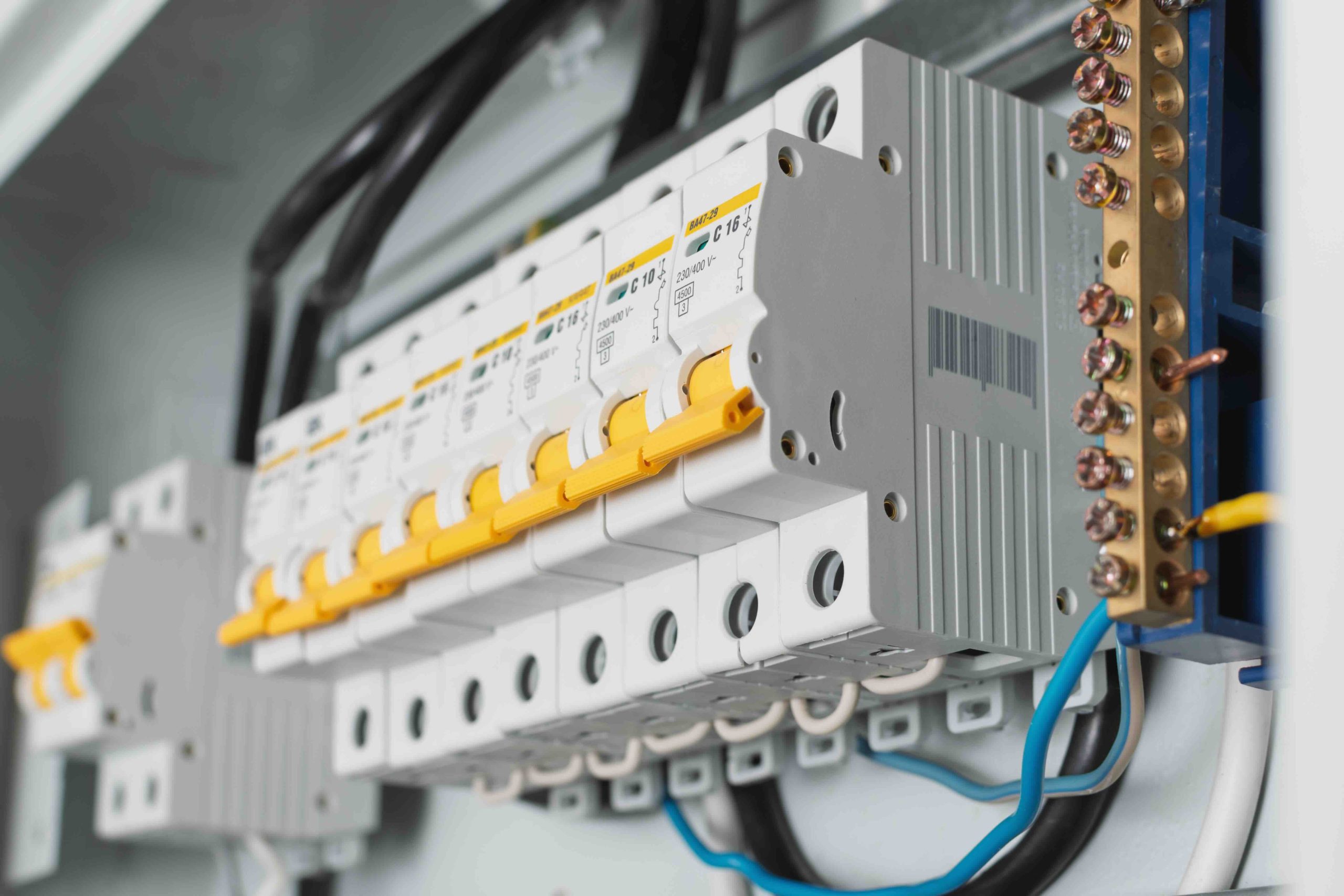
What Is a Home Electrical Panel and Why Does It Matter?
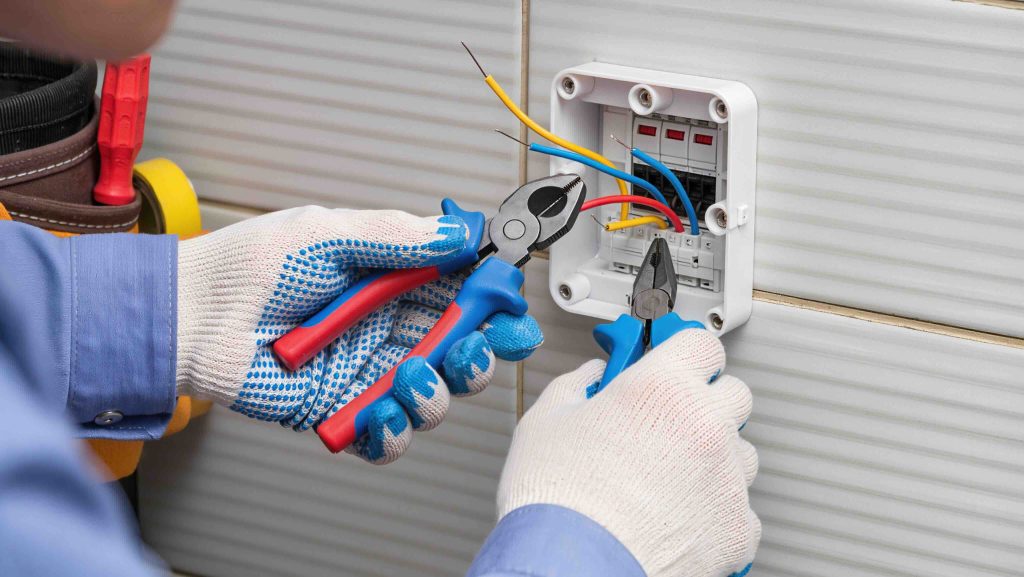
Your home’s electrical panel is one of those things that quietly keeps everything running. You probably never think about it until something goes wrong, and then suddenly it’s the most important piece of equipment in the house. The electrical panel, sometimes called a breaker box or load center, is the central hub that receives power from the utility company and distributes it throughout your home. Every light switch, outlet, appliance, and HVAC system in your house depends on it. Understanding how it works, when it needs attention, and what it costs to maintain or replace can save you from some genuinely stressful surprises.
How a Home Electrical Panel Actually Works
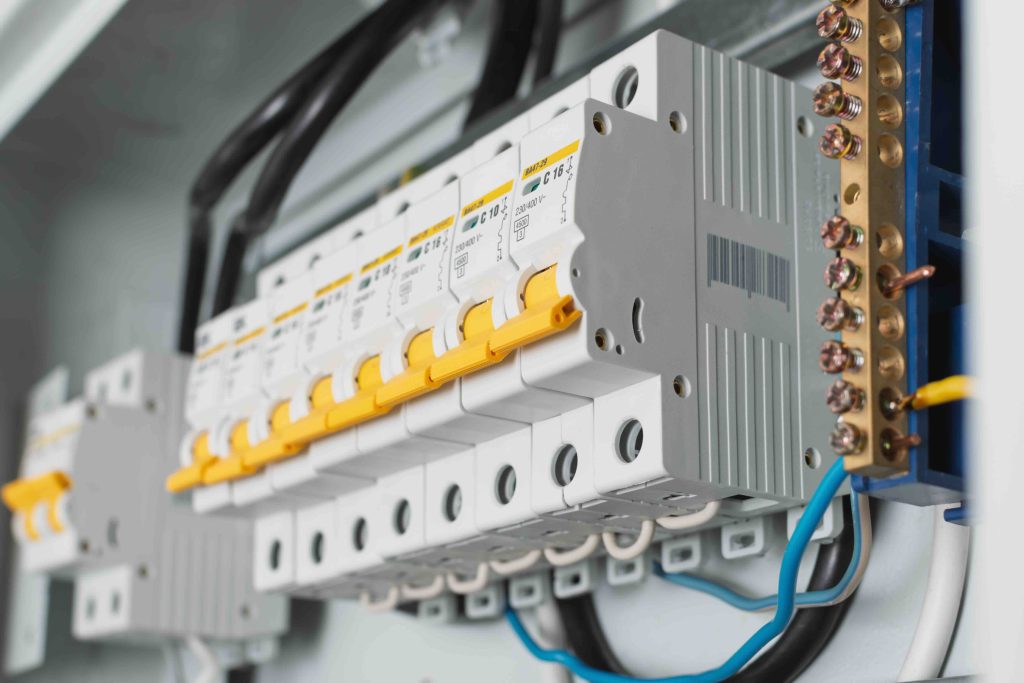
Here is the straightforward version. Power enters your home through a service entrance, typically running to a meter outside, and then feeds directly into the main electrical panel. Inside that panel, the electricity is divided into individual circuits, each one controlled by its own circuit breaker. Those breakers are protective switches that automatically shut off when a circuit draws too much current, which is how your home avoids electrical fires caused by overloaded wiring. The main breaker at the top of the panel controls the entire system and allows you to shut off power to the whole house at once. Most residential panels are rated at 100, 150, or 200 amps, and the right capacity depends on the size of your home and how much electrical demand you place on it daily.
Standard Panel Capacity and What Affects It
Panel capacity is measured in amperage, and that number tells you how much electrical load your home can handle at any given time. A 100-amp panel was perfectly adequate for homes built decades ago, but modern households with multiple televisions, home offices, EV chargers, and high-efficiency appliances can push those older panels to their limits. A 200-amp panel is now considered the standard for new construction and is generally recommended for homes over 2,000 square feet or any home with a heavy appliance load. If you have ever tripped a breaker while running the microwave and hair dryer at the same time, that is a practical sign your panel may be working harder than it should.

Key Advantages of a Well-Maintained Electrical Panel
A properly functioning electrical panel does a lot more than just distribute power. It actively protects your home and everyone in it. When breakers are working correctly, they respond to dangerous current spikes in real time, cutting power before wiring overheats or ignites. Here are some of the most important benefits of keeping your panel in good shape:
- Reliable protection against electrical fires caused by overloaded or faulty circuits
- Consistent power distribution that reduces flickering lights and voltage fluctuations
- The ability to safely add new circuits for appliances, home additions, or EV charging stations
- Improved home insurance eligibility, since some insurers flag outdated panels as a liability
- Greater peace of mind knowing your home’s electrical system meets current safety codes
Common Problems Homeowners Encounter With Electrical Panels
Even though electrical panels are designed to last for decades, they are not without their issues. Older panels, particularly those manufactured between the 1950s and 1980s, may use outdated components that no longer meet modern safety standards. Federal Pacific Electric and Zinsco panels from that era have been flagged by electricians and home inspectors for failing to trip properly under fault conditions, which is a serious safety risk. Beyond brand-specific concerns, any panel can experience worn breakers, corrosion from moisture intrusion, loose wiring connections, or simply insufficient capacity for today’s electrical demands. If your breakers trip frequently, you notice a burning smell near the panel, or your lights dim when large appliances kick on, those are signs worth investigating promptly.
When to Upgrade Your Electrical Panel
Timing an electrical panel upgrade is not always obvious, but there are some clear indicators that the time has come. If your home is more than 25 to 30 years old and has never had the panel evaluated, that alone is a reasonable starting point. Beyond age, consider an upgrade if you are planning a kitchen remodel, finishing a basement, adding a home addition, or installing a whole-home generator. Any project that introduces significant new electrical load is an opportunity to assess whether your current panel can handle it. Upgrading from 100 amps to 200 amps typically costs between $1,500 and $3,000 depending on your location and the complexity of the work involved, though panel replacements in older homes with outdated wiring can run higher.
Electrical Panel Safety Tips Every Homeowner Should Know
Most homeowners are not electricians, and that is perfectly fine. But there are a few practical habits that go a long way toward keeping your electrical system safe between professional inspections:
- Never ignore a breaker that trips repeatedly on the same circuit, as that is a signal something is drawing too much current or there is a wiring fault
- Keep the area around your panel clear and accessible at all times for safety and code compliance
- Label every breaker clearly so you can quickly identify and shut off individual circuits
- Schedule a professional electrical inspection every five to ten years, or after buying a home
- Avoid using extension cords as permanent wiring solutions, since this creates ongoing overload risk
How Home Warranties Factor Into Electrical Panel Coverage
This is where things get practical. A home warranty is a service contract that helps cover the cost of repairing or replacing major systems and appliances when they fail due to normal wear and tear. Many home warranty plans include coverage for the electrical system, which can encompass wiring, outlets, breaker panels, and related components. The key word to watch for is “covered components,” since not every plan covers the panel in full. Some plans cover the breakers themselves but not the panel housing or service entrance. Reading your plan terms carefully and understanding exactly what is and is not included helps you avoid unwelcome surprises when you file a claim. Given that a full panel replacement can easily exceed two thousand dollars, having at least partial coverage through a home warranty is a meaningful financial safety net.
Why Armadillo Is the Right Choice for Electrical System Protection
Protecting a home system as critical as your electrical panel deserves a home warranty provider that is straightforward about coverage and responsive when it counts. Armadillo was built with that in mind. If you are looking for home warranty coverage that includes electrical system protection, Armadillo offers transparent plans with clearly defined terms, no confusing fine print, and real support when something breaks. Whether your panel throws a problem on a Tuesday morning or a Sunday night, knowing you have coverage in place makes a real difference. You can get a free home warranty quote for electrical and major systems coverage in just a few minutes, and the process is simple enough that you do not need to set aside time to figure it out. For homeowners who want dependable coverage without the headache, Armadillo is worth a close look.

Frequently Asked Questions About Home Electrical Panels
Answers to the questions homeowners ask most often about electrical panels, breaker boxes, and related coverage options.
How long does a home electrical panel typically last?
Most residential electrical panels have a functional lifespan of 25 to 40 years, though this varies depending on the brand, installation quality, and how heavily the system has been used over time. Regular professional inspections can help extend the panel’s safe service life.
What are the signs that my electrical panel needs to be replaced?
Frequent breaker trips, flickering lights, a burning smell near the panel, visible rust or corrosion, outdated fuse-based systems, or a panel rated below 100 amps are all indicators that replacement should be seriously considered.
Is it safe to reset a tripped breaker myself?
Resetting a breaker that has tripped once due to an obvious overload is generally safe. However, if a breaker trips repeatedly without a clear cause, you should contact a licensed electrician rather than continuing to reset it, as repeated tripping can signal a deeper wiring issue.
What is the difference between a fuse box and a breaker panel?
A fuse box uses single-use fuses that burn out when a circuit is overloaded, requiring manual replacement each time. A modern breaker panel uses resettable circuit breakers, which are safer, more convenient, and far better suited to today’s electrical demands.
Does a home warranty cover the electrical panel?
Many home warranty plans include coverage for the electrical panel and related components, but the specifics vary by provider and plan tier. It is important to review exactly which components are listed as covered before purchasing a plan.
How much does it cost to replace an electrical panel?
The average cost to replace a residential electrical panel ranges from approximately $1,500 to $3,000 for a standard upgrade to 200 amps. Costs can be higher in older homes where the wiring or service entrance also needs updating to meet current code requirements.
Does adding an EV charger require a panel upgrade?
A Level 2 home EV charger requires a dedicated 240-volt circuit drawing 40 to 50 amps. If your panel is already near capacity, adding this load will likely require a panel upgrade, and a licensed electrician can assess your current capacity before installation begins.
Can I add more breakers to my existing electrical panel?
This depends on whether your panel has available slots and the overall capacity to support additional circuits. A tandem breaker can sometimes be used to add a circuit to a full panel, but this option has limitations and must comply with the panel manufacturer’s specifications and local electrical codes.
What is a whole-home surge protector and should I have one?
A whole-home surge protector is a device installed at the electrical panel that diverts voltage spikes away from your home’s wiring and connected devices. It is a worthwhile investment for protecting sensitive electronics and appliances from damage caused by lightning strikes or utility grid fluctuations.
How often should a residential electrical panel be inspected?
Industry professionals generally recommend having your electrical panel inspected by a licensed electrician every five to ten years, or immediately after purchasing a home, completing a major renovation, or noticing any warning signs such as tripped breakers or unusual sounds near the panel.