How Long Does a Microwave Last? What Every Homeowner Should Know
Microwaves are one of those appliances that quietly do their job every single day until one morning they just do not. No dramatic warning, no slow decline you can plan around. They heat your leftovers, defrost your chicken, and pop your popcorn without complaint. But like every appliance in your home, they have a lifespan, and knowing what that looks like can save you from a surprise expense and help you make smarter decisions about repair versus replacement.
What Is the Average Microwave Life Expectancy?
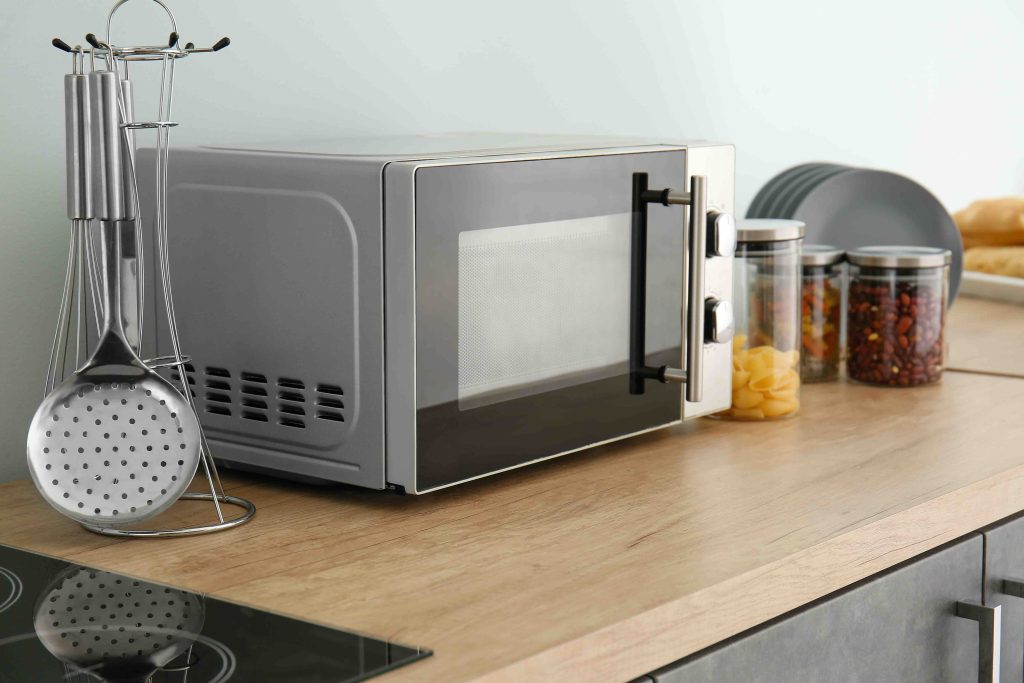
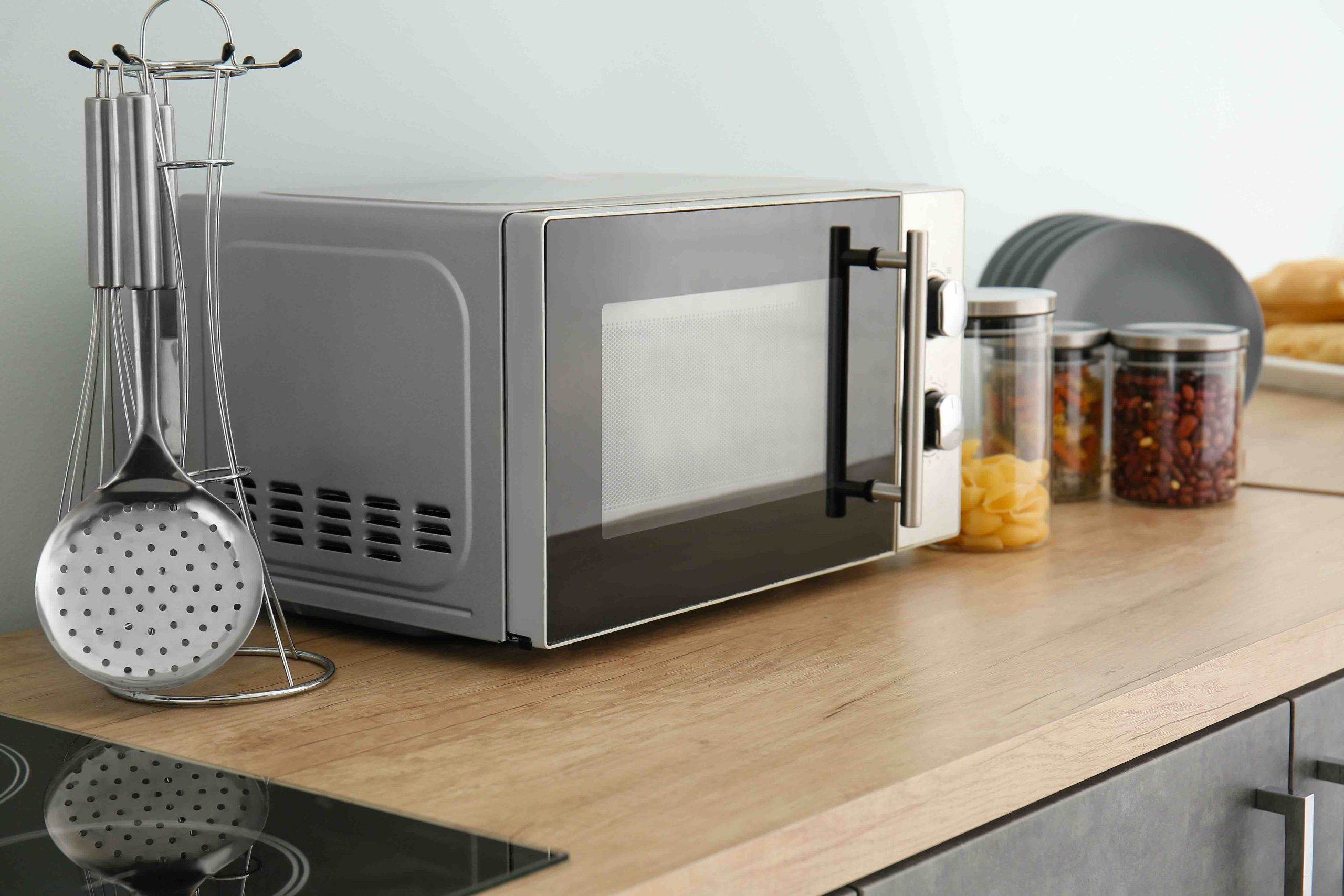
The average microwave lasts between 9 and 10 years, though that number shifts depending on the type, usage patterns, and how well it has been maintained. Countertop models tend to sit at the lower end of that range simply because they are often used more frequently and are exposed to more wear. Over-the-range microwaves, which are built into the kitchen and double as a ventilation system, typically see a similar lifespan but may require service sooner if the exhaust fan is running constantly. Built-in drawer microwaves can sometimes push past the 10-year mark when properly cared for. The home warranty industry generally recognizes 9 years as the benchmark for when a microwave transitions from a maintained appliance to a candidate for replacement.
How Does a Microwave Actually Work?
Understanding what is happening inside your microwave helps explain why certain components fail over time. A microwave generates electromagnetic radiation through a component called a magnetron. That radiation excites water molecules inside food, which produces heat from the inside out. The magnetron is powered by a high-voltage transformer, and the whole system is regulated by a control board that manages timing, power levels, and safety interlocks. The door latch and its associated switches are critical safety components because they prevent the microwave from operating while the door is open. When any one of these components starts to fail, performance drops fast.
Key Advantages of Owning a Reliable Microwave
A well-functioning microwave is genuinely one of the hardest-working appliances in a home kitchen. Beyond reheating leftovers, a quality microwave adds real value to daily routines.
- Speed and convenience for defrosting, reheating, and cooking quick meals
- Energy efficiency compared to heating a full oven for small tasks
- Countertop or built-in options that suit virtually any kitchen layout
- Smart sensor technology on newer models that adjusts cooking time automatically
- Combination models that function as both a microwave and a convection oven
For households with children or people managing busy schedules, the microwave is often the most frequently used appliance in the kitchen. That frequency is precisely why its lifespan matters.
Common Microwave Problems and What Causes Them
Even a well-maintained microwave develops issues over time. Some are minor and repairable, while others signal that the unit is approaching the end of its useful life. The magnetron is one of the more expensive components to replace, and when it fails, the repair cost often approaches or exceeds the cost of a new unit. Control board failures are common in older models, particularly those exposed to moisture or power surges. Door latch switches are another frequent point of failure, and while the switch itself is inexpensive, repeated issues can indicate a deeper alignment or mechanical problem. Turntable motors, interior lighting, and exhaust fans each represent additional wear points that accumulate over time.

Signs Your Microwave Is Reaching the End of Its Life
Some appliance decline is gradual, and microwaves are no different. There are specific signals that suggest a microwave is nearing replacement territory rather than repair territory. If your microwave is making unusual humming or grinding noises, taking significantly longer to heat food than it used to, or if the interior sparks without any metallic objects present, those are serious indicators. A burning smell during operation, a door that does not seal properly, or a control panel that behaves erratically are all meaningful warning signs. If your unit is already past the 7-year mark and experiencing any combination of these issues, replacement is almost always the more economical path.
Repair or Replace: How to Make the Right Call
The repair-versus-replace decision comes down to a few practical factors. Age is the most important. A microwave under five years old with a single component failure is often worth repairing, especially if the repair cost is under half the price of a comparable new unit. Once a microwave crosses the 7-to-9 year threshold, the calculus changes. Components begin to wear together, meaning one repair often precedes another within a short window. The home warranty industry uses a similar logic when evaluating microwave claims, recognizing that repair decisions should weigh the age of the unit, the cost of the fix, and the likelihood of recurring failure. A practical rule of thumb is the 50 percent rule: if the repair cost exceeds 50 percent of the replacement cost, replace the unit.
How to Extend Your Microwave’s Lifespan
Consistent care genuinely adds years to a microwave’s functional life. The interior should be wiped down regularly to prevent buildup of grease and food debris, which can degrade interior surfaces and even create arcing risks. Never run the microwave empty, as this can damage the magnetron. Avoid slamming the door, since repeated impact stress weakens the latch switches over time. Clean the filter on over-the-range models every one to three months depending on cooking frequency. Avoid placing anything metallic inside, and use only microwave-safe containers. These habits are simple, but they compound meaningfully over a decade of use.
What Home Warranties Typically Cover for Microwaves
Home warranty coverage for microwaves varies by provider and plan, but the general framework within the industry covers mechanical and electrical failures that arise from normal use. This typically includes the magnetron, control board, turntable motor, and internal wiring. What is usually excluded includes cosmetic damage, physical damage from misuse, and failures resulting from improper installation. Built-in and over-the-range microwaves are more commonly included in standard home warranty plans than countertop models, which are sometimes treated as personal property rather than built-in appliances. Understanding what your specific plan covers before a failure occurs is critical to avoiding surprises when you file a claim.
Why Armadillo Is the Right Partner When Your Microwave Breaks Down
When a microwave fails, the last thing you want is to navigate a complicated claims process or wonder whether your appliance qualifies for coverage. That is where Armadillo home warranty protection for kitchen appliances and home systems makes a real difference. Armadillo is built around transparency, straightforward coverage, and a claims experience that does not feel like a second job. No confusing fine print, no unnecessary back-and-forth. If your microwave breaks down, you want a plan that moves as fast as your mornings do. Whether you are protecting a newly purchased home or safeguarding aging appliances approaching that critical 9-year mark, this is the right moment to get a customized home warranty quote that covers your microwave and major home systems. Armadillo offers coverage designed to match real homeowner needs, not theoretical ones.

Frequently Asked Questions About Microwave Life Expectancy and Home Warranty Coverage
These are the questions homeowners ask most often about microwaves, their lifespan, and how home warranty coverage applies.
What is the average life expectancy of a microwave?
Most microwaves last between 9 and 10 years with regular use and basic maintenance. Countertop models may reach the lower end of that range, while over-the-range and built-in models can sometimes exceed it with proper care.
Is it worth repairing a microwave that is 8 years old?
Generally, no. Once a microwave passes the 7-to-8 year mark, repair costs often approach replacement costs, and additional failures are more likely to follow. Replacement is typically the more cost-effective decision at that age.
What part of a microwave fails most often?
The door latch switches fail frequently due to repeated use. The magnetron, which is the core heating component, is the most expensive failure and often signals the end of a microwave’s economical repair window.
Does a home warranty cover microwave repairs?
Many home warranty plans cover built-in and over-the-range microwaves for mechanical and electrical failures from normal use. Coverage typically includes the magnetron, control board, and turntable motor. Countertop models may not be included depending on the provider and plan.
How can I tell if my microwave magnetron is failing?
Common signs include food taking much longer to heat than usual, a loud humming or buzzing sound during operation, or the unit running without generating any heat. These symptoms strongly suggest magnetron failure.
Can I extend the life of my microwave?
Yes. Regular interior cleaning, avoiding running the unit empty, not slamming the door, and replacing the grease filter on over-the-range models every few months are all effective practices that extend operational life.
How does microwave life expectancy affect home warranty claims?
Home warranty providers often factor in a unit’s age when evaluating claims. An appliance past its expected lifespan may be deemed beyond economical repair, which can result in a replacement recommendation rather than a repair authorization.
What type of microwave lasts the longest?
Built-in drawer microwaves and high-end over-the-range models tend to last longer when properly maintained, largely because they are installed with better ventilation and used more deliberately than countertop units.
Are microwaves covered under a standard home warranty plan?
Coverage depends on the provider. Many standard plans include built-in microwaves, while countertop models are often excluded. Reading your specific contract terms is the most reliable way to confirm what is included.
What should I do when my microwave stops working?
Start by checking the power supply and resetting the circuit breaker. If the unit powers on but does not heat, that points to an internal component failure. If your home warranty covers the unit, contact your provider to initiate a service request before scheduling an independent repair.