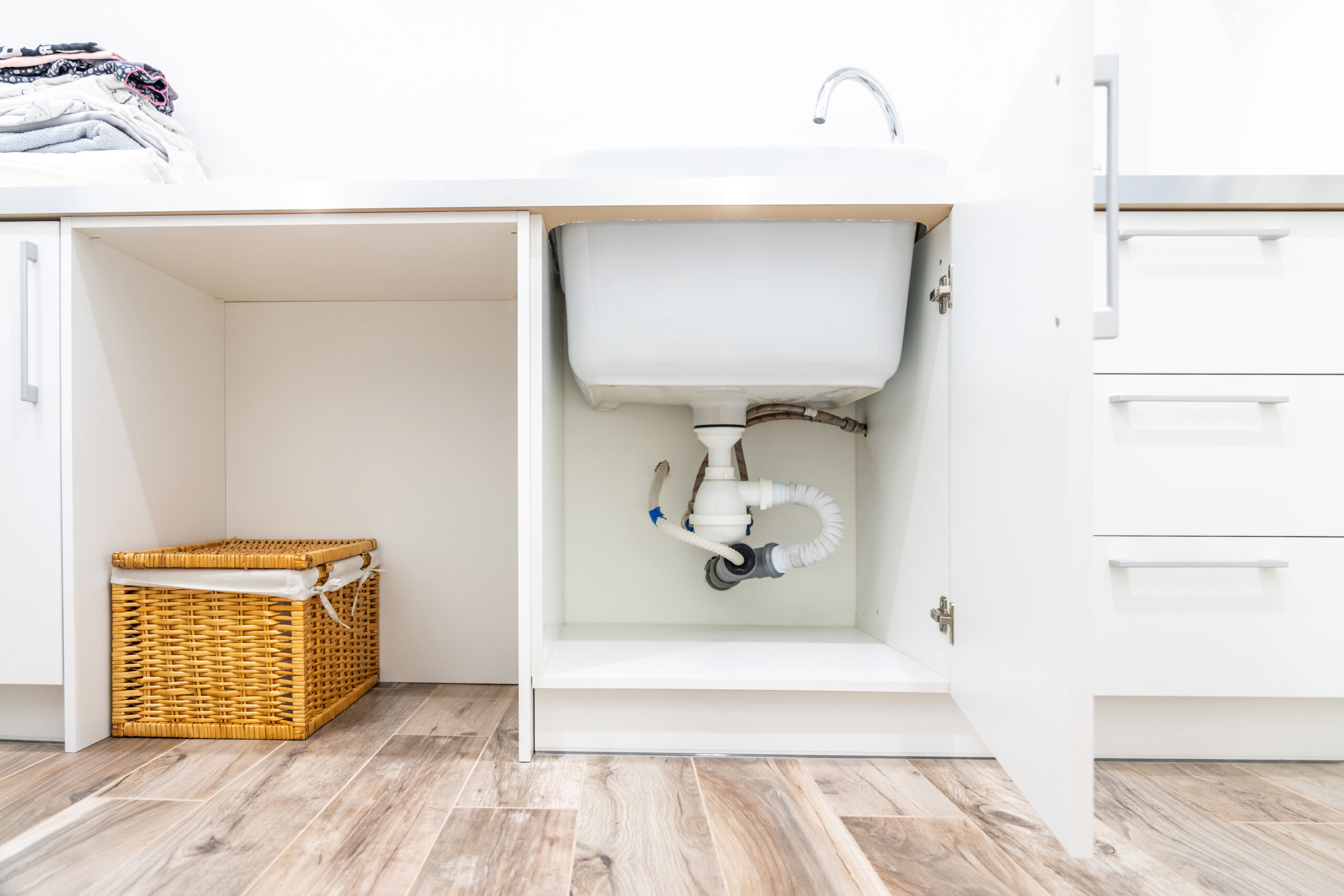
Why Cleaning Your Garbage Disposal Drain Actually Matters
Most homeowners give their garbage disposal a pass when it comes to regular cleaning. Out of sight, out of mind — until the smell hits. The garbage disposal drain is one of those components that quietly does a lot of heavy lifting in the kitchen, grinding up food waste and sending it through your plumbing system day after day. What most people do not realize is that over time, food particles, grease, soap residue, and bacteria accumulate inside the drain and disposal chamber, creating odors and potentially leading to clogs or mechanical issues. Keeping this system clean is not just about freshness — it is about protecting a key appliance in your home.
How a Garbage Disposal and Its Drain Actually Work
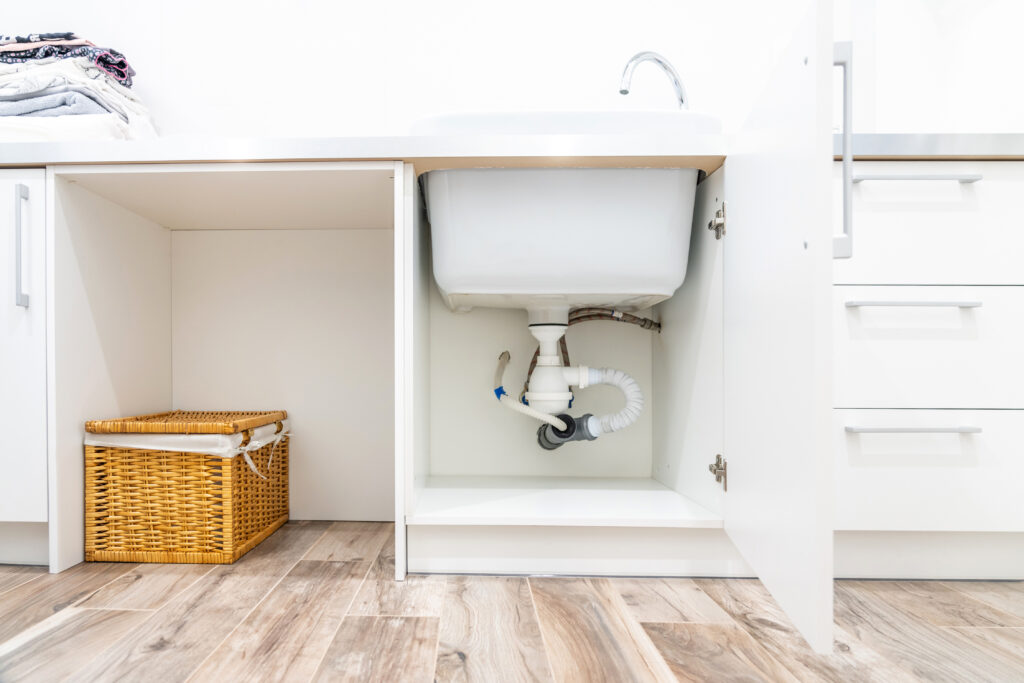
Before diving into the cleaning process, it helps to understand what you are working with. A garbage disposal is an electrically powered unit mounted beneath your kitchen sink, connected directly to the drain. When activated, an electric motor spins a disc fitted with impellers — not blades, despite popular belief — that force food waste against a stationary grind ring. This breaks the waste down into small particles that flush through your plumbing and into the sewer system. The drain beneath connects the disposal to your home’s drain line, and the rubber splash guard at the top sits at the point where food enters the unit. Each of these areas can harbor buildup if not cleaned regularly.
Signs Your Garbage Disposal Drain Needs Cleaning
Knowing when to clean is just as important as knowing how. Garbage disposals tend to signal trouble before things get serious, if you pay attention. Here are the most common indicators that your disposal drain is overdue for a cleaning:
- Persistent bad odors coming from the drain or sink area, even after running water
- Slow drainage that suggests partial buildup or a developing clog
- A visible dark or slimy residue around the drain opening or splash guard
- Gurgling sounds from the drain after the disposal runs
- Fruit flies hovering near the sink, which are often attracted to organic buildup inside the unit
Any one of these signs is reason enough to go through a thorough cleaning. Catching it early prevents the kind of buildup that leads to real plumbing problems or disposal damage down the line.
Step-by-Step: How to Clean a Garbage Disposal Drain the Right Way
Cleaning your garbage disposal drain is a manageable task that requires no special tools and only a few household supplies. Start by cutting power to the disposal — either by unplugging it from the outlet beneath the sink or switching off the circuit breaker. Safety first, always. Next, use a damp cloth or an old toothbrush to scrub the rubber splash guard thoroughly, including the underside, which is often the dirtiest part. Then, drop a handful of ice cubes into the disposal along with a cup of rock salt. Turn the unit back on and run cold water as you let it run — the ice helps dislodge residue from the grinding components. Follow that with a half cup of baking soda poured directly into the drain, then a cup of white vinegar. Let the mixture foam and sit for about ten to fifteen minutes, then flush with hot water. For an added freshness boost, cut up a lemon or lime and run the pieces through the disposal with cold water. That is genuinely all it takes — the whole process runs about twenty minutes.

What Not to Put Down Your Garbage Disposal Drain
Cleaning the disposal drain is important, but preventing excessive buildup in the first place matters just as much. There is a persistent myth that garbage disposals can handle almost anything, and that misunderstanding leads to a lot of unnecessary damage. Grease and cooking oil are among the worst offenders — they coat the inside of the disposal and drain line and solidify over time, creating stubborn clogs. Fibrous vegetables like celery, artichokes, and corn husks can wrap around the impellers and interfere with the motor. Starchy foods like pasta and rice expand with water and create thick paste-like blockages. Coffee grounds seem harmless but accumulate in the drain line over time. And eggshells — despite what some people say — do not sharpen the grinding components and can contribute to buildup. Being selective about what goes into the disposal in the first place dramatically reduces how often you need to deep clean it.
How Often Should You Clean the Garbage Disposal Drain
A light cleaning once a week keeps odors under control and prevents surface-level buildup from becoming something worse. This can be as simple as running ice cubes through the unit or dropping in some baking soda and rinsing with hot water. A more thorough cleaning — including scrubbing the splash guard, using a vinegar and baking soda flush, and running citrus through the unit — is worth doing at least once a month. If you use the disposal frequently or process a lot of food waste, bump that schedule up slightly. Consistent maintenance is far easier than dealing with a foul-smelling or partially clogged drain that has been neglected for months.
Key Advantages of Keeping Your Disposal Drain Clean
There is a real return on investment when it comes to regular disposal maintenance. Homeowners who keep up with cleaning tend to extend the lifespan of their unit, reduce plumbing service calls, and simply enjoy a fresher kitchen environment. Garbage disposals that are properly maintained also run more efficiently — the motor does not have to work as hard when there is minimal residue buildup on the grinding components. From a cost perspective, disposals typically last between eight and fifteen years. Neglect can cut that lifespan significantly shorter, meaning an earlier-than-expected replacement cost that could run anywhere from a hundred fifty to over five hundred dollars installed, depending on the unit.
Common Drawbacks and Limitations to Keep in Mind
Even with great maintenance habits, garbage disposals are not without their limitations. Older units may develop persistent odor problems that no amount of cleaning fully resolves — at that point, the unit itself may need replacing. Hard water can contribute to mineral buildup inside the drain line that household cleaning methods do not fully address, requiring a plumber’s involvement. The grinding mechanism can also wear down over time, reducing efficiency regardless of cleanliness. And for households connected to a septic system rather than municipal sewer, heavy disposal use can disrupt the balance of bacteria in the tank, which is a separate but important consideration. Knowing these limitations helps homeowners make realistic expectations about what regular cleaning can and cannot accomplish.
When to Call a Professional Instead of DIY Cleaning
There are moments when cleaning the disposal yourself is not enough. If the drain is actively backing up into the sink, if the disposal is making unusual grinding or humming noises that persist after a reset, or if you notice water leaking from the unit itself, those are signs that go beyond what a vinegar rinse can fix. Persistent clogs deep in the drain line, damage to the mounting assembly, or a motor that no longer responds correctly all call for a licensed plumber or appliance technician. Attempting to disassemble a disposal without the right experience can void manufacturer warranties and lead to bigger problems. Knowing the line between routine maintenance and professional repair is part of being a responsible homeowner.
How a Home Warranty Can Protect Your Garbage Disposal and More
Here is something worth thinking about — your garbage disposal is just one of many appliances and systems in your home that can break down unexpectedly. A home warranty plan is designed to fill the gap that homeowner’s insurance does not cover: the mechanical failure of everyday systems and appliances. When your disposal motor burns out, or your drain line develops a deeper issue connected to the unit, having a plan in place means you are not scrambling for cash to cover an unexpected repair bill. Armadillo home warranty coverage for kitchen appliances and plumbing systems is built for exactly this kind of situation — straightforward, honest coverage without the runaround. If you want to understand what protecting your home’s systems actually looks like in practice, get a free home warranty quote for garbage disposal and appliance protection and see what fits your home and budget. Maintenance keeps things running — a warranty keeps you covered when they do not.

Frequently Asked Questions About Cleaning a Garbage Disposal Drain
How do I get rid of the bad smell coming from my garbage disposal drain?
The most effective method is to pour half a cup of baking soda into the drain, follow with a cup of white vinegar, let it fizz for ten to fifteen minutes, then flush with hot water. Scrubbing the rubber splash guard — especially the underside — and running citrus peels through the unit also eliminates odor-causing bacteria.
Is it safe to use bleach to clean a garbage disposal?
Bleach is not recommended for garbage disposals. It can damage rubber components like the splash guard and seals, and it does not effectively break down the grease and organic buildup that causes most odor issues. Baking soda and vinegar are safer and more effective for routine cleaning.
Can I use commercial drain cleaners in my garbage disposal drain?
Most commercial chemical drain cleaners are too harsh for garbage disposals and can corrode internal components or damage the drain line. Enzyme-based drain cleaners are a safer alternative if you want a product specifically designed to break down organic matter without causing damage.
How often should I clean my garbage disposal?
A light cleaning once a week is ideal for odor prevention, while a thorough cleaning — including all components — should happen at least once a month. High-frequency users may benefit from more regular deep cleaning to prevent buildup from accumulating.
Why does my garbage disposal drain smell even after cleaning?
If odors persist after a thorough cleaning, the buildup may be deeper in the drain line rather than inside the disposal unit itself. You may also have organic matter trapped beneath the mounting flange or in the drain trap. A plumber can inspect and clear buildup that household cleaning methods cannot reach.
Does cleaning the garbage disposal help with slow draining?
Regular cleaning can help prevent slow draining caused by buildup inside the disposal or just inside the drain opening. However, if the clog is further down the drain line, cleaning the disposal itself will not resolve it. Persistent slow draining after cleaning warrants a professional inspection.
What is the best way to clean the rubber splash guard on a garbage disposal?
Remove or fold back the splash guard and scrub both the top and underside with an old toothbrush dipped in dish soap or a baking soda paste. The underside is frequently overlooked and tends to accumulate the most bacteria and food residue.
Will a home warranty cover my garbage disposal if it breaks down?
Many home warranty plans do include garbage disposal coverage as part of an appliance or kitchen systems package. Coverage typically applies to mechanical failure due to normal wear and tear. It is important to review your specific plan to understand what is included and whether maintenance-related neglect affects your claim eligibility.
How long does a garbage disposal typically last?
A well-maintained garbage disposal generally lasts between eight and fifteen years. Units that are frequently overloaded with inappropriate food waste or that go without regular cleaning may fail earlier. Motor quality and brand also play a significant role in overall lifespan.
Can I clean my garbage disposal drain without turning off the power?
Any cleaning that involves putting your hand near or inside the disposal opening should be done with the power disconnected. For rinse-based cleaning methods like baking soda and vinegar flushes, the power does not need to be off, but caution is always warranted. Never reach inside the disposal opening regardless of whether it appears to be off.