The Tiny Stripped Screw That Could Cost You More Than You Think
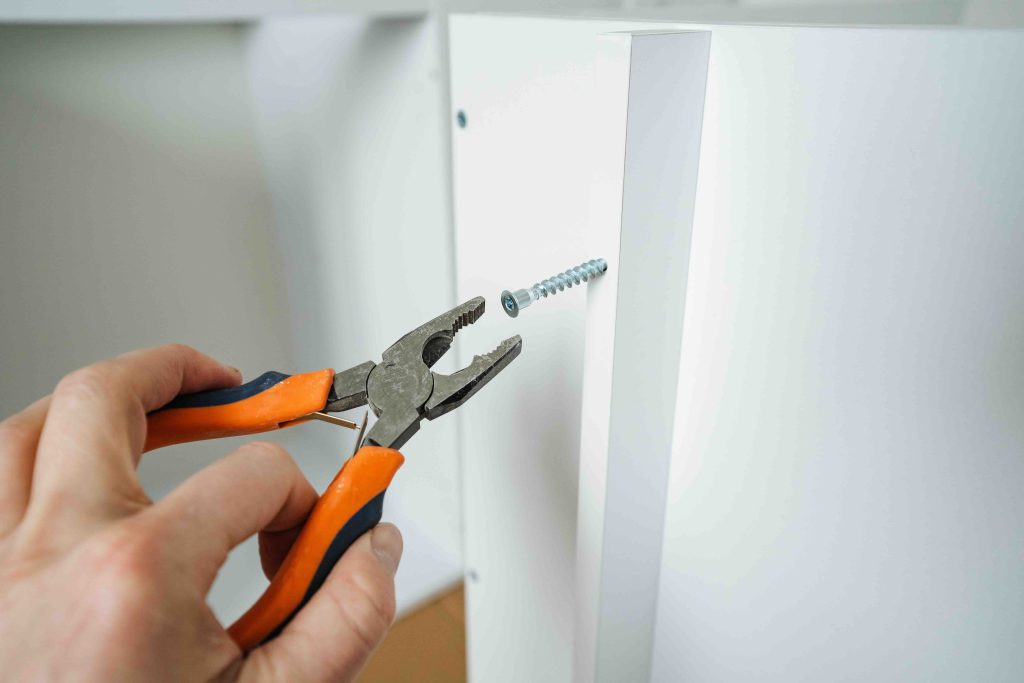
It starts with something so small you almost laugh at yourself for caring. A single screw, stuck in place, refusing to budge no matter how many times you switch out the screwdriver head. Stripped screws are one of those home repair problems that seem trivial right up until the moment they are not. They can halt a project entirely, damage surrounding materials, and if you are dealing with a stripped screw inside an appliance or home system, the situation can escalate quickly. Understanding how to approach this problem, and knowing what coverage exists when repairs go sideways, is genuinely useful information for any homeowner.
What Is a Stripped Screw and Why Does It Happen
A stripped screw is one where the drive recess, that little cross or slot pattern in the screw head, has been worn down enough that a screwdriver can no longer get adequate grip. The tool just spins, sometimes making things worse with every attempt. This happens for a few reasons. Using the wrong size screwdriver is probably the most common culprit. When the bit does not fit snugly, it rocks around inside the recess and grinds away at the metal. Applying too much or too little torque, using a worn-out bit, or working with low-quality screws made from softer metal will all produce the same frustrating result. Older homes tend to have more stripped screws simply because fasteners have had years of heat cycling, rust, and repeated disturbance to weaken them.
Where Stripped Screws Show Up Around the Home
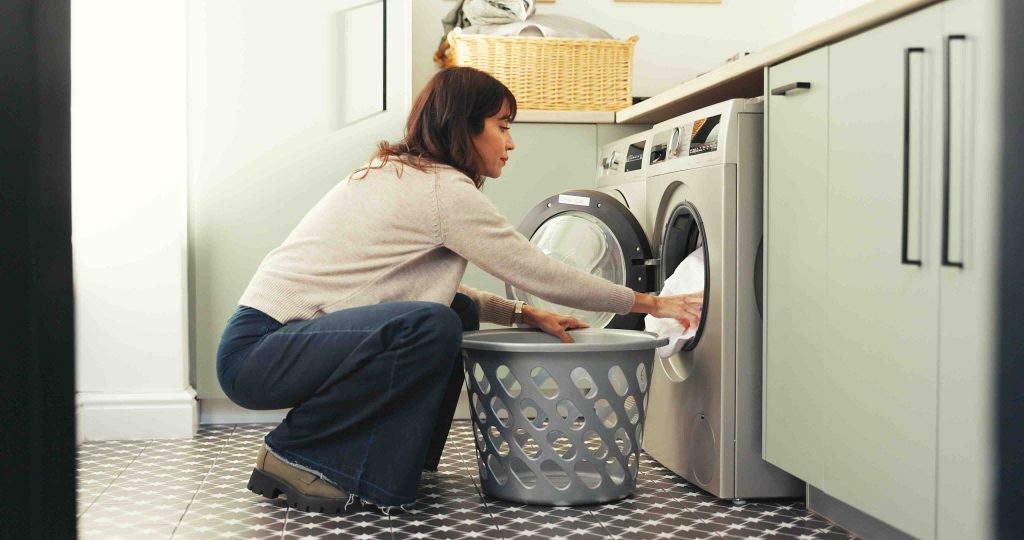
You can encounter a stripped screw almost anywhere. Inside electrical panels, on HVAC access panels, in appliance housings, on plumbing fixture brackets, inside water heater compartments, and throughout general cabinetry and trim work. The problem is not always cosmetic. When a stripped screw is the only thing holding an access panel shut on a furnace or securing a component inside a dishwasher, removal becomes a necessary step before any actual diagnosis or repair can happen. Technicians run into this constantly. It adds time, and in some cases adds complexity to what should have been a straightforward service call.

How to Actually Remove a Stripped Screw
Here is where things get practical. There are several techniques that work well depending on how badly the screw is stripped and what material it is set in. No single method works every time, which is why knowing a few options keeps you from reaching for a drill out of frustration and making things significantly worse.
- Rubber band method: Place a wide rubber band over the screw head and press your screwdriver firmly into it. The rubber fills the gaps in the damaged recess and often provides enough grip to turn the screw out slowly.
- Screw extractor kit: These are specialty drill bits designed to bite into damaged screw heads. They work in reverse rotation and are widely available at hardware stores for under twenty dollars.
- Rotary tool with a cutting disc: Carve a new slot across the screw head, then use a flat-head screwdriver to back it out. This works well when you have clear access and the screw sits proud of the surface.
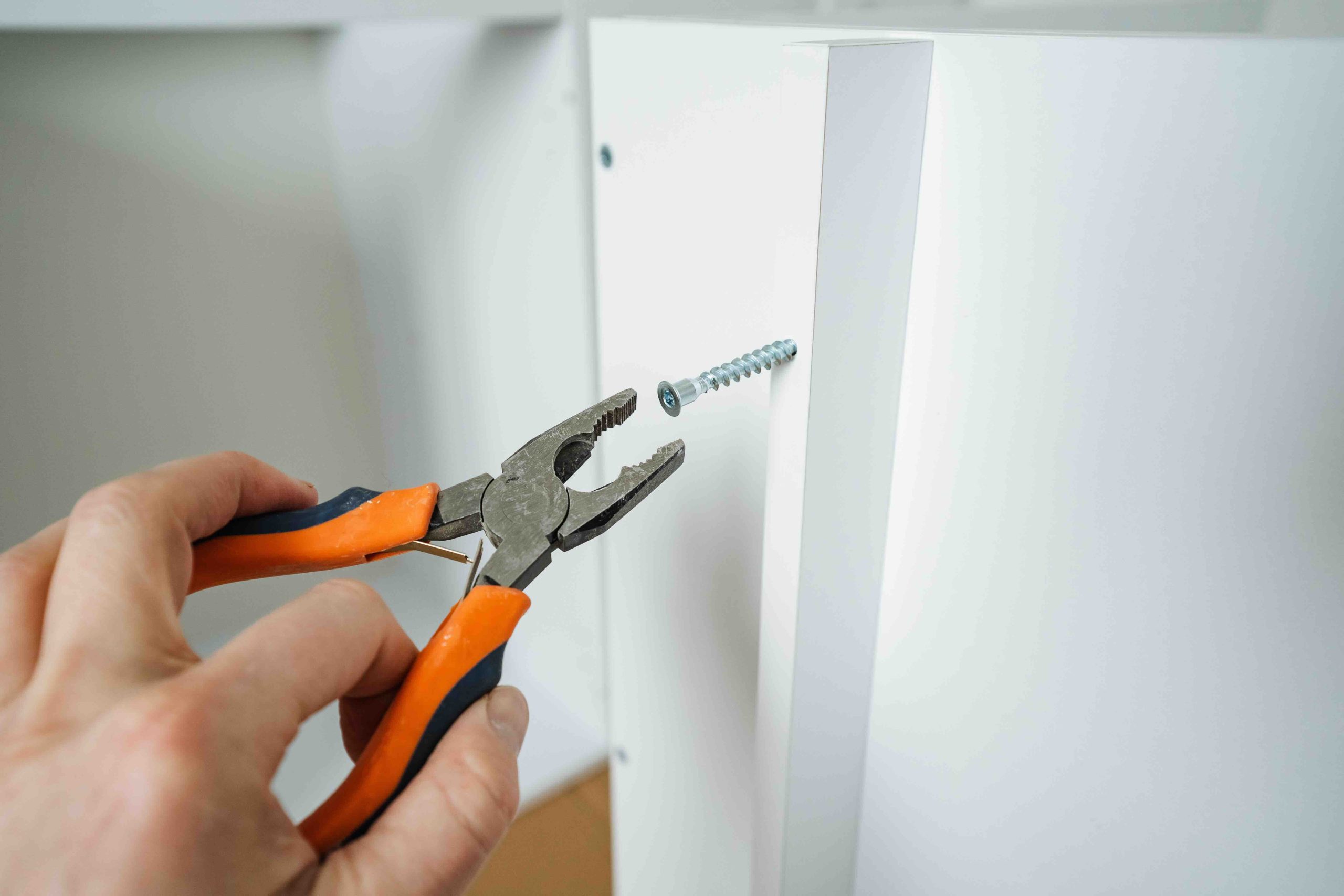
- Locking pliers or vise grips: If any portion of the screw head is exposed above the surface, a firm grip with pliers and slow counterclockwise pressure can coax it free.
- Left-hand drill bit: Drilling in reverse with a left-hand bit often catches and extracts the screw before you have to drill all the way through it.
When to Stop and Call a Professional
There is a real temptation to keep trying. You have been at this screw for twenty minutes and walking away feels like defeat. But there is a point where continued attempts cause more damage than the original problem ever would have. If the screw is inside an appliance, an electrical component, or a pressurized system, stop early. Drilling too aggressively into an appliance housing can crack plastic components, damage nearby wiring, or void any existing service agreement. A trained technician has the right tools and experience to handle stubborn fasteners without collateral damage. Knowing when to hand it off is not failure, it is actually smart homeownership.
Key Advantages of Addressing Stripped Screws Promptly
Dealing with a stripped screw quickly prevents a small nuisance from becoming a legitimate repair issue. Leaving an access panel improperly secured on a furnace or water heater can allow dust, moisture, or pests to enter areas they should never reach. A loose panel on an appliance can vibrate during operation, creating noise and gradually damaging adjacent parts. Addressing it also keeps your home systems accessible for future maintenance, which matters more than most homeowners realize until a technician cannot complete a service call because something is in the way.
Common Drawbacks and Risks to Know
Stripped screw removal is not always clean or simple. There are genuine risks worth understanding before you start.
- Material damage: Aggressive extraction can gouge wood, crack plastic housing, or chip paint around the screw site.
- Breaking the screw: If the shank snaps, you now have a broken fastener embedded in the material, which is a harder problem to solve than the original stripped head.
- Thread damage: Forcing a screw during extraction can strip the threads in the hole itself, meaning the replacement screw will not hold securely either.
- Electrical hazard: Working near wiring without turning off the appropriate circuit first turns a minor repair into a serious safety concern.
- Appliance damage: Improper disassembly of appliances can damage internal components, lead to leaks, or trigger error codes that require a reset or professional recalibration.
Prevention Is Simpler Than You Think
Most stripped screws are preventable. Using correctly sized, properly fitted bits is the single biggest factor. A bit that wobbles even slightly inside the recess is doing damage with every rotation. Keeping a set of quality bits on hand and replacing them when they show wear is worth doing. Applying steady, even pressure rather than forcing a stuck screw also helps. When a screw resists, a small amount of penetrating lubricant applied at the edge and allowed to sit for several minutes can make removal much smoother without damaging surrounding surfaces. These habits cost almost nothing and save a surprising amount of time over the life of a home.
How Home Warranty Coverage Connects to This Problem
This is where things get interesting for homeowners. A stripped screw on its own is not typically a covered repair under a home warranty. It is a fastener, not a system failure. But what happens after the stripped screw is where coverage becomes relevant. If a technician cannot access a covered appliance or system component because of a stripped fastener, the labor involved in extraction, replacement, and reassembly is part of the service call. If an appliance malfunctions and the stripped screw is simply an obstacle to diagnosis and repair of a covered breakdown, the repair itself may still qualify. Understanding the relationship between access and coverage helps homeowners set realistic expectations before a service call begins.
Why Armadillo Is Worth Considering for Home Warranty Protection
When small repairs lead to bigger ones, having the right home warranty in place changes the outcome entirely. Armadillo was built with homeowners in mind, not with the goal of finding reasons to deny claims. The coverage is straightforward, the service experience is designed to be low-friction, and the plans are priced to make sense for real households. Whether a stripped screw leads to a discovered appliance failure or you are simply trying to stay ahead of the unexpected costs that come with owning a home, working with a trusted home warranty provider that covers major appliances and home systems gives you a meaningful financial safety net. If you are ready to stop guessing what a breakdown might cost you, take two minutes and get a free home warranty quote for your specific home and zip code to see what coverage actually looks like for your situation.

Frequently Asked Questions About Stripped Screws and Home Repairs
Homeowners ask a lot of the right questions when they hit this kind of problem. Here are the ones that come up most often, answered directly.
What causes a screw to strip in the first place?
Stripped screws are most often caused by using the wrong screwdriver size, applying uneven pressure during driving or removal, using a worn bit, or working with low-quality screws made from softer metals that deform under moderate torque.
Can a stripped screw be removed without a special tool?
Yes, in many cases. A rubber band placed over the screw head can provide enough grip for a standard screwdriver to turn a lightly stripped screw. Locking pliers work when the screw head is exposed above the surface. For more stubborn cases, a specialty extractor kit is the most reliable option.
Is it safe to drill out a stripped screw inside an appliance?
It depends on the appliance and your skill level. Drilling near wiring, motors, or sealed components carries risk. If you are not confident in the exact location of internal components, calling a technician is the safer choice to avoid compounding the problem.
Will a home warranty cover the cost of removing a stripped screw?
A stripped screw on its own is generally not a covered item. However, if the stripped screw is an obstacle to accessing and repairing a covered system or appliance that has failed, the overall service call and repair may still be covered under a qualifying plan.
How do I prevent screws from stripping during future repairs?
Use the correct screwdriver size for every fastener, replace worn bits regularly, apply steady even pressure without forcing, and consider using a manual screwdriver rather than a power drill in tight or sensitive areas where torque is harder to control.
What should I do if I break a screw off inside an appliance?
Stop working on it immediately. A broken screw shank embedded in a housing or threaded hole requires a screw extractor or in some cases professional repair. Attempting to drill it out without the right tools can damage the surrounding material beyond easy repair.
Are some screws more resistant to stripping than others?
Yes. Torx and hex drive screws are significantly more resistant to stripping than traditional Phillips or flat-head screws because the bit engages along a larger surface area and is less likely to cam out under pressure. When replacing stripped fasteners, upgrading to a Torx style is worth considering.
How long does it typically take to remove a stripped screw?
With the right tool and technique, most stripped screws can be removed in under ten minutes. Using the wrong approach or continuing to force a stuck fastener can extend that timeline considerably and increase the risk of additional damage.
Does the age of the screw affect how hard it is to remove?
Absolutely. Older screws are more likely to have corrosion, rust, or paint buildup that adds resistance during removal. Applying penetrating lubricant and allowing it to work for several minutes before attempting removal makes a meaningful difference on aged fasteners.
When is it time to replace a screw rather than reuse it after extraction?
Almost always. Once a screw has been stripped and extracted, the drive recess is compromised and the fastener is likely to strip again on reinstallation. Using a fresh screw of the same size and thread pitch is the correct approach, and it costs almost nothing.