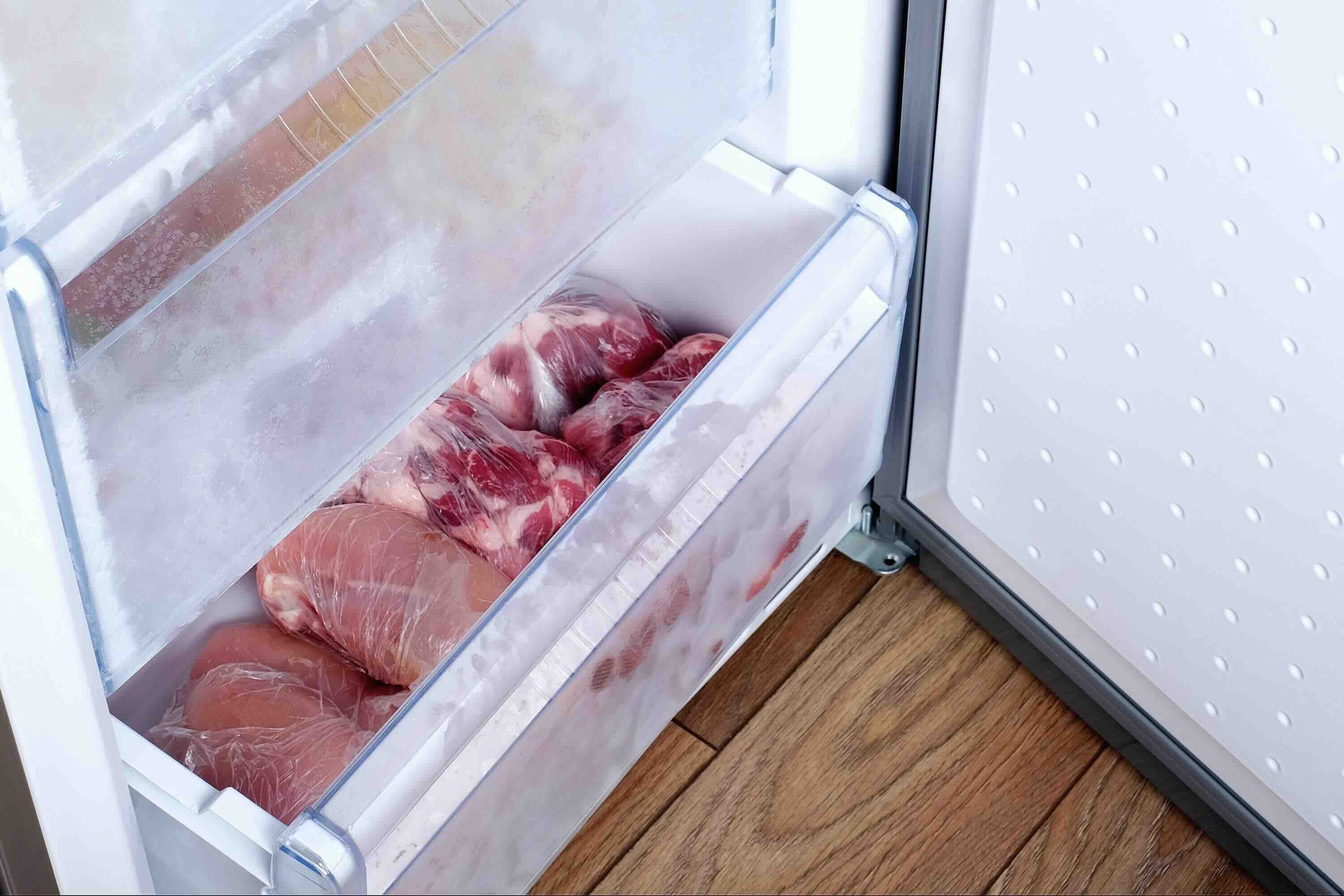
Why Is My Freezer Only Freezing at the Bottom? A Homeowner’s Guide to What’s Going On
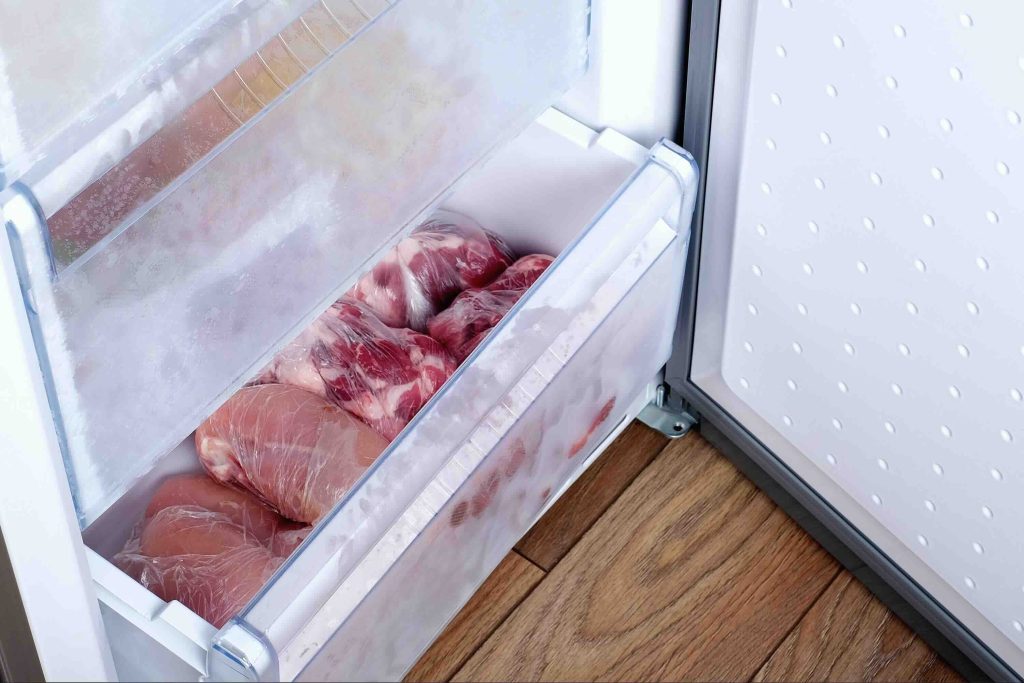
You open the freezer, reach for something on the top shelf, and notice it feels soft. Ice cream that should be rock solid has a strange give to it. But the stuff at the bottom? Completely frozen, no problem. It is a genuinely confusing situation because most people assume a freezer either works or it does not. The reality is a bit more layered than that, and understanding what is actually happening inside that appliance can help you figure out whether this is a quick fix or something that needs professional attention.
How a Freezer Is Supposed to Work
Before diagnosing the problem, it helps to understand the basics. A freezer operates by circulating cold air throughout the entire compartment using a combination of refrigerant, a compressor, and a fan. The evaporator fan pulls cold air across the evaporator coils and distributes it evenly through the unit. When everything is functioning correctly, the temperature should be consistent from top to bottom, typically around 0 degrees Fahrenheit. The moment that airflow gets disrupted or the cooling system starts underperforming, you end up with uneven temperatures, and the symptoms usually show up first at the top of the freezer.
Why the Bottom Freezes First and the Top Does Not
Cold air is denser than warm air, which means it naturally sinks. When a freezer loses its ability to actively circulate air, the cold air that is produced settles toward the bottom of the unit while the upper portion stays comparatively warmer. This is the physics of the situation working against you. So if your freezer is only freezing at the bottom, it is a strong indicator that something in the airflow or cooling system is compromised rather than the refrigeration system failing entirely. That distinction actually matters quite a bit when it comes to diagnosing and repairing the problem.
Common Causes Behind Uneven Freezing
There are several culprits that tend to show up repeatedly when homeowners deal with this issue. Knowing them can help you have a more informed conversation with a technician or even rule out the simpler fixes on your own.
- Faulty evaporator fan: If the fan responsible for circulating air stops working or slows down, cold air will not distribute evenly throughout the compartment.
- Frost or ice buildup on the evaporator coils: Excessive frost can block airflow entirely, preventing cold air from reaching the upper shelves.
- Defrost system failure: Most modern freezers have an automatic defrost cycle. If the defrost heater, thermostat, or timer fails, frost accumulates rapidly and disrupts airflow.
- Damaged or worn door gaskets: A seal that no longer closes properly allows warm, humid air inside, accelerating frost buildup and temperature inconsistency.
- Refrigerant leak: Less common, but a slow refrigerant leak can reduce cooling capacity and create temperature imbalances.
- Overpacking the freezer: Blocking the vents inside the unit with too many items can restrict airflow just enough to cause uneven cooling.
What to Check Before Calling a Technician
Some of these issues are things a homeowner can investigate without any tools or specialized knowledge. Start by checking whether the vents inside the freezer are blocked by food items. Reorganize the contents so that nothing is pressed directly against the air vents on the back or sides of the unit. Next, listen for the fan. With the freezer door open, you should be able to hear it running. Silence when the compressor is on can indicate a fan motor problem. You can also inspect the door gasket by closing the door on a piece of paper. If you can pull the paper out easily, the seal is compromised. Finally, manually initiate a defrost cycle if your appliance supports it, or unplug the unit for 24 to 48 hours and allow any built-up frost to melt completely before restarting it.

When the Problem Points to the Defrost System
A failed defrost system is one of the most common reasons freezers develop uneven temperature distribution. The defrost heater melts any frost that accumulates on the evaporator coils during normal operation. If it fails, frost builds up over days and weeks until it essentially creates an insulating barrier that blocks airflow completely. The bottom of the freezer may still stay cold because some refrigerant cycling continues, but the upper portion gets cut off from consistent cold air. Replacing a defrost heater, thermostat, or timer is a manageable repair for an appliance technician and typically does not require a full unit replacement.
The Evaporator Fan and Why It Matters So Much
The evaporator fan is the engine behind even temperature distribution inside a freezer. It pulls air across the cold coils and pushes it throughout the entire compartment. When this component starts failing, often due to a worn-out motor or ice accumulation around the fan blade, the consequences are predictable. Cold air no longer actively circulates, so gravity takes over and the cold air falls to the bottom. If you open the freezer and notice the fan is not running or is making unusual noises, that is a strong diagnostic signal. Fan motors are replaceable components, and this is typically not a situation that requires an entirely new appliance.
Refrigerant Issues Are Less Common but Worth Knowing
A refrigerant leak is a less frequent cause of uneven freezing but one that tends to result in a more gradual decline in performance. As refrigerant levels drop, the system loses its capacity to cool efficiently, and the symptoms often appear first in the areas of the freezer furthest from the evaporator coils, which is usually toward the top. If you have ruled out airflow problems and the defrost system seems functional, a refrigerant issue may be worth exploring with a certified technician. Recharging refrigerant requires specialized equipment and licensing, so this is not a DIY situation under any circumstances.
How a Home Warranty Can Help When Freezer Problems Arise
Appliance repairs are rarely cheap, and freezer issues specifically can range from a modest fan motor replacement to a more involved defrost system repair or refrigerant recharge. This is exactly where a home warranty earns its value. A quality home warranty plan covers the repair or replacement of major appliances when they break down due to normal wear and tear, which is precisely what most freezer problems fall under. Instead of navigating repair costs out of pocket, homeowners with active coverage can file a claim and get a qualified technician dispatched without the financial guesswork.
Why Armadillo Is the Right Choice for Appliance Protection
When a freezer starts acting up, the last thing you want is to discover your home warranty has buried the coverage in fine print or denied your claim on a technicality. Armadillo approaches home warranty coverage differently. The plans are built around transparency and genuine protection for the appliances and systems homeowners rely on most. If you are looking for comprehensive home warranty coverage that includes refrigerator and freezer appliance protection, Armadillo is built for exactly that kind of peace of mind. The claim process is clear, the coverage is real, and the service network connects you with qualified professionals when something goes wrong. Take a few minutes to get a free home warranty quote for freezer and appliance coverage and see what a plan tailored to your home actually looks like. It is a simple step that can make a significant difference the next time an appliance decides to underperform at the worst possible moment.

Frequently Asked Questions About Freezers Only Freezing at the Bottom
Homeowners dealing with uneven freezer temperatures often have follow-up questions. Here are the answers to the ones that come up most frequently.
Why is my freezer cold at the bottom but warm at the top?
Cold air is denser and sinks naturally, so when a freezer loses proper airflow from the evaporator fan or experiences frost buildup on the coils, the cold air settles at the bottom while the top of the unit remains warmer than it should be.
Can a blocked vent inside the freezer cause uneven freezing?
Yes. Overpacking a freezer or placing items directly in front of the air vents can restrict airflow enough to create noticeable temperature differences between the top and bottom of the compartment.
How do I know if my evaporator fan has failed?
Open the freezer while the compressor is running and listen for the fan. If you hear nothing or notice unusual grinding and squealing, the fan motor may be failing and should be inspected by a technician.
What does a defrost system failure look like in a freezer?
You may notice visible frost or ice buildup on the back wall inside the freezer, reduced airflow, and inconsistent temperatures throughout the unit, particularly at the top shelves where cold air struggles to reach.
Can I manually defrost my freezer to fix the problem temporarily?
Yes. Unplugging the unit and allowing it to fully defrost for 24 to 48 hours can temporarily resolve frost-related airflow issues, but if the defrost system is faulty, the problem will return without a proper repair.
How long does a freezer typically last before needing major repairs?
Most freezers have a lifespan of 12 to 20 years depending on the brand, model, and how well they are maintained. Component failures like fan motors and defrost heaters can occur well within that window due to normal wear and tear.
Is a refrigerant leak dangerous in a household freezer?
Modern refrigerants used in household appliances are generally not toxic in the small quantities involved, but a refrigerant leak should still be addressed promptly by a licensed technician since it will continue to degrade appliance performance.
Does a home warranty cover freezer repairs?
Many home warranty plans include coverage for refrigerators and freezers when they fail due to normal wear and tear. Coverage details vary by provider, so reviewing the specific terms of your plan is always recommended before filing a claim.
How much does it typically cost to repair an evaporator fan in a freezer?
Evaporator fan motor replacements typically range from $100 to $300 depending on the appliance brand and local labor rates. This is one of the more affordable freezer repairs and is usually worth pursuing before considering a full replacement.
When should I replace my freezer instead of repairing it?
If the appliance is more than 15 years old, if multiple components are failing simultaneously, or if repair costs exceed half the price of a comparable new unit, replacement is generally the more financially sound decision.