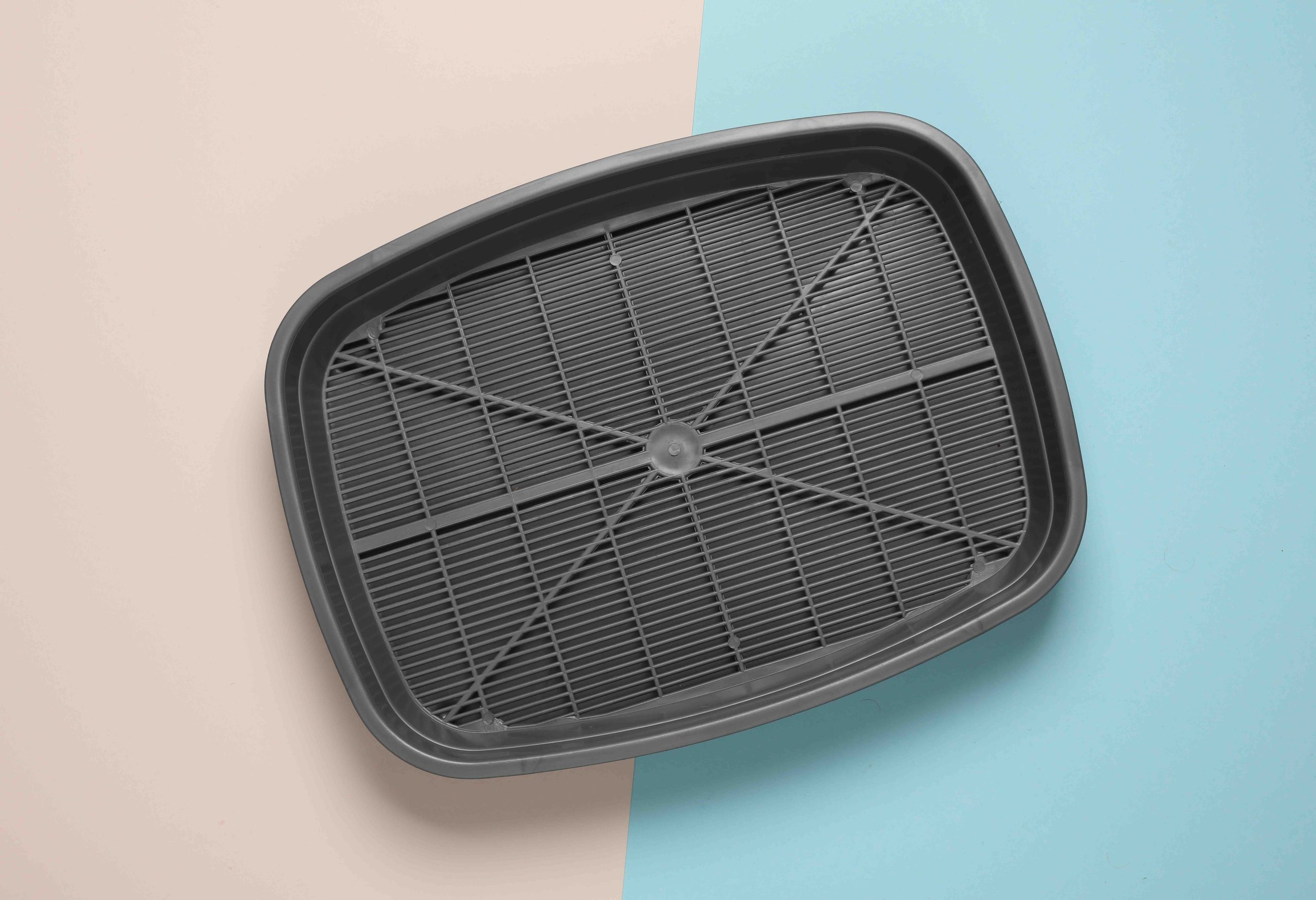
What Is a Washing Machine Pan and Why Does Your Home Need One?
If you have ever dealt with a washing machine leak, you already know how fast a small drip can turn into a major problem. Water finds its way under flooring, into subfloors, and sometimes through ceilings if your laundry setup is on an upper level. That is where the washing machine pan comes in. It is one of those components that does not get much attention until something goes wrong, and by then, the damage is already done. A washing machine pan, sometimes called a drain pan or laundry pan, sits directly underneath your washer and is designed to catch any water that escapes from the machine. Simple concept, significant protection.
How a Washing Machine Pan Actually Works
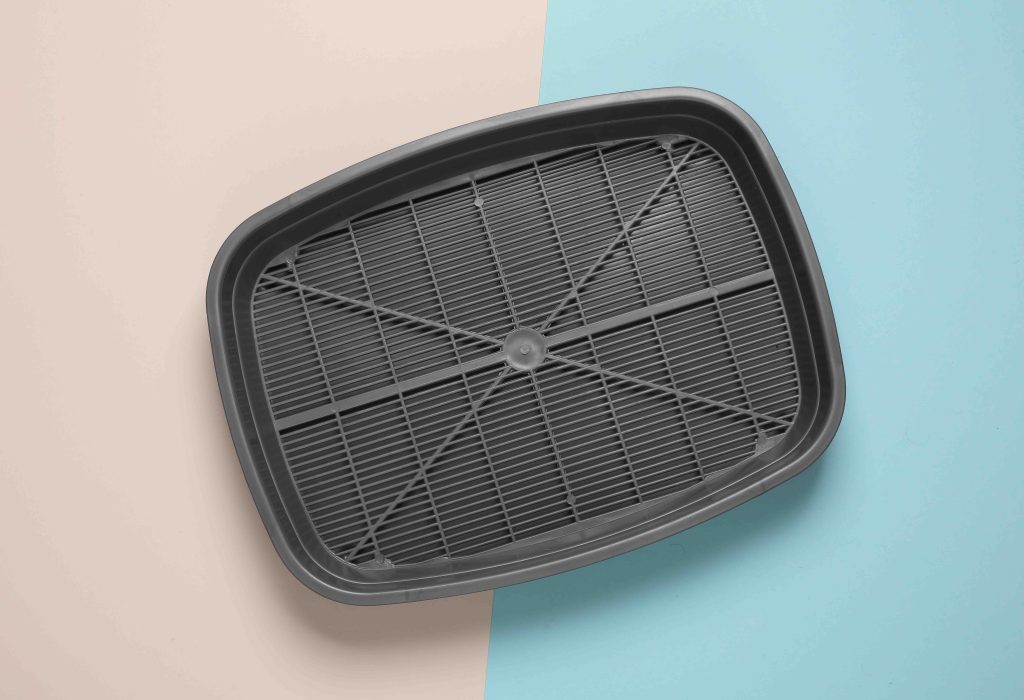
The mechanics here are refreshingly straightforward. The pan is a shallow, rectangular or square basin made from plastic, metal, or composite material that sits on the floor beneath your washing machine. If your washer develops a slow leak from a hose connection, the door seal, or the machine body itself, the pan catches the overflow before it reaches your floor. Most pans also have a drain port, usually located on the side or at the bottom, where you can connect a drain line that routes water safely away, typically into a floor drain or utility sink. Without that connection, the pan just holds water temporarily until you notice the issue and address it. With a proper drain line, even a moderate leak can be managed without causing surface damage.
Standard Washing Machine Pan Sizes You Should Know
Getting the size right matters more than most homeowners realize. A pan that is too small provides almost no protection, and a pan that does not fit properly under the machine can interfere with leveling and machine operation. Here are the most common sizes you will encounter when shopping for a washing machine pan:
- 27 x 25 inches: This is the most common size and fits the majority of standard front-load and top-load washing machines. It is considered the industry default for residential installations.
- 28 x 30 inches: Designed for larger capacity machines, this size accommodates many high-efficiency and oversized top-loaders that are wider than average.
- 32 x 32 inches: Used for extra-large or stacked washer and dryer units where a single pan needs to cover a broader footprint.
- 24 x 24 inches: Less common but used in compact laundry setups, particularly in condos, apartments, or smaller utility closets.
Always measure your washing machine’s base dimensions before purchasing a pan, and add at least two inches on each side for proper coverage. Manufacturers vary, and even machines listed as the same capacity can have different footprints.

The Key Advantages of Installing a Washing Machine Pan
The protection a washing machine pan provides extends well beyond just catching a few drips. For homeowners on upper floors especially, the stakes are considerably higher. A leak that goes undetected for even a few days can warp hardwood flooring, compromise drywall, and create conditions that invite mold growth. A properly installed pan with a functional drain line dramatically reduces that risk. Insurance companies and home inspectors routinely flag the absence of a washing machine pan as a liability in homes where the washer is located above a finished living space. Beyond flood prevention, some pans are designed with raised lips and reinforced corners that also help with machine stability on slick flooring. That added grounding can reduce vibration noise during high-speed spin cycles too, which is a quiet bonus most homeowners appreciate.
Common Drawbacks and Limitations to Keep in Mind
No protective component is perfect, and washing machine pans are no exception. One of the most common complaints is that a pan without an active drain line is essentially just a bucket. If the pan fills up and nobody notices, water will eventually overflow the lip and cause the exact damage you were trying to avoid. Pans also do not protect against catastrophic hose failures, where a supply line bursts and releases water faster than any standard pan can contain. Plastic pans can crack over time, particularly if the washing machine was not properly leveled and is putting uneven weight stress on the pan. Metal pans, while more durable, can corrode if the finish is compromised. Regular inspection of the pan itself is something many homeowners overlook entirely.
Materials Matter: Choosing the Right Pan for Your Setup
The two most widely available materials are high-density polyethylene plastic and galvanized or stainless steel. Plastic pans are lighter, easier to install, and less expensive, making them the popular choice for most residential installations. They work well in most situations but can become brittle with age, especially in areas that experience temperature swings. Steel pans cost more upfront but tend to last longer and offer better structural support for heavier washing machines. If you have a large-capacity machine that weighs over 200 pounds when loaded, a steel pan is worth the additional investment. There are also specialty pans with built-in sensors that trigger an alarm when water is detected, which adds an active monitoring layer that standard pans do not offer.
Installation Tips for Homeowners
Installing a washing machine pan is a manageable DIY project for most homeowners, but there are details worth getting right the first time. The most important step is ensuring the machine sits level inside the pan after installation. Washing machines need to be level for proper operation, and the added height of the pan can sometimes shift the balance if the floor beneath is not even. Use a bubble level and adjust the machine’s feet accordingly. If you are connecting a drain line, make sure it slopes downward continuously from the pan to the drain point without any upward curves that would trap standing water. Silicone sealant around the drain port connection helps prevent slow seeps at that junction. Finally, do not push the machine so far back against the wall that you cannot inspect the pan periodically.
When to Replace Your Washing Machine Pan
Most plastic pans have a functional lifespan of ten to fifteen years under normal conditions. Signs that it is time for a replacement include visible cracks or crazing on the surface, discoloration from prolonged water contact, a drain port that no longer seals properly, or any warping that prevents the pan from sitting flat. If you are replacing your washing machine, it is a natural time to evaluate the pan as well. An old pan under a new machine is a small oversight that can lead to big consequences. Even if the pan looks fine visually, it is worth inspecting the drain line connection and running a brief test to confirm water flows freely toward the drain.
How Armadillo Helps Protect What Pans Cannot
A washing machine pan is a smart first line of defense, but it only catches what escapes, not what causes the failure in the first place. Internal component failures, pump malfunctions, motor issues, and control board problems are what drive most major washing machine repair costs, and no pan in the world prevents those. That is exactly the kind of protection that Armadillo home warranty coverage for washers and major home appliances is built to provide. When your washing machine breaks down due to normal wear and tear, Armadillo connects you with qualified service professionals and handles the repair costs that would otherwise come out of your pocket. If you want to stop worrying about what your pan cannot catch, take a minute to get a free home warranty quote that covers your washing machine and other essential home systems. The combination of a properly installed pan and a solid home warranty plan is about as prepared as a homeowner can be.

Frequently Asked Questions About Washing Machine Pans
What size washing machine pan do I need for a standard washer?
The most common size is 27 x 25 inches, which fits the majority of standard top-load and front-load washing machines. Always measure your machine’s base footprint before purchasing and allow at least two inches of clearance on each side.
Do I need a drain line connected to my washing machine pan?
A drain line is strongly recommended. Without one, the pan simply holds water until it overflows. Connecting the pan’s drain port to a nearby floor drain or utility sink allows water to exit continuously and prevents overflow from slow leaks.
Can I install a washing machine pan myself?
Yes, most homeowners can install a pan without professional help. The key steps are ensuring the machine remains level after placement, properly connecting the drain line with a continuous downward slope, and sealing the drain port with silicone to prevent seepage.
Will a washing machine pan stop a burst hose?
No. A pan is designed to catch slow drips and minor leaks, not the full flow from a ruptured supply hose. For burst hose protection, consider installing braided stainless steel supply hoses and an automatic water shutoff valve behind the machine.
How long does a plastic washing machine pan last?
Most plastic pans last between ten and fifteen years under normal use. Signs of aging include surface cracking, discoloration, warping, or a drain port that no longer creates a watertight seal.
Are washing machine pans required by building code?
Requirements vary by location and installation context. Many building codes require a pan when a washing machine is installed above a finished living space, such as on a second floor. Always check your local building codes or consult a licensed plumber for guidance.
What material is better for a washing machine pan, plastic or metal?
Plastic pans are lighter and more affordable, making them a practical choice for most homes. Metal pans, particularly stainless steel, offer greater durability and structural support for heavier machines. For washers exceeding 200 pounds when loaded, metal is the better option.
Can a washing machine pan cause my machine to become unlevel?
It can, if the pan adds uneven height or if the floor beneath is not flat. After placing your machine in the pan, always check the level and adjust the machine’s adjustable feet as needed to restore proper balance.
How often should I inspect my washing machine pan?
Inspect the pan at least twice a year. Check for cracks, standing water, drain line blockages, and any signs of rust or deterioration. Pulling the machine away from the wall once a year also gives you a chance to inspect the supply hoses and the back of the unit.
Does a home warranty cover washing machine leaks or water damage?
Home warranties typically cover mechanical failures of the washing machine itself, such as motor, pump, or component breakdowns. Water damage to flooring or walls caused by a leak is generally covered under homeowners insurance rather than a home warranty. It is worth reviewing both policies to understand where each coverage begins and ends.