What Is a Washer Floor Pan and Why Does It Matter More Than You Think?
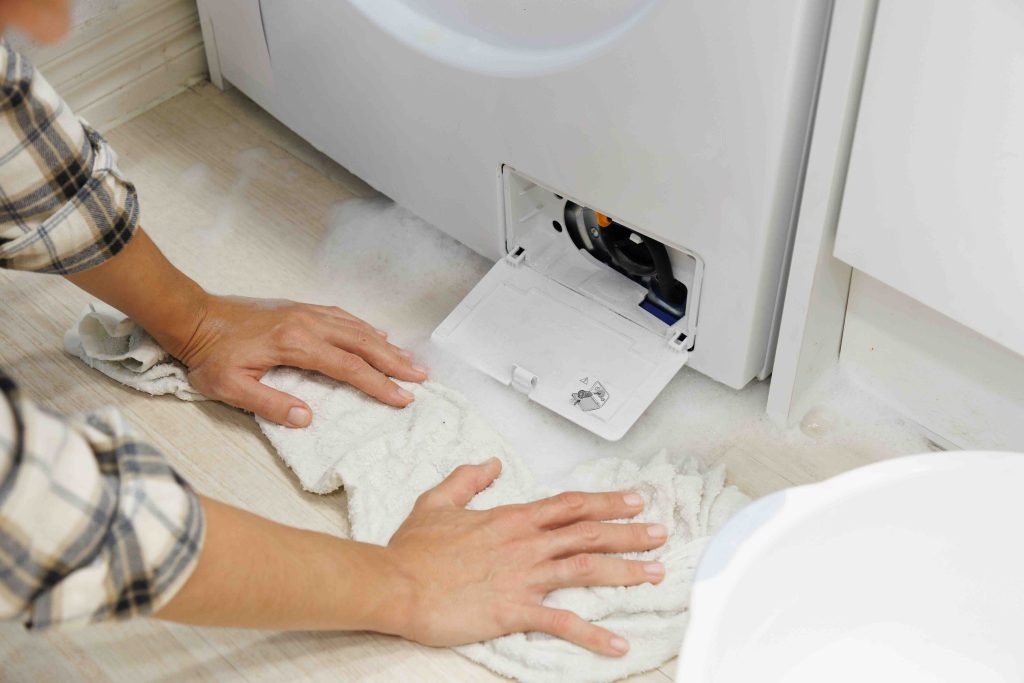
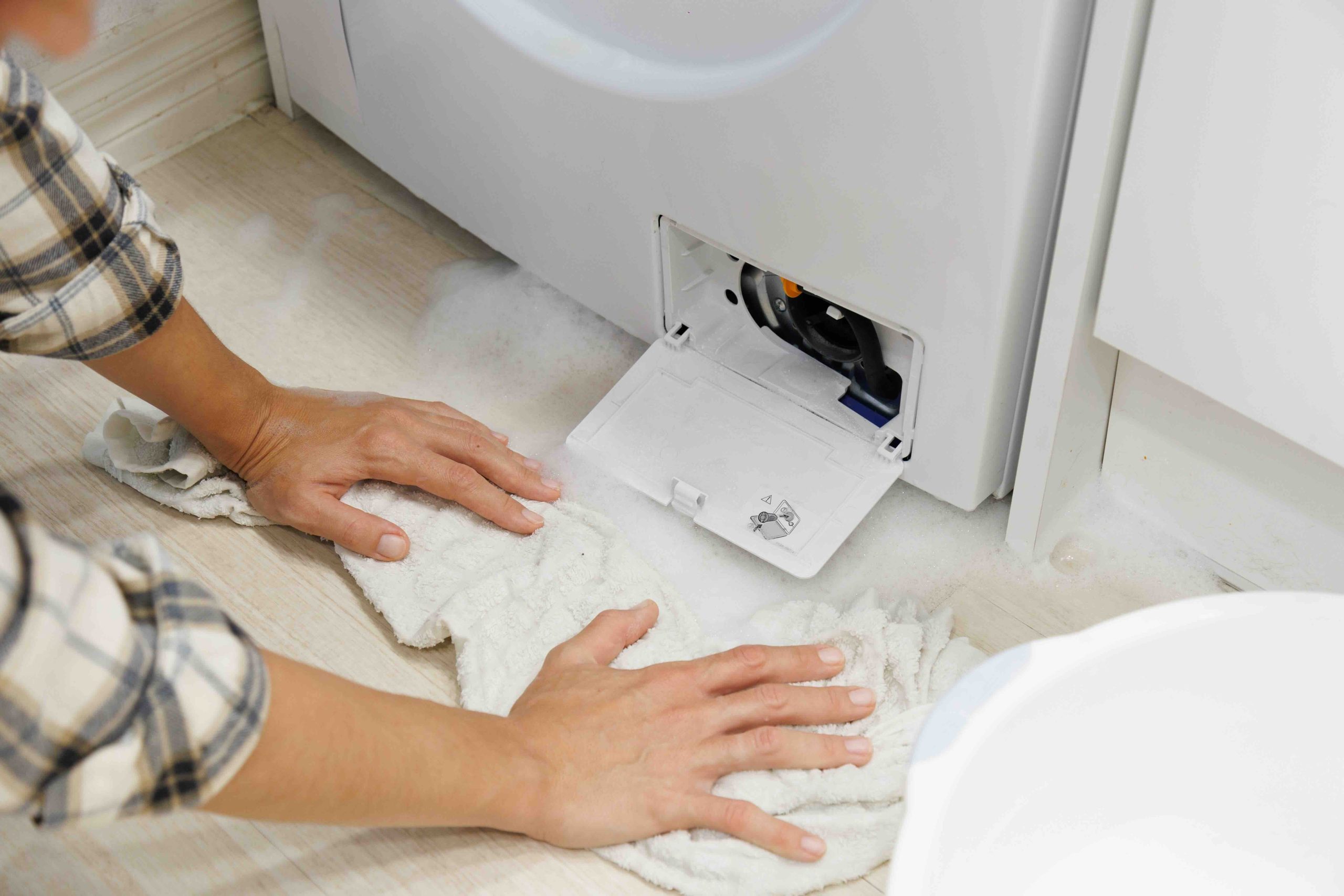
Most homeowners spend a lot of time thinking about their washing machine. The brand, the capacity, the cycle options. What they rarely think about is what sits underneath it. A washer floor pan, sometimes called a washing machine drain pan or laundry pan, is a shallow tray installed directly beneath your washing machine. Its entire job is to catch water before that water becomes your problem. Simple concept, significant purpose. If your washer ever leaks, overflows, or has a slow drip you did not notice for a week, that pan is the thing standing between you and a ruined subfloor, warped hardwood, or worse, a mold situation hiding inside your walls. Not a glamorous topic, but it is absolutely one worth understanding.
How a Washer Floor Pan Actually Works
The mechanics here are not complicated, which is part of the appeal. A washer floor pan is typically made from plastic, stainless steel, or galvanized steel. It sits flat on the floor, your washing machine sits inside it, and the pan’s raised edges form a shallow basin around the appliance. Most pans come with a pre-drilled hole or a fitting where you can connect a drain line. That drain line routes any collected water away, usually to a nearby floor drain or utility sink. If your laundry area does not have a drain nearby, the pan still works as a containment barrier. It will not hold water indefinitely, but it buys you time to catch a leak before significant damage spreads. Some homeowners also install a water sensor inside the pan that triggers an alert when moisture is detected. That upgrade adds a layer of awareness that makes the whole system considerably smarter.
The Case for Installing One in Your Home
Here is the honest truth: a washer floor pan is one of those home improvements that feels unnecessary right up until the moment it saves you thousands of dollars. Water damage from a washing machine leak is one of the more common homeowner insurance claims in the country, and the costs can stack up quickly once you factor in flooring replacement, subfloor repair, drywall remediation, and mold treatment. Installing a pan is inexpensive by comparison. Most pans cost between thirty and one hundred dollars depending on the material and size. Professional installation is straightforward. Even a basic plastic pan with no drain connection is better than nothing beneath a washing machine that runs multiple cycles per week. If your washer is located on an upper floor, the case for a floor pan becomes even more compelling. Water traveling down through a ceiling is a very different problem than water pooling on a first-floor laundry room tile.
Advantages of a Washer Floor Pan at a Glance
- Provides a physical barrier against water damage from leaks, overflow, or slow drips
- Can be connected to a drain line for continuous water removal
- Compatible with water leak sensors for smart home integration
- Inexpensive compared to the cost of repairing water-damaged floors or subfloors
- Particularly valuable in upstairs laundry rooms or finished spaces adjacent to living areas
- Easy to install during initial appliance setup or as a retrofit

Common Drawbacks Worth Knowing Before You Buy
No home product is without its limitations, and a washer floor pan is no exception. The biggest issue homeowners run into is sizing. Washing machines come in a range of dimensions, and not every pan fits every machine. A pan that is too small defeats the purpose, so measuring carefully before purchasing is essential. Beyond sizing, plastic pans can crack over time, especially in environments where temperatures fluctuate. A cracked pan that looks intact can give you a false sense of security. Stainless steel options tend to be more durable but come at a higher price point. Another consideration is drainage. If your pan has a drain line but it is not properly sloped or connected, water can still pool and sit, creating conditions that encourage mold growth inside the pan itself. The pan solves one problem but can introduce another if it is not installed and maintained correctly.
Choosing the Right Washer Pan for Your Setup
Selection comes down to three things: material, size, and drain configuration. Plastic pans are the most affordable and perfectly adequate for ground-floor installations where the risk of ceiling damage is not a factor. Stainless steel is the better choice for upstairs laundry rooms or anywhere durability is a priority. For size, measure the footprint of your washing machine and choose a pan with at least an inch of clearance on each side. A pan without a drain port is fine if you plan to monitor it manually or pair it with a sensor, but a drain-equipped model is the smarter long-term choice for most homes. If you are retrofitting a pan beneath an existing machine, be prepared to move the appliance out, place the pan, and reconnect the supply and drain lines. It is manageable as a weekend task, but not entirely effortless.
Maintenance Tips to Keep Your Pan Doing Its Job
Once installed, a washer floor pan is largely a background player in your home. But it does require occasional attention to stay effective. Check the pan every few months for standing water, debris buildup, or any visible cracks. If you have a drain line connected, make sure it is not blocked and that water flows freely. The area beneath and around the pan can collect lint and dust, which traps moisture and creates conditions where mold can take hold over time. A quick visual inspection during routine laundry room cleaning is usually enough to catch anything worth addressing. If you use a water sensor, test the battery and sensor function periodically. These sensors are inexpensive and easy to replace, but only useful if they are actually operational.
How a Washer Floor Pan Fits Into Your Broader Home Protection Strategy
A washer floor pan is a preventive measure, not a fix-all. It works best as one layer in a broader approach to protecting your home from appliance-related water damage. That broader approach includes inspecting washing machine hoses annually and replacing them every three to five years, ensuring the machine is level to prevent excessive vibration and stress on connections, and not overloading the machine in ways that push water beyond its drum. Knowing where your main water shutoff is located also matters. If a significant leak occurs, shutting off water quickly can limit the scope of damage dramatically. A pan buys time, but your awareness and response as a homeowner are what make the difference between a minor incident and a major repair bill.
Why Home Warranty Coverage Makes Sense for Your Washing Machine
Even the best preventive measures cannot eliminate every risk. Washing machines are mechanical systems with motors, pumps, hoses, and electronic controls, and all of those components are subject to wear over time. When something inside the machine fails, the repair or replacement cost can be significant. That is where a home warranty becomes relevant. Armadillo home warranty plans for washing machine and appliance coverage are built to give homeowners real financial protection against the unexpected breakdowns that happen even in well-maintained homes. Whether it is a failed pump, a motor issue, or an electronic control board that stops responding, having coverage means you are not absorbing that repair bill alone. If you want to understand what your protection options look like, get a free home warranty quote for washer and appliance protection and see what a plan could cover for your specific home. Pairing physical safeguards like a floor pan with financial coverage through a home warranty is simply the smarter way to manage the risks that come with owning and running a home.

Frequently Asked Questions About Washer Floor Pans
Answers to the questions homeowners ask most about washing machine drain pans, water protection, and what to expect when adding this layer of defense to your laundry room.
What is a washer floor pan used for?
A washer floor pan is designed to catch water that leaks or drips from a washing machine, preventing that water from damaging the floor, subfloor, or ceiling below. It serves as a containment barrier beneath the appliance.
Is a washer floor pan required by building code?
Requirements vary by location and construction type. Many building codes require a floor pan with a drain line when a washing machine is installed on an upper floor or in a finished living space. Check with your local building authority for the specific requirements in your area.
Can I install a washer floor pan myself?
Yes, many homeowners install floor pans without professional help, especially for new appliance installations. It involves moving the machine, placing the pan, and reconnecting hoses. If you need to connect a drain line, plumbing familiarity is helpful, though not always required.
What size washer pan do I need?
Measure the width and depth of your washing machine before purchasing a pan. Choose a pan that is slightly larger than the machine’s footprint to ensure adequate coverage. Standard pans are typically around 28 to 32 inches wide, but sizing varies by model.
Do washer floor pans work without a drain?
Yes. A pan without a drain connection still functions as a containment barrier. It will collect water from a slow leak and give you time to respond. The limitation is that without drainage, water will eventually fill the pan and overflow if the leak is not addressed promptly.
What material is best for a washer floor pan?
Stainless steel offers the best durability and is recommended for upstairs laundry rooms or high-use environments. Plastic pans are cost-effective and adequate for ground-level installations where long-term durability is less critical.
How do I know if my washer pan is working properly?
Check it visually every few months. Look for standing water, visible cracks, and make sure any connected drain line is clear and flowing. If you have a water sensor installed inside the pan, test it periodically to confirm it is functional.
Will a washer floor pan prevent all water damage?
No. A floor pan is a containment tool, not a complete solution. It is most effective against slow leaks and minor overflow. A major hose burst or catastrophic failure can overwhelm even a well-installed pan, which is why pairing it with shutoff awareness and a home warranty is the smarter approach.
Does a home warranty cover washing machine leaks?
Home warranty plans typically cover mechanical failures within the washing machine itself, such as a failed pump or motor. Water damage caused by a leak may fall under homeowners insurance rather than a warranty. Review your specific plan terms to understand what is and is not included.
How long do washer floor pans last?
Plastic pans can last ten years or more with proper care, though they are susceptible to cracking in temperature-variable environments. Stainless steel pans can last considerably longer. Regular inspection helps identify wear before it becomes a functional failure.