What Does It Really Cost to Install a Whole-Home Generator?
Power outages are one of those things that seem minor until they are not. A few hours without electricity is an inconvenience. A few days during a winter storm or hurricane season is a different situation entirely. That is why so many homeowners are turning to whole-home standby generators as a long-term solution. But before you commit, it is worth understanding what you are actually getting into, both in terms of how these systems work and what they cost to install. Generator installation is not a weekend project with a price tag you can ignore, and the numbers vary more than most people expect.
What Is a Whole-Home Standby Generator?
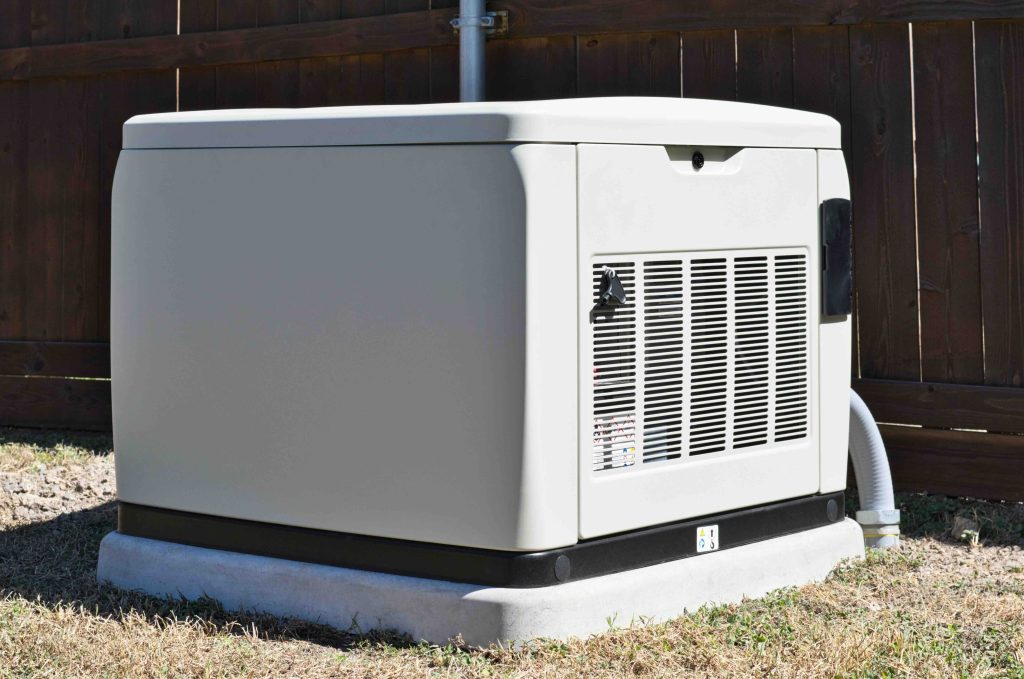
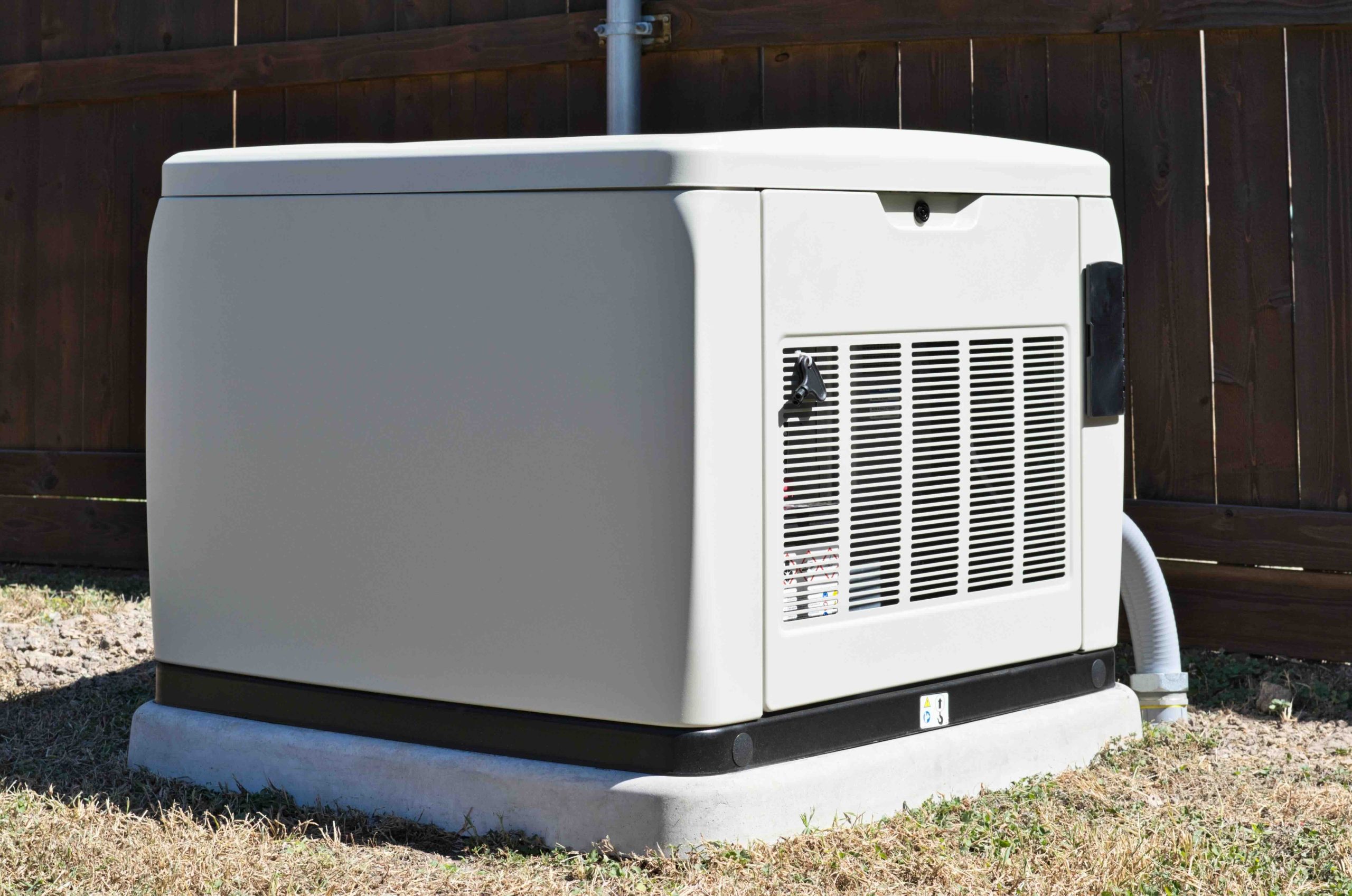
A whole-home standby generator is a permanently installed unit that automatically activates when your home loses utility power. Unlike portable generators, which you drag out of a garage and manually connect, a standby generator is wired directly into your home’s electrical system through a transfer switch. It typically runs on natural gas or propane, so there is no need to store fuel or refill a tank during an emergency. The moment the power goes out, the generator detects the interruption and kicks on within seconds. Your lights, HVAC system, refrigerator, and other critical systems keep running as if nothing happened.
How Does Generator Installation Actually Work?
The installation process involves several moving parts, which is part of why costs can climb quickly. A licensed electrician, often working alongside a plumber or gas line technician, is required for most installations. Here is a general breakdown of what the process involves:
- Selecting a location for the generator unit, typically outside the home on a concrete pad
- Pouring or placing that concrete pad to support the unit’s weight
- Running a gas line from your existing supply to the generator
- Installing a transfer switch that connects the generator to your electrical panel
- Pulling permits and scheduling inspections required by local municipalities
- Testing the full system before sign-off
Each of those steps adds time and labor cost. In some regions, permit fees alone can run several hundred dollars. This is not a simple plug-and-play appliance, it is a home infrastructure project.
Breaking Down the Generator Installation Cost
On average, homeowners spend between $3,000 and $6,000 for a complete whole-home standby generator installation, though costs can reach $10,000 or higher depending on the size of the home and local labor rates. The generator unit itself typically accounts for $1,500 to $5,000 of that budget, depending on the wattage capacity you select. A smaller home might run efficiently on a 10 to 14 kilowatt unit, while a larger home with central air conditioning and electric appliances may require 20 kilowatts or more. Labor costs for installation typically range from $1,000 to $3,000. Then factor in the concrete pad, gas line extension, transfer switch, and permits, and you can see how the final invoice grows. Regional pricing differences are also significant. Installation in a metro area with high labor costs will look very different from a rural market.

Key Advantages of Installing a Standby Generator
The benefits of a whole-home standby generator extend well beyond convenience. First, there is the safety factor. Outages that disable heating systems during extreme cold can create genuinely dangerous conditions, especially for elderly residents or households with medical equipment. A standby generator removes that risk. Second, there is the financial protection angle. Refrigerators and freezers full of food are an easy loss during a multi-day outage, often representing hundreds of dollars. A sump pump that cannot run during a storm can lead to basement flooding and far more expensive damage. Third, and this one surprises people, a whole-home generator can increase your property’s resale value. In markets prone to severe weather, buyers view it as a meaningful upgrade. Finally, the automation element is genuinely compelling. You do not have to be home for the generator to work. It responds on its own, every time.
Common Drawbacks You Should Know Before Buying
No home improvement is without its trade-offs, and generators are no exception. The upfront cost is the most obvious barrier. For many homeowners, spending $5,000 to $8,000 on something they may only need a handful of times per year is a tough sell. Beyond cost, generators require annual maintenance to stay reliable. Oil changes, air filter replacements, and periodic load testing are all part of the ownership experience. Neglecting maintenance is one of the fastest ways to find out your generator does not actually work when you need it most. There are also noise considerations. Standby generators are not silent, and depending on placement, they can be noticeable to neighbors. Local noise ordinances sometimes affect where and how units can be installed. Finally, propane-powered units require an on-site tank and periodic refills, which adds a logistics layer that natural gas units avoid.
Choosing the Right Generator Size for Your Home
Sizing matters more than most homeowners realize. An undersized generator will either fail to power your whole home or will struggle under the load, reducing its lifespan. An oversized unit means you overpaid. To determine the right size, start by identifying which systems you absolutely need to run during an outage. Central air conditioning and electric heat pumps are the biggest draws. After that, consider your well pump if applicable, your refrigerator, lighting, and any medical devices. A reputable installer will perform a load calculation before recommending a unit. Be cautious of anyone who skips that step and goes straight to a sales pitch on a specific model.
Permits, Codes, and What You Cannot Skip
Pulling permits is not optional, even though some contractors will suggest otherwise to reduce their own workload. Proper permits ensure the installation is inspected and meets local electrical and fire codes. Skipping permits can create problems when you sell your home, void the generator’s warranty, and in worst-case scenarios, create liability issues if the installation contributes to an accident. Always verify that your installer is licensed in your state and ask specifically whether permits are included in their quote. A trustworthy contractor will treat this as standard procedure, not an inconvenience.
Maintenance Tips to Protect Your Generator Investment
Once your generator is installed, protecting that investment comes down to consistent upkeep. Most manufacturers recommend a full service annually, which typically includes an oil and filter change, spark plug inspection, battery check, and a test run under load. Many standby generators perform automatic weekly self-tests, which is a helpful feature but not a substitute for professional servicing. Keep the area around the unit clear of debris, and never store anything against it. If your unit runs on propane, monitor tank levels before storm season, not during it. Scheduling your annual maintenance in late summer or early fall is a practical habit that keeps you prepared for winter and hurricane season simultaneously.
Why Armadillo Is the Right Partner for Generator-Ready Homeowners
Installing a generator is a smart investment in your home’s resilience, but it is only one piece of the larger picture. Your generator protects you from the grid going down, but what protects you when the generator’s components or your home’s covered systems break down unexpectedly? That is where Armadillo home warranty coverage for whole-home systems and appliances steps in. Armadillo offers straightforward, honest home warranty plans designed for homeowners who want real coverage without the frustrating fine print. From your HVAC system to your electrical panel, Armadillo covers the systems that keep your home functioning every day, not just during outages. If you are making a major investment in your home’s infrastructure, it makes sense to layer on protection that covers what a generator cannot. You can get a free home warranty quote for generator-owning homeowners in minutes and see exactly what a plan would look like for your home. No pressure, just clarity.

Frequently Asked Questions About Generator Installation Cost
What is the average cost to install a whole-home standby generator?
Most homeowners spend between $3,000 and $8,000 for a complete standby generator installation, including the unit, labor, transfer switch, concrete pad, gas line work, and permits. Larger homes or more powerful units can push that figure closer to $10,000 or beyond.
Does a home warranty cover standby generators?
Most standard home warranty plans do not cover standby generators as a built-in feature. Coverage varies by provider, so it is important to review your specific plan documents or speak with your provider to understand what is and is not included.
How long does generator installation take?
A typical whole-home standby generator installation takes one to two days for the primary work, though permit processing and inspections can extend the full timeline by several days to a couple of weeks depending on your local municipality.
Do I need a permit to install a standby generator?
Yes, in nearly all jurisdictions a permit is required for standby generator installation. This ensures the work is inspected and meets local electrical and building codes. Skipping this step can create serious issues when you sell your home or file a warranty claim.
How much does it cost to run a standby generator on natural gas?
A typical 20-kilowatt natural gas generator can consume roughly 200 cubic feet of gas per hour under full load. Depending on your local gas rates, that translates to approximately $2 to $4 per hour of operation, though actual costs vary significantly by region and load level.
Can I install a standby generator myself to save money?
Generator installation involves gas line work, electrical panel connections, and permit requirements that legally require licensed professionals in most states. Attempting a DIY installation can void the manufacturer’s warranty, create safety hazards, and result in failed inspections.
How often does a standby generator need maintenance?
Most manufacturers recommend annual professional servicing, which includes oil and filter changes, spark plug inspection, battery testing, and a load test. Units that are exercised frequently or run during extended outages may need more frequent service intervals.
What size generator do I need for a 2,000 square foot home?
Home size alone does not determine generator size. The right capacity depends on which systems you want powered, with central air conditioning being the largest draw. A 2,000 square foot home with central air typically requires a 14 to 20 kilowatt unit, but a professional load calculation is the most reliable way to determine this.
Does adding a standby generator increase home value?
In many markets, particularly those prone to severe weather or frequent outages, a standby generator can add meaningful resale value. Some estimates suggest a properly installed unit can return 50 to 150 percent of its cost at the time of sale, though this varies significantly by location and buyer demand.
What is the difference between a standby generator and a portable generator?
A standby generator is permanently installed, automatically activates during an outage, and connects directly to your home’s electrical panel. A portable generator must be manually set up, uses stored fuel that requires refilling, and can only power select appliances through extension cords or a manual transfer switch.