What Is a Main Drain and Why Does It Matter So Much?
Your home has a lot of systems working quietly in the background, and the main drain is one of the most important ones most homeowners rarely think about until something goes wrong. The main drain, sometimes called the main sewer line or main drain line, is the single pipe that collects all the wastewater from every sink, toilet, shower, and appliance in your home and sends it out to either the municipal sewer system or a private septic tank. Every bit of water that leaves your home passes through this one pipe. That makes it a critical piece of infrastructure, and it also makes it a single point of failure when problems develop.
How the Main Drain Line Actually Works
The main drain line runs beneath your home, typically under the slab or through the crawl space, and exits through the foundation. From there, it travels underground to connect with the city sewer lateral or a septic system. Gravity does most of the heavy lifting here. Wastewater flows downhill along a calculated slope, which is why proper installation and pipe integrity matter so much over time. Inside the home, smaller branch drain lines from individual fixtures feed into larger drain pipes, which eventually converge at the main line. Think of it like a river system where smaller tributaries keep feeding into one central waterway. When that central waterway is compromised, the whole drainage system backs up.
Why Main Drains Get Clogged in the First Place
Main drain clogs do not typically happen overnight. They build up gradually, which is part of what makes them easy to ignore until the situation becomes urgent. There are several common culprits worth knowing about:
- Tree root intrusion, which is one of the leading causes of main line blockages in older neighborhoods with mature landscaping
- Grease and fat buildup from years of kitchen drain use
- Flushed items that should never have been flushed, including so-called flushable wipes
- Deteriorated or collapsed pipe sections in older cast iron or clay sewer lines
- Mineral scale accumulation over time, especially in areas with hard water
When any of these issues develop far enough down the line, the problem is no longer isolated to one fixture. Multiple drains in the home start backing up simultaneously. Toilets gurgle when you run the washing machine. Water comes up through the floor drain in the basement. These are signs the main line is involved, not just a secondary branch drain.
How to Snake a Main Drain: The Step-by-Step Process
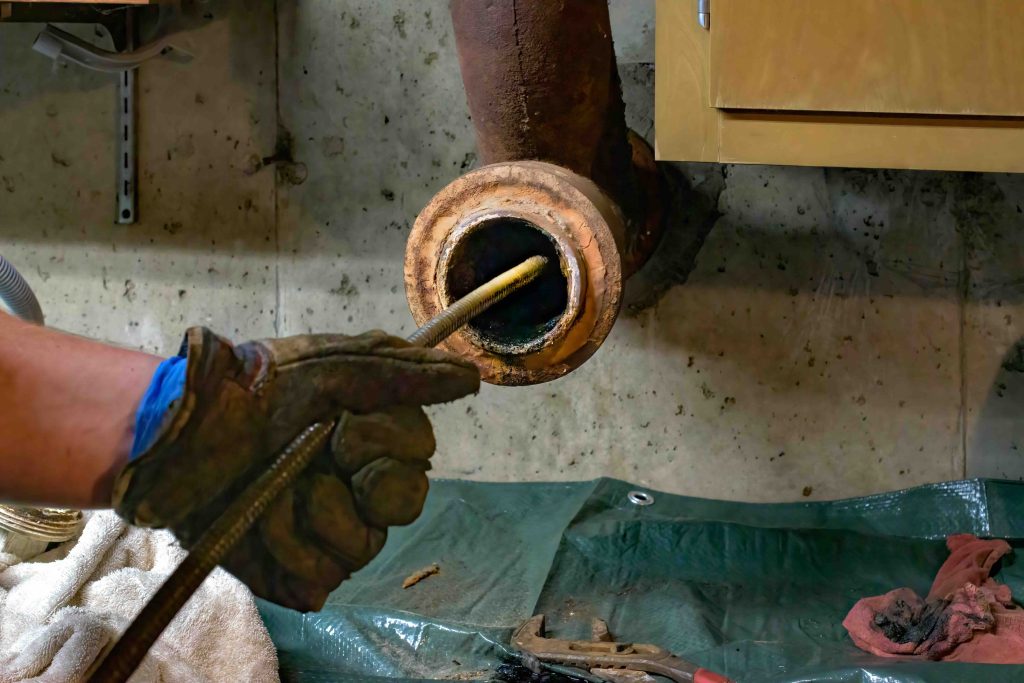
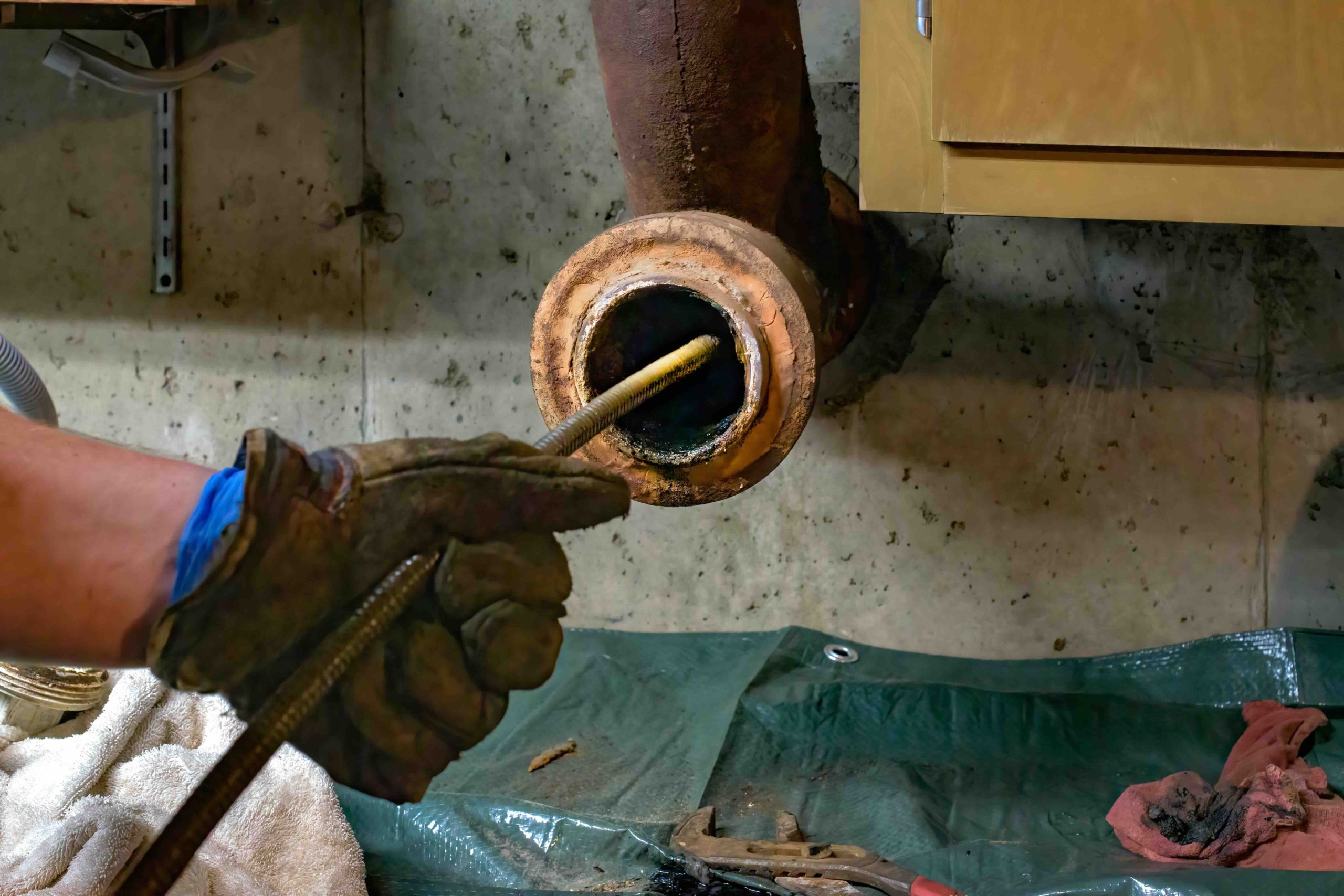
Snaking a main drain is a specific process that differs from clearing a simple sink clog. It requires a professional-grade drain snake, often called a sewer auger or drum auger, which is a motorized tool with a long, flexible cable that can travel deep into the pipe. The process generally starts at the main cleanout, a capped pipe access point usually located in the basement, crawlspace, utility room, or exterior of the home. The technician removes the cleanout cap carefully to release any built-up pressure, then feeds the auger cable into the pipe. As the cable advances, the rotating head at the tip breaks through the obstruction, whether that is a grease blockage, root mass, or debris accumulation. The cable is then withdrawn, often pulling material back out with it. In many cases, this process is repeated multiple times until water flows freely through the line. After snaking, a professional will often recommend a camera inspection to confirm the blockage is fully cleared and to check for any pipe damage that contributed to the problem.
What a Homeowner Should and Should Not Do
Homeowners can handle minor clogs in individual fixture drains using a small hand auger or plunger. However, snaking a main drain is generally not a DIY job. The equipment is heavy, the cable can cause injury if handled incorrectly, and improper technique can actually damage older pipes. Beyond that, accessing the cleanout incorrectly when there is significant backpressure can result in sewage discharge that creates a serious mess and a health hazard. The right move when multiple drains are backing up or there are signs of a main line clog is to call a licensed plumber. Attempting to shortcut this particular problem almost always ends up costing more in the long run.
Key Advantages of Addressing Main Drain Issues Early
Catching a main drain problem before it becomes a full blockage or pipe failure is a significant financial advantage. A routine snaking service is far less expensive than emergency service calls, pipe repairs, or in severe cases, full sewer line replacement. Addressing the issue early also protects the rest of the home. A backed-up main line can push sewage back into the home through floor drains and lower-level fixtures, leading to water damage, mold, and serious sanitation concerns. Regular maintenance and early intervention are genuinely worth the investment.

Common Drawbacks and Limitations of Drain Snaking
Snaking is effective, but it is not a permanent solution in every scenario. If tree roots are the cause of the blockage, they will grow back. If the pipe itself is cracked, corroded, or has bellied sections where water pools rather than drains, snaking will clear the immediate clog but will not fix the underlying structural issue. In those situations, more involved repairs such as pipe lining, pipe bursting, or full replacement become necessary. It is also worth noting that older homes with clay tile sewer lines are particularly vulnerable to recurring issues after snaking, because those pipe materials degrade over decades and are more susceptible to root invasion and joint separation.
How Often Should the Main Drain Be Maintained?
Most plumbing professionals recommend having the main sewer line inspected and cleaned every one to two years as a preventive measure, particularly in homes over 20 years old, homes surrounded by large trees, or homes that have had prior main line issues. Newer homes with PVC sewer lines and minimal mature landscaping may be able to stretch that interval further. A camera inspection every few years is also a smart investment for older homes, giving you a clear picture of what the pipe actually looks like inside and whether any structural concerns are developing before they become emergencies.
Signs Your Main Drain Needs Attention Right Now
There are specific warning signs that indicate it is time to stop waiting and call a plumber. Recognizing them early can be the difference between a manageable service call and a costly emergency:
- Multiple drains in the home are slow or completely backed up at the same time
- Toilets gurgle or bubble when another fixture drains
- Water backs up into the tub or shower when the toilet is flushed
- There is a persistent sewage smell inside the home or near the foundation
- The basement floor drain is pushing water up rather than draining it away
Any one of these symptoms warrants immediate attention. All of them together means the main drain is already significantly compromised and needs professional service without delay.
Why Armadillo Is the Smart Choice for Main Drain and Plumbing Protection
Main drain issues are one of those home problems that feel completely out of nowhere but are actually predictable given enough time. Every home with a plumbing system is eventually going to deal with drain wear, blockage, or pipe degradation. That reality is exactly why having the right home warranty coverage matters. Armadillo home warranty plans built for real homeowners are designed with exactly these kinds of systems in mind, offering coverage that actually addresses the plumbing failures homeowners experience in everyday life. When your main drain backs up and you need a professional on-site fast, the last thing you want to be doing is scrambling to figure out who covers what. With Armadillo, that clarity is already built in. If you are ready to stop leaving one of your home’s most critical systems unprotected, take two minutes and get a free home warranty quote that covers your main drain and plumbing system before the next clog turns into a real problem.

Frequently Asked Questions About Snaking a Main Drain
Here are answers to the questions homeowners ask most often about main drain cleaning, maintenance, and what to expect from the process.
What is the difference between snaking a drain and hydro jetting?
Snaking uses a rotating cable to physically break through or pull out a blockage, while hydro jetting uses high-pressure water to scour the interior walls of the pipe clean. Snaking is faster and less expensive, while hydro jetting is more thorough and better suited for grease-heavy buildup or recurring clogs.
How long does it take to snake a main drain?
A standard main drain snaking typically takes between one and two hours depending on the severity and location of the blockage and whether complications arise during the process.
Can I snake my main drain myself?
While consumer-grade drain snakes exist, main drain snaking requires professional-grade motorized equipment and proper technique. Attempting it without experience can damage pipes or result in sewage backflow, so hiring a licensed plumber is the recommended approach.
How much does it cost to snake a main drain?
Professional main drain snaking typically costs between $150 and $500 depending on location, accessibility, and the severity of the blockage. Emergency or after-hours service calls will generally cost more.
What causes main drains to clog repeatedly?
Recurring main drain clogs are most commonly caused by tree root intrusion, pipe deterioration, or persistent habits like flushing non-degradable items. A camera inspection can identify the root cause so the right long-term solution can be applied.
Where is the main drain cleanout located?
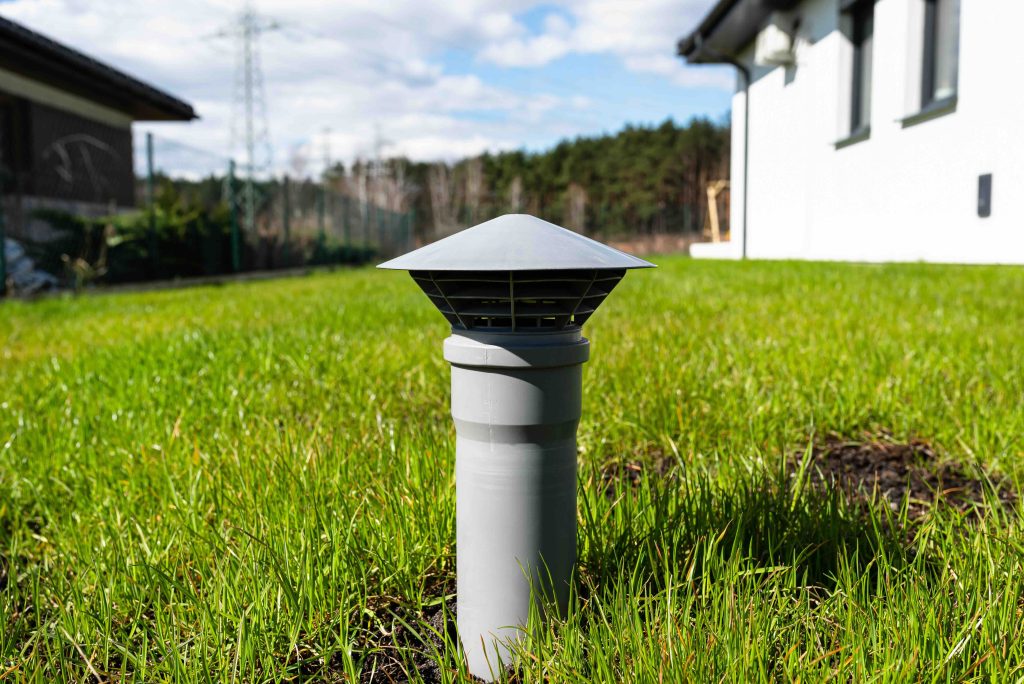
The main cleanout is typically found in the basement, crawl space, utility room, or along the exterior of the home near the foundation. It looks like a capped pipe, often made of white PVC or older black ABS plastic.
Does a home warranty cover main drain snaking?
Coverage varies by provider and plan. Many home warranty plans include coverage for plumbing stoppages and main drain blockages, but it is important to review the specific terms of your policy to understand what is and is not included.
How do I know if my main drain is blocked versus a secondary drain?
If only one fixture is draining slowly, the issue is likely a secondary branch drain. When multiple fixtures throughout the home are affected at the same time, or when using one fixture causes backup at another, the main line is the more likely source of the problem.
Can tree roots permanently damage a main drain line?
Yes. Over time, tree root intrusion can crack, collapse, or completely destroy pipe sections. Snaking can remove roots temporarily, but if root intrusion is severe, pipe repair or replacement may be the only permanent solution.
What happens if a main drain blockage is left untreated?
An untreated main drain blockage will eventually cause sewage to back up into the home through floor drains and lower fixtures. This can result in significant water damage, mold growth, and serious health and sanitation risks that are far more expensive to address than the original plumbing service would have been.