What Is a Septic Tank Vent Pipe and Why Does Your Home Have One?
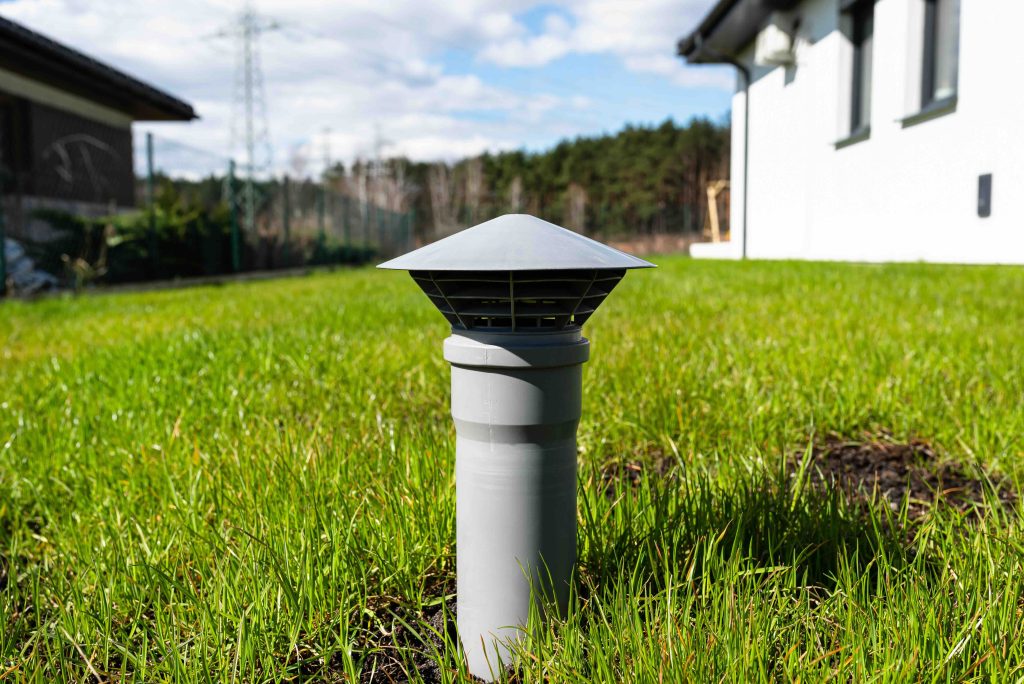
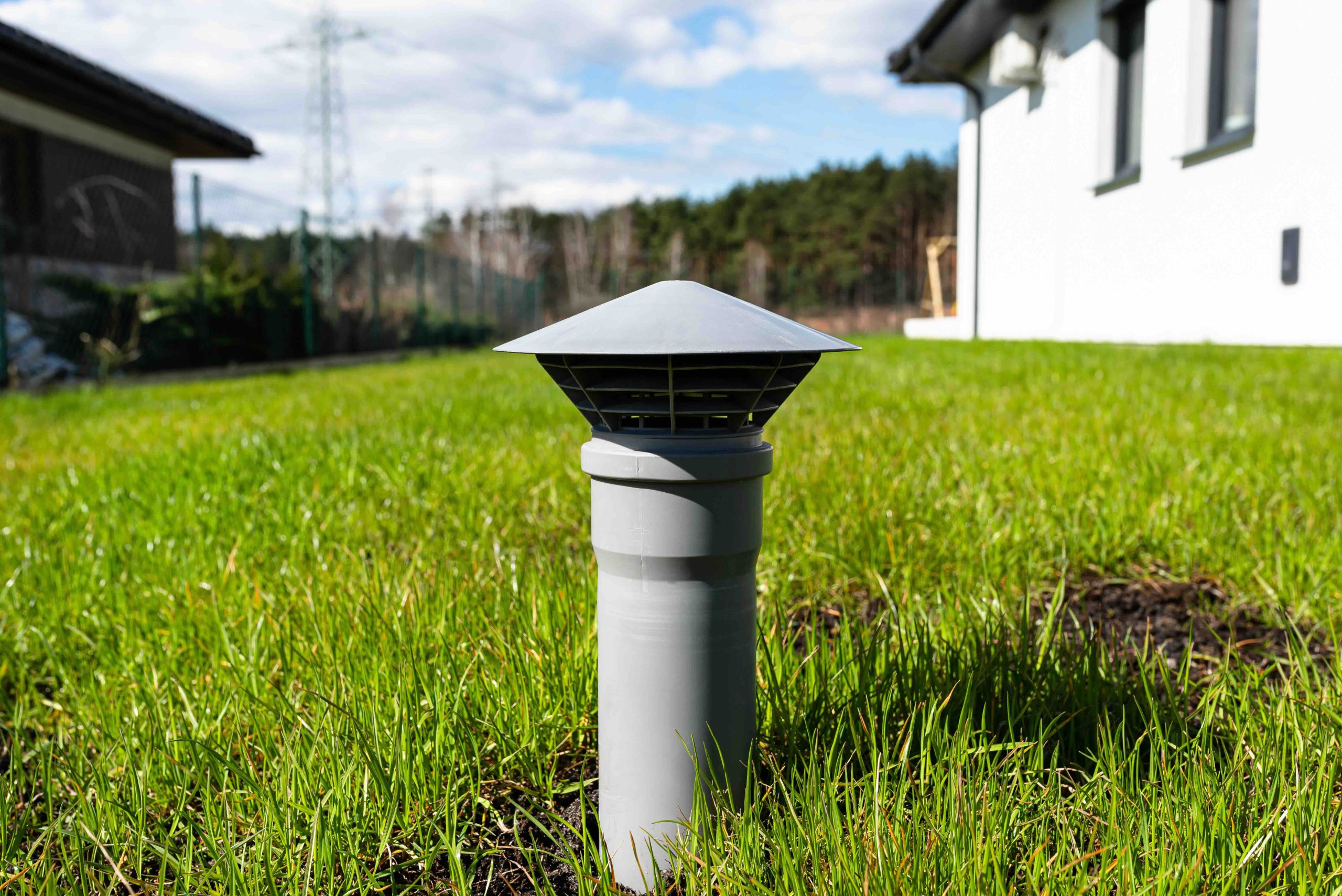
If you have a septic system on your property, there is a good chance you have noticed a pipe sticking out of the ground somewhere in your yard. That pipe is not a mistake or leftover from a construction project. It is a septic tank vent pipe, and it plays a critical role in how your entire waste management system functions. Most homeowners overlook it entirely until something goes wrong, and by then, the situation is rarely pleasant. Understanding what this component does, how it works, and what can go wrong with it puts you in a much better position to protect your home and your investment.
How a Septic Tank Vent Pipe Actually Works
The septic tank vent pipe is a vertical pipe that connects your septic tank to the outside air. Its primary job is to release gases that naturally build up inside the tank as organic waste breaks down. Those gases, primarily hydrogen sulfide, methane, and carbon dioxide, need somewhere to go. Without a proper venting mechanism, pressure accumulates inside the tank and the connecting drain lines, which can cause a cascade of problems throughout your plumbing system. The vent pipe provides a consistent escape route for those gases, allowing the system to maintain balanced pressure. Some properties also have roof-mounted venting that connects through the home’s plumbing stack, which works in tandem with the ground-level vent to keep air moving through the system properly.
The Key Advantages of a Properly Functioning Vent Pipe
When the vent pipe is working as it should, you barely notice it exists. That invisibility is actually the whole point. Here is what a functioning septic tank vent pipe delivers for your home:
- Prevents sewer gas from backing up into your living space through drains and fixtures
- Reduces unpleasant odors around the yard and near plumbing fixtures indoors
- Maintains proper pressure balance across the entire septic and drain system
- Extends the operational lifespan of the septic tank by reducing stress on the system
- Supports the aerobic and anaerobic bacterial activity that breaks down waste inside the tank
Each of those benefits compounds over time. A well-vented system runs more efficiently, requires fewer emergency service calls, and puts less strain on the drain field. That is not a trivial thing when you consider that replacing a drain field can cost tens of thousands of dollars.
Common Problems That Affect Septic Vent Pipes
The vent pipe sits outside, often partially buried, and exposed to the elements year-round. That exposure creates predictable vulnerabilities. Blockages are the most common issue, and they tend to come from one of several sources: bird nests, insect activity, debris accumulation, or in colder climates, frost and ice buildup that seals the pipe opening during winter months. A blocked vent pipe causes pressure imbalances that translate into slow-draining sinks, gurgling sounds from toilets, and in worst cases, sewer gas odors inside the home. Beyond blockages, the pipe itself can crack, corrode, or become disconnected from the tank over time, particularly if the soil around it has shifted or settled. Root intrusion from nearby trees is another sneaky culprit that homeowners rarely suspect until a camera inspection reveals the problem.

Warning Signs That Your Vent Pipe May Be Failing
Your home gives signals when the septic vent system is struggling, and catching those signals early makes a significant difference in repair costs. A persistent sewage smell near your yard or inside your bathrooms is usually the first indicator most homeowners notice. Gurgling or bubbling sounds coming from drains or toilets after flushing suggest that trapped gases are finding alternate escape routes, which points directly to a pressure issue in the vent system. Slow drains across multiple fixtures simultaneously, rather than a single isolated clog, also suggest a systemic venting problem rather than a standard blockage. If you notice any of these signs, scheduling an inspection sooner rather than later is the right move.
Maintenance Practices That Keep the Vent Pipe Performing Well
Maintaining a septic vent pipe does not require specialized knowledge, but it does require consistency. Visual inspections of the pipe opening a few times per year help catch debris accumulation before it becomes a full blockage. Installing a mesh vent cap keeps birds and insects from turning the pipe into a nesting spot without significantly restricting airflow. In cold climates, checking the pipe opening after ice storms or heavy snowfall is a smart seasonal habit. Keeping trees and large shrubs a reasonable distance from the septic tank area reduces the risk of root intrusion over time. When you schedule your routine septic tank pumping every three to five years, ask the technician to inspect the vent pipe connection at the tank level as part of the service.
Septic Vent Pipes Versus Roof Stack Vents: Understanding the Relationship
Homeowners sometimes confuse the septic tank vent pipe with the plumbing vent stacks that exit through the roof of the house. These are related but distinct components. The roof stack vent serves the interior drain-waste-vent system and allows air into the plumbing lines so that water flows freely through them. The ground-level septic vent pipe serves the tank itself, releasing gases that accumulate in the buried tank. In a properly designed system, both work together. When either one malfunctions, the symptoms can overlap, which is why a professional diagnosis is often more effective than guessing which component is at fault. Understanding that both exist and serve connected functions helps you have more informed conversations with service technicians.
What Repairs Typically Cost and What to Expect
Repair costs for septic vent pipe issues vary based on the nature of the problem. Clearing a blocked vent pipe opening is often a straightforward job that a homeowner can handle personally or that a technician can address quickly. More involved repairs, such as replacing a cracked or corroded section of the pipe, resealing the connection at the tank, or addressing root intrusion, run anywhere from a few hundred dollars into the low thousands depending on labor rates in your area and the extent of the damage. Repairs that require excavation to access the buried portion of the pipe will naturally carry higher costs. This is the part where having a home warranty that covers septic system components becomes a genuinely useful financial buffer.
How Septic System Coverage Works With a Home Warranty
Septic system components, including vent pipes, are not universally covered under standard home warranty plans, but many providers offer septic coverage as an add-on or include it within higher-tier plans. The specifics matter enormously. Some plans cover the mechanical components of the septic system but exclude physical pipe damage caused by root intrusion or soil movement. Others cover a broader range of failures as long as the issue stems from normal wear and use rather than neglect. Reading the coverage details carefully before a problem arises is the kind of preparation that separates homeowners who are pleasantly surprised during a claim from those who are not. Knowing what your plan does and does not cover lets you make informed maintenance decisions throughout the year.

Why Armadillo Is Worth Your Attention as a Septic System Homeowner
Owning a home with a septic system means carrying a unique set of responsibilities that homeowners on municipal sewer lines simply do not face. When something goes wrong underground, it tends to go wrong in a way that is expensive, inconvenient, and difficult to anticipate. That is exactly the kind of situation a well-structured home warranty is designed to address. Armadillo approaches home warranty coverage with a level of clarity and straightforwardness that homeowners with septic systems genuinely need. If you are looking for a home warranty provider that understands the full scope of what it means to maintain a home, Armadillo home warranty coverage for septic system homeowners is built with that complexity in mind. The plans are transparent, the service is responsive, and the value holds up when you actually need it. Taking a few minutes to get a personalized home warranty quote that includes septic system protection is one of the more practical things a homeowner with an onsite waste system can do this year.
Frequently Asked Questions About Septic Tank Vent Pipes
These are the questions homeowners most commonly ask when learning about septic vent pipes and how they affect their home’s waste management system.
What does a septic tank vent pipe look like?
It is typically a vertical pipe, often white or gray PVC, that protrudes several inches to a few feet above the ground near the septic tank location. It may have a cap or screen on the top opening to prevent debris and animal entry.
Is it normal to smell septic odor near the vent pipe?
A faint odor near the vent pipe opening outdoors can be normal since the pipe is actively releasing gases from the tank. A strong, persistent smell indoors or in living areas is not normal and warrants immediate inspection.
How often should a septic vent pipe be inspected?
Visually checking the pipe opening a few times per year is a reasonable practice. A more thorough inspection of the pipe connection at the tank level should be part of every professional septic pumping service, which typically occurs every three to five years.
Can a blocked vent pipe damage my septic tank?
Yes. A persistent blockage creates pressure imbalances that strain the tank and the associated drain lines. Over time, that added stress can contribute to premature component failure and may affect drain field performance.
What causes a septic vent pipe to become blocked?
Common causes include bird nests, wasp or insect activity, accumulated debris from nearby trees, and ice formation during cold weather. Root intrusion into buried sections of the pipe is also a documented cause of partial and full blockages.
Can I clear a blocked septic vent pipe myself?
If the blockage is at the surface opening and is caused by visible debris, clearing it yourself is generally manageable. Blockages deeper in the pipe or at the tank connection point are better addressed by a licensed septic technician with the proper equipment.
Does a home warranty cover septic vent pipe repairs?
Coverage varies significantly by provider and plan. Some home warranties include septic system components as part of broader plumbing coverage or as an optional add-on. Reviewing your specific plan terms before a problem arises is always the recommended approach.
How does the septic vent pipe connect to my indoor plumbing?
The septic vent pipe connects directly to the tank and vents gases from it. Your indoor plumbing system has its own vent stack that exits through the roof. The two systems work in coordination to maintain pressure balance across the entire drain and waste system.
What happens if a septic vent pipe is missing or removed?
Without a functional vent pipe, gases have no designated escape route. This leads to pressure buildup inside the tank, which can cause sewer gases to back up through interior drains, produce foul odors throughout the home, and create slow or malfunctioning drain performance across multiple fixtures.
How long does a septic vent pipe typically last?
PVC vent pipes are durable and can last several decades under normal conditions. However, soil movement, root pressure, freeze-thaw cycles, and physical damage from yard equipment or landscaping can shorten the lifespan of the pipe or its connections significantly.