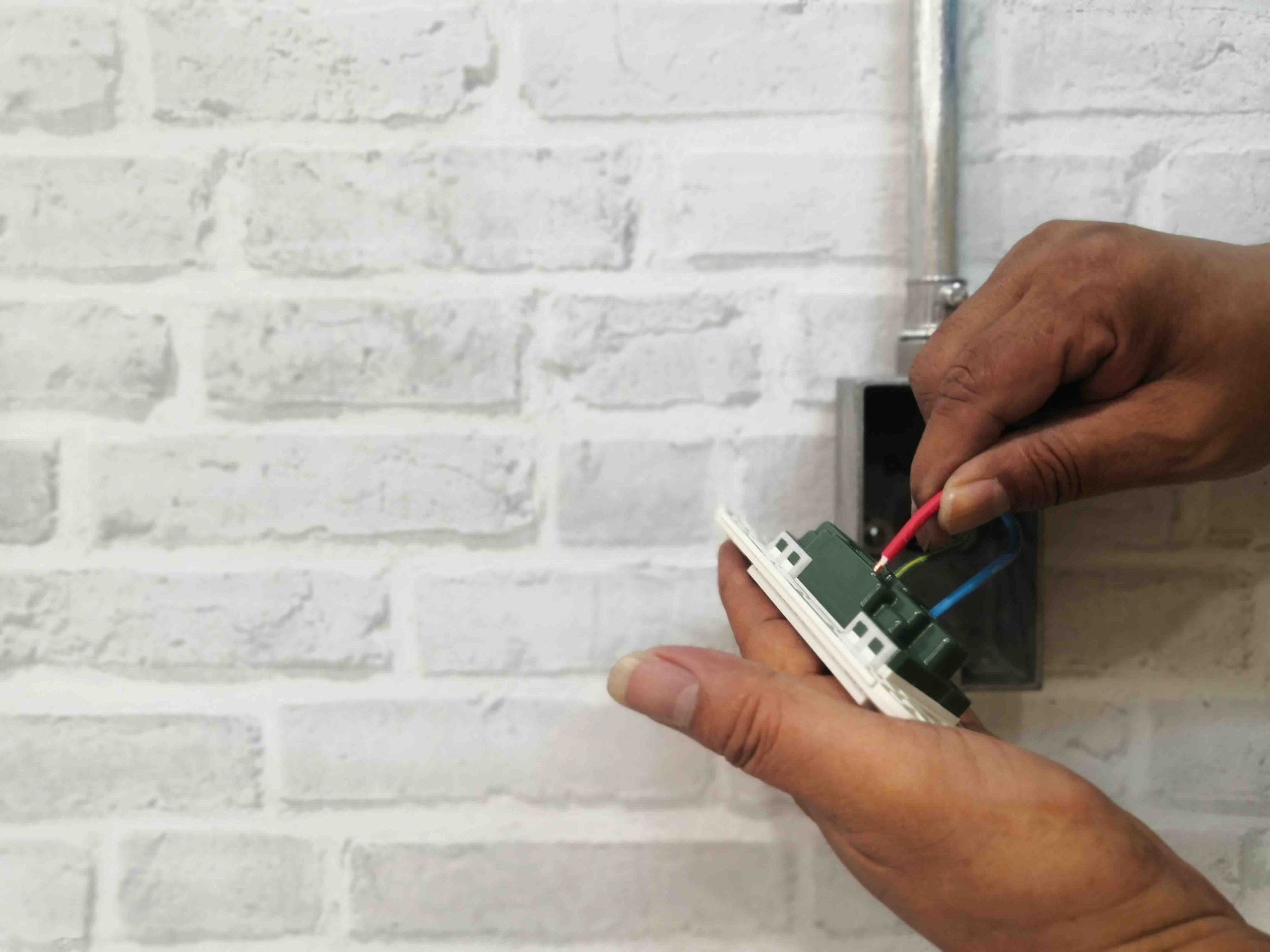
What It Means to Wire a Switch to a Receptacle in Your Home
Most homeowners have walked into a room and flipped a switch expecting a lamp to turn on, not an overhead light. That is actually a switched outlet in action, and it is more common than you might think. Wiring a switch to a receptacle means connecting a wall switch so that it controls power to an electrical outlet, rather than a ceiling light or fan. It is a practical setup often used in living rooms, bedrooms, and finished basements where hardwired overhead lighting was never installed. The concept sounds simple enough, but the wiring involved touches on some fundamentals of residential electrical systems that every homeowner should at least understand, even if they never plan to pick up a wire stripper themselves.
How a Switched Outlet Actually Works
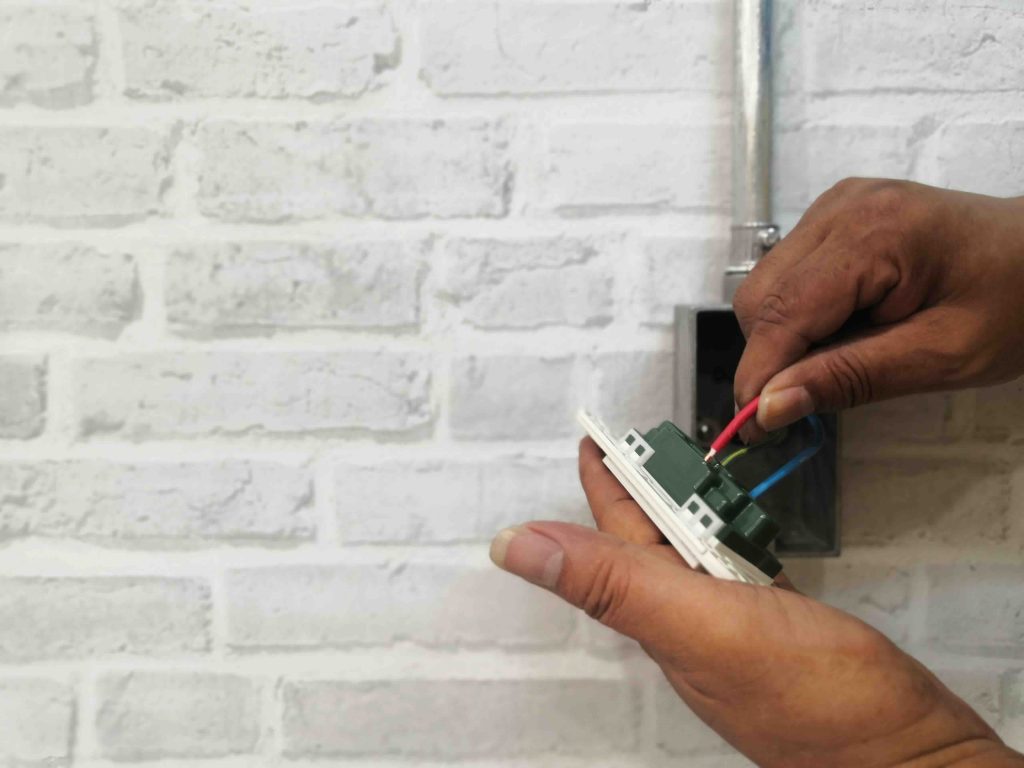
Here is the basic idea. Your home’s electrical system runs power through a series of circuits, each one carrying current from your main panel to the devices and outlets throughout your home. When you wire a switch to a receptacle, you are essentially interrupting the hot wire, which is the wire carrying live current, before it reaches the outlet. The switch sits in that path. When the switch is open, the circuit is broken and no power reaches the outlet. When it is closed, power flows through and the outlet becomes active. The neutral wire bypasses the switch entirely and connects straight to the outlet. The ground wire, often bare copper or green, attaches to both the switch and the outlet to provide a safe path for fault current. It is a tidy little system when done correctly, and it really does make a difference in how usable a room feels day to day.
The Role of the Ground Wire and Why It Matters
Grounding is one of those topics that gets glossed over in casual home improvement conversations, but it is genuinely important. A grounded outlet has three slots: the two vertical ones for hot and neutral, and that rounded slot at the bottom for the ground. The ground wire does not carry current under normal operating conditions. Its job is to provide a controlled path for electricity in the event of a fault, like if a wire comes loose and touches the metal housing of a device. Without proper grounding, that fault current has nowhere to go except through whatever is in the way, including a person. When wiring a switch to a grounded receptacle, making sure every ground connection is secure is not optional. It is the difference between a safe installation and a hazardous one.

Key Advantages of a Switch-Controlled Outlet
There are some genuinely useful reasons why this wiring configuration exists and why homeowners request it fairly often. Understanding the benefits helps you decide if it makes sense for a space you are trying to improve.
- Convenience in rooms without ceiling fixtures, where a switched outlet lets you control lamps from the doorway
- Energy management, since you can cut power to a specific outlet rather than leaving devices in standby mode
- Clean aesthetics, because it removes the need for visible power strips or extension cords running to lamps
- Better resale appeal in older homes where ceiling lighting retrofits would be disruptive or expensive
- Flexibility for seasonal decor, like holiday lights that you can toggle without crawling behind furniture
Common Drawbacks and Limitations to Know
No wiring configuration is perfect for every situation, and switched outlets come with their own set of trade-offs. The biggest one is that only half the outlet is typically switched in many installations. That means one plug is always live while the other is controlled by the switch. This is intentional in a lot of cases, but it can also cause confusion if you are not sure which side is which. Additionally, the wiring process requires working inside electrical boxes and handling live circuits, which means this is not a casual weekend project for someone without electrical experience. Permit requirements also vary by municipality, so what is acceptable in one city might require a licensed electrician and an inspection in another. And if your home has older wiring, like aluminum wiring or knob-and-tube, adding a switch-controlled outlet becomes significantly more complicated and potentially unsafe without professional assessment.
Half-Hot Outlets Versus Fully Switched Outlets
It is worth pausing on the distinction between a half-hot outlet and a fully switched outlet, because they function quite differently. A half-hot outlet, sometimes called a split-tab outlet, has the metal tab between the two hot terminals broken, which allows each plug to be wired independently. The bottom plug might be always on while the top plug is switch-controlled. A fully switched outlet, on the other hand, means both plugs lose power when the switch is off. The right choice depends on how you use the space. If you have a clock, phone charger, or any device that should stay powered regardless, a half-hot setup makes more sense. If the outlet is purely for a lamp or a decorative item you want to cut off entirely, a fully switched outlet keeps things simpler.
What Homeowners Should Know Before Attempting This Project
If you are considering this as a DIY project, there are a few things worth knowing before you start. Always turn off the circuit breaker that controls the outlet you are working on, and verify it is actually off using a non-contact voltage tester before touching anything. Understand that electrical boxes can be crowded, and adding switch wiring to an existing outlet sometimes means pulling new wire from the panel or another junction point, which is a more involved task than just rearranging connections inside a single box. Some installations require a three-wire cable with a separate traveler wire, while others can use existing two-wire cable depending on how the switch is positioned relative to the outlet. If any of this feels unclear, that is useful information. It probably means the job is better handled by a licensed electrician who can pull the right permits and ensure the work meets local code.
How This Connects to Your Home Warranty Coverage
Here is where things get interesting from a home warranty perspective. Electrical systems are often included in home warranty coverage, but the details matter a lot. Most home warranty plans cover the wiring, panels, and components that were part of the original home system, meaning professionally installed and up to code at the time of service. Work that was done improperly or without permits can complicate claims significantly. If a switched outlet was wired incorrectly and it causes a tripped breaker, a damaged appliance, or an outlet failure, the outcome of a warranty claim may hinge on whether the installation was done to code. This is one of the quieter reasons why electrical work done right the first time has long-term value well beyond the initial convenience of a working switch.
Why Armadillo Is the Right Partner for Homeowners Who Care About Their Electrical Systems
Understanding how your home works is genuinely empowering, and it also highlights just how much is quietly running behind your walls every single day. Electrical systems are complex, and even something as straightforward as wiring a switch to a receptacle can reveal just how interconnected everything is. That is exactly why having a home warranty that covers your electrical system is worth thinking about seriously. Armadillo home warranty plans built for modern homeowners are designed with the kind of coverage that actually makes sense for how people live, not just a checklist of components that rarely fail. When something does go wrong with your wiring, outlets, or electrical panel, you want a plan that responds quickly and clearly, not one that requires you to argue over what is covered. If you are ready to protect your home with confidence, take a few minutes to get a personalized home warranty quote for your electrical system and more. It takes less time than you think and covers a lot more than you might expect.

Frequently Asked Questions About Wiring a Switch to a Receptacle
Here are answers to the questions homeowners ask most often about switch-controlled outlets, grounding, and what it all means for your home.
Can I wire a switch to control an existing outlet without running new wire?
It depends on the layout of your electrical system and where the switch will be located. In some cases, you can tap into existing wiring, but many installations require running new cable from the outlet to the switch location, which involves opening walls or running wire through finished spaces.
Is a switched outlet safe to use with all types of appliances?
Generally yes, but you should avoid using switch-controlled outlets for appliances that should remain powered at all times, like refrigerators, medical devices, or smart home hubs that require a continuous connection to function properly.
What is the difference between a switched outlet and a GFCI outlet?
A switched outlet is controlled by a wall switch that interrupts power to the receptacle. A GFCI outlet, which stands for ground fault circuit interrupter, is designed to detect dangerous ground faults and cut power automatically to prevent shock. These are two separate functions, though a single outlet can be both switched and GFCI protected.
Do I need a permit to wire a switch to a receptacle?
Permit requirements vary by location. Many municipalities require permits for any new electrical work, including adding or modifying outlet and switch wiring. Always check with your local building department before beginning any electrical project.
What does it mean when an outlet is grounded versus ungrounded?
A grounded outlet has a third wire that provides a safe path for fault current, reducing the risk of electric shock or fire. An ungrounded outlet, typically found in older homes, lacks this third wire and offers less protection. Using a grounded outlet is always the safer option for modern electrical loads.
Can improper outlet wiring affect my home warranty coverage?
Yes, it can. Most home warranty plans cover electrical systems that were installed properly and to code. If damage is traced back to unpermitted or incorrectly wired outlets or switches, a claim related to that work may not be covered under your policy.
What is a half-hot outlet and when should I use one?
A half-hot outlet has one plug that is always live and one plug that is controlled by a wall switch. It is ideal for situations where you need one device to stay powered, like a phone charger, while another device like a lamp is toggled on and off from across the room.
How do I know if my outlet is wired correctly after installation?
An outlet tester, which is an inexpensive device you plug directly into the receptacle, can tell you whether the wiring is correct, reversed, or missing a ground connection. It is a simple and quick way to verify the work before relying on the outlet for regular use.
What wire gauge should be used when wiring a switch to a receptacle?
In most residential applications, 14-gauge wire is used on 15-amp circuits and 12-gauge wire is used on 20-amp circuits. Using the wrong gauge wire for a given circuit is a code violation and a potential fire hazard, so matching wire size to circuit amperage is essential.
Does Armadillo cover electrical wiring and outlets under its home warranty plans?
Armadillo home warranty plans are designed to cover key components of your home’s electrical system, including wiring and outlets that are part of your home’s original installed systems. Coverage details vary by plan, so reviewing your specific policy terms is always recommended to understand exactly what is included.