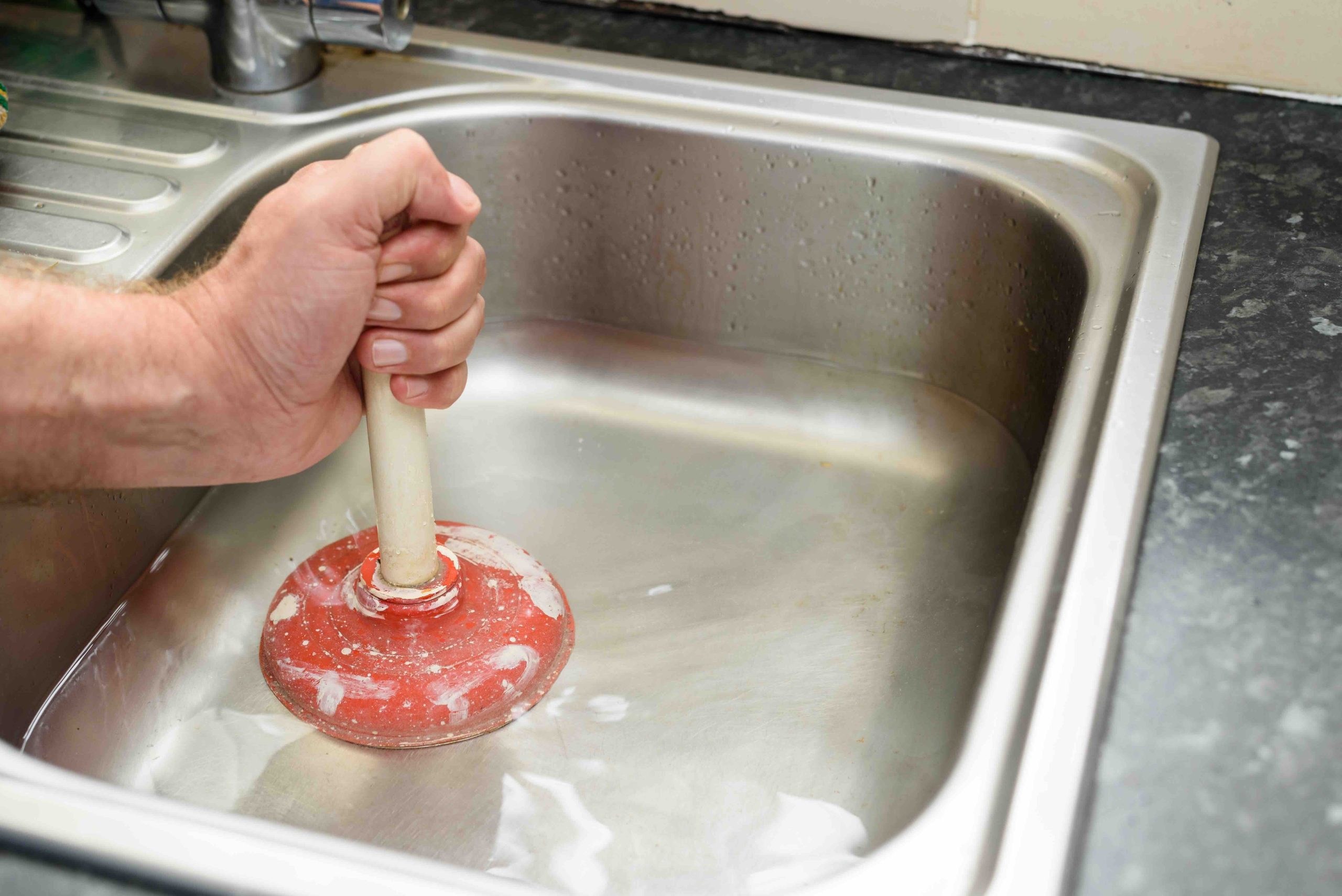
Why Your Sink Is Clogged and What You Can Actually Do About It
A slow drain is one of those things you notice and promptly ignore until it becomes impossible to ignore. Water pooling around the basin, that unpleasant gurgling sound, the smell that follows, and suddenly you are standing in front of your kitchen or bathroom sink wondering how it got this bad. The good news is that most sink clogs are surprisingly manageable with the right tool and the right technique. A plunger, used correctly, can resolve the majority of household drain blockages without a service call or a drop of chemical drain cleaner. Understanding how and why this works can save homeowners real time and money, and it helps to know when the plunger is the right solution versus when you need something more.
What Actually Causes a Sink to Clog
Most sink clogs are not a mystery. In the kitchen, they are almost always a buildup of grease, food particles, and soap residue that accumulates along the interior walls of the drainpipe over time. In the bathroom, hair and soap scum are the primary culprits. These materials do not create a sudden blockage in most cases. They accumulate gradually until the pipe narrows enough that water drains slowly, and then one day it barely drains at all. Sometimes a foreign object makes its way in, a bottle cap, a small piece of jewelry, a chunk of food that slipped past the strainer. The point is, the blockage is almost always located close to the drain opening and within reach of the pressure a plunger can generate.
How a Plunger Actually Works
A plunger works on a basic principle of hydraulic pressure. When you push the plunger down over the drain, you force water and air downward into the pipe. When you pull up, you create suction that reverses the pressure direction. This back-and-forth motion dislodges whatever is creating the obstruction, breaking it apart or pulling it back up to the surface where it can be removed. It sounds almost too simple, and yet it is genuinely effective for the type of clogs most homeowners encounter. The key is creating a proper seal over the drain opening so the pressure has somewhere to go, and that is where most people go wrong.
Cup Plunger vs. Flange Plunger: Choosing the Right Tool
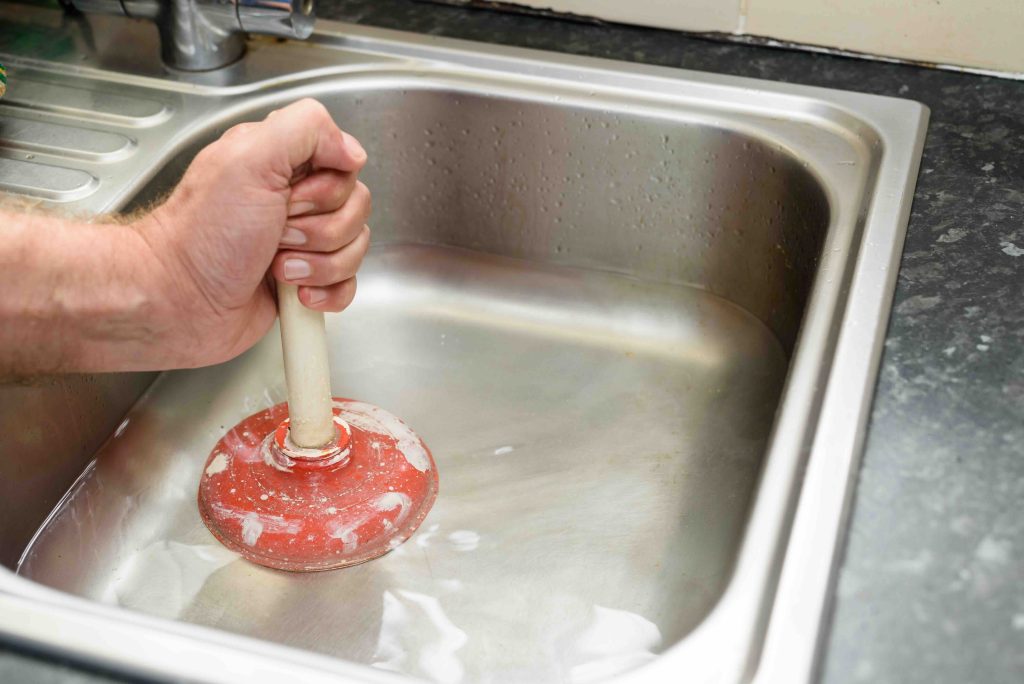
Not all plungers are the same, and using the wrong type can make the job significantly harder. There are two common varieties a homeowner should know about. The cup plunger is the classic red rubber plunger with a flat bottom, and it is best suited for flat surfaces like sink drains and bathtubs. The flange plunger has an extended rubber flap at the bottom that is designed to fit into the curved opening of a toilet. Using a flange plunger on a sink is awkward and often ineffective. If you are dealing with a sink clog specifically, reach for a cup plunger and make sure the rubber is soft and pliable, not cracked or hardened from age.

Step-by-Step Guide to Unclogging a Sink with a Plunger
Getting this right is mostly about preparation and patience. Here is a practical walkthrough of the process from start to finish.
- Remove any standing water until there is just enough to cover the rubber cup of the plunger, roughly two to three inches of water in the basin.
- Block the overflow drain, the small hole near the top of the sink basin, with a wet rag or your hand to prevent air from escaping and breaking your seal.
- Position the cup plunger directly over the drain opening and press down firmly to create a complete seal.
- Use short, sharp, vigorous pumping motions, pushing down and pulling up rapidly about ten to fifteen times without breaking the seal.
- On the final pull, lift the plunger sharply away from the drain to break the seal with force, which can help dislodge the clog.
- Run hot water to test drainage and repeat the process two or three times if needed before concluding it has not worked.
Common Mistakes Homeowners Make When Plunging a Sink
There are a few habits that consistently reduce the effectiveness of this technique. Using too little water in the basin is a frequent issue, since the plunger needs water to transmit pressure, not just air. Forgetting to block the overflow drain means air escapes and the suction is weak. Using slow, gentle strokes instead of rapid, forceful ones is another problem, because the pressure generated needs to be sharp and sudden to break up a blockage. And perhaps the most overlooked mistake is using the wrong plunger entirely. Take stock of your tools before you start, and the process becomes much more straightforward.
When a Plunger Is Not Going to Be Enough
A plunger is effective for clogs that are relatively close to the drain opening and made up of soft material. There are situations where it simply will not resolve the issue. If the clog is located deep in the pipe, beyond where pressure can realistically reach, you will need a drain snake or an auger. If the problem is recurring, a clog that keeps returning every few weeks, that often points to a more significant buildup in the drain line or even a venting issue within the plumbing system. Tree root intrusion, collapsed pipes, and problems with the main sewer line are entirely beyond the plunger’s range and require professional assessment. Knowing the difference between a surface-level clog and a systemic plumbing problem is genuinely useful for any homeowner.
Should You Use Chemical Drain Cleaners Instead
Chemical drain cleaners are widely available and heavily marketed as a quick fix, but they come with real drawbacks worth understanding. The caustic chemicals in these products can corrode older metal pipes over time. They are hazardous to skin and eyes and produce fumes that are unpleasant at best. They also do not always work, especially on hair clogs or solid obstructions, and when they fail you are left with standing water full of harsh chemicals that is now more difficult to deal with. A plunger, used correctly, is safer, more environmentally responsible, and effective on a broader range of common clogs. It should be the first line of defense before reaching for anything chemical.
How Home Warranty Coverage Connects to Your Plumbing
There is a natural limit to what a plunger and a homeowner can reasonably handle, and that is where a home warranty becomes genuinely relevant. If plunging does not resolve the issue and you discover the problem is deeper, such as a broken drain line, a failed pipe connection, or a sewer line blockage, the cost of professional repair can escalate quickly. That is precisely the kind of unexpected plumbing expense a quality home warranty is designed to address. Armadillo home warranty plans that cover plumbing repairs and drain line issues are built for moments exactly like this, when a simple fix turns into something that requires a licensed plumber and real money. Armadillo takes a straightforward approach to home protection, with clear coverage terms and a process that does not make you feel like you need a legal degree to file a claim. If you want to understand what kind of protection applies to your home’s plumbing system, get a personalized home warranty quote for sink and plumbing coverage in just a few minutes. Having a plan in place before the next problem surfaces is the kind of decision that tends to pay off.

Frequently Asked Questions About Unclogging a Sink with a Plunger
Here are answers to the questions homeowners ask most often when dealing with a clogged sink and figuring out the best approach to fix it.
What type of plunger should I use for a bathroom or kitchen sink?
Use a cup plunger, which has a flat rubber base, for sink drains. Flange plungers are designed for toilets and do not create a proper seal on flat sink drains.
How long should I plunge a sink before giving up?
Attempt two to three full rounds of fifteen to twenty pumping strokes each before concluding the plunger is not resolving the clog. If water still does not drain after that, move on to a drain snake or call a plumber.
Why does my sink keep getting clogged even after plunging?
Recurring clogs usually indicate a buildup deeper in the drain line or a structural issue with the plumbing. A professional inspection is the appropriate next step if the problem returns consistently.
Can I use a plunger if my sink has a garbage disposal?
Yes, but seal off the disposal drain opening if your sink has a double basin, and never run the disposal while plunging. Make sure the disposal is clear of debris before you start plunging.
Is it safe to plunge a sink after using a chemical drain cleaner?
No. If you have already poured a chemical drain cleaner into the sink, do not plunge. The force of plunging can splash caustic chemicals back toward your face and skin, causing serious injury.
Why is my plunger not creating suction on my sink drain?
The most common reasons are an uncovered overflow drain that is releasing pressure, insufficient water in the basin, or a plunger cup that has hardened or cracked with age and cannot form a proper seal.
Can a clogged sink be a sign of a bigger plumbing problem?
Yes. If multiple drains in your home are slow or clogged at the same time, that is often a sign of a main sewer line issue rather than an isolated sink blockage, and it requires professional attention.
Does a home warranty cover clogged sink repairs?
Coverage varies by plan. Many home warranty plans cover drain line stoppages and plumbing system repairs, but it is important to review your specific plan terms to understand what qualifies as a covered repair versus routine maintenance.
How do I prevent sink clogs from developing in the first place?
Use a drain strainer to catch debris, avoid pouring grease or oil down kitchen drains, flush drains monthly with hot water, and clean bathroom drains regularly to remove hair and soap residue before it accumulates.
When should I call a plumber instead of trying to unclog a sink myself?
Call a plumber if plunging and drain snaking both fail, if you notice sewage odors, if multiple drains are affected, or if there is any visible water damage near your pipes or under the sink cabinet.