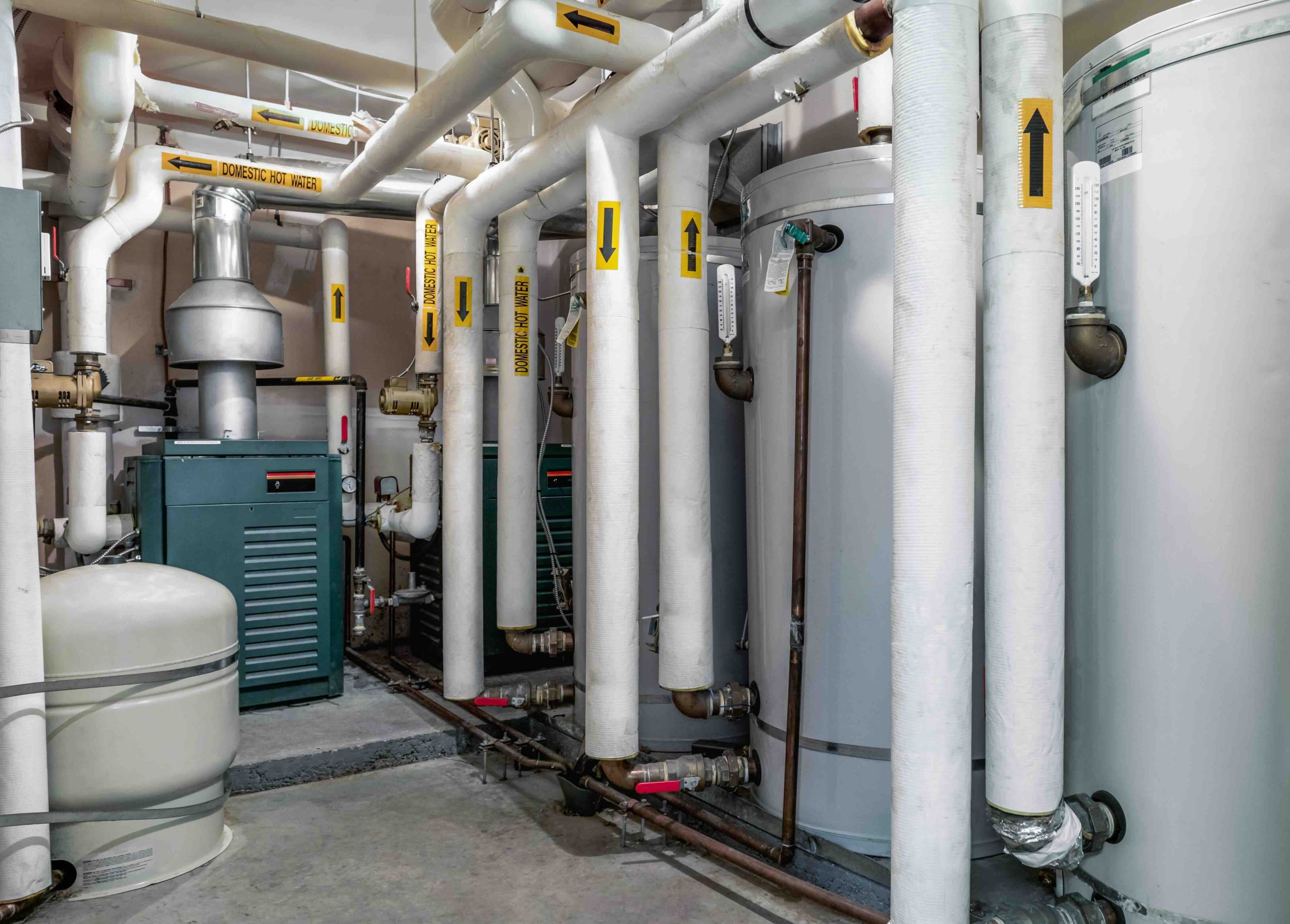
Why Insulating Your Hot Water Pipes Is One of the Smartest Home Upgrades You Can Make
There are home improvement projects that get all the attention, the kitchen remodels, the new HVAC systems, the smart home gadgets. And then there are the quiet, unglamorous upgrades that just work. Insulating your hot water pipes falls firmly into that second category. It is not flashy. Nobody is going to walk into your home and compliment your pipe insulation. But it does something that most homeowners genuinely care about: it saves energy, reduces utility bills, and protects your plumbing system from conditions that can shorten its lifespan. If you have never thought seriously about this, now is a good time to start.
What Does It Mean to Insulate Hot Water Pipes
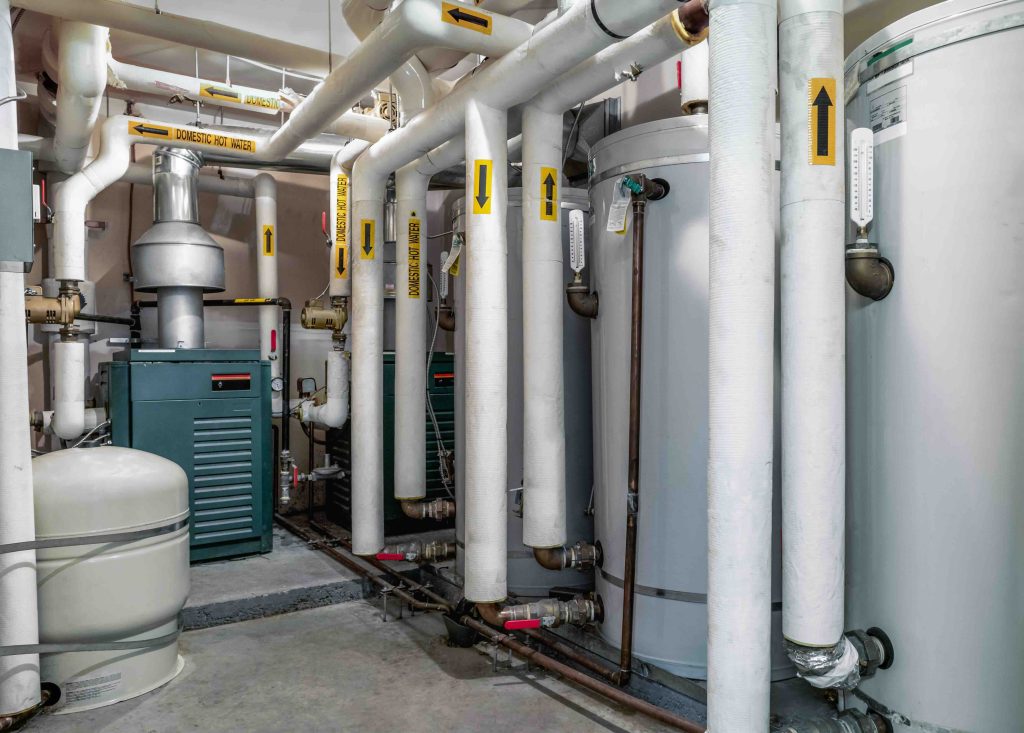
Pipe insulation is exactly what it sounds like. It involves wrapping the hot water pipes in your home with a layer of insulating material, typically foam, fiberglass, or rubber, designed to slow heat loss as water travels from your water heater to your faucets and fixtures. Without insulation, heat radiates off the pipe surface and dissipates into the surrounding air, particularly in unheated spaces like basements, crawl spaces, garages, and interior wall cavities. The water that arrives at your tap is cooler than it should be, and your water heater has to work harder to compensate for that ongoing loss.
How Hot Water Pipe Insulation Actually Works
The science here is straightforward. Heat naturally moves from warmer areas to cooler ones. Your hot water pipe is essentially a long, warm surface running through spaces that are often much cooler than the water inside. Every foot of uninsulated pipe is a point where heat escapes. Insulating materials create a barrier that slows that transfer significantly. Most foam pipe insulation, for example, is rated with an R-value, which measures thermal resistance. The higher the R-value, the more effective the insulation. Pre-slit foam tubes are the most common DIY solution, and they slip directly over the pipe and close with adhesive or tape. The installation is simple enough that most homeowners can handle it in an afternoon.
The Key Advantages of Insulating Hot Water Pipes
The benefits here are practical and measurable, which is why this upgrade tends to have an excellent return on investment. Here is what homeowners consistently report after insulating their hot water pipes:
- Faster hot water delivery at the tap, which reduces the amount of water wasted while waiting for it to heat up
- Lower energy bills because the water heater runs less frequently to maintain temperature
- Reduced risk of pipe freezing in colder climates during winter months
- Extended pipe lifespan due to less thermal cycling and condensation-related corrosion
- Improved overall efficiency for the home’s plumbing system
The Department of Energy has noted that insulating hot water pipes can raise water temperature at the tap by two to four degrees Fahrenheit compared to uninsulated pipes. That means you may also be able to lower your water heater’s thermostat setting slightly, saving even more energy without sacrificing comfort.

Common Drawbacks and Limitations to Know Before You Start
No home improvement project is without its caveats, and pipe insulation is no exception. The most common limitation is accessibility. Pipes buried inside finished walls, ceilings, or floors are simply not practical to insulate without significant renovation. In those cases, homeowners typically focus on exposed pipe runs in utility areas. There is also the matter of material selection. Not all insulation products are appropriate for all pipe types or temperatures. Using the wrong material can degrade faster or, in rare cases, create a fire hazard if located near heat sources. Foam insulation also tends to degrade over time if exposed to UV light, so outdoor pipe runs require additional protection. Finally, insulating pipes alone will not solve underlying issues like a failing water heater or outdated plumbing infrastructure.
Which Pipes Should Be Prioritized
Not every pipe in your home needs insulation immediately, so it helps to think strategically. The highest-priority targets are the first three to ten feet of pipe exiting your water heater, any hot water pipes running through unheated spaces, pipes located along exterior walls where temperatures fluctuate, and long pipe runs between the water heater and frequently used fixtures. Cold water pipes in areas prone to freezing also benefit from insulation, though for different reasons. Focusing your efforts here first will yield the most noticeable improvements in efficiency and comfort.
DIY vs. Professional Installation
This is one of the more DIY-friendly home improvement tasks available to homeowners. Pre-slit foam tubes are inexpensive, widely available at hardware stores, and require no specialized tools. You measure the pipe diameter, purchase the appropriate tube size, cut to length with scissors or a utility knife, and secure it in place. Most homeowners complete a basic insulation project in one to three hours. That said, there are situations where professional help makes more sense. If your pipes are older and show signs of wear, if your home has a complex plumbing layout, or if you want to ensure proper insulation in hard-to-reach areas, a licensed plumber can assess the situation and complete the work more thoroughly. The cost of professional installation is modest relative to the long-term savings.
How This Connects to Your Home Warranty Coverage
Here is where things get interesting for homeowners thinking about long-term protection. Pipe insulation is a preventive measure, not a repair. It does not fix something that is broken; it reduces the likelihood of things breaking in the first place. Home warranty plans typically cover repairs to plumbing systems, including pipe failures and water heater malfunctions, when they occur due to normal wear and tear. Insulating your pipes supports that by reducing the stress on your plumbing system over time. A well-maintained system is less likely to generate emergency repair calls and more likely to remain covered under standard warranty terms. Preventive care and warranty coverage work best when they go hand in hand.
Practical Tips for Getting the Most Out of Pipe Insulation
- Measure pipe diameter accurately before purchasing insulation tubes to ensure a proper fit
- Use foam with a minimum half-inch wall thickness for hot water pipes in unheated areas
- Seal all seams with foil tape rather than standard duct tape for a more durable finish
- Inspect insulation annually and replace any sections showing cracks, compression, or moisture damage
- Consider insulating cold water pipes in the same pass to prevent condensation and freezing
- Check local building codes if you are insulating pipes near combustion appliances or in tight enclosed spaces
Why Armadillo Should Be on Your Radar as a Homeowner
Taking the time to insulate your hot water pipes is exactly the kind of thoughtful, proactive decision that defines responsible homeownership. But smart maintenance only goes so far. When something does break, whether it is a pipe, your water heater, or another key system in your home, having the right coverage in place makes all the difference between a manageable situation and a financial headache. That is where Armadillo’s home warranty plans for plumbing and essential home systems come in. Armadillo was built to provide straightforward, honest coverage without the confusion that typically comes with home warranty contracts. There are no runarounds, no surprise exclusions buried in the fine print, just coverage that actually works when you need it. If you have recently invested in upgrades like pipe insulation and want to make sure your plumbing system is protected from the unexpected costs that can still arise, you can get a personalized home warranty quote for your plumbing system and water heater in just a few minutes. It is a natural next step for any homeowner who is already thinking ahead.

Frequently Asked Questions About Insulating Hot Water Pipes
Here are answers to the questions homeowners ask most often about hot water pipe insulation.
Does insulating hot water pipes actually save money on energy bills?
Yes. Insulating hot water pipes reduces heat loss along pipe runs, which means your water heater operates less frequently to maintain water temperature. Savings vary by home size and usage, but most homeowners see a measurable reduction in energy costs within the first full billing cycle after insulation is installed.
How much does it cost to insulate hot water pipes?
Materials for a basic DIY pipe insulation project typically cost between twenty and one hundred dollars depending on the length of pipe being covered and the insulation type selected. Professional installation for a standard home generally ranges from one hundred fifty to five hundred dollars including labor and materials.
What type of insulation is best for hot water pipes?
Closed-cell foam pipe insulation is the most popular choice for residential hot water pipes. It is easy to install, widely available, and provides solid thermal performance. Fiberglass wrap offers higher R-values and is better suited for very high-temperature applications, while rubber insulation works well in humid environments where condensation is a concern.
Can pipe insulation prevent pipes from freezing?
Insulation slows the rate at which heat escapes from pipes, which can delay freezing in moderately cold conditions. However, insulation alone is not sufficient protection in extreme cold. In regions with severe winters, insulation should be combined with other strategies such as heat tape or allowing a slow trickle of water through vulnerable pipes during freezing temperatures.
How long does pipe insulation last?
Quality foam pipe insulation typically lasts between three and seven years under normal conditions. Exposure to moisture, UV light, or physical damage can shorten its lifespan. It is a good practice to inspect insulation annually and replace any sections that show visible deterioration.
Is pipe insulation a DIY project or should I hire a plumber?
Most homeowners can handle pipe insulation on exposed pipe runs without professional help. The process is straightforward and requires minimal tools. A licensed plumber is worth consulting if pipes are difficult to access, if there are signs of existing damage, or if you want a comprehensive assessment of your plumbing system’s efficiency.
Does a home warranty cover pipe insulation installation?
Home warranties typically cover repairs to plumbing systems resulting from mechanical failure or normal wear and tear. Preventive upgrades like pipe insulation are generally considered maintenance and are not covered. However, a warranty can cover the cost of repairing or replacing pipes and plumbing components if they fail, which is why having coverage alongside good maintenance habits is a smart combination.
Will insulating pipes help with water pressure issues?
Pipe insulation does not directly affect water pressure. Pressure problems are usually caused by mineral buildup, pipe corrosion, or issues with the main supply line or pressure regulator. If low pressure is a concern, a plumber should inspect the system to identify the underlying cause.
Are there any safety concerns with pipe insulation?
Standard foam pipe insulation is safe for most residential applications. The main safety consideration is proximity to combustion appliances or high-heat sources, where certain foam materials could pose a fire risk. Always check product specifications and local building codes before insulating pipes near furnaces, water heaters, or other heat-generating equipment.
What is the R-value I should look for in pipe insulation?
For hot water pipes in unheated spaces, look for insulation with an R-value of at least R-3 to R-4. Pipes in extreme cold environments or those running very long distances may benefit from higher R-values. The insulation packaging will list the R-value, and your local hardware store can help you select the right product for your specific conditions.