Your Air Conditioner Deserves a Checkup Too
Most homeowners do not think about their air conditioning system until it stops working on the hottest day of the year. That is a problem. Your AC unit runs hard through spring and summer, quietly managing the temperature of your entire home, and like any complex mechanical system, it needs routine attention to keep doing that job well. A free air conditioning inspection is one of the most straightforward ways to stay ahead of breakdowns, and understanding what that inspection actually involves can help you make smarter decisions about your home year-round.
What Is a Free Air Conditioning Inspection
A free AC inspection is a professional assessment of your home’s cooling system, typically offered by HVAC companies, home warranty providers, or utility programs as a value-added service. A certified technician evaluates the system’s components, identifies wear, and flags anything that could turn into a more significant and expensive problem. The word “free” matters here because many homeowners skip routine maintenance simply due to cost concerns. When that barrier is removed, it becomes much easier to stay on top of a system that represents thousands of dollars in equipment and even more in household comfort.
What Happens During an AC Inspection
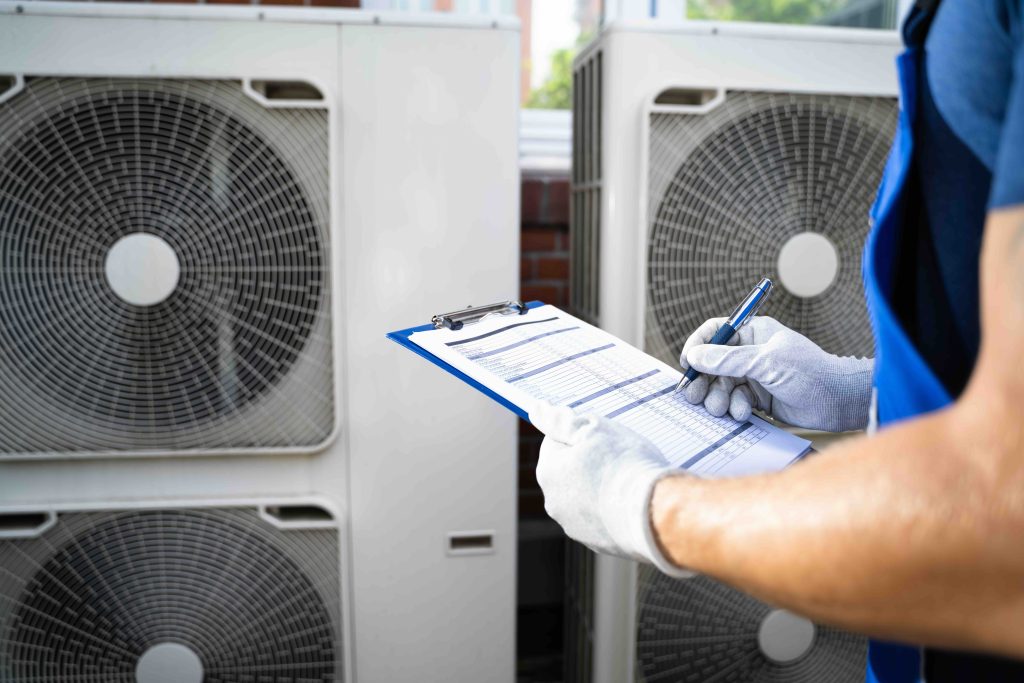
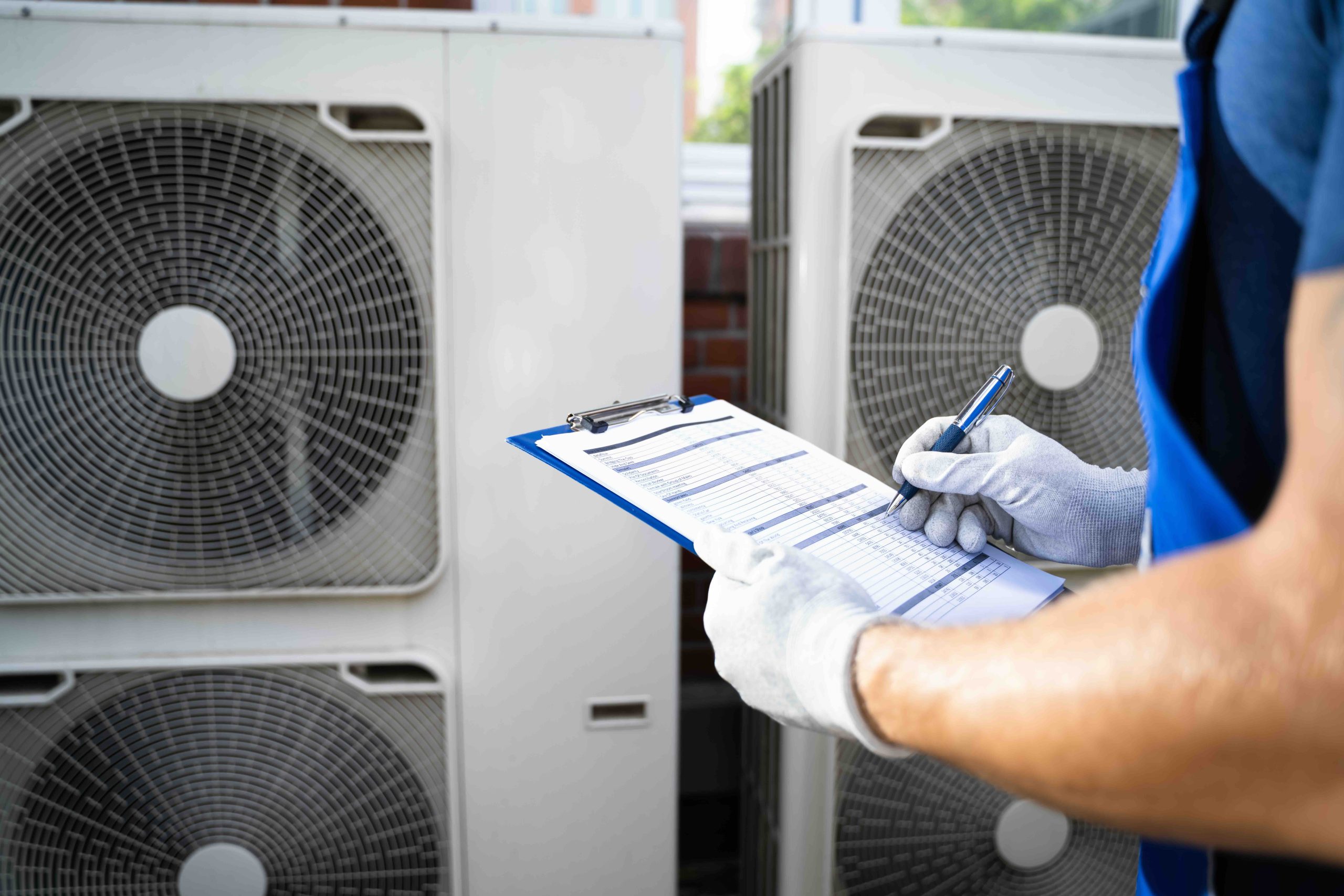
The inspection process is more thorough than most people expect. A qualified technician does not just glance at the unit and call it a day. There is a real process involved, and knowing what to expect helps you ask the right questions and understand the results. Common inspection checkpoints typically include:
- Checking refrigerant levels and looking for leaks
- Inspecting and cleaning the evaporator and condenser coils
- Testing the thermostat for accuracy and calibration
- Evaluating electrical connections and measuring voltage
- Inspecting the air filter and overall airflow
- Checking the condensate drain line for clogs
- Assessing the condition of the blower motor and fan belts
Each of these components plays a specific role in how efficiently and effectively your system cools your home. When one part is underperforming, it often creates stress on other parts, which is how a small issue becomes a big repair.
How Your Air Conditioning System Actually Works
Here is the part that trips a lot of people up. Air conditioning does not “create” cold air. It removes heat from the air inside your home and transfers it outside. The system uses refrigerant, which cycles between your indoor unit and your outdoor condenser, absorbing heat indoors and releasing it outside. The blower fan circulates air over the evaporator coil, where the refrigerant absorbs the heat, and the cooled air gets pushed through your ductwork into every room. It is a continuous loop, and when any part of that loop is compromised, the whole system has to work harder to achieve the same result. That extra effort costs you money and shortens the life of the equipment.

The Real Benefits of Getting a Free AC Inspection
Aside from the obvious appeal of not paying for it, there are genuine long-term advantages to scheduling a professional air conditioning inspection. The biggest one is early detection. A technician who spots a failing capacitor or a refrigerant leak in April is saving you from a potential breakdown in July. Beyond that, a well-maintained system runs more efficiently, which translates directly into lower monthly energy bills. According to the U.S. Department of Energy, a poorly maintained AC system can lose up to 5 percent of its efficiency for every year it goes without a tune-up. Over time, that adds up. Inspections also help extend the lifespan of your equipment. A central air conditioning system is designed to last 15 to 20 years with proper care. Neglect that care, and you might find yourself replacing it in 10.
Common Drawbacks and Limitations to Know About
A free inspection is valuable, but it is worth going in with realistic expectations. Some companies offer free inspections primarily as a sales opportunity, meaning the technician may recommend repairs or upgrades that are not strictly necessary. That does not mean the advice is wrong, but it is worth getting a second opinion on significant recommendations before committing. Additionally, a free inspection is not the same as a full tune-up or maintenance service. The inspection identifies issues, but fixing those issues typically comes at a cost. Homeowners should also verify that the technician is properly licensed and certified. An unqualified inspector can miss critical issues or, in rare cases, cause new ones.
When to Schedule Your AC Inspection
Timing matters more than most people realize. The ideal window for an air conditioning inspection is early spring, before the cooling season begins in earnest. Scheduling in March or April gives you enough time to address any issues that come up before temperatures climb and HVAC companies get backed up with service calls. If you missed the spring window, an inspection in early summer is still worth doing. It is never the wrong time to know the current condition of your system. Waiting until something is visibly wrong or audibly struggling is the most expensive approach available to you.
What to Do After Your Inspection Report
Once the inspection is complete, you will receive a summary of findings. Read it carefully and do not be afraid to ask questions. Prioritize repairs that affect safety or efficiency first, such as electrical issues or refrigerant problems. Cosmetic concerns or minor wear items can often wait. Keep a copy of the inspection report for your records, as this documentation becomes useful if you ever file a home warranty claim, sell your home, or need to track the maintenance history of your HVAC system. A well-documented maintenance history can even increase the perceived value of your home during a sale.
Practical Maintenance Tips Between Inspections
A professional inspection is not meant to replace ongoing maintenance habits. There are simple things every homeowner can do to keep their AC system performing well between professional visits:
- Replace your air filter every one to three months depending on usage and filter type
- Keep the area around your outdoor condenser unit clear of debris, vegetation, and obstructions
- Check your condensate drain line periodically for algae or clogs
- Use a programmable or smart thermostat to reduce unnecessary runtime
- Schedule professional maintenance at least once per year
These habits take minimal time and cost very little, but they have a meaningful cumulative impact on system efficiency and longevity.
Why Armadillo Belongs in Your Home Maintenance Plan
Staying ahead of air conditioning issues is exactly the kind of proactive thinking that a home warranty is designed to support. When your AC system breaks down despite your best maintenance efforts, the repair costs can be significant, often running into the hundreds or thousands of dollars. That is where Armadillo home warranty protection for your cooling system provides genuine peace of mind. Armadillo offers straightforward, transparent coverage that actually makes sense for the way homeowners live, without the confusing exclusions or the runaround that gives the industry a bad reputation. If you have been putting off getting coverage because the process felt complicated, you can get a free home warranty quote that includes air conditioning coverage in just a few minutes. Your inspection report might show a healthy system today, but home systems do not stay that way forever, and having coverage in place before something fails is always the smarter position to be in.

Frequently Asked Questions About Free AC Inspections
Here are answers to the most common questions homeowners ask about air conditioning inspections and what they cover.
What does a free AC inspection typically include?
A free AC inspection generally includes an evaluation of refrigerant levels, coil condition, thermostat function, electrical connections, airflow, filter condition, and condensate drainage. The scope can vary by provider, so it is worth asking for a checklist in advance.
Is a free AC inspection really free, or are there hidden costs?
Many legitimate inspections are genuinely free with no obligation. However, some providers use them as a lead-generation tool and may recommend additional paid services. The inspection itself should cost nothing, but any repairs or tune-up services identified will typically come at an additional charge.
How long does an air conditioning inspection take?
Most standard AC inspections take between 45 minutes and 90 minutes depending on the size of the system and the thoroughness of the technician. Larger homes with multiple units or more complex systems may take longer.
How often should I have my air conditioner inspected?
Most HVAC professionals recommend a professional inspection at least once per year, ideally before the cooling season begins in spring. Systems that run year-round in warmer climates may benefit from inspections twice per year.
Can an AC inspection help lower my energy bills?
Yes. A properly maintained air conditioning system runs more efficiently, which reduces energy consumption. Addressing issues like dirty coils, low refrigerant, or restricted airflow can meaningfully improve performance and bring down your monthly utility costs.
What is the difference between an AC inspection and an AC tune-up?
An inspection evaluates the condition of your system and identifies problems. A tune-up typically includes hands-on maintenance tasks like cleaning components, lubricating moving parts, and making minor adjustments. A tune-up usually costs more but provides more direct service.
Will a home warranty cover my air conditioner after an inspection?
Home warranty coverage for air conditioning systems is generally based on the cause of failure rather than prior inspection results. However, most warranties require that the system was properly maintained. Keeping documentation of your inspection history supports any future claims.
What should I do if the inspector finds a problem with my AC?
Ask the technician to explain the issue in clear terms, get the recommendation in writing, and prioritize repairs based on urgency. For significant repairs, consider getting a second opinion before authorizing the work. If you have a home warranty, contact your provider to see if the repair is covered before paying out of pocket.
Do I need to be home during the AC inspection?
Yes. Being present allows you to ask questions in real time, understand the technician’s findings directly, and ensure you receive the full report. It also gives you the opportunity to observe how the technician conducts the assessment.
Can a free AC inspection identify whether I need a new system?
An inspection can reveal signs that your system is nearing the end of its useful life, such as chronic inefficiency, frequent repairs, or significant component wear. However, a formal replacement recommendation should come with a detailed explanation and ideally a second professional opinion before you make that investment.