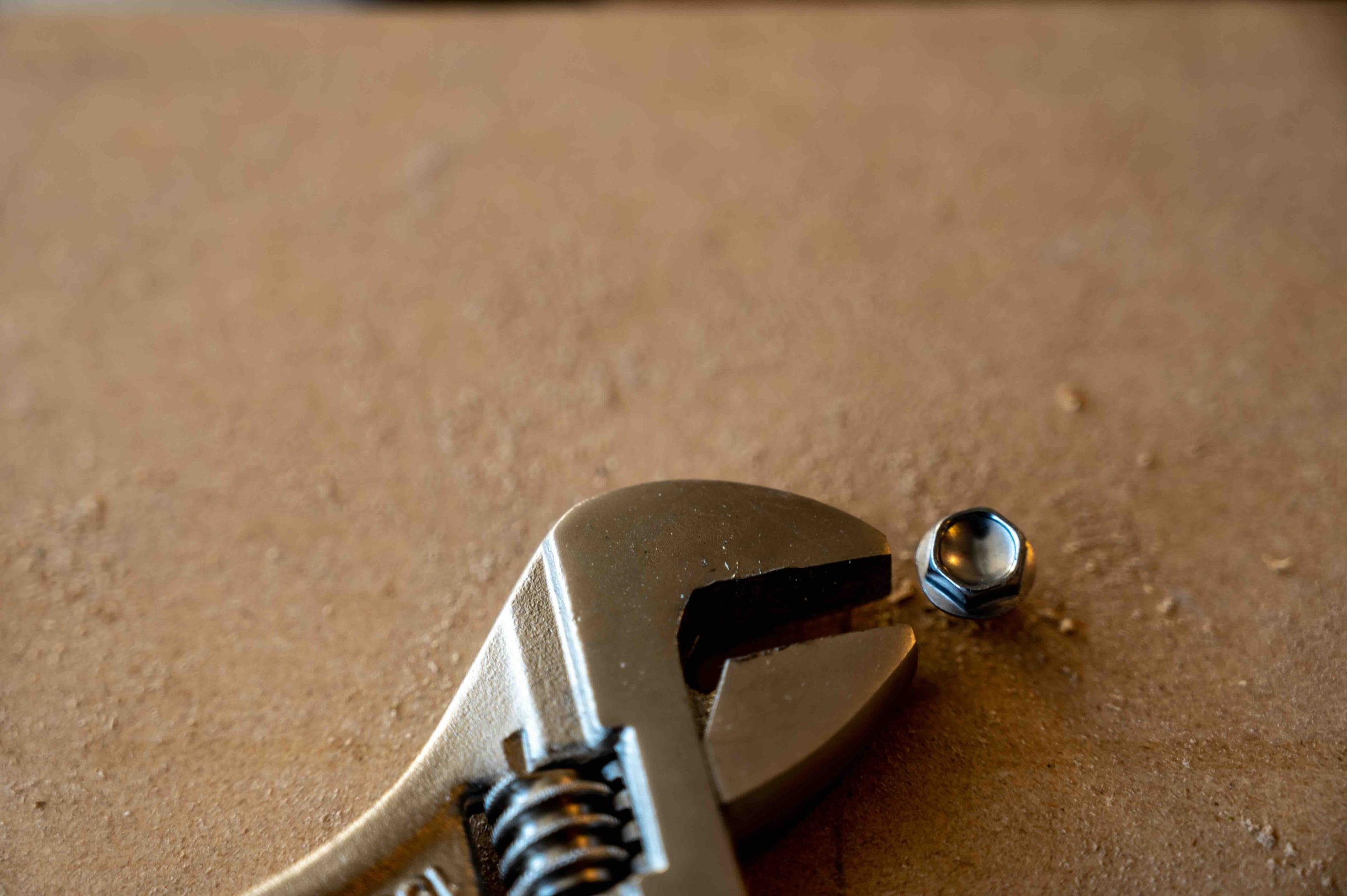
When a Bolt Fights Back: What Homeowners Need to Know About Stripped and Seized Fasteners
There is a specific kind of frustration that comes from reaching for a bolt with a wrench, applying pressure, and watching the tool slip right off the head. The bolt is not moving. The socket is spinning. And now the edges of that fastener look a little rounder than they did a few seconds ago. Welcome to the world of stripped and grounded bolts, a problem that shows up in plumbing fixtures, appliance panels, HVAC components, and just about every other system inside a home. Knowing how to handle this situation, and when to call in a professional, can save you significant time, money, and a fair amount of aggravation.
What Does It Mean for a Bolt to Be Stripped or Grounded
A stripped bolt is one where the head has been worn down or damaged to the point where a standard tool can no longer grip it. This usually happens when the wrong size tool is used, when too much force is applied, or when a bolt has simply been turned one too many times over the years. A grounded bolt, sometimes called a seized bolt, is different. These are fasteners that have essentially fused in place due to corrosion, rust, mineral buildup, or exposure to heat and moisture over time. Both situations make removal difficult, but the approach to each one is slightly different. Understanding which type you are dealing with is the first step toward solving the problem.
Where Stripped and Seized Bolts Show Up Most in the Home
This problem is not limited to one area of the house. Stripped and grounded bolts are a common issue across a range of home systems and appliances, and they tend to appear in the places that see the most moisture, heat, or age-related wear. Common locations include:
- Water heater access panels and pressure relief valve connections
- HVAC unit housing and blower compartment fasteners
- Dishwasher and washing machine mounting hardware
- Outdoor faucet and hose bib connections
- Electrical panel cover screws
- Toilet floor bolts and tank hardware
When these fasteners fail or become impossible to turn, routine maintenance and repair work gets significantly more complicated. What should be a simple job can turn into a much larger project if the fastener is not handled correctly.
How to Loosen a Stripped Bolt: Techniques That Actually Work
If the bolt head is stripped but the bolt itself is not corroded in place, there are several removal methods worth knowing. The goal is to reestablish a grip on the fastener without causing additional damage to the surrounding components. A rubber band or piece of steel wool placed between the tool and the bolt head can create just enough friction to grip a slightly worn head. Specialized extraction sockets, sometimes called bolt extractor sets, are designed to bite into damaged fastener heads as they turn, which makes them a reliable choice for moderately stripped bolts. For a bolt with significant damage to the head, a rotary tool or oscillating tool can be used to cut a new slot across the top, allowing a flathead screwdriver to finish the job.
How to Free a Grounded or Seized Bolt
A seized bolt requires a different strategy. The issue here is not grip, it is the bond that has formed between the fastener and the surrounding material. Penetrating oil is the standard first step. Products designed for this purpose work by creeping into the threads and breaking down rust and corrosion. Applying penetrating oil and allowing it to sit for anywhere from thirty minutes to several hours makes a meaningful difference in most cases. Heat can also be effective, as it causes the metal to expand and contract, which helps break the corrosive bond. However, heat should only be used when there is no risk of damaging surrounding materials, wiring, or flammable surfaces. Tapping the bolt lightly with a hammer before attempting to turn it can also help shock the corrosion loose enough to allow movement.

The Right Tools for the Job
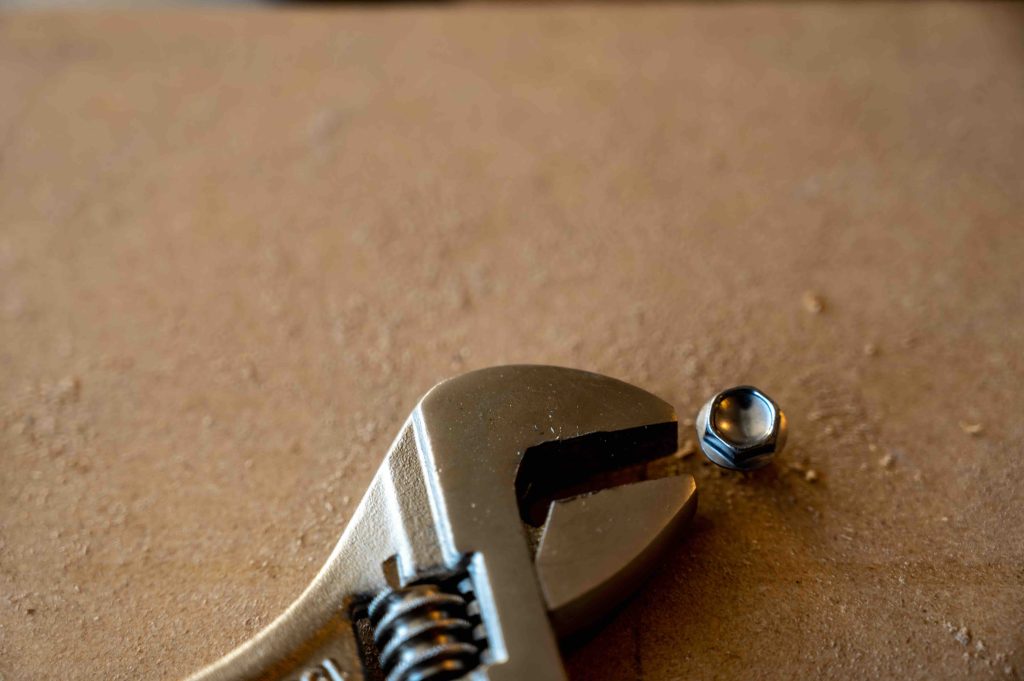
Having the right equipment on hand is genuinely half the battle. A basic set of bolt extractors, a can of quality penetrating oil, rubber grip tape, an adjustable wrench, and a set of locking pliers covers the majority of stripped bolt situations a homeowner will encounter. For more serious cases, an impact driver can apply rotational force in short bursts that a standard screwdriver simply cannot match. The brief, high-torque pulses from an impact driver are particularly effective on stubborn fasteners because they reduce the risk of camming out, which is what happens when a tool slips and strips the head further. Investing in a decent toolkit is not overkill. These tools pay for themselves the first time they prevent a repair from turning into a full replacement.
When DIY Is the Wrong Call
There is a point in every stripped bolt situation where attempting to continue on your own causes more harm than good. If a bolt is located inside an electrical panel, connected to a gas line, or is part of a pressurized system like a water heater, the risk level rises considerably. Forcing a damaged fastener in these contexts can damage threads beyond repair, crack a fitting, or compromise a seal that was keeping something dangerous from leaking. At that point, the cost of a professional repair is a bargain compared to what further DIY attempts might produce. Knowing when to stop is a skill in itself, and experienced homeowners learn to recognize that threshold quickly.
How Home Warranty Coverage Connects to This Problem
A stripped or grounded bolt might seem like a minor nuisance, but it often surfaces in the middle of a larger repair. A technician accessing your HVAC unit for a covered repair may encounter seized fasteners. A plumber addressing a covered water heater issue may need to deal with corroded mounting hardware before the actual repair can begin. How a home warranty handles these situations, whether the labor involved in dealing with difficult fasteners is included or excluded, is something worth understanding before you need to file a claim. Reading the fine print on covered repairs and component access is always worthwhile.
Preventing Stripped and Seized Bolts Before They Happen
Prevention is considerably easier than extraction. A few simple habits can dramatically reduce how often you encounter this problem in your home. Anti-seize compound applied to bolt threads during installation creates a barrier against corrosion and makes future removal far easier. Using the correct tool size every single time prevents the gradual rounding of fastener heads. Replacing any bolt that shows early signs of corrosion during routine maintenance, rather than waiting until it becomes an emergency, is one of the most practical habits a homeowner can develop. These are small actions that tend to get overlooked until the day they really matter.
Why Armadillo Belongs in This Conversation
Home repair surprises have a way of arriving at the worst possible moment. A seized bolt on an aging water heater, a stripped fastener on an HVAC housing during the peak of summer, these are not dramatic emergencies on their own, but they are the kind of access complications that add labor time and cost to covered repairs. Having a home warranty that handles the full scope of a repair, not just the part that is easy to reach, is the kind of protection that makes a real difference. Armadillo home warranty coverage for appliances and home systems is built around the idea that homeowners deserve straightforward protection without the fine print surprises. When something breaks, the last thing you need is to wonder whether the technician’s labor dealing with a corroded fastener is included. With Armadillo, the coverage is clear, the service is responsive, and the experience is designed to feel like support rather than an obstacle course. If you are ready to stop guessing what your coverage actually includes, get a free home warranty quote that covers your major systems and appliances and find out exactly what protection looks like when it is done right.

Frequently Asked Questions About Stripped and Seized Bolts in the Home
Here are answers to the questions homeowners ask most often when dealing with stubborn, stripped, or corroded fasteners throughout their home systems and appliances.
What is the difference between a stripped bolt and a seized bolt?
A stripped bolt has physical damage to the head or threads that prevents a tool from gripping it properly. A seized bolt may have an intact head but is fused in place due to corrosion, rust, or heat exposure, making it impossible to turn without additional treatment.
What is the best penetrating oil for loosening a seized bolt?
Several products are widely respected for their effectiveness on seized fasteners. Penetrating oils formulated with acetone and mineral oil blends tend to perform well on heavily corroded bolts. Allowing the oil to soak for an extended period, sometimes overnight, significantly improves results.
Can I use heat to loosen a bolt inside my home?
Heat can be effective for freeing seized bolts, but it must be used with extreme caution indoors. It should never be applied near wiring, gas lines, flammable insulation, or pressurized fittings. In many indoor repair situations, penetrating oil and mechanical extraction tools are the safer choice.
What tools do I need to remove a stripped bolt?
Bolt extractor sockets, locking pliers, an impact driver, and a rotary cutting tool cover most stripped bolt removal scenarios. The right tool depends on how badly the head is damaged and what type of fastener you are working with.
Will a home warranty cover repairs that involve stripped or seized bolts?
Coverage varies by provider. Some home warranties include all labor associated with accessing a covered component, while others may have exclusions for pre-existing conditions like corrosion. Reviewing your policy terms carefully before a repair is always the best approach.
How do I prevent bolts from corroding in my plumbing and HVAC systems?
Applying anti-seize compound to bolt threads during installation is the most effective preventive step. Keeping moisture away from metal fasteners, inspecting hardware during routine maintenance, and replacing corroded bolts promptly all contribute to prevention.
Can I drill out a bolt that is completely stripped?
Drilling out a stripped bolt is possible and is often a last resort when other extraction methods fail. It requires a drill bit slightly smaller than the bolt diameter and a steady hand. After drilling, the remaining threads may need to be re-tapped or a threaded insert installed.
Is a rubber band actually useful for gripping a stripped screw or bolt head?
Yes, a wide rubber band placed between the driver and a lightly stripped head creates additional friction that can be enough to turn the fastener. It works best on screws with minor damage rather than heavily worn bolt heads.
How long should I let penetrating oil sit before trying to remove a seized bolt?
A minimum of 30 minutes is a reasonable starting point, but allowing penetrating oil to sit for several hours or overnight produces notably better results on heavily corroded fasteners. Reapplying the oil once or twice during that period also improves penetration.
When should I stop attempting DIY bolt removal and call a professional?
Stop and call a professional if the bolt is connected to a gas line, pressurized fitting, or electrical component, or if further attempts risk cracking surrounding materials or stripping threads beyond repair. The cost of professional labor is almost always lower than the cost of repairing additional damage caused by pushing past that threshold.