What It Means When a Locksmith Replaces Your Locks and Who Actually Pays for It
There is a moment that happens to almost every homeowner at some point. You lose a key, move into a new place, go through a change in household members, or deal with something far more unsettling like a break-in attempt. And suddenly, the security of your front door feels very real and very urgent. Replacing your locks is one of those home tasks that sounds simple on the surface but opens up a lot of questions fast. How does the process actually work? What does a locksmith do exactly? And here is the one that catches people off guard: does a home warranty cover any of this? This article walks through everything you need to know, from how residential lock replacement works to how your home warranty fits into the picture.
What Residential Lock Replacement Actually Involves
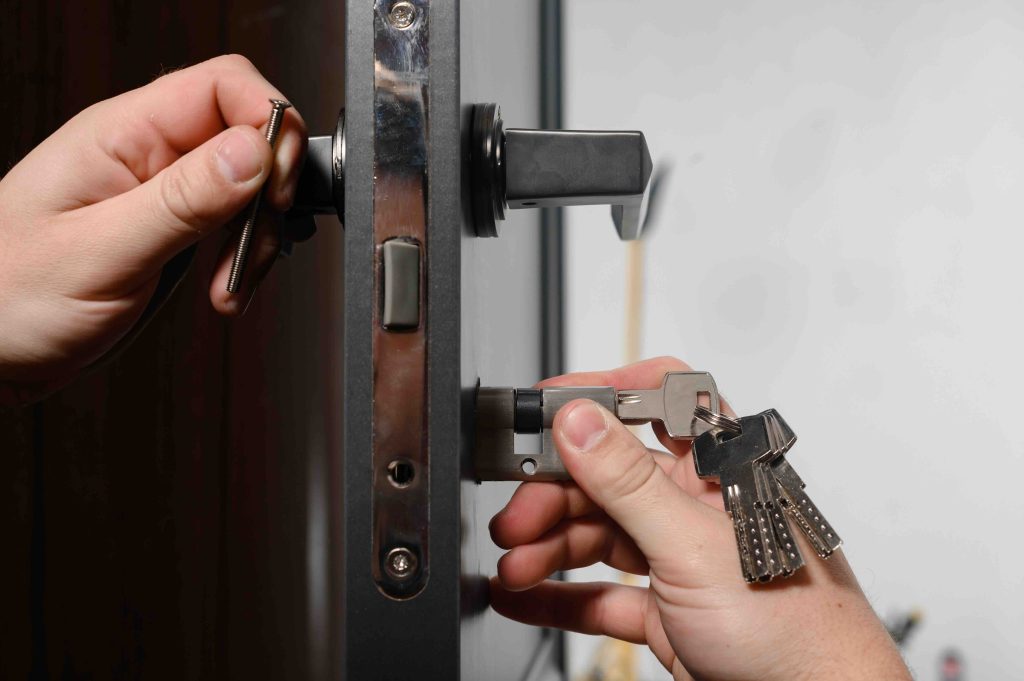
When a locksmith replaces your locks, they are doing more than swapping out one piece of hardware for another. The process typically begins with an assessment of the existing hardware, the door frame, and the overall security setup of the entry point. From there, they remove the existing lockset, which usually includes the knob or lever, the deadbolt, and sometimes the strike plate on the door frame. New hardware is installed, aligned, and tested to make sure the door latches, locks, and unlocks properly. A good locksmith will also check that the door itself is hung correctly, because a poorly fitted door can make even the best lock less effective. Depending on the type of lock being installed, the job can take anywhere from 20 minutes to over an hour per door.
Types of Locks a Locksmith Might Install
Not all locks are created equal, and the options available to homeowners today go well beyond the standard keyed deadbolt. Understanding what is available helps you make a smarter decision before the locksmith arrives.
- Standard keyed deadbolts: The most common residential option, reliable and relatively affordable
- Smart locks: Electronic locks that use keypads, Bluetooth, or Wi-Fi and can integrate with home automation systems
- High-security locks: Reinforced cylinders designed to resist picking, drilling, and bumping
- Keypad locks without smart connectivity: A middle ground that eliminates keys without requiring an app or Wi-Fi
- Mortise locks: Common in older homes, they fit inside the door itself rather than sitting on the surface
Each type has a different installation process, a different price range, and a different level of maintenance involved over time. Your locksmith can help you assess which option makes the most sense based on your door type, your household needs, and your budget.
Why Homeowners Replace Locks More Often Than You Might Think
It is easy to assume lock replacement is only necessary after something goes wrong. But the reality is that there are several common scenarios that make it the right call even when nothing dramatic has happened. Moving into a previously owned home is probably the biggest one. You genuinely do not know who has a copy of the existing keys. Tenants who recently moved out, contractors who had access during renovations, previous owners’ family members, all of these are unknown variables. Beyond that, locks wear out over time. The internal mechanisms degrade, the cylinder becomes harder to turn, and the security they provide diminishes. Relationship changes, lost or stolen keys, and even a general home security upgrade are all legitimate reasons to call a locksmith.

The Key Advantages of Professional Lock Replacement
Hiring a licensed locksmith to replace your locks rather than doing it yourself comes with some real advantages. Proper installation matters more than most homeowners realize. A lock that is not installed with precise alignment can fail at exactly the wrong moment, meaning the door will not close right, the deadbolt will not extend fully, or the mechanism will wear down prematurely. A professional also brings knowledge about what hardware is appropriate for your specific door material, whether that is a hollow-core interior door, a solid wood exterior door, or a steel entry door. They can recommend upgrades you might not have known to ask about, like reinforced strike plates or longer screws that anchor into the door frame stud rather than just the trim. These small details make a measurable difference in actual security performance.
Common Drawbacks and Limitations to Keep in Mind
Lock replacement is not without its downsides. The cost can add up quickly, particularly if you are replacing locks on multiple entry points at once. Labor fees for a locksmith vary by region but typically run between $50 and $150 per hour, and high-security or smart lock hardware can push the total cost of a single door well past $300. If you are retrofitting a smart lock into a door that was not designed for it, additional work may be required. There is also the question of ongoing maintenance. Smart locks, in particular, require battery replacement, software updates, and occasional troubleshooting. And for homeowners who are not especially tech-comfortable, that ongoing relationship with the hardware can feel like more than they signed up for.
What to Expect During a Locksmith Visit
If you have never worked with a locksmith before, knowing what the visit looks like helps set realistic expectations. A reputable locksmith will arrive within an agreed-upon window, ask about your needs before getting started, and walk you through the hardware options available at your price point. They should be licensed and insured, which you should confirm before booking. The installation itself is usually clean and quick, and a good technician will test the lock multiple times before considering the job complete. You should also receive any new keys that come with the hardware and a basic explanation of how to operate the lock, especially if it is a new type you have not used before. Ask questions. A good locksmith expects them.
Does a Home Warranty Cover Lock Replacement?
This is the question that trips people up, and the answer requires a little nuance. Standard home warranty plans are designed to cover the repair or replacement of home systems and appliances that break down due to normal wear and tear. Locks, as a category, fall into a gray area. Most basic home warranty plans do not include locksmith services as a standard covered item. However, some home warranty providers offer enhanced security coverage or service add-ons that include rekeying or lock replacement under specific circumstances. Coverage varies significantly between providers, so it is worth reading your contract carefully and asking directly what is and is not included. What a home warranty does consistently cover is the broader category of home systems, and understanding where your lock hardware fits within that is worth the conversation.
Practical Tips Before You Call a Locksmith
- Verify the locksmith is licensed in your state before scheduling any work
- Get a written estimate that includes both parts and labor before the technician begins
- Ask whether the hardware comes with a manufacturer warranty
- Consider replacing all exterior locks at the same time to ensure key consistency
- If upgrading to a smart lock, confirm your door is compatible before purchasing hardware
- Check your home warranty contract for any language related to security systems or lock coverage
How Armadillo Helps Homeowners Protect What Matters
When you are dealing with something like lock replacement, it is a good reminder of just how many systems and components make up a functioning, secure home. One expense leads to another, and before long you are looking at costs that feel like they came out of nowhere. That is exactly the kind of financial surprise a home warranty is designed to soften. Armadillo home warranty plans for homeowners focused on real protection are built to cover the systems and appliances that keep your home running, without the fine print gymnastics that make filing a claim feel impossible. Whether you are worried about your HVAC breaking down, your water heater failing, or simply want to know you have a safety net when things go sideways, Armadillo makes the process straightforward. If you want to see what coverage looks like for your specific home, you can get a customized home warranty quote for lock and home system coverage in just a couple of minutes. No pressure, no guesswork, just real information you can actually use.

Frequently Asked Questions About Lock Replacement and Home Warranties
Here are answers to the questions homeowners ask most often when navigating lock replacement and home warranty coverage.
How much does it typically cost to have a locksmith replace residential locks?
The cost varies based on the type of lock, the number of doors, and your location, but most homeowners pay between $100 and $400 per door when factoring in both parts and labor. High-security or smart lock installations tend to fall toward the higher end of that range.
Does a home warranty cover locksmith services?
Most standard home warranty plans do not include locksmith services by default. Some providers offer optional add-ons or enhanced security coverage that may include rekeying or lock replacement under qualifying circumstances. Always review your specific contract for details.
Is it worth replacing all exterior locks at once?
Yes, replacing all exterior locks at the same time is generally a smart move. It ensures key consistency across all entry points and gives you a clean security baseline, particularly when moving into a new home or following a security incident.
What is the difference between rekeying and replacing a lock?
Rekeying changes the internal pin configuration so that old keys no longer work, but the existing hardware remains in place. Replacing the lock means removing the entire lockset and installing new hardware. Rekeying is less expensive but only worthwhile if the existing lock is in good condition.
How long does a professional lock replacement take?
A single lock replacement typically takes between 20 and 45 minutes per door for a standard deadbolt or knob set. Smart locks or mortise locks may require additional time depending on the door and the complexity of the installation.
When should I replace my locks versus just rekeying them?
If the existing hardware is worn, damaged, or outdated, full replacement is the better choice. If the lock is in good working condition and you simply need to revoke access for old keyholders, rekeying is usually sufficient and more cost-effective.
Are smart locks more secure than traditional deadbolts?
Not necessarily. The security of a lock depends on the quality of its construction and how it is installed, not just whether it is electronic. High-quality traditional deadbolts can be equally or more secure than some smart locks. That said, smart locks offer added convenience and access control features that many homeowners find valuable.
What should I look for when hiring a locksmith?
Confirm that the locksmith is licensed in your state, carries liability insurance, and provides a written estimate before any work begins. Avoid companies that give quotes over the phone without any details and then dramatically raise the price upon arrival.
Can a home warranty help offset unexpected home security costs?
A home warranty primarily covers mechanical breakdowns of covered systems and appliances. While it may not directly cover lock replacement in most plans, having warranty coverage on your major home systems reduces the overall financial pressure of homeownership, freeing up budget for expenses like security upgrades.
How often should residential locks be replaced as a general rule?
There is no universal timeline, but most locksmiths suggest evaluating your locks every 7 to 10 years or sooner if you notice stiffness, visible wear, or key-turning difficulty. Anytime there is a change in who has access to your home is also a good trigger point for replacement or rekeying.