Why Is There Ice Building Up in Your Freezer?
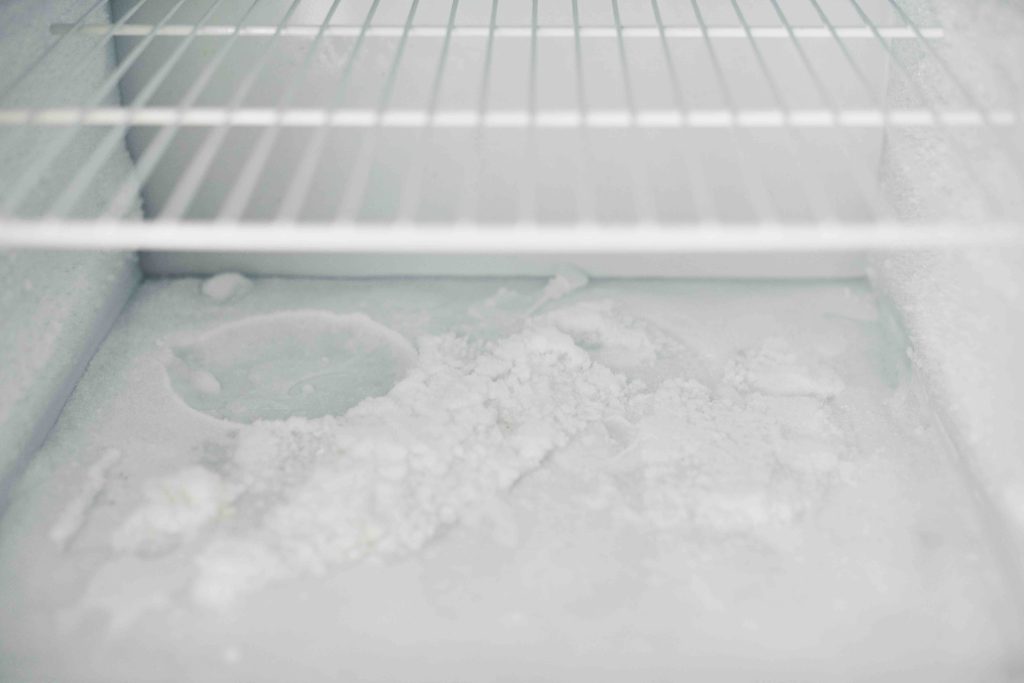
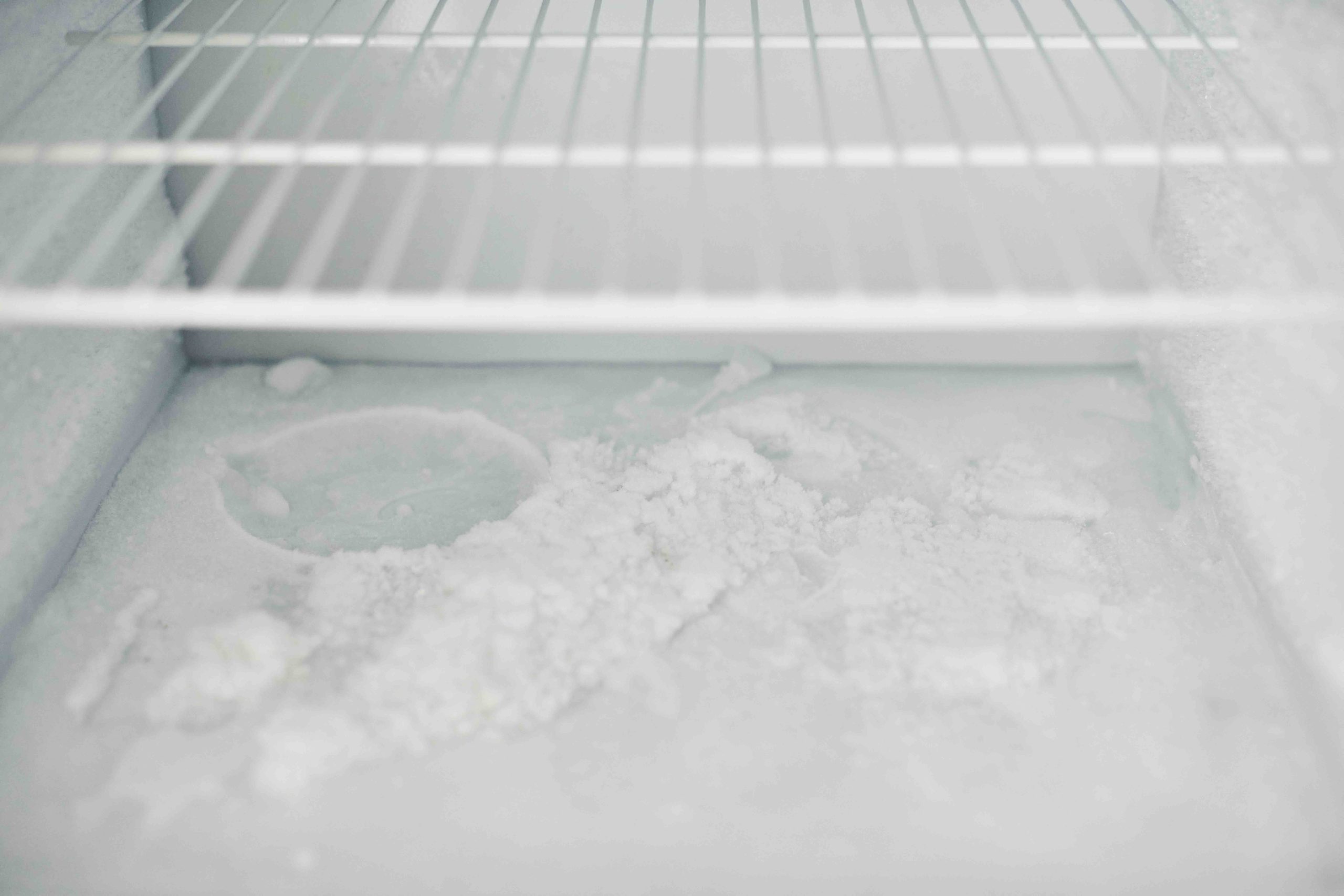
You open the freezer to grab something and notice a thick layer of frost clinging to the walls, shelves, or around the door seal. It looks like a winter scene in there, and not in a good way. Ice buildup in a freezer is one of those household issues that sneaks up on you gradually, and by the time you notice it, it has already been developing for a while. Understanding what causes it, what it means for your appliance, and when it becomes a warranty-related concern can save you money and a lot of frustration down the road.
How a Freezer Is Supposed to Work
Before getting into the causes of ice buildup, it helps to understand what a properly functioning freezer actually does. Modern freezers are designed to maintain a consistent, low-humidity environment. They use a refrigerant system to remove heat from the interior, and most frost-free models include an automatic defrost cycle that runs periodically to prevent ice from accumulating on the evaporator coils. This defrost cycle heats the coils just enough to melt any frost, then drains the water away. When every component in that system is working correctly, you should never see significant ice buildup on the walls or shelves. If you are seeing it, something in that chain has broken down.
The Most Common Causes of Ice Buildup in a Freezer
There is rarely just one answer here, which is part of what makes diagnosing this issue tricky. Ice buildup can result from user habits, mechanical failures, or worn components, and sometimes it is a combination of all three. Here are the most frequently identified culprits:
- A faulty door gasket that allows warm, moist air to enter the freezer constantly
- A defrost heater, defrost thermostat, or defrost timer that has stopped functioning
- A clogged or frozen defrost drain that prevents water from exiting properly
- Leaving the freezer door open too long or opening it too frequently
- Storing warm or uncovered food items that release moisture into the compartment
- A damaged or misaligned door that does not seal completely when closed
- A malfunctioning evaporator fan that circulates air unevenly across the coils
Each of these issues introduces excess moisture into the freezer environment, and when that moisture meets the cold surfaces inside, it freezes. Over time, the accumulation grows and can interfere with airflow, reduce cooling efficiency, and in more serious cases, cause the freezer to stop maintaining proper temperatures altogether.
What a Faulty Door Gasket Actually Means
The door gasket is that rubber seal running around the perimeter of your freezer door. Its entire job is to create an airtight barrier between the cold interior and the warm, humid air in your kitchen. When it cracks, warps, or loses its flexibility, it fails at that job. Even a small gap allows warm air to seep in continuously, and that warm air carries moisture with it. Every time the freezer cools back down, that moisture freezes on the interior walls. Replacing a door gasket is relatively straightforward and inexpensive, but it is one of those repairs that gets ignored far too often because the damage it causes is gradual and not immediately obvious.
The Role of the Defrost System in Preventing Ice
This is where things get a bit more technical, but stay with it because it matters. The defrost system in a frost-free freezer consists of a defrost heater, a defrost thermostat, and a defrost timer or control board. These components work together to initiate a short heating cycle, typically once or twice a day, that melts any frost off the evaporator coils. If the defrost heater burns out, the thermostat fails to signal it, or the timer stops cycling correctly, the coils will frost over completely. Once the coils are encased in ice, the freezer cannot cool effectively, and you will start seeing ice spread to other areas of the appliance. A technician can test each component individually to identify which part has failed.

When a Clogged Defrost Drain Is the Problem
Even when the defrost cycle works perfectly, there is still one more step the system needs to complete: draining the melted water out of the freezer. The defrost drain carries that water down into a drain pan beneath the appliance, where it evaporates. If that drain becomes clogged with debris, food particles, or ice, the meltwater has nowhere to go. It pools at the bottom of the freezer compartment and refreezes, sometimes forming a thick sheet of ice under the bottom drawer or shelf. This is a frustrating one because the root cause, a blocked drain, is not particularly serious mechanically, but the resulting ice dam can cause real damage if left unaddressed.
User Habits That Make Ice Buildup Worse
Not every ice buildup problem comes from a broken part. How you use your freezer plays a significant role. Leaving the door open while you rummage through it, storing food in open containers, or placing hot or warm items directly into the freezer all introduce moisture that the defrost system may struggle to keep up with over time. These habits alone may not cause a full frost problem, but they compound the effects of any minor system inefficiency. Good habits, like keeping the freezer at the manufacturer-recommended temperature setting, ensuring food is covered before freezing, and not overloading the compartment to the point where airflow is restricted, go a long way toward keeping ice buildup at bay.
Signs Ice Buildup Has Become a Bigger Problem
A little frost here and there is not necessarily an emergency. But there are signs that ice buildup has crossed the line from minor annoyance to a legitimate appliance concern. If the interior of your freezer is noticeably warmer than usual, if food is not staying frozen properly, if you hear the freezer motor running continuously without cycling off, or if you notice water pooling beneath the appliance, those are indicators that a component has likely failed. At that point, a DIY defrost by unplugging the unit and letting it thaw is only a temporary fix. The underlying cause needs to be identified and repaired, or the problem will return within days or weeks.
How Home Warranty Coverage Applies to Freezer Repairs
This is where the home warranty conversation becomes relevant. Freezers, whether built into a refrigerator or standalone units, are often covered under home warranty plans as part of the appliances category. When a mechanical or electrical component fails, such as the defrost heater, defrost thermostat, evaporator fan motor, or defrost timer, those repairs can qualify for coverage depending on your specific plan. It is worth reviewing your warranty documentation to understand which components are included and whether the cause of the failure matters for your claim eligibility. Wear and tear failures are typically covered, while damage caused by misuse or neglect may not be.
Why Armadillo Is the Right Partner When Your Freezer Fails
When a mechanical defrost system failure or a worn evaporator fan brings your freezer to a halt, having the right home warranty in place makes a real difference. Armadillo was built for exactly these situations. As a trusted home warranty provider for appliance and system breakdowns, Armadillo offers straightforward coverage designed to protect homeowners from the unexpected repair costs that come with appliance failures, including the kind of refrigerator and freezer component failures that cause persistent ice buildup. No runaround, no fine print surprises. If you want to know what your home is covered for before the next repair bill arrives, take a few minutes to get a customized home warranty quote for freezer and appliance protection. It is fast, transparent, and tailored to your home.

Frequently Asked Questions About Ice Buildup in Freezers
Answers to the most common questions homeowners have about freezer frost and ice accumulation.
Why does ice keep coming back after I defrost my freezer manually?
Manual defrosting removes the ice but does not fix the underlying cause. If a component like the defrost heater, defrost thermostat, or door gasket is faulty, ice will return within days or weeks. A qualified technician should inspect the unit to identify and repair the root issue.
Is a small amount of frost in the freezer normal?
Very light frost on evaporator coils or around the door is relatively normal in some refrigerator models, especially older ones without automatic defrost. However, heavy frost on the walls, shelves, or food items generally indicates a problem that should be addressed.
Can a full freezer cause ice buildup?
Yes. Overpacking a freezer restricts airflow, which can cause uneven cooling and contribute to frost accumulation. Keeping the freezer well-organized and not completely packed allows cold air to circulate properly and reduces moisture buildup.
How do I know if my door gasket needs to be replaced?
Close the freezer door on a piece of paper or a dollar bill. If you can pull it out easily without any resistance, the gasket is no longer sealing properly. You may also be able to see visible cracks, gaps, or flattened sections in the rubber seal.
How often should a frost-free freezer run its defrost cycle?
Most frost-free freezers run an automatic defrost cycle one to two times per day. Each cycle typically lasts between 20 and 30 minutes. You may hear a slight hissing or dripping sound during this process, which is completely normal.
What temperature should my freezer be set to in order to minimize ice buildup?
The recommended freezer temperature is 0 degrees Fahrenheit. Settings that are too cold can increase moisture retention, while settings that are too warm reduce food safety. Keeping it at the manufacturer-recommended level helps the defrost system operate efficiently.
Can ice buildup damage my freezer permanently?
If left unaddressed long enough, yes. Ice accumulation on the evaporator coils forces the motor to work harder and can lead to compressor strain or failure over time. Early intervention protects both the appliance and your food.
Does a home warranty cover defrost system repairs?
Many home warranty plans do cover defrost system components including the defrost heater, thermostat, and timer when they fail due to normal wear and tear. Coverage specifics vary by plan, so reviewing your contract or speaking with your provider is always recommended.
How long does it take to manually defrost a freezer?
A full manual defrost typically takes anywhere from 2 to 8 hours depending on the amount of ice buildup. Placing towels around the base to catch water and leaving the door open speeds up the process. Avoid using sharp tools to chip away ice as this can puncture the lining or refrigerant lines.
When should I call a technician instead of trying to fix ice buildup myself?
If basic troubleshooting like checking the door seal and defrosting manually does not resolve the issue, or if the ice returns quickly after defrosting, it is time to call a technician. Electrical components like defrost heaters and thermostats require professional testing and replacement.