What Does It Actually Cost to Recharge Freon in a Home Air Conditioner?
If your air conditioner is blowing warm air on a day that clearly calls for something much colder, you might be dealing with a refrigerant issue. The term “recharge” gets thrown around a lot, but not everyone knows what it means, what it costs, or whether it is even the right fix. This guide breaks all of that down in plain terms so you can walk into any HVAC conversation with full confidence and zero confusion.
What Is Freon and Why Does Your AC Need It
Freon is a brand name that became a catch-all term for refrigerant, which is the substance your air conditioner uses to absorb heat from inside your home and release it outside. Without the right refrigerant level, your system cannot complete that heat transfer cycle effectively. The result is warm air, higher energy bills, and a compressor that works way too hard for way too little output. It is worth knowing that traditional Freon, specifically R-22, has been phased out under federal environmental regulations. Most modern systems use R-410A or the newer R-454B. The type of refrigerant your unit requires has a direct impact on how much a recharge will cost you.
How the Refrigerant Recharge Process Works
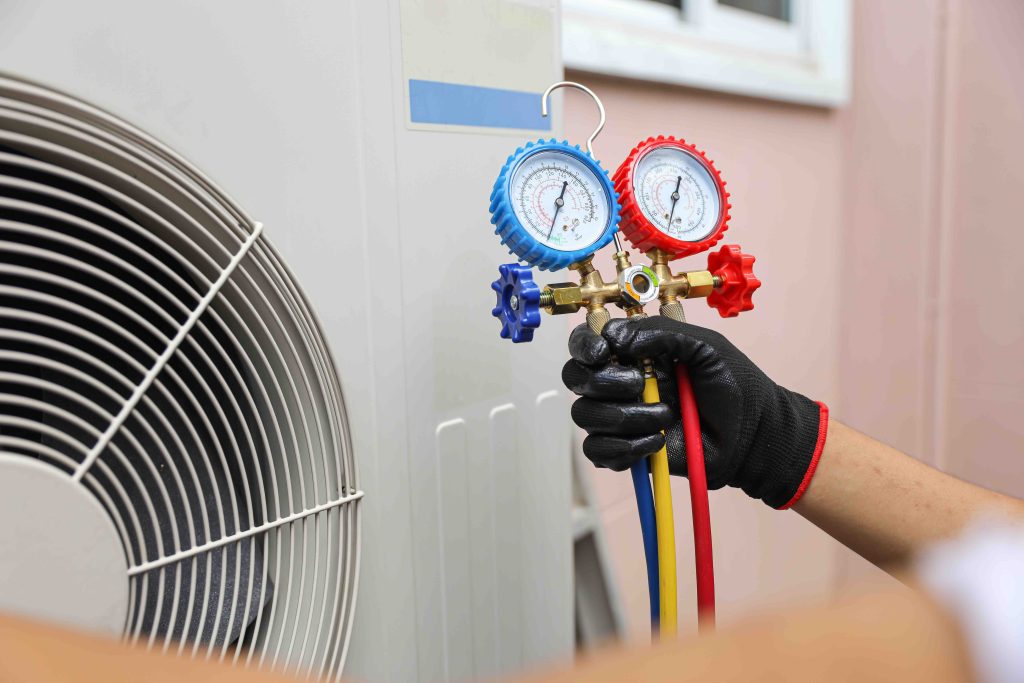
A refrigerant recharge is not something a homeowner can do independently. It requires a certified HVAC technician with the proper EPA certification. During a service call, the technician will first check existing refrigerant levels using specialized gauges. If levels are low, the next step is identifying why, because a properly sealed system should not lose refrigerant over time. A leak is almost always the culprit. From there, the technician repairs the leak and then recharges the system with the appropriate refrigerant type. Skipping the leak detection step is a common shortcut that leads to repeat service calls and recurring costs.
The Real Cost Breakdown for Recharging AC Refrigerant
Here is where things get specific. The cost to recharge Freon in a home air conditioner typically falls between $150 and $400 for most standard residential systems, though that range can climb significantly depending on several variables. Refrigerant type matters enormously. R-22 is now scarce and expensive, sometimes running $50 to $150 per pound, while R-410A is more widely available at $20 to $50 per pound. If your system requires multiple pounds and also has a detectable leak, the total bill can easily reach $600 to $1,000 or more once labor, leak repair, and refrigerant are all factored in. Older systems running on R-22 sometimes make replacement a more financially sound decision than continued repair.

Factors That Drive the Price Up or Down
Several variables influence where your final bill lands within or outside the typical range. Understanding these factors helps you anticipate costs before the technician even shows up.
- Type of refrigerant required by your specific system
- How many pounds of refrigerant need to be added
- Whether a refrigerant leak exists and how complex the repair is
- Your geographic location and local labor rates
- Whether the service call happens during peak summer demand or off-season
- The age and overall condition of the unit
A straightforward low-refrigerant situation on a modern system with no detectable leak is on the lower end of the cost spectrum. A system with a significant leak, an older refrigerant type, and compressor stress is a completely different financial picture.
Warning Signs That Your AC May Need a Refrigerant Recharge
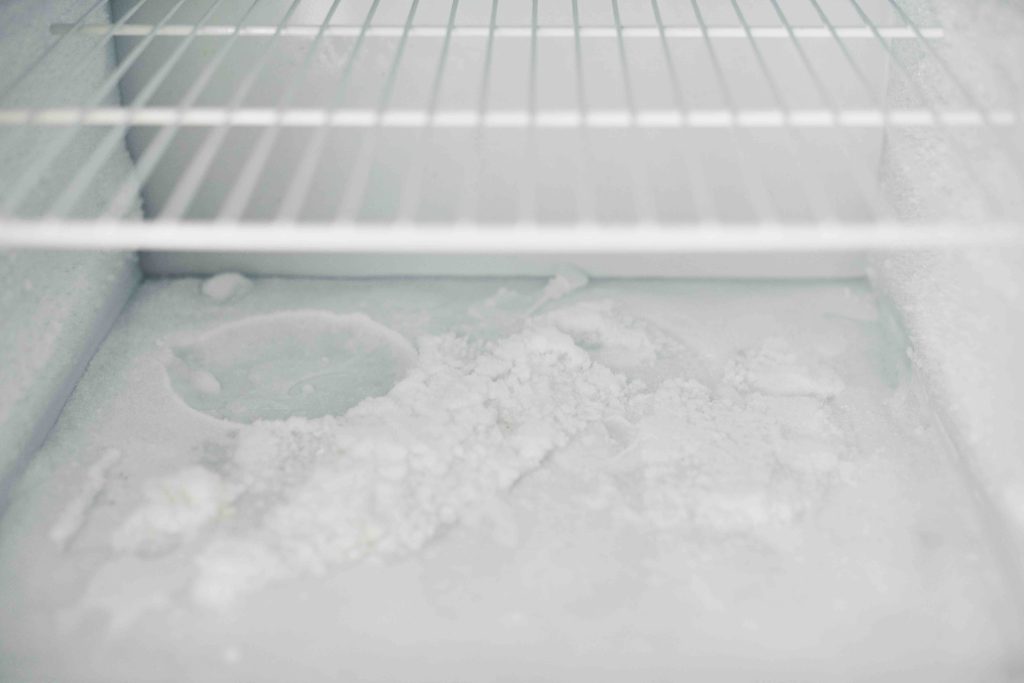
Not every AC problem comes down to refrigerant, but there are some fairly consistent signals worth paying attention to. Warm or lukewarm air coming from vents when the system is set to cool is the most obvious indicator. Ice forming on the refrigerant lines or the evaporator coil is another sign, which sounds counterintuitive but is a direct result of low refrigerant pressure. You might also notice the system running continuously without ever reaching the set temperature, or hear a hissing or bubbling sound near the unit, which often indicates a refrigerant leak in progress. Higher-than-normal energy bills without an obvious explanation can also point back to refrigerant inefficiency.
Should You Repair or Replace Your AC System
This is the question that follows almost every refrigerant conversation, and the honest answer depends on your system’s age, condition, and refrigerant type. A general rule of thumb used across the HVAC industry is the 5,000 rule: multiply the repair cost by the age of the unit. If that number exceeds $5,000, replacement is usually the smarter long-term investment. A 12-year-old system facing an $800 refrigerant repair lands squarely in the gray zone. A 6-year-old system with the same repair cost is almost always worth fixing. If your unit still runs on R-22, that equation tilts harder toward replacement simply because the refrigerant itself has become prohibitively expensive and increasingly difficult to source.
How Home Warranties Factor Into AC Refrigerant Costs
This is a part of the conversation that does not get enough attention. Home warranties are service contracts that cover the repair or replacement of major home systems and appliances when they fail due to normal wear and tear. Many home warranty plans include central air conditioning systems, and some cover refrigerant recharging as part of an included AC repair. Coverage terms vary by provider and plan, so reading the fine print is critical. Some plans exclude refrigerant costs explicitly, while others fold them in as a natural component of a covered repair. For homeowners who want predictable costs when the unexpected happens, a home warranty can meaningfully reduce out-of-pocket exposure during AC season.
Practical Tips for Keeping AC Refrigerant Costs Under Control
Prevention is always cheaper than repair, and a few consistent habits go a long way toward avoiding refrigerant-related service calls.
- Schedule annual HVAC maintenance before cooling season begins each year
- Replace air filters regularly to reduce strain on the system
- Keep the outdoor condenser unit clear of debris, vegetation, and obstructions
- Pay attention to early warning signs rather than waiting for full system failure
- Ask your HVAC technician to check for refrigerant levels and potential leaks during routine service
Annual preventive maintenance is the single most effective way to catch refrigerant issues early, before they compound into more expensive failures. A small maintenance investment each year can prevent a much larger repair bill mid-July.
Why Armadillo Is Worth Considering for AC Coverage and Beyond
When your air conditioner needs a refrigerant recharge or a more significant repair, the last thing you want is a surprise invoice that disrupts your budget. That is exactly the kind of situation a home warranty is designed to address. Armadillo home warranty coverage for air conditioning systems is built around transparency, straightforward terms, and support that actually shows up when something goes wrong. There are no confusing exclusions buried in dense legal language, and no moment where you find out after the fact that your situation somehow did not qualify. If you are tired of wondering what an AC repair might cost you this summer, now is a good time to get a free home warranty quote for AC and HVAC system protection and see what a plan looks like for your specific home and zip code. Protecting a major system like your air conditioner is one of the more practical financial decisions a homeowner can make.

Frequently Asked Questions About Recharging Freon in Home Air Conditioners
These are the questions homeowners most commonly ask when dealing with refrigerant issues and AC performance problems.
How much does it cost to recharge Freon in a central air conditioner?
The average cost ranges from $150 to $400 for most standard residential systems, but the total can reach $600 to $1,000 or more if a refrigerant leak also needs to be repaired and the system uses a more expensive refrigerant type such as R-22.
How often does a home air conditioner need to be recharged?
A properly functioning, sealed AC system should never need a recharge. Refrigerant does not get used up like fuel. If levels are low, there is almost always a leak somewhere in the system that needs to be identified and repaired first.
Can I recharge my AC refrigerant myself?
No. Handling refrigerant requires an EPA Section 608 certification. It is illegal for uncertified individuals to purchase or handle refrigerants, and attempting to recharge a system without proper training can cause serious equipment damage or personal harm.
What is the difference between R-22 and R-410A refrigerant?
R-22 is the older refrigerant, now phased out under federal environmental regulations, and is significantly more expensive due to limited supply. R-410A is the current standard for most residential systems and is more environmentally friendly and widely available.
Does a home warranty cover refrigerant recharging?
It depends on the plan. Some home warranty providers include refrigerant as part of a covered AC repair, while others explicitly exclude it. Reviewing the specific terms of any plan before purchasing is essential to understanding what is and is not covered.
How long does a refrigerant recharge take?
The recharge itself is relatively quick, often under an hour, but the full service call including leak detection and repair can take two to four hours depending on the complexity of the issue and the size of the system.
What are the signs that my AC is low on refrigerant?
Common signs include warm air from vents, ice buildup on refrigerant lines or coils, the system running continuously without cooling the space, a hissing or bubbling sound near the unit, and unexplained increases in energy bills.
Is it worth recharging an old AC unit or should I replace it?
If the unit is over 10 to 12 years old, runs on R-22, or has recurring repair needs, replacement is often the more cost-effective long-term decision. Younger systems in otherwise good condition are generally worth repairing.
How can I prevent refrigerant leaks in my air conditioner?
Annual preventive maintenance is the most reliable strategy. During routine service visits, a certified technician checks refrigerant levels, inspects coils and connections for early signs of leaks, and addresses minor issues before they develop into more serious failures.
Will low refrigerant damage my air conditioner compressor?
Yes. Operating an air conditioner with insufficient refrigerant puts excessive strain on the compressor, which is one of the most expensive components in the system. Prolonged low-refrigerant operation can lead to full compressor failure, turning a manageable repair into a much larger replacement expense.