What Is a Lamp Socket and Why Should Homeowners Understand It?
Most people never think about a lamp socket until a bulb stops working or a fixture starts flickering at the worst possible moment. But the lamp socket is actually one of the more important small components in your home’s lighting system. It is the interface between your electrical wiring and the light bulb itself, and when it fails, everything downstream fails with it. Understanding what a lamp socket is, how it functions, and how to spot problems early can save you real time, money, and frustration as a homeowner.
The Basic Anatomy of a Lamp Socket
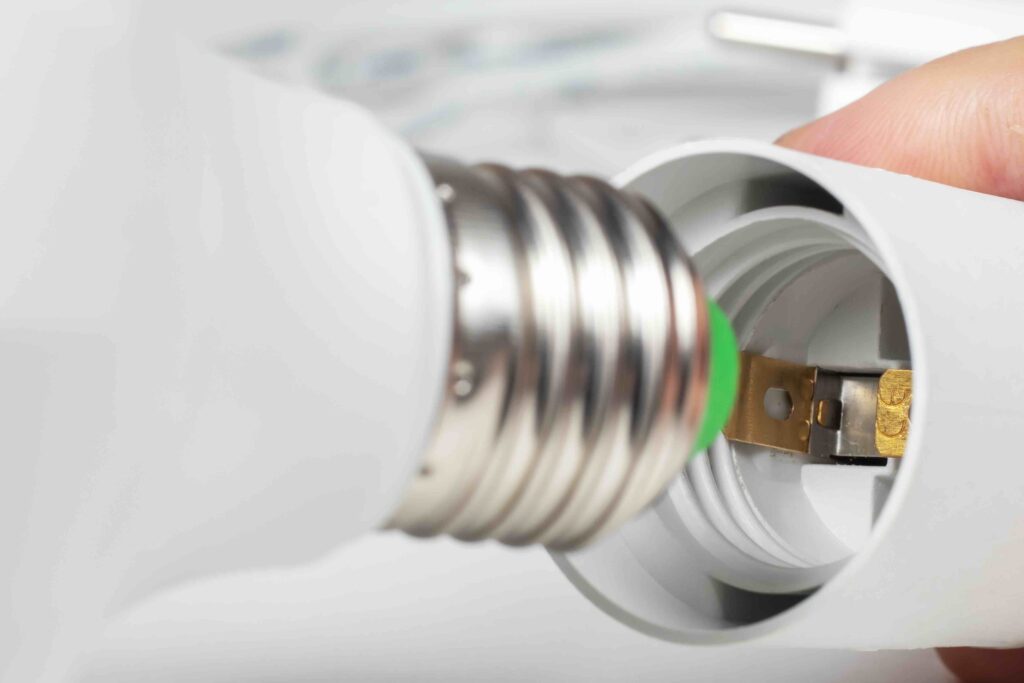
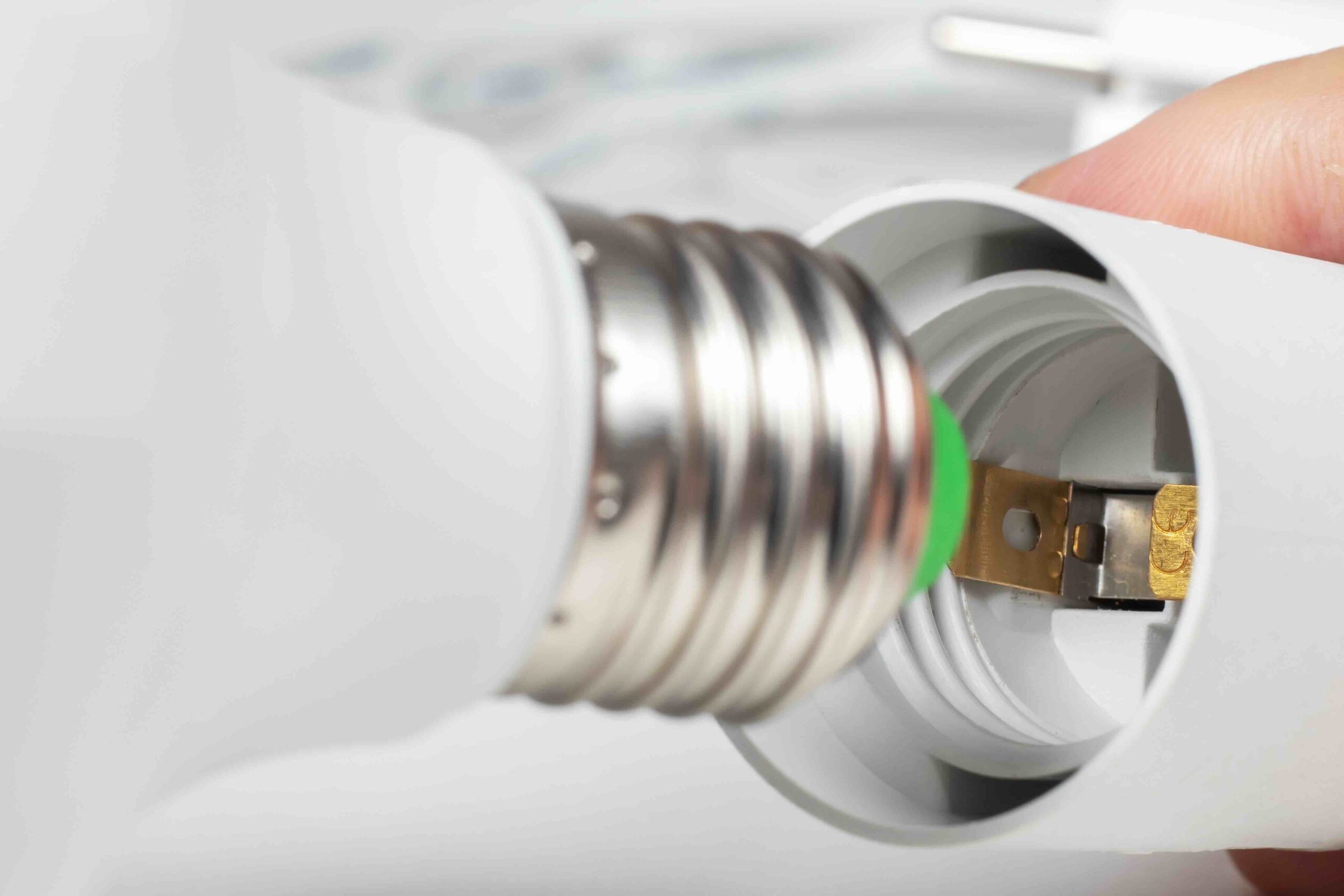
A lamp socket, sometimes called a light socket or bulb socket, is the component that holds a light bulb in place and delivers electrical current to it. The socket contains a shell, a cap, an insulating sleeve, and a contact tab at the base that connects to the live wire. When a bulb is screwed or inserted in, it completes a circuit, and current flows through to produce light. The most common type in American homes is the Edison screw base socket, usually designated as E26 for standard medium-base bulbs. There are also candelabra sockets, mogul sockets for high-wattage industrial bulbs, and bi-pin sockets used in halogen and certain LED fixtures. Each type is designed for a specific bulb base and wattage range, and mixing those up is where a lot of homeowner headaches start.
How a Lamp Socket Actually Works
The mechanics here are simple but worth knowing. Electrical current enters the socket through the hot wire, which connects to the brass-colored contact tab inside the base of the socket. The neutral wire connects to the outer shell. When a compatible bulb is installed, the circuit closes, current flows through the bulb’s filament or semiconductor, and light is produced. When the socket’s contact tab becomes corroded, bent, or burned, that connection breaks down. You might get intermittent light, flickering, or no light at all even with a working bulb. The socket is essentially the handshake point between your home’s wiring and the light source, and like any handshake, it only works when both sides are making proper contact.
Common Types of Lamp Sockets Found in Home Fixtures
Not all lamp sockets are created equal, and knowing which types exist in your home can help you shop smarter and troubleshoot faster. Here is a quick breakdown of the most common varieties:
- Medium base (E26): The standard socket found in most table lamps, floor lamps, and overhead fixtures in American homes.
- Candelabra base (E12): Smaller socket used in decorative fixtures like chandeliers, sconces, and nightlights.
- Mogul base (E39): Oversized socket found in high-intensity fixtures, sometimes used in older basement or garage shop lighting.
- GU10 and bi-pin sockets: Used in recessed lighting, under-cabinet lighting, and halogen track fixtures.
- Keyless, pull-chain, and switched sockets: Functional variations that control how you turn the light on or off, all using the same basic electrical connection principle.
Signs That a Lamp Socket Is Failing
Lamp sockets do not last forever. Heat exposure, age, and electrical arcing wear them down over time. The signs of a failing socket are usually pretty easy to spot once you know what to look for. Flickering lights that are not caused by a loose bulb, a burning smell near a fixture, scorch marks or discoloration inside the socket, or a bulb that simply will not illuminate even after being replaced are all red flags. In some cases, a failing socket can cause repeated bulb burnout, where perfectly good bulbs seem to die unusually fast. That is often a sign of voltage irregularities caused by poor contact inside the socket, and it is worth addressing rather than just cycling through new bulbs repeatedly.

Can You Replace a Lamp Socket Yourself?
In many cases, yes. Replacing a lamp socket on a table lamp or floor lamp is a relatively accessible DIY task that requires basic tools and a replacement socket kit, which are widely available at hardware stores. The process generally involves unplugging the lamp, disassembling the socket shell, disconnecting the old wires, and connecting them to the new socket using the same terminal positions. Always ensure the power is completely disconnected before touching any wiring. However, ceiling fixtures and hardwired wall sconces are a different matter. Those involve your home’s wiring system directly, and unless you have real comfort with electrical work, calling a licensed electrician is the right move. Working on wiring without proper knowledge carries genuine safety risks, including electrical shock and fire hazards.
Key Advantages of Understanding and Maintaining Your Lamp Sockets
Taking lamp socket maintenance seriously comes with real payoffs. First, it extends the life of your light fixtures and your bulbs, saving money over time. Second, a well-maintained socket reduces fire risk. Arcing and overheating inside a socket are genuine fire hazards, particularly in older fixtures that may have been operating beyond their rated wattage for years. Third, knowing your socket types helps you make smarter lighting upgrades. If you want to switch to LED bulbs in older fixtures, for example, understanding the socket type and the fixture’s rated wattage ensures you choose a compatible, safe option. LEDs run much cooler than incandescent bulbs, which actually reduces long-term socket wear significantly.
Common Drawbacks and Limitations Homeowners Should Know
Lamp sockets have a few inherent limitations worth keeping in mind. Older sockets, particularly those in fixtures from the mid-twentieth century, were designed for incandescent bulbs and may have lower wattage ratings than modern LED equivalents appear to require. Always check the maximum wattage rating printed inside the socket or on the fixture before installing any bulb. Additionally, cheap sockets, which are unfortunately common in inexpensive fixtures, tend to corrode faster and make inconsistent contact. If you are experiencing repeated issues with a fixture, the root cause might not be the bulbs at all. It is also worth noting that some specialty sockets, such as those used in decorative or vintage-style fixtures, can be difficult to source as replacements, which may make full fixture replacement more practical than a socket repair.
Practical Tips for Homeowners Dealing With Lamp Socket Issues
- Always unplug or turn off the breaker before inspecting or replacing any lamp socket.
- Use a multimeter to test whether the socket is receiving proper voltage before assuming the bulb is the problem.
- If the contact tab inside the socket looks flattened, gently pry it up slightly with a wooden or plastic tool to restore better contact with the bulb.
- Never exceed the wattage rating printed on the fixture or socket, even with LED bulbs that run cool.
- If a socket shows visible burn marks or melting, replace the entire socket, and consider replacing the fixture entirely if it has seen significant heat damage.
- When purchasing replacement sockets, opt for UL-listed components from reputable brands rather than the cheapest option available.
How Home Warranty Coverage Connects to Your Home’s Electrical System
Here is where lamp sockets meet the bigger picture of home ownership. Individual lamp sockets are typically inexpensive components, but they exist within a broader electrical system that absolutely can generate costly repair bills. When electrical failures cascade beyond a single fixture into your wiring, circuit breakers, or panel, repair costs climb quickly. That is exactly the kind of situation where having a solid home warranty plan makes a real difference. Armadillo home warranty coverage for electrical systems and home appliances is designed to take the financial sting out of those unexpected moments when something stops working inside your home. Armadillo keeps things straightforward, with clear coverage terms and a claims process that does not feel like navigating a bureaucratic maze. If you want to protect your home’s systems before the next unexpected repair shows up, you can get a free home warranty quote for electrical and systems coverage today and see exactly what protection looks like for your specific home.

Frequently Asked Questions About Lamp Sockets
Here are answers to the most common questions homeowners ask about lamp sockets, how they work, and how to handle problems when they arise.
What causes a lamp socket to stop working?
The most common causes are a corroded or flattened contact tab, heat damage from overloaded wattage, worn-out internal wiring connections, or simple age-related deterioration of the socket’s components.
Is it safe to use a lamp with a damaged socket?
No. A damaged socket can cause electrical arcing, overheating, and in serious cases, a fire. Replace the socket or discontinue use of the fixture until it is repaired.
How do I know what size lamp socket I need?
Check the base of your existing bulb or the inside of the fixture for a size designation such as E26 for medium base or E12 for candelabra. These markings indicate the socket type needed for replacement.
Can I use an LED bulb in any lamp socket?
LED bulbs are compatible with most standard sockets, but you should always verify that the base type matches and that the fixture’s wattage rating accommodates the LED’s equivalent wattage listing.
How long do lamp sockets typically last?
Quality lamp sockets in fixtures operating within their rated wattage can last for decades. However, frequent overloading, heat exposure, or use of low-quality sockets can shorten that lifespan considerably.
Why does my light bulb keep burning out quickly?
Rapid bulb burnout is often caused by poor socket contact, voltage fluctuations, or a socket that is running hotter than intended due to exceeding the wattage rating. Inspect the socket and check your home’s voltage stability.
Should I replace a lamp socket myself or hire an electrician?
Replacing a socket in a portable, plug-in lamp is generally safe as a DIY task with proper precautions. Hardwired ceiling or wall fixtures should be handled by a licensed electrician to ensure safety and code compliance.
Does a home warranty cover lamp socket repairs?
Home warranty coverage varies by plan and provider. Electrical system coverage in many plans addresses wiring and connected components, but individual lamp sockets in portable fixtures may fall outside typical coverage terms. Review your specific plan details carefully.
What is the difference between a keyless socket and a switched socket?
A keyless socket has no built-in on/off mechanism and relies entirely on the fixture’s switch or wall switch. A switched socket includes an integrated switch, usually a turn knob or pull chain, allowing you to control the light directly at the fixture.
Can a failing lamp socket cause a house fire?
Yes. Electrical arcing inside a degraded socket generates significant heat and can ignite nearby materials, particularly in older fixtures with plastic components or near flammable materials. This is why prompt replacement of damaged sockets is a safety priority, not just a convenience.