




Why Your Microwave Light Won’t Turn On (And What to Do About It)
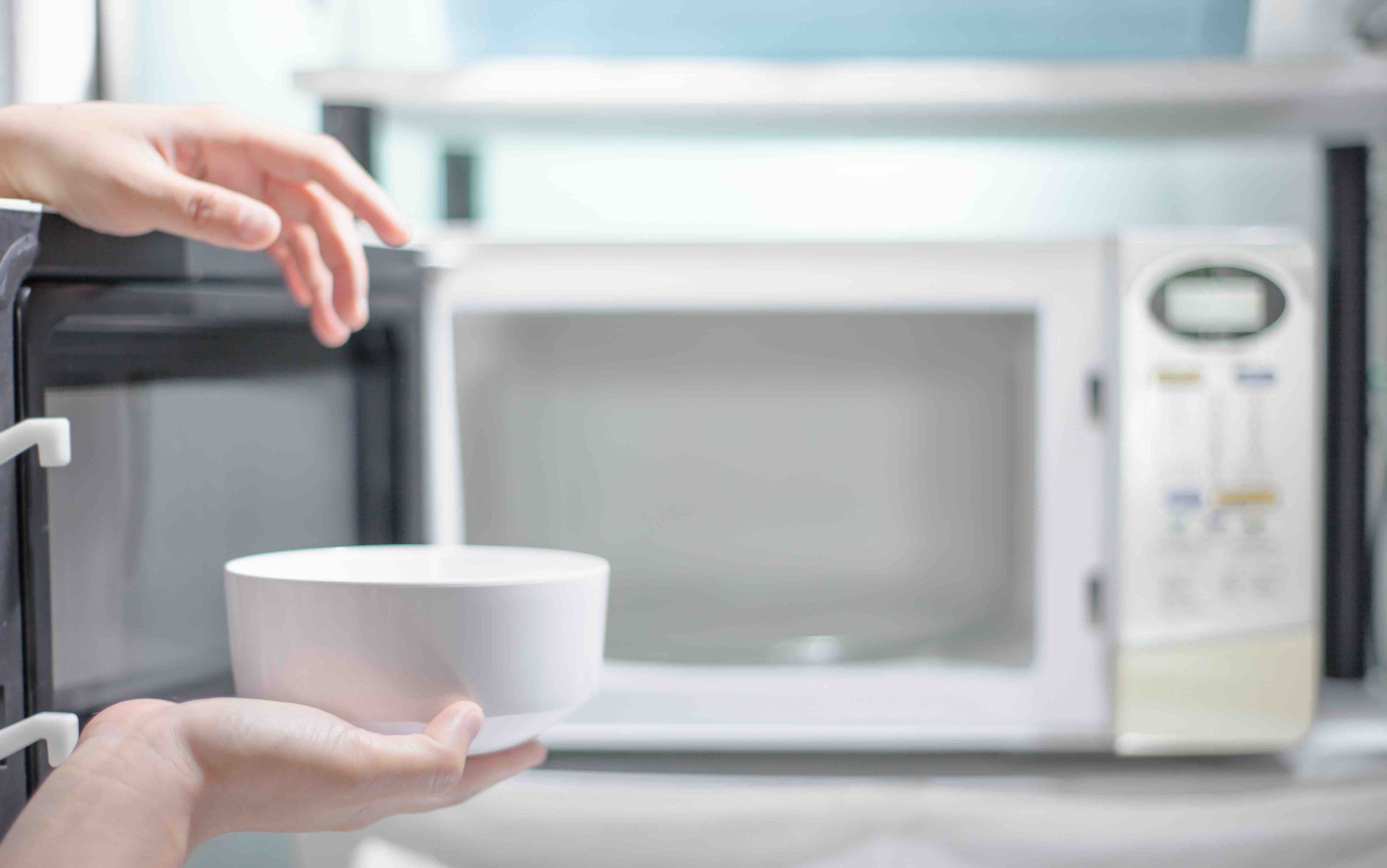
You open the microwave door, peer inside, and nothing. No light. The appliance still runs, the turntable still spins, your food still heats up just fine, but that interior light is completely dead. It is a small thing, technically, but it is also oddly frustrating when you are trying to check on what is cooking without opening the door every thirty seconds. If your microwave light won’t turn on, you are not alone, and the fix is usually more straightforward than you might expect. This guide walks you through everything you need to know, from why it happens to what you can actually do about it.
How the Microwave Interior Light Works
Before you can fix something, it helps to understand how it functions. The interior light in a microwave is designed to illuminate the cooking cavity so you can monitor your food during operation. Most microwaves use one of three bulb types: incandescent, halogen, or LED. The light is typically wired into the appliance’s door switch circuit, meaning it activates when the door is opened or when the microwave is actively running. It sounds simple, and in a lot of ways it is, but there are several components involved in that signal chain, and any one of them failing can leave you in the dark.
The Most Common Reasons a Microwave Light Won’t Turn On
There are a handful of reasons this happens, and some of them are genuinely easy fixes. Others require a bit more investigation. Here are the most likely culprits when your microwave light stops working:
- Burned-out bulb: This is the most common cause. Bulbs have a finite lifespan, and the heat generated inside a microwave can shorten it further.
- Faulty door switch: Microwaves have multiple door interlock switches that control several functions, including the light. A worn or broken switch can interrupt the light circuit entirely.
- Loose or damaged wiring: Vibration over time can loosen wire connections, cutting off power to the bulb socket.
- Blown thermal fuse: If the microwave experienced a power surge or overheating event, the thermal fuse may have blown, affecting multiple components including the light.
- Control board malfunction: Less common, but a faulty main control board can disrupt signals to the lighting circuit.
Diagnosing the Problem Before You Call Anyone
Start with the obvious. Check whether the microwave is functioning otherwise. Does it heat food? Do the display and controls respond normally? If the appliance is running fine and only the light is out, your first move should be to check the bulb. Many microwave bulbs are accessible from behind a small panel inside the cooking cavity or on the rear exterior of the unit. Consult your owner’s manual for your specific model. If the bulb looks blackened or the filament is visibly broken, that is your answer right there. Replacement bulbs are inexpensive and widely available.
If the bulb looks fine or replacing it does not solve the problem, the door switch becomes the next logical suspect. A quick way to test this at home without any tools is to listen for a click when the door closes. If you are not hearing that click, or if the microwave does not respond to the door opening and closing consistently, a door switch issue is likely. At this point, unless you are comfortable working with appliance electronics, it is wise to bring in a professional.
What Not to Do When Your Microwave Light Won’t Turn On
This is worth saying directly: do not attempt to open the microwave casing and start poking around unless you know what you are doing. Microwaves contain a high-voltage capacitor that can retain a dangerous electrical charge even when the unit is unplugged. That is not an exaggeration. It can deliver a serious shock well after power has been disconnected. Leave internal electrical work to a qualified technician. The light bulb itself, if accessible from inside the cavity, is generally safe to replace yourself. Everything beyond that is a job for someone with proper training.
DIY Repair vs. Professional Service: Where the Line Is
Replacing an accessible microwave bulb is squarely in DIY territory. It typically costs just a few dollars in parts and takes under ten minutes. Beyond the bulb, the risk-to-reward ratio shifts. Door switch replacement involves disassembling part of the microwave exterior and working near internal components. Wiring repairs and control board replacements definitely fall into professional territory. A service call for a microwave repair typically runs anywhere from $75 to $150 for labor alone, and parts can add to that cost depending on the issue.

How Often Do Microwave Bulbs Burn Out?
That depends on how often the microwave is used and what type of bulb is installed. Standard incandescent bulbs inside a microwave can last anywhere from one to three years under typical use. Halogen bulbs tend to burn a little brighter and sometimes a little shorter. LED bulbs, which are increasingly common in newer models, can last significantly longer, sometimes five to ten years. If you are replacing your microwave bulb for the second or third time within a short window, it may point to an underlying issue with voltage or heat management rather than simple bulb wear.
Maintenance Tips to Keep Your Microwave Running Well
The microwave light is a small component, but how you maintain the appliance overall has a real impact on how long everything lasts. A few habits that make a difference:
- Keep the interior clean: Grease and food buildup can trap heat, which accelerates bulb wear and stresses internal components.
- Avoid slamming the door: This directly affects the door switch contacts over time.
- Do not run the microwave empty: This creates excess heat with no food to absorb it, which can damage internal parts.
- Use microwave-safe containers only: Sparking from metal or foil can damage the interior, the bulb, and the waveguide cover.
- Check the door seal periodically: A worn or dirty seal forces the door switches to work harder and can lead to premature failure.
When Repair Does Not Make Sense Anymore
Sometimes the smarter call is replacement. If your microwave is over ten years old and needs a repair that costs more than half the price of a new unit, that math rarely works in your favor. A dead interior light on its own is a minor issue, but if it comes alongside other problems like uneven heating, a noisy turntable, or controls that are starting to behave erratically, it might be time to start shopping for a replacement rather than sinking money into the current one.
How a Home Warranty Can Cover Microwave Repairs
This is where things get genuinely useful for homeowners. A good home warranty plan can cover built-in microwaves under its appliance coverage, which means repair costs for things like a failed door switch, a blown thermal fuse, or a wiring issue would be handled without coming out of your pocket directly. When your microwave light won’t turn on and the fix requires a professional, that service call and the parts can be covered depending on your plan terms. If you are a homeowner who relies on your kitchen appliances daily and would rather not deal with unpredictable repair bills, home warranty coverage for kitchen appliances and built-in systems is worth serious consideration. Armadillo offers straightforward, honest coverage built around what homeowners actually need, without the complicated fine print that makes filing a claim feel like a second job. If you want to see what protecting your home looks like in practice, you can get a free home warranty quote for microwave and appliance protection in just a few minutes. It is the kind of coverage that makes a repair like this feel like a minor inconvenience instead of an unexpected expense.

Frequently Asked Questions About Microwave Light Issues
Real answers to the questions homeowners actually search for when their microwave light stops working.
Why won’t my microwave light turn on even though the microwave still works?
The most likely cause is a burned-out bulb. The light circuit is separate from the heating and control circuits, so it is entirely possible for the appliance to function normally while the light is dead. Start by checking and replacing the bulb before investigating other causes.
Can I replace the microwave light bulb myself?
Yes, in most cases. If the bulb is accessible from inside the cooking cavity or through a small exterior panel, it is a straightforward DIY task. Unplug the microwave first, locate the bulb housing, remove the cover, and swap the bulb for one that matches the original wattage and base type.
What type of bulb does a microwave use?
It depends on the model and age of the appliance. Older microwaves typically use incandescent or halogen bulbs, while newer models often use LED bulbs. Check your owner’s manual or the existing bulb for specifications before purchasing a replacement.
Could a door switch cause the microwave light not to work?
Yes. The door interlock switches control several functions in a microwave, and the light is often wired through that circuit. If a switch is worn or broken, it may prevent the light from receiving power even when the door is open.
Is it safe to use a microwave without an interior light?
It is technically safe to operate a microwave with a non-functioning interior light as long as all other components are working correctly. The light does not affect the cooking function. That said, have the issue diagnosed if you suspect an underlying electrical problem rather than just a burned-out bulb.
How much does it cost to repair a microwave light?
If the fix is a simple bulb replacement, costs are minimal, usually under ten dollars in parts. If the issue involves a door switch, wiring, or control board, professional repair costs can range from $75 to $200 or more depending on the appliance model and your location.
Does a home warranty cover microwave light repairs?
It depends on the warranty plan and whether the microwave is a built-in model. Many home warranty plans cover built-in microwaves and their internal components, including wiring and switches. A standalone countertop microwave may or may not be included depending on the coverage terms.
How long should a microwave interior light bulb last?
A standard incandescent microwave bulb typically lasts one to three years with regular use. LED bulbs used in newer models can last significantly longer. Frequent bulb burnouts may indicate a heat or voltage issue worth investigating.
What should I check if replacing the bulb did not fix the microwave light?
If a new bulb does not solve the problem, the next steps are checking the door switches, inspecting the wiring to the bulb socket, and testing the thermal fuse. These steps generally require some technical knowledge, so it is reasonable to contact a qualified appliance technician at this stage.
When should I replace my microwave instead of repairing it?
If the microwave is more than eight to ten years old and the repair cost exceeds half the price of a comparable new unit, replacement often makes more financial sense. If the light issue is accompanied by other problems like inconsistent heating, unusual noises, or control malfunctions, that is a strong signal that the appliance is nearing the end of its reliable lifespan.